How Does ADHD Manifest in Women: Uncovering Hidden Signs
Do you ever feel like your mind is racing, but no one seems to notice how hard it is for you to focus? You might wonder if what you’re experiencing is just stress or something more.
When it comes to ADHD, many people picture hyperactive boys, but ADHD in women often looks very different—and that can make it harder to recognize. Understanding how ADHD shows up in women could change the way you see yourself or someone you care about.
Keep reading to discover the subtle signs and unique challenges that ADHD brings to women’s lives—and learn what you can do about it.
Adhd In Women: A Different Face
ADHD in women often looks different from the typical symptoms seen in men. Many women with ADHD may not show the classic hyperactivity or impulsiveness. Their symptoms might be quieter, making ADHD harder to spot. This “different face” of ADHD can lead to misunderstandings and missed diagnoses.
Women with ADHD may struggle with internal challenges like forgetfulness, daydreaming, and emotional sensitivity. These signs are less visible but can deeply affect daily life. Understanding this unique presentation is key to better support and treatment.
Common Misconceptions
Many believe ADHD only causes loud, disruptive behavior. This idea comes from studies mostly done on boys. Women often show symptoms differently. They may be more inattentive than hyperactive. This quiet form of ADHD is overlooked.
People think women with ADHD are just disorganized or lazy. This wrong idea adds pressure and shame. Women may feel they should manage better, hiding their struggles. This hides ADHD and stops them from getting help.
Why Symptoms Are Overlooked
Doctors often miss ADHD in women because symptoms are subtle. Women might mask their difficulties to fit in socially. They may work very hard to cover up issues. This makes ADHD less obvious during checkups.
Emotional symptoms like anxiety and mood swings are often seen as separate problems. These can hide the real cause—ADHD. Without recognizing the root, women may receive wrong treatments.
School or work struggles may be blamed on lack of effort, not ADHD. Women might not speak about their challenges openly. This silence keeps symptoms hidden and untreated.

Credit: www.youtube.com
Emotional Patterns In Women With Adhd
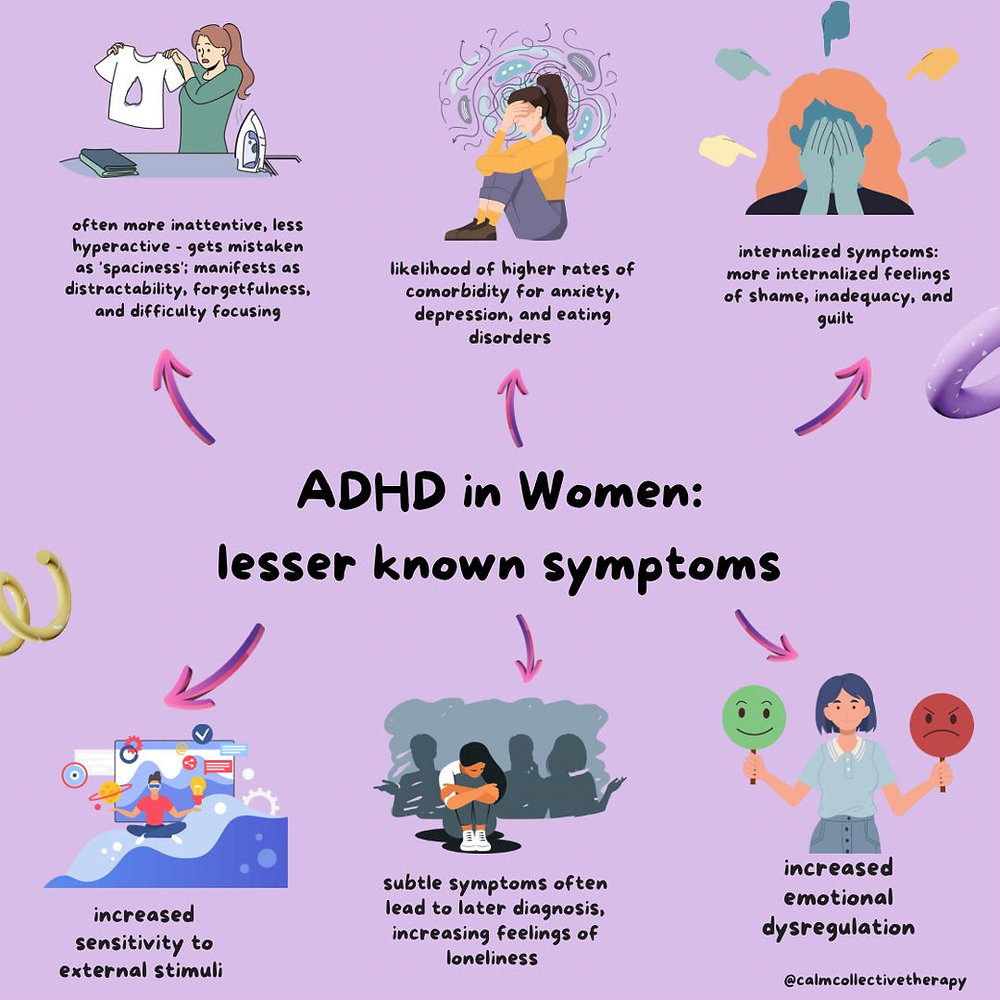
Understanding the emotional patterns in women with ADHD reveals how deeply this condition can affect daily life. Emotional responses often feel intense and unpredictable, making it hard to navigate relationships and self-perception. You might notice feelings that swing rapidly or moments when your self-esteem takes a sharp dip without a clear cause.
Mood Swings And Emotional Sensitivity
Women with ADHD frequently experience mood swings that can seem overwhelming. These shifts aren’t just about feeling happy or sad; they can involve sudden irritability, frustration, or even bursts of excitement.
Emotional sensitivity means you might react more strongly to criticism or stress than others do. Imagine feeling hurt by a simple offhand comment or becoming easily overwhelmed in busy social settings. This heightened emotional state often leads to misunderstandings because others may not see the intensity behind your reactions.
Have you ever wondered why small setbacks sometimes feel like huge failures? Recognizing this emotional pattern can help you pause and respond with more compassion toward yourself.
Challenges With Self-esteem
Low self-esteem is common among women with ADHD, often stemming from years of feeling misunderstood or falling short of expectations. You might catch yourself doubting your abilities or fearing that you’re not good enough, even when evidence shows otherwise.
This struggle can lead to a cycle where negative self-talk reinforces feelings of inadequacy. It’s important to challenge those thoughts by focusing on your strengths and celebrating small victories.
What if you started keeping a journal of moments when you succeeded, no matter how small? This practice can slowly rebuild confidence and shift your internal dialogue.
Behavioral Traits Often Missed
Many women with ADHD go undiagnosed because their behavioral traits are often subtle and easily overlooked. These traits don’t always fit the classic image of ADHD, leading to misunderstandings about what’s really going on. Recognizing these hidden behaviors can change how you view your own challenges or those of the women around you.
Inattentiveness Vs. Daydreaming
You might notice a woman seeming lost in thought or distracted, but this often gets mistaken for simple daydreaming. In reality, inattentiveness in ADHD is more than just drifting off—it’s the brain struggling to filter out distractions and maintain focus. You might find yourself zoning out during conversations or meetings, not because you’re uninterested, but because your mind is overloaded.
Does this sound familiar? You might miss deadlines or forget important details, yet you feel frustrated because you’re trying hard to stay on track. This isn’t laziness—it’s a sign your brain is wired differently.
Hyperactivity In Subtle Forms
Hyperactivity in women with ADHD often doesn’t look like constant movement or fidgeting. Instead, it might show up as internal restlessness, rapid thoughts, or a need to stay busy in less obvious ways. Maybe you find yourself tapping your foot under the table or switching tasks quickly—not because you’re unfocused, but because sitting still feels impossible.
Many women describe this as a “quiet storm” of energy that others don’t see. Have you ever felt restless inside while appearing calm on the outside? That’s a common experience for many women with ADHD, but it’s rarely recognized as hyperactivity.
Impact On Daily Life And Relationships
ADHD affects many areas of life for women. It changes how they handle daily tasks and relationships. These challenges often go unnoticed or misunderstood. Women with ADHD may feel frustrated or isolated. Understanding these impacts helps create better support and awareness.
Work And Academic Struggles
Women with ADHD often find work and school difficult. Concentrating on tasks can be a big challenge. They may start projects but struggle to finish them. Time management problems cause missed deadlines or appointments. Organizing thoughts and materials can feel overwhelming.
Distractions are common and reduce productivity. This can lead to stress and lower self-confidence. Many women hide their struggles to avoid judgment. They may feel different from their peers in class or the office. These difficulties can limit career growth or academic success.
Social Interactions And Friendships
ADHD impacts how women connect with others. They might miss social cues or interrupt conversations. Remembering details about friends can be hard. This sometimes causes misunderstandings or hurt feelings. Women with ADHD may avoid social events due to anxiety.
Building and keeping friendships requires effort and focus. Impulsivity can lead to saying things without thinking. This may confuse or upset friends. Women often feel lonely or misunderstood in social settings. Supportive relationships are important for their well-being and self-esteem.
Coexisting Conditions And Complications
ADHD in women often appears alongside other mental health challenges. These coexisting conditions can complicate diagnosis and treatment. Understanding common complications helps in managing symptoms better. Women with ADHD may face multiple struggles that affect daily life and well-being.
Anxiety And Depression
Anxiety and depression are common in women with ADHD. The constant struggle to focus and stay organized can increase stress levels. This stress often leads to feelings of worry, sadness, or hopelessness. Emotional ups and downs may feel more intense due to ADHD symptoms. Untreated anxiety and depression can worsen ADHD effects, creating a cycle that is hard to break.
Eating Disorders And Adhd
Eating disorders can also co-occur with ADHD in women. Impulsivity and difficulty controlling urges may lead to unhealthy eating habits. Some may overeat to cope with emotions, while others may restrict food intake. These behaviors often hide the underlying ADHD symptoms. Addressing both ADHD and eating disorders together improves recovery chances.

Credit: medium.com
Diagnosis Challenges For Women
Diagnosis challenges for women with ADHD are common and often overlooked. Many women do not get diagnosed until adulthood. This delay happens because their symptoms can be different from those typically seen in men. Women may hide or mask their struggles, making diagnosis harder. Understanding these challenges helps improve awareness and support for women with ADHD.
Late Diagnosis Issues
Many women receive an ADHD diagnosis late in life. Their symptoms often appear as anxiety, mood swings, or tiredness. Doctors may not recognize these signs as ADHD. Women also tend to develop coping skills that hide their difficulties. This leads to frustration and missed opportunities for early help.
Late diagnosis can cause problems in relationships, work, and self-esteem. Women may feel misunderstood or blamed for their behavior. Without proper treatment, symptoms may worsen over time. Early diagnosis is important to manage ADHD effectively.
Screening Tools And Their Limits
Most ADHD screening tools were created using male data. This means they may miss symptoms common in women. Tools often focus on hyperactivity and impulsiveness. Women’s symptoms often include inattentiveness and internal struggles. These differences can cause false negatives in screenings.
Healthcare providers need to use more gender-sensitive tools. They should consider emotional and social symptoms. A detailed history and observation are crucial. Combining tools with personal interviews gives a clearer picture.
Strategies For Management And Support
Managing ADHD in women requires approaches that consider unique challenges and strengths. Support strategies help improve daily life and emotional well-being. Tailored therapies and lifestyle changes provide practical ways to cope. Combining these methods builds resilience and balance.
Therapies Tailored For Women
Therapies designed for women address specific ADHD symptoms and emotional needs. Cognitive-behavioral therapy (CBT) helps change negative thoughts and habits. Therapy sessions focus on managing anxiety, self-esteem, and relationships. Group therapy offers a safe space to share experiences and learn from others. Coaching supports goal setting, time management, and organization skills. These therapies recognize women’s social roles and stress factors, making treatment more effective.
Lifestyle Adjustments And Coping Techniques
Simple lifestyle changes can reduce ADHD symptoms and improve focus. Establishing daily routines helps create structure and predictability. Breaking tasks into small steps makes work less overwhelming. Using planners or digital reminders keeps important tasks on track. Regular physical activity boosts mood and concentration. Mindfulness exercises calm the mind and increase self-awareness. Healthy sleep habits improve energy and reduce impulsivity. Nutrition also plays a role; balanced meals support brain function. These coping techniques empower women to handle challenges confidently.

Credit: medium.com
Frequently Asked Questions
What Are Common Adhd Symptoms In Women?
Women with ADHD often experience inattentiveness, forgetfulness, and emotional sensitivity. They may also struggle with organization and time management, which impacts daily life and relationships.
How Does Adhd Affect Women Differently Than Men?
ADHD in women often presents with more internalized symptoms like anxiety and depression, making it harder to diagnose. Women may mask symptoms, leading to delayed or missed diagnosis compared to men.
Can Hormonal Changes Influence Adhd Symptoms In Women?
Yes, hormonal fluctuations during menstruation, pregnancy, and menopause can worsen ADHD symptoms. These changes affect mood, attention, and energy levels, making symptom management more challenging for women.
Why Is Adhd Often Undiagnosed In Adult Women?
ADHD symptoms in adult women can be subtle and mistaken for stress or mood disorders. Social expectations often cause women to hide symptoms, leading to underdiagnosis or misdiagnosis.
Conclusion
ADHD shows up differently in women than in men. Many women hide their struggles or feel misunderstood. Recognizing common signs helps improve daily life and self-care. Support and proper diagnosis lead to better coping strategies. Talking openly about ADHD can reduce stigma and isolation.
Every woman’s experience is unique but valid. Awareness grows hope and understanding for many. Keep learning and stay patient with yourself or loved ones. Small steps bring meaningful change over time.

Similar Posts