How Long Must Hazardous Waste Manifests Be Kept: Essential Guide
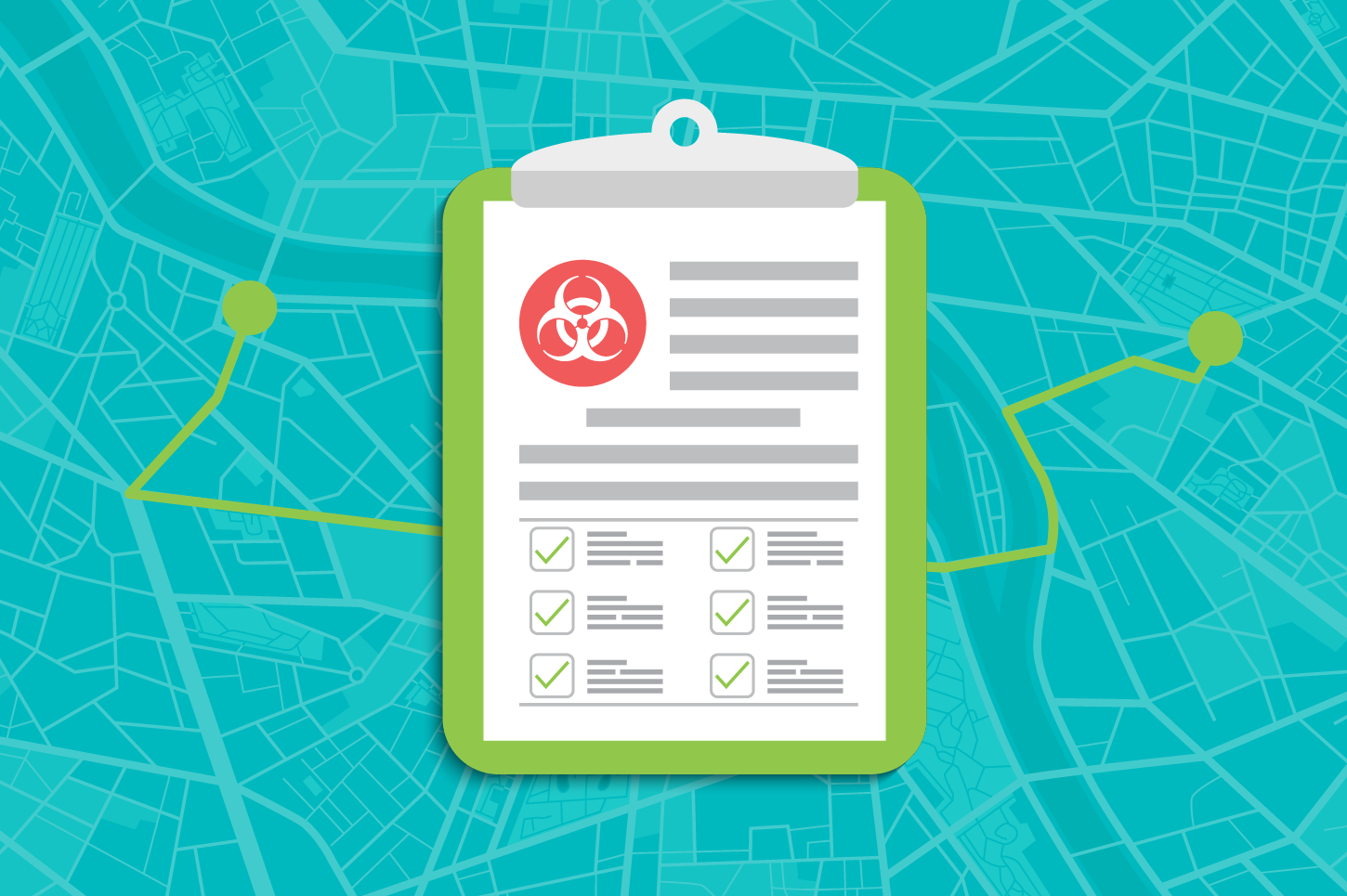
Are you unsure how long you need to keep hazardous waste manifests? This document is more than just paperwork—it’s a vital record that protects you and your business.
Keeping these manifests for the right amount of time can save you from costly fines and legal trouble. You’ll discover exactly how long you must hold onto these records and why it matters. Keep reading to make sure you stay compliant and avoid unnecessary headaches down the road.
Hazardous Waste Manifests Basics
Understanding the basics of hazardous waste manifests is essential for safe and legal waste management. These documents track hazardous waste from its origin to its final disposal site. They ensure that waste handlers follow strict rules and protect the environment and public health.
Every business that generates, transports, or disposes of hazardous waste must use these manifests. They provide clear records that help prevent illegal dumping and accidents. Knowing the key parts and purpose of these manifests aids in compliance and safety.
Purpose Of Manifests
Hazardous waste manifests serve as a tracking tool. They show the movement of waste from the generator to the disposal facility. This tracking helps confirm that waste reaches the right place.
Manifests also provide proof that waste was handled properly. They protect businesses from legal problems. Authorities use manifests to monitor waste management practices and enforce laws.
Key Components
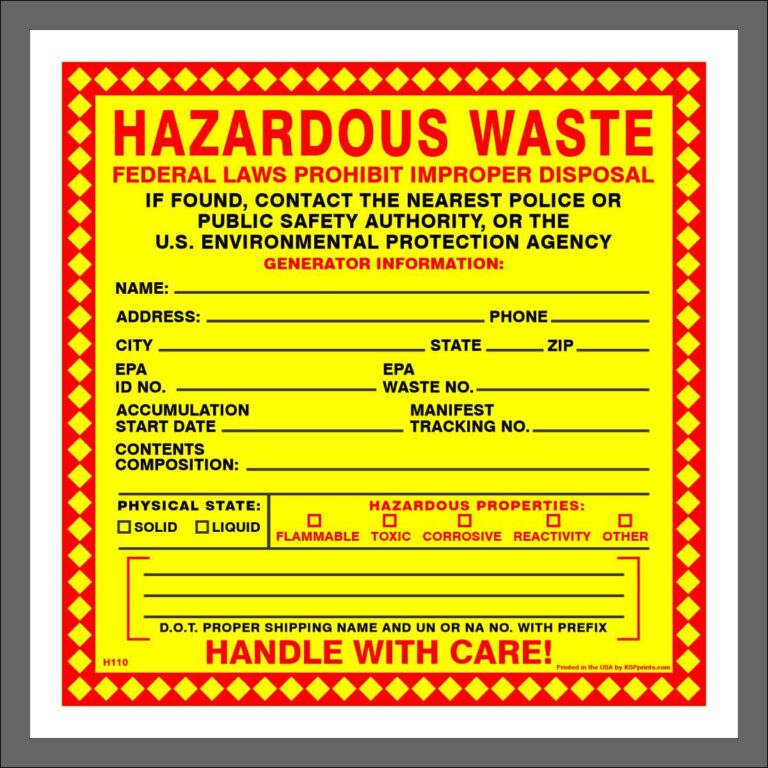
Manifests include detailed information about the waste and parties involved. Important elements are:
- Generator’s name, address, and EPA identification number
- Transporter’s details and vehicle information
- Description of the waste, including type and quantity
- Disposal facility’s name, address, and EPA ID number
- Signatures from all parties confirming receipt and transfer
- Dates of waste transfer and delivery
These components ensure transparency and accountability at every step.

Credit: www.danielshealth.com
Regulatory Retention Periods
Regulatory retention periods dictate how long hazardous waste manifests must be stored. These rules ensure proper tracking and accountability for waste management. Following retention guidelines helps avoid penalties and supports environmental safety. Understanding both federal and state rules is essential for compliance.
Federal Requirements
The U.S. Environmental Protection Agency (EPA) sets federal retention periods for hazardous waste manifests. Generators, transporters, and treatment facilities must keep manifests for at least three years. This period starts from the date the waste was accepted by the initial transporter. The three-year rule allows for inspections and audits by regulatory agencies.
During this time, manifests must be accessible and in good condition. Electronic or paper copies are both acceptable formats. If any discrepancies arise, the retention period may extend until the issue is resolved.
State Variations
States may impose different or longer retention periods than federal law. Some states require manifest retention for up to five years or more. These variations depend on local environmental policies and enforcement practices.
Businesses must check their state-specific regulations to ensure full compliance. State agencies often provide guidance on retention times and recordkeeping methods. Ignoring state rules can lead to fines or legal problems, even if federal requirements are met.
Factors Influencing Retention Time
The time hazardous waste manifests must be kept varies widely. Several key factors shape how long these records should remain accessible. Understanding these factors helps businesses comply with environmental rules and avoid penalties.
Retention time depends on the nature of the waste and the legal requirements tied to its management. Different wastes pose different risks, so regulations adjust the necessary record-keeping duration accordingly. Another important factor is the classification of the waste generator. This classification determines specific rules and affects how long manifests must be saved.
Type Of Waste
Hazardous wastes differ in toxicity, persistence, and risk. Some wastes break down quickly, while others remain harmful for years. Manifests for more dangerous or long-lasting wastes often require longer retention periods. For example:
- Ignitable or reactive wastes may need shorter retention than persistent chemical wastes.
- Radioactive or heavy metal wastes usually require longer record-keeping.
- Waste with unknown hazards often demands conservative, extended retention.
These variations ensure safety and environmental protection through proper tracking.
Generator Classification
Generators are sorted into categories based on waste volume and type. Common classifications include:
- Conditionally Exempt Small Quantity Generators (CESQGs)
- Small Quantity Generators (SQGs)
- Large Quantity Generators (LQGs)
Each category faces specific rules on manifest retention. Large Quantity Generators usually have the longest retention requirements due to the volume and risk of waste produced. Small generators may have shorter retention times, reflecting lower risk levels. These classifications guide how long businesses keep hazardous waste records safely and legally.

Credit: blog.wastebits.com
Recordkeeping Best Practices
Keeping hazardous waste manifests organized and accessible is essential for compliance and safety. Good recordkeeping practices can save you time and prevent costly mistakes. Let’s look at how you can store these important documents effectively and decide between digital and physical records.
Storage Methods
Choose a storage method that protects your manifests from damage and loss. Use fireproof cabinets or waterproof containers to keep physical copies safe. Label folders clearly so you can find what you need quickly during inspections or audits.
Think about who will access these records and how often. If multiple team members need to review manifests, consider a centralized location with controlled access. This keeps documents secure but available to authorized personnel.
Digital Vs. Physical Records
Digital records offer convenience and easy backup options. You can store manifests in cloud-based systems that allow instant sharing and reduce paper clutter. However, you must ensure strong cybersecurity measures to protect sensitive information.
Physical records provide a tangible backup and may be required by some regulatory agencies. But they can be lost or damaged if not stored properly. Would you trust a paper file during an emergency, or prefer a digital copy accessible from anywhere?
- Consider using both methods to cover all bases.
- Regularly update digital files and scan new physical documents.
- Train your team on proper handling and storage procedures.
Consequences Of Non-compliance
Failing to keep hazardous waste manifests as required can lead to serious consequences that affect both your business and the environment. You might think it’s just paperwork, but ignoring these rules can quickly spiral into costly problems. Understanding these risks helps you protect your operations and the community around you.
Legal Penalties
Not retaining hazardous waste manifests for the mandated period can trigger hefty fines. Regulatory agencies often impose penalties that range from thousands to tens of thousands of dollars per violation. These fines can add up fast if your records are incomplete or missing over multiple inspections.
Beyond fines, you could face legal action, including lawsuits or suspension of your business license. This disrupts your operations and damages your reputation. Have you ever considered how a simple lapse in documentation could shut down your facility?
Environmental Risks
Improper record-keeping can lead to mishandling or misplacement of hazardous waste. This increases the risk of spills, leaks, or improper disposal that harm soil, water, and air quality. Even a small mistake can cause long-term environmental damage that’s expensive and difficult to fix.
Keeping thorough manifests ensures you track waste from start to finish. This accountability helps prevent accidents and protects public health. What steps are you taking to make sure your waste doesn’t become tomorrow’s environmental crisis?
Tips For Efficient Manifest Management
Managing hazardous waste manifests efficiently is more than just a legal requirement—it saves time, reduces stress, and prevents costly mistakes. Keeping your manifests organized and regularly reviewed can make a huge difference in how smoothly your operations run. Let’s look at practical tips that you can apply right away to keep your hazardous waste records in top shape.
Organizational Strategies
Start by creating a dedicated system for your manifests. Use clearly labeled folders or digital files sorted by date, waste type, or generator ID. This simple step helps you find any document quickly when you need it.
Consider using spreadsheet software to track manifest details. You can add columns for dates, transporters, and disposal sites, making it easy to spot missing or expired manifests. Have you tried color-coding your files? It’s a quick visual cue that helps prioritize which manifests need attention.
Don’t forget to back up digital records regularly. Losing critical paperwork can lead to compliance issues and fines. Cloud storage or external drives provide a safety net, so your data stays safe even if your primary system fails.
Regular Audits
Set a routine for auditing your manifests, such as monthly or quarterly checks. This habit catches errors early, like incomplete forms or missing signatures, before they become bigger problems.
Use a simple checklist during audits to ensure every required field is filled out correctly. You might be surprised how often small mistakes slip through when you’re busy. Have a colleague review your audits to get a fresh perspective and catch anything you missed.
Tracking audit results over time reveals patterns that can improve your process. For example, if you notice recurring issues with a particular transporter’s paperwork, you can address it directly with them. What’s your current audit process missing that could make compliance easier?
Credit: www.securewaste.net
Frequently Asked Questions
How Long Must Hazardous Waste Manifests Be Kept?
Hazardous waste manifests must be kept for at least three years. This retention period ensures compliance with EPA regulations. It allows for proper tracking and auditing of waste disposal activities.
Who Enforces Hazardous Waste Manifest Retention Rules?
The Environmental Protection Agency (EPA) enforces hazardous waste manifest retention requirements. State environmental agencies may also oversee compliance. Failure to keep manifests can lead to fines and penalties.
Can Hazardous Waste Manifest Retention Exceed Three Years?
Yes, some states require hazardous waste manifests to be kept longer than three years. Check local regulations for specific retention periods. Extended retention supports thorough environmental monitoring and record-keeping.
What Information Is Included In A Hazardous Waste Manifest?
A hazardous waste manifest includes waste type, quantity, generator and transporter details, and disposal facility information. It tracks waste movement from generation to disposal. Accurate manifests are crucial for regulatory compliance.
Conclusion
Keeping hazardous waste manifests is important for safety and law. Most rules say keep them for three years after waste is accepted. This helps track waste and avoid problems. Proper record-keeping protects your business and the environment. Always check local laws for exact time requirements.
Stay organized and update your records often. This small effort can save big trouble later. Remember, clear records make handling hazardous waste safer and easier.

Similar Posts