How Much Do People Spend on Christmas Gifts: Unveiled

Have you ever wondered how much people actually spend on Christmas gifts? Whether you’re trying to set a budget or just curious about holiday shopping habits, knowing the average spending can help you plan smarter.
Imagine avoiding last-minute stress and surprise costs by understanding what others typically spend. You’ll discover eye-opening facts and practical tips that can change the way you approach gift-giving this season. Keep reading to find out how your spending compares and how you can make the most of your holiday budget.

Credit: medium.com
Average Spending Trends
Understanding average spending trends on Christmas gifts can help you plan your budget wisely. Tracking these trends reveals how much people typically allocate for gifts and what influences these decisions. Are you curious how your spending compares to the average or what factors might affect your gift budget this year?
Historical Spending Patterns
Over the past decade, average Christmas gift spending has steadily increased. In 2010, the average American spent around $400, while recent years have seen figures climb closer to $900. This rise reflects changing consumer habits and the growing popularity of gift-giving during the holidays.
Interestingly, spending spikes notably during economic booms but dips during downturns. Remember how your family tightened budgets during the last recession? That’s a common trend seen across many households.
Yearly Growth In Gift Budgets
Year-over-year, gift budgets tend to grow by about 3-5%, depending on the economy. This steady increase shows people’s willingness to spend a bit more each year on loved ones. Even small increments add up; if you start with $500, a 5% increase means an extra $25 to spend next year.
It’s useful to track these changes so you can adjust your plans accordingly. Have you noticed if your gift budget has increased recently? If not, it might be time to reconsider your holiday spending strategy.
Impact Of Economic Factors
Economic conditions heavily influence how much people spend on Christmas gifts. Inflation, job security, and interest rates can either encourage or limit holiday spending. For example, higher inflation often leads to more cautious budgets as everyday costs rise.
During tough economic times, you might see more people opting for thoughtful, less expensive gifts or DIY presents. How do you balance wanting to give well with staying financially smart during uncertain times?

Credit: www.angeladvance.co.uk
Spending By Demographics
Understanding how different groups spend on Christmas gifts can help you budget smarter and maybe even inspire fresh ideas for your own shopping list. Spending habits vary widely depending on factors like age, gender, and where people live. Let’s break down these differences so you get a clearer picture of what to expect or consider this holiday season.
Age Groups And Gift Budgets
Younger adults, especially those between 18 and 34, tend to spend less on gifts compared to older age groups. This might be because many are still building their careers or managing student loans. On the other hand, people aged 35 to 54 often allocate bigger budgets for gifts, partly due to having more disposable income and family responsibilities.
Interestingly, seniors over 65 usually spend less on gifts but focus more on meaningful or personalized presents. You might ask yourself if your spending reflects your priorities or if there’s room to shift towards more thoughtful gifts rather than just expensive ones.
Gender Differences In Spending
Women generally spend more on Christmas gifts than men, often because they take on the role of primary gift buyers in many households. They tend to buy for a wider range of people, including friends, coworkers, and extended family. Men, however, might spend more on fewer individuals, focusing on partners or children.
Have you noticed how your gift list compares? Are you covering many people with smaller gifts, or fewer people with more expensive ones? Being aware of these patterns can help you plan better and avoid last-minute splurges.
Regional Variations
Where you live influences your Christmas gift budget significantly. Urban areas often see higher spending due to higher incomes and greater access to a variety of stores and experiences. In contrast, rural regions may have lower average spending but a strong focus on handmade or locally sourced gifts.
In the U.S., for example, people in the Northeast tend to spend more on gifts than those in the South or Midwest. This could be due to cultural traditions or economic factors. Think about how your location affects your gift shopping habits and whether you’re aligning your budget with your community’s norms or setting your own path.
Popular Gift Categories
Understanding where people spend their money on Christmas gifts can help you plan your budget better. Popular gift categories often reflect current trends and personal preferences, making them a good starting point for your holiday shopping. Let’s look at some of the top categories and why they attract so much attention.
Electronics And Gadgets
Electronics remain a favorite for many during the holiday season. Items like smartphones, headphones, and smart home devices often top wish lists. These gifts can be pricey, but they offer lasting value and excitement.
Think about the last time you unwrapped a new gadget—didn’t it feel special? You might want to consider practical tech gifts, such as wireless chargers or fitness trackers, which are affordable and useful.
Clothing And Accessories
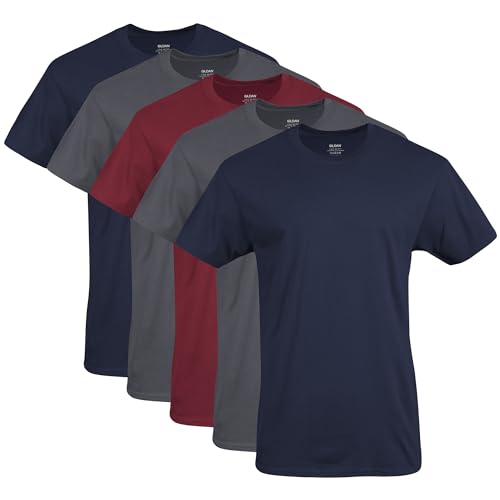
Clothing and accessories are classic gifts that suit almost anyone on your list. From cozy sweaters to stylish scarves, these items offer both comfort and personal style. Many shoppers prefer this category because it allows for a personal touch without breaking the bank.
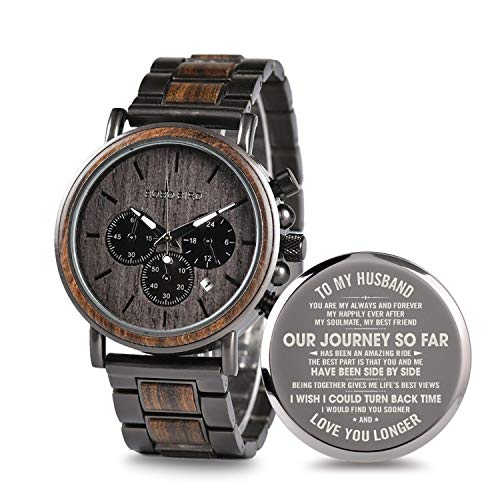
Have you ever received a gift that instantly became your favorite outfit? That’s the power of well-chosen clothing. Accessories like watches or handbags also add a thoughtful flair to your gift-giving.
Toys And Games
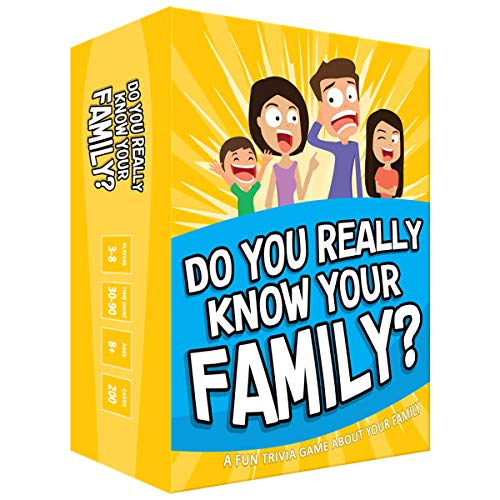
Toys and games are top picks for kids and adults alike. Board games, puzzles, and the latest action figures or video games bring fun and entertainment during the holidays. Spending on this category often spikes as families look to create memorable moments together.
Do you remember a game that sparked hours of laughter and connection? Choosing interactive gifts can make your holiday gathering even more special.
Experiences And Gift Cards
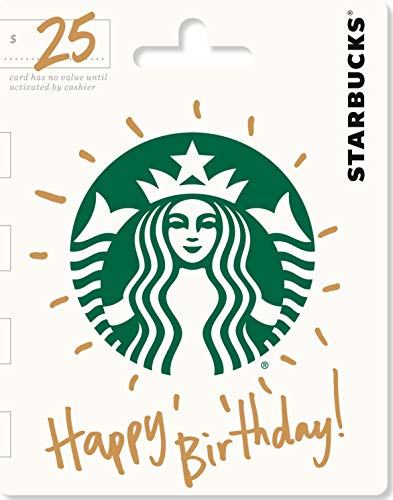
Many people now prefer giving experiences or gift cards instead of physical items. Concert tickets, spa days, or cooking classes offer unique memories rather than material things. Gift cards also provide flexibility, letting recipients pick exactly what they want.
Have you ever received an experience that changed your perspective or brought you joy? These gifts can feel more personal because they focus on creating moments, not just possessions.

Credit: www.instagram.com
Influence Of Shopping Channels
Shopping channels shape how much people spend on Christmas gifts. They affect convenience, price, and choice. Each channel offers unique benefits that influence buyer behavior and budgets.
In-store Vs Online Purchases
In-store shopping offers a hands-on experience. Shoppers see and touch gifts before buying. This often leads to impulse purchases and higher spending.
Online shopping provides more convenience. Buyers compare prices easily and shop anytime. It often leads to lower spending due to easy access to deals.
Role Of Black Friday And Cyber Monday
Black Friday and Cyber Monday boost holiday spending significantly. Shoppers wait for big sales on these days. These events encourage buying gifts earlier and in larger quantities.
Many people plan their budgets around these sales. Discounts motivate purchases that might not happen otherwise. These days set the tone for total Christmas spending.
Use Of Discounts And Promotions
Discounts and promotions drive gift buying decisions. Shoppers look for coupons, bundle deals, and flash sales. These offers can increase spending by encouraging more purchases.
Retailers use promotions to attract budget-conscious buyers. Buyers often spend more to meet minimums for free shipping. Deals create a sense of urgency and value.
Psychology Behind Spending
Understanding why people spend what they do on Christmas gifts involves more than just budgets and price tags. The choices you make during the holiday season are deeply rooted in psychology. These choices often reflect your emotions, social influences, and the marketing messages you encounter daily.
Emotional Drivers
Spending on gifts often connects to feelings like love, gratitude, and the desire to create joy. You might buy an expensive gift because it makes you feel closer to someone or helps express your appreciation. Sometimes, the act of giving itself brings happiness, encouraging you to spend more than planned.
Have you ever noticed how you feel proud or satisfied after finding the perfect gift? This emotional reward can push you to shop beyond your initial budget. Recognizing this can help you control impulsive spending and focus on meaningful presents.
Social Pressure And Expectations
Holiday spending is also shaped by the expectations of family, friends, and society. You may feel the need to match or exceed what others give to avoid feeling left out or judged. This pressure can lead to buying gifts that don’t truly fit the recipient or your finances.
Think about how you decide on gift amounts for different people. Are you influenced by what others might give or receive? Being aware of these pressures helps you make choices that align with your values, not just social norms.
Impact Of Marketing
Marketing strategies during the holiday season are designed to make you want to spend more. Advertisements highlight limited-time offers, exclusive items, and emotional stories that connect products to happiness and success. This constant exposure can make you feel urgency and fear of missing out.
Retailers use colors, music, and imagery to trigger excitement and nostalgia, encouraging you to buy. Recognizing these tactics gives you power to shop with intention and avoid unnecessary purchases. Next time you see a flashy deal, pause and ask if it fits your true gift-giving goals.
Tips To Manage Gift Spending
Managing gift spending during Christmas helps keep your budget in check. Careful planning can reduce stress and avoid debt. Smart choices make gift-giving enjoyable and affordable.
Setting A Budget
Start by deciding a total amount for gifts. Divide this amount among family and friends. Stick to these limits to avoid overspending. Use cash or a separate card to track expenses.
Creative Gift Ideas
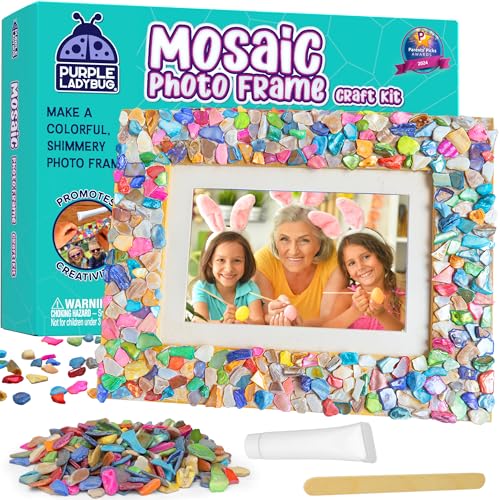
Personalized gifts show thoughtfulness without high costs. Consider handmade items or DIY gifts. Experiences like tickets or a shared meal create lasting memories. Group gifts with others to share costs.
Avoiding Overspending
Make a list of recipients and planned gifts. Compare prices online before buying. Watch for sales, but buy only what you need. Avoid last-minute shopping to prevent impulse buys. Remember, meaningful gifts don’t have to be expensive.
Frequently Asked Questions
How Much Do People Spend On Christmas Gifts Yearly?
On average, people spend around $800 to $1,000 on Christmas gifts annually. This varies by income, family size, and location. Spending tends to increase during economic upswings and holiday sales.
What Influences Christmas Gift Spending Habits?
Gift spending is influenced by income level, family traditions, marketing, and social expectations. Seasonal discounts and personal budgets also play key roles in determining how much people spend.
Do Spending Trends On Christmas Gifts Change Yearly?
Yes, spending trends change yearly due to economic conditions, inflation, and consumer confidence. Online shopping growth and gift preferences also impact yearly spending patterns.
How Do People Budget For Christmas Gifts?
Many people set a fixed budget before shopping to control expenses. They prioritize recipients and look for deals, coupons, and sales to stay within budget.
Conclusion
People spend different amounts on Christmas gifts each year. Some buy small, thoughtful presents. Others spend more on family and friends. Budgets depend on income and tradition. Planning helps avoid overspending and stress. Remember, giving is about love, not cost.
Thoughtful gifts bring joy without breaking the bank. Celebrate the season with kindness and care. Enjoy the spirit of giving, not just the gifts.

Similar Posts