Is Manifestation against Christianity: Exploring Beliefs
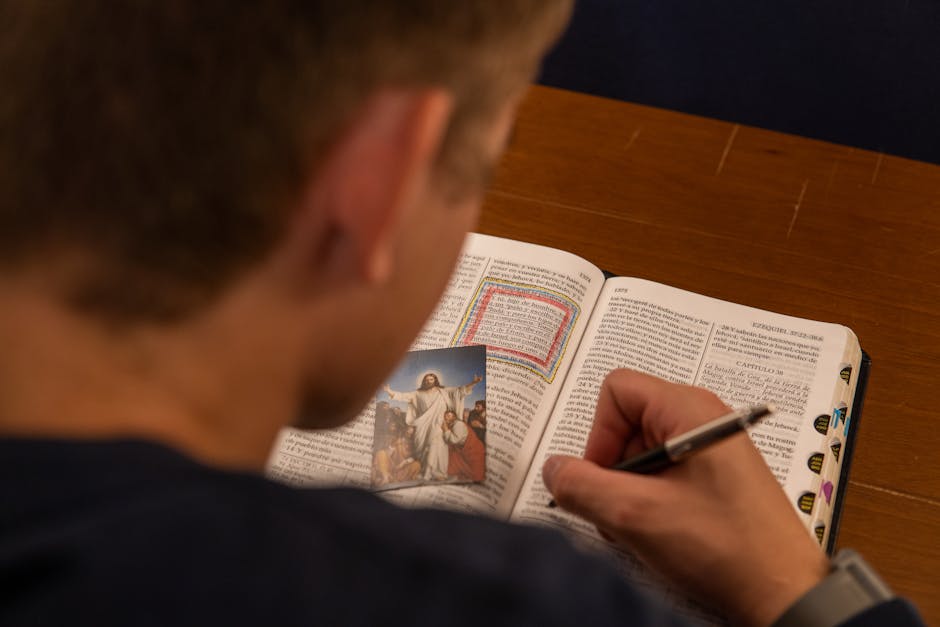
Have you ever wondered if manifestation clashes with your Christian faith? You’re not alone.
Many people ask whether using manifestation techniques goes against Christian beliefs. This question is important because you want to stay true to your faith while exploring new ideas. You’ll discover clear answers and thoughtful insights that help you understand how manifestation and Christianity can relate—or if they truly conflict.
Keep reading to find out what this means for your spiritual journey.

Credit: healing-sounds.com
Manifestation In Modern Culture
Manifestation has become a buzzword in modern culture, popping up everywhere from social media feeds to self-help books. It’s often presented as a way to shape your reality through focused thought and belief. But how does this idea fit within the framework of Christianity, and why has it gained such widespread appeal?
Origins And Popularity
The concept of manifestation draws heavily from New Thought philosophy and Eastern spirituality, blending ideas about energy, attraction, and positive thinking. It gained mainstream popularity in the early 21st century, especially after books like “The Secret” made it accessible to a broad audience.
Social media influencers and celebrities further boosted its reach by sharing personal success stories linked to manifestation practices. This visibility makes you wonder: Are these stories about real spiritual power, or just the result of focused goal-setting wrapped in mystical language?
Common Practices And Techniques
Manifestation often involves techniques like visualization, affirmations, and creating vision boards. You might find people spending time daily imagining their goals as if they’ve already happened, repeating positive statements to rewire their mindset.
Another popular method is journaling with intention—writing down desires as a way to clarify and commit to them. These practices encourage focus and optimism, which can be powerful motivators.
- Visualization:Picture your goals in vivid detail.
- Affirmations:Repeat positive statements about yourself and your future.
- Vision Boards:Use images to represent your dreams and keep them in sight.
- Journaling:Write your intentions clearly and regularly.
Have you noticed how these techniques overlap with goal-setting strategies you might already use? Could the real value lie less in mystical claims and more in how they help you focus your energy and actions?

Credit: www.biblestudytools.com
Christian Doctrines On Spiritual Power
Christian doctrines teach that spiritual power comes from God alone. It is not something humans create or control by themselves. This belief shapes how Christians view prayer, faith, and divine help. Understanding these ideas helps clarify whether manifestation fits within Christianity.
Biblical Views On Prayer And Faith
Prayer is a key way Christians connect with God. The Bible encourages believers to pray with faith and trust in God’s will. Faith means believing God hears and answers prayers according to His plan. It is not about forcing outcomes but trusting God’s timing and wisdom.
Faith is described as a gift from God, not a tool to manipulate reality. The Bible warns against using faith selfishly or to gain power over others. Instead, faith should grow love, patience, and obedience to God’s word.
Role Of Divine Intervention
Christians believe God intervenes in human lives to guide and help. This intervention is a sign of His love and mercy. It is never guaranteed on demand or by human effort alone. God’s actions are based on His divine purpose, not human desires.
Divine intervention often comes through prayer, the Holy Spirit, or circumstances. Christians accept that God’s power works beyond human understanding. This belief encourages humility and reliance on God rather than personal control.
Points Of Conflict
Understanding the points of conflict between manifestation and Christianity helps you see why some believers feel uneasy about blending the two. These conflicts often arise from differing views on power, control, and worship. Let’s examine key areas where manifestation practices challenge core Christian beliefs.
Manifestation Vs. God’s Sovereignty
Manifestation encourages you to shape your reality through your thoughts and intentions. This idea can clash with the Christian belief that God is sovereign—meaning He controls everything according to His will. If you try to manifest outcomes independently, you might unintentionally place your desires above God’s plan.
Have you ever noticed how manifestation focuses on personal power? Christians worry this may lead to ignoring God’s authority and timing. Trusting God means accepting that He knows what’s best, even if it doesn’t match your immediate wishes.
Potential For Idolatry
Manifestation often elevates your own mindset or desires to a powerful force. This can blur the line between healthy faith and idolatry, where something other than God becomes the center of your trust and worship. When your focus shifts to “making things happen” through your will, it risks replacing God as the ultimate source of help.
Think about what you truly rely on when facing challenges. Is it God’s guidance or your ability to manifest success? This subtle shift may seem harmless but can deeply affect your spiritual life. Remaining aware of where your faith is placed helps you avoid this dangerous trap.
Credit: healing-sounds.com
Supportive Christian Perspectives
Many Christians find that manifestation aligns well with their faith rather than opposes it. This perspective highlights how manifestation can be a natural extension of trusting God’s plan and actively expressing faith. It opens the door to a deeper connection with God by focusing your thoughts and actions on His promises.
Manifestation As Faith Expression
Manifestation can be seen as a way to express your faith actively. Instead of waiting passively, you declare your trust in God’s goodness and believe that He will provide. This approach echoes biblical passages where faith is linked to speaking life and hope into your situation.
Think about how Jesus told His followers to have faith as small as a mustard seed. Manifestation practices can reflect this by encouraging you to hold onto hope and speak positive intentions rooted in scripture. It’s not about controlling outcomes but partnering with God through your mindset and actions.
Aligning Intentions With Scripture
Aligning your manifestation goals with Scripture ensures that your desires are grounded in God’s will. You can ask yourself: Are my intentions loving, just, and beneficial for myself and others? This reflection helps keep your manifestation practice in harmony with Christian values.
For example, praying for peace, healing, or strength directly aligns with biblical teachings. Using scripture verses as affirmations can reinforce your faith and keep your focus on God’s promises. This alignment turns manifestation into a spiritual discipline rather than a mere wishful thinking exercise.
Critics Within Christianity
Within Christianity, there are voices that question the practice of manifestation. These critics often come from a place of deep faith and concern for maintaining the core teachings of Christianity. Their caution revolves around how manifestation fits—or conflicts—with biblical principles and Christian worldview.
Concerns About New Age Influences
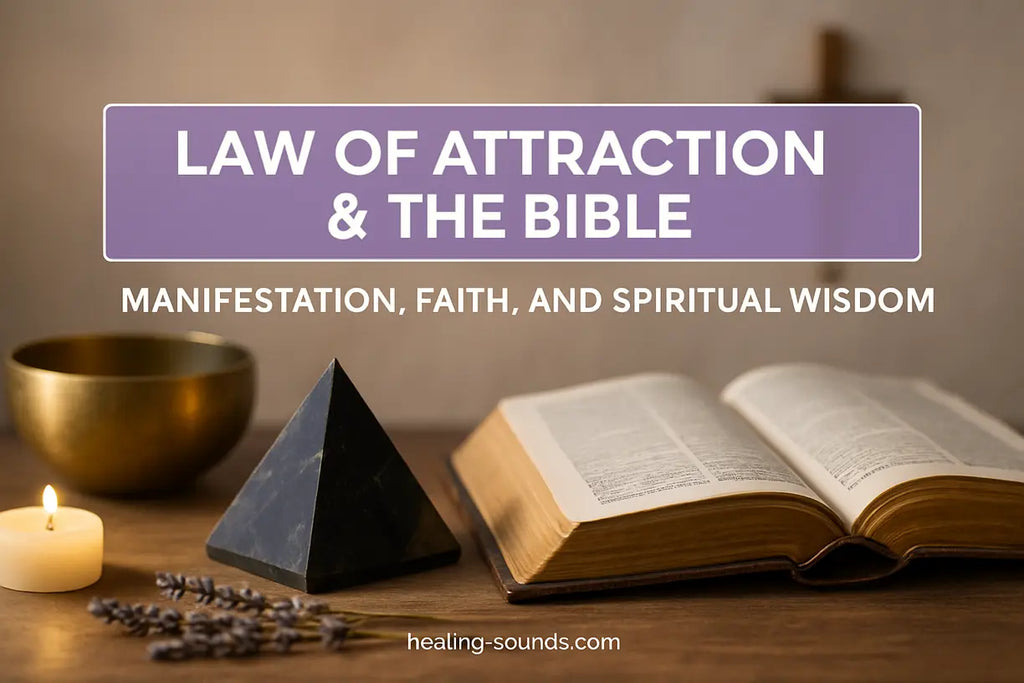
Many Christian critics point out that manifestation borrows heavily from New Age ideas. These include concepts like the Law of Attraction, which suggests you can control reality through positive thinking alone.
This clashes with the Christian belief that God, not human willpower, ultimately governs life’s outcomes. Some Christians worry that embracing manifestation might lead you away from trusting God’s plan.
One believer shared how they tried manifestation techniques but felt spiritually empty afterward. They realized their faith was stronger when relying on prayer and scripture, rather than trying to “create” their own reality.
Warnings Against Self-centered Beliefs
Critics also caution that manifestation can promote a self-focused mindset. Christianity encourages humility and serving others, while manifestation sometimes emphasizes personal gain above all else.
Does focusing on your desires risk overlooking the needs of your community or the call to sacrifice? Some Christians argue that manifestation encourages you to put yourself first, which can lead to spiritual pride.
One pastor warned that when you seek only what benefits you, you might miss out on deeper spiritual growth. The challenge is balancing your hopes with a willingness to accept God’s will, even if it differs from your own plans.
Balancing Faith And Manifestation
Balancing faith and manifestation requires understanding both deeply. Faith is trust in God’s plan, while manifestation often means focusing thoughts to create reality. Some see these ideas as opposing, but they can work together. Finding harmony means respecting spiritual beliefs and using positive mindset tools wisely.
Integrating Prayer With Positive Thinking
Prayer connects believers with God, asking for guidance and help. Positive thinking encourages hope and confidence in facing challenges. Combining both creates a strong spiritual practice. Prayer can be the foundation, while positive thoughts support the journey.
For example, praying for strength and then thinking positively about solutions can bring peace. This blend respects faith and encourages a hopeful outlook. It does not replace God’s will but supports trust in His plan.
Discernment And Spiritual Guidance
Discernment helps decide what aligns with Christian values. Not all manifestation teachings fit with faith. Spiritual guidance from pastors or mentors can clarify doubts. They offer wisdom to avoid ideas that conflict with scripture.
Using discernment means asking questions like:
- Does this practice honor God?
- Is it based on trust in Jesus?
- Will it lead to good or harm?
Spiritual leaders help interpret experiences and keep faith strong. This ensures manifestation efforts remain grounded in Christian beliefs.
Frequently Asked Questions
Is Manifestation Compatible With Christian Beliefs?
Manifestation can align with Christian beliefs if seen as trusting God’s plan. It should focus on faith and prayer, not solely personal desires. Christians emphasize surrendering to God’s will rather than controlling outcomes through manifestation techniques.
Does Christianity Oppose The Law Of Attraction?
Christianity does not explicitly oppose the law of attraction. However, it encourages relying on God’s guidance instead of self-focused desires. The law of attraction may conflict with Christian teachings if it promotes selfishness or ignores divine purpose.
Can Christians Practice Manifestation Safely?
Christians can practice manifestation safely by integrating prayer and scripture. They should seek God’s direction and avoid focusing only on material gains. Manifestation becomes spiritual when it aligns with Christian values of faith, humility, and trust in God.
What Are Christian Views On Positive Thinking And Manifestation?
Christianity supports positive thinking when rooted in faith and hope in God. Manifestation purely based on personal power may contradict Christian reliance on God’s sovereignty. Positive thinking should inspire trust in God’s promises rather than self-centered ambition.
Conclusion
Manifestation and Christianity can have different views. Some see no conflict between faith and positive thinking. Others feel manifestation may distract from trusting God. It depends on personal beliefs and understanding. Christianity focuses on prayer and God’s will. Manifestation often focuses on personal desires and actions.
Both encourage hope and positive attitude. Choose what feels true to your heart. Respect different opinions and seek your own path. Faith and mindset can work together with balance. Keep your beliefs clear and stay open to learning.

Similar Posts