Is There Tax on Gift Cards: What You Need to Know

Have you ever wondered if you owe taxes when you receive or give a gift card? It’s a common question that can be confusing.
You want to enjoy your gift without worrying about hidden costs or unexpected bills. Understanding the tax rules around gift cards can save you money and stress. Keep reading to uncover the truth about gift card taxes and how they might affect you.
Don’t miss out on this important information that could change the way you think about gift cards forever.
Gift Card Basics
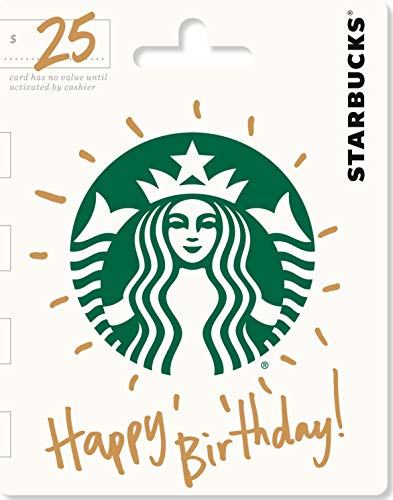
Gift cards have become a popular choice for gifts and personal spending. They offer convenience and flexibility, but many people wonder about the tax implications involved. Understanding the basics of gift cards can help you navigate their use and avoid surprises.
Types Of Gift Cards
Gift cards come in different forms, and knowing the type you have is important. There are:
- Store-specific gift cards:Usable only at a particular retailer or chain.
- General-purpose gift cards:Issued by banks or credit card companies and accepted anywhere that card brand is accepted.
- Promotional gift cards:Often given as rewards or incentives, sometimes with restrictions on use.
Each type can have different terms and tax considerations, so it’s important to read the fine print.
How Gift Cards Work
Gift cards store a prepaid amount of money that you can use later to purchase goods or services. You add money upfront, and then spend it until the balance reaches zero.
When you buy a gift card, you’re essentially buying a promise to pay rather than a product. This means the tax rules can vary depending on the card’s type and usage.
Have you ever wondered if the money loaded on a gift card is taxed, or if you owe taxes when you use it? These questions often come up because gift cards blur the line between cash and credit.

Credit: community.shopify.com
Tax Rules On Gift Cards
Gift cards are popular gifts and convenient payment options. Understanding tax rules on gift cards can help avoid surprises. Taxes on gift cards depend on when and how they are used. The rules vary for purchase, redemption, and income situations.
Sales Tax At Purchase
Buying a gift card usually does not include sales tax. The card is just a payment tool, not a product. Sales tax applies when the gift card is used to buy goods or services. The store charges tax based on the items bought, not on the card itself.
Tax When Redeeming
Tax applies during redemption, not at the card purchase. When you use a gift card to pay, the seller adds sales tax. The tax rate depends on local laws and the items purchased. Gift cards work like cash in this step, so tax rules are the same.
Gift Card As Income
Gift cards received as payment or rewards can count as income. The value of the card may be taxable. Employers must report gift cards given to employees as income. For personal gifts, tax usually does not apply unless large amounts are involved.
Gift Cards And Gift Tax
Gift cards are popular presents because they let recipients choose what they want. But you might wonder: do these cards trigger any gift tax? Understanding how gift cards fit into gift tax rules can save you from unexpected tax bills.
Gift Tax Limits
The IRS sets a yearly gift tax exclusion limit. In 2024, you can give up to $17,000to any person without paying gift tax or filing a gift tax return.
If the total value of gift cards you give to one person in a year stays below this limit, you won’t owe any gift tax. But if you exceed $17,000, you must report it, even if you don’t owe tax right away.
Reporting Requirements
When your gifts go over the annual limit, the IRS requires you to file Form 709, the United States Gift (and Generation-Skipping Transfer) Tax Return.
This form tracks your lifetime gift tax exemption. You only pay gift tax once your total gifts exceed this lifetime amount, which is over $12 million for most people.
Keep good records of gift card amounts and recipients. This makes filing easier and helps avoid IRS questions later.

Credit: www.reddit.com
State-specific Tax Laws
Tax rules on gift cards vary by state. Each state has its own laws about sales tax and gift card usage. Some states tax the purchase of gift cards, while others tax only when the card is spent. Understanding these differences helps avoid surprises.
States also differ in how they treat gift cards for income or gift tax purposes. Knowing your state’s rules ensures proper reporting and compliance.
Variations By State
Some states tax gift card purchases like regular goods. Others treat gift cards as cash and do not tax them upfront. For example:
- California does not charge sales tax when buying a gift card.
- Texas may apply sales tax when the card is used to buy taxable items.
- Florida taxes the sale of gift cards only in certain situations.
States may also have different rules for e-gift cards versus physical cards. Always check specific state regulations before purchasing.
Local Tax Considerations
Local governments can add extra layers of tax on gift cards. Cities or counties might have sales tax rates that differ from the state rate.
Some local areas apply taxes at the point of sale or when gift cards are redeemed. This means the total tax can vary within the same state.
Consumers should review both state and local tax rules. This helps to understand the full tax impact on gift cards.
Business Use Of Gift Cards
Businesses often use gift cards as a tool to reward employees, attract customers, or promote products. Gift cards serve multiple purposes like incentives, gifts, or sales promotions. Understanding the tax rules for gift cards helps companies avoid penalties and manage finances better.
Tax Implications For Businesses
Gift cards sold or given by businesses have specific tax rules. The value of gift cards is usually not taxed at the time of purchase. Instead, tax applies when the card is redeemed for goods or services. Businesses must collect sales tax based on the item or service bought using the gift card.
For employee rewards, gift cards may be considered taxable income. Employers should report these as wages and withhold applicable taxes. Different rules apply depending on the country or state. Businesses must check local tax laws carefully to stay compliant.
Accounting For Gift Cards
Gift cards are recorded as a liability on the balance sheet. This reflects the company’s obligation to provide products or services later. When a gift card is sold, the business credits the liability account and debits cash or accounts receivable.
When customers redeem gift cards, the business reduces the liability and records revenue. Tracking unredeemed gift cards is important. Some businesses recognize breakage income for cards never used after a set period.
- Record gift card sales as liabilities
- Recognize revenue upon redemption
- Monitor unused card balances
- Follow breakage revenue rules if applicable
Proper accounting ensures accurate financial reporting and tax compliance. Many accounting software programs include features to track gift cards efficiently.
Avoiding Common Tax Mistakes
Understanding tax rules on gift cards helps avoid costly errors. Many people miss simple steps that lead to tax problems. Clear records and expert advice protect from mistakes. Staying organized reduces stress during tax season.
Proper Documentation
Keep all receipts and records related to gift cards. Note the purchase date, amount, and recipient details. Store electronic copies for easy access. This helps prove transactions if tax questions arise. Good documentation supports accurate tax reporting.
Consulting Tax Professionals
Tax laws change often and can be confusing. A tax professional knows current rules about gift cards. They offer advice tailored to your situation. This guidance prevents errors and saves money. Consult them before filing taxes for peace of mind.

Credit: www.facebook.com
Frequently Asked Questions
Is Buying Gift Cards Subject To Sales Tax?
Generally, buying gift cards is not subject to sales tax. Tax applies when the gift card is redeemed for taxable goods or services, not at purchase. This rule varies by state, so always check local tax laws.
Are Gift Card Redemptions Taxable Income?
Gift card redemptions are usually not taxable income for recipients. The IRS treats them as personal gifts, not income. However, if the card is received as payment for work or services, it may be taxable.
Do Businesses Pay Tax On Gift Card Sales?
Businesses typically do not pay tax when selling gift cards. Tax is collected when customers use cards to buy taxable items. This simplifies tax reporting for businesses and aligns with state tax regulations.
Can Gift Cards Be Used To Avoid Sales Tax?
No, using gift cards does not avoid sales tax. Tax is applied based on the items or services purchased with the card. Gift cards are simply a payment method, not a tax exemption tool.
Conclusion
Gift cards usually do not have tax when you buy them. Taxes may apply when you use the card to buy items. Different states and countries have different tax rules. Always check local laws to avoid surprises. Knowing this helps you plan your spending better.
Gift cards stay a simple and flexible gift option. Keep this in mind for your next purchase. Understanding tax basics makes shopping easier and smarter.

Similar Posts