Safe Crystal Yoni Egg Cleansing: No Boil Guide
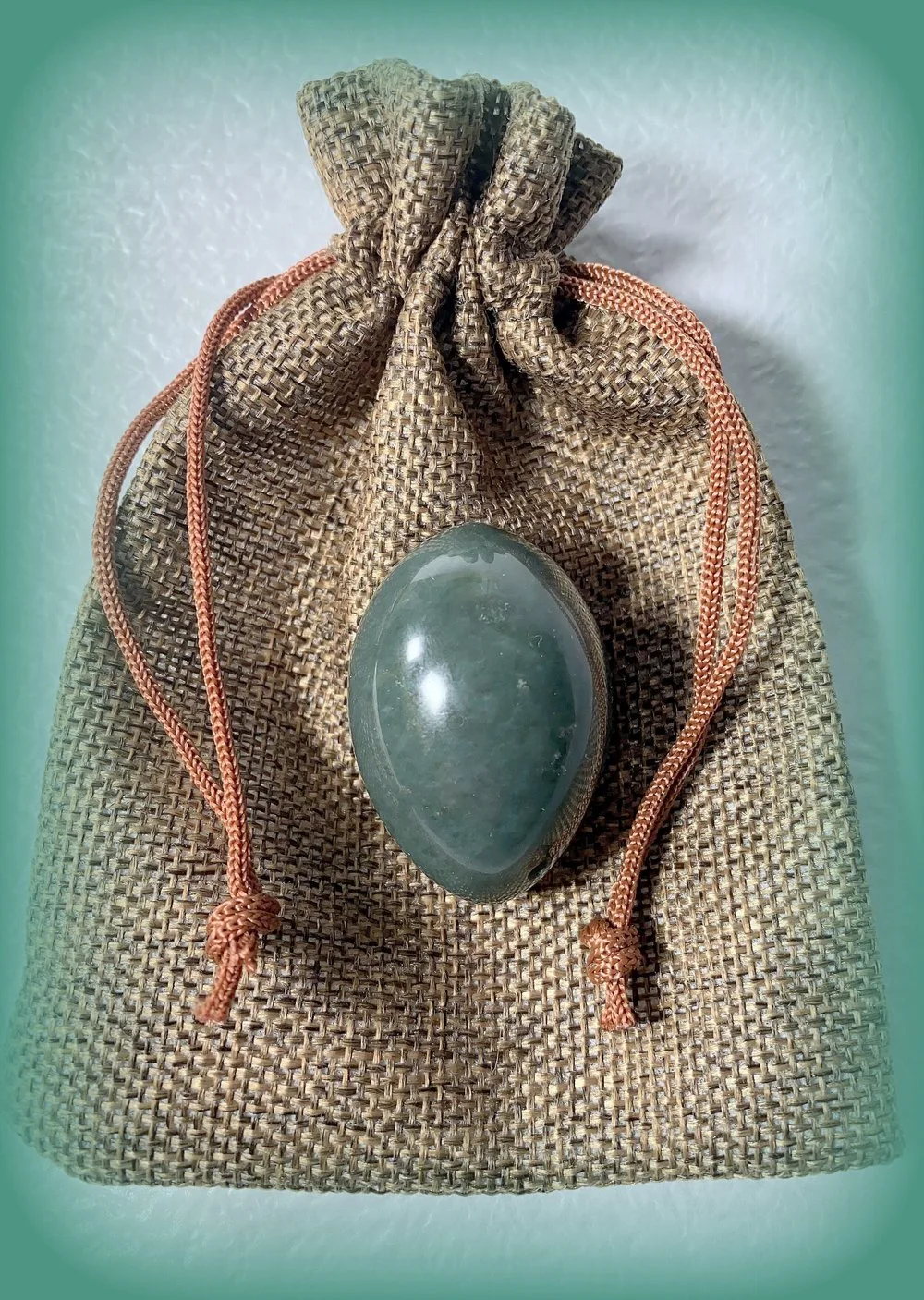
Figuring out how to cleanse crystal yoni egg safely without boiling is tricky because most guides ignore the material science behind your stone. You can’t just toss a porous gem into soapy water and expect it to stay sanitary or intact. The method you choose depends entirely on whether your egg absorbs moisture or repels it.
Boiling risks cracking delicate stones and damaging any attached cords. It also fails to reach deep pores where bacteria hide. We’ve seen too many users ruin expensive nephrite or selenite by treating them like medical-grade silicone.
Let’s break down the specific protocols that protect both your health and your crystal’s integrity as of 2026.
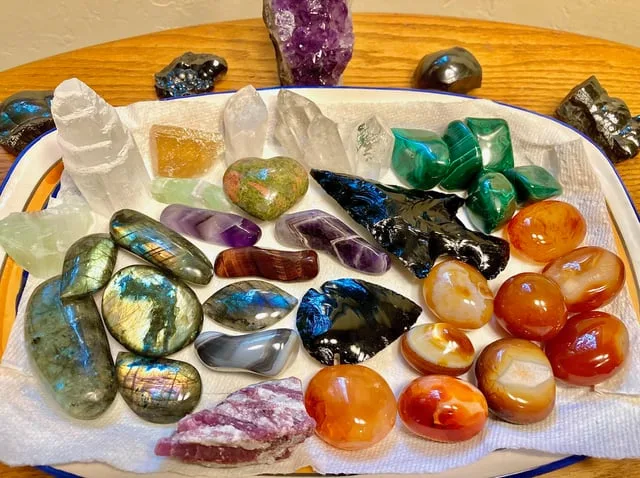
Image source: Web (Bing) / withgoodintentions.com.au (Web image (fair-use with source credit))
Why Boiling Is Off the Table for Most Crystal Yoni Eggs
Many people assume heat kills all germs, but that logic doesn’t hold up for natural minerals. Boiling introduces thermal shock, which causes micro-fractures in crystals with internal stress points. These tiny cracks become breeding grounds for biofilm that no amount of scrubbing can remove later.
Furthermore, high temperatures degrade organic materials often found in yoni eggs. If your egg has a silk or cotton retrieval cord, boiling will weaken or rot the fibers. This compromises the safety mechanism designed to help you retrieve the egg easily.
A snapped cord during use is a serious medical hazard.
Manufacturer specifications indicate that natural jade and quartz vary widely in stability. Unlike non-porous glass or silicone, these stones have unique crystalline structures. Some react poorly to rapid temperature changes.
Others contain iron deposits that oxidize when heated excessively, leading to permanent rust stains inside the stone.
Finally, boiling does not sanitize porous surfaces effectively. Water cannot penetrate deep enough to kill anaerobic bacteria trapped within the mineral lattice. You end up with a hot, potentially cracked stone that still harbors pathogens.
This makes boiling an inefficient and risky choice for intimate wellness tools made from natural earth materials.
The Critical Split: Non-Porous vs. Porous Stones
Before you pick a cleaning agent, you must identify your stone’s porosity. This distinction dictates everything about how you clean and store your egg. Using the wrong method can permanently damage the surface or introduce harmful residues.
Non-porous stones have tight molecular structures that resist liquid absorption. They sit higher on the Mohs Hardness Scale, typically above 6.5. Common examples include polished Clear Quartz, Jadeite, and Obsidian.
These surfaces allow for wet cleaning methods because liquids remain on top rather than soaking in.
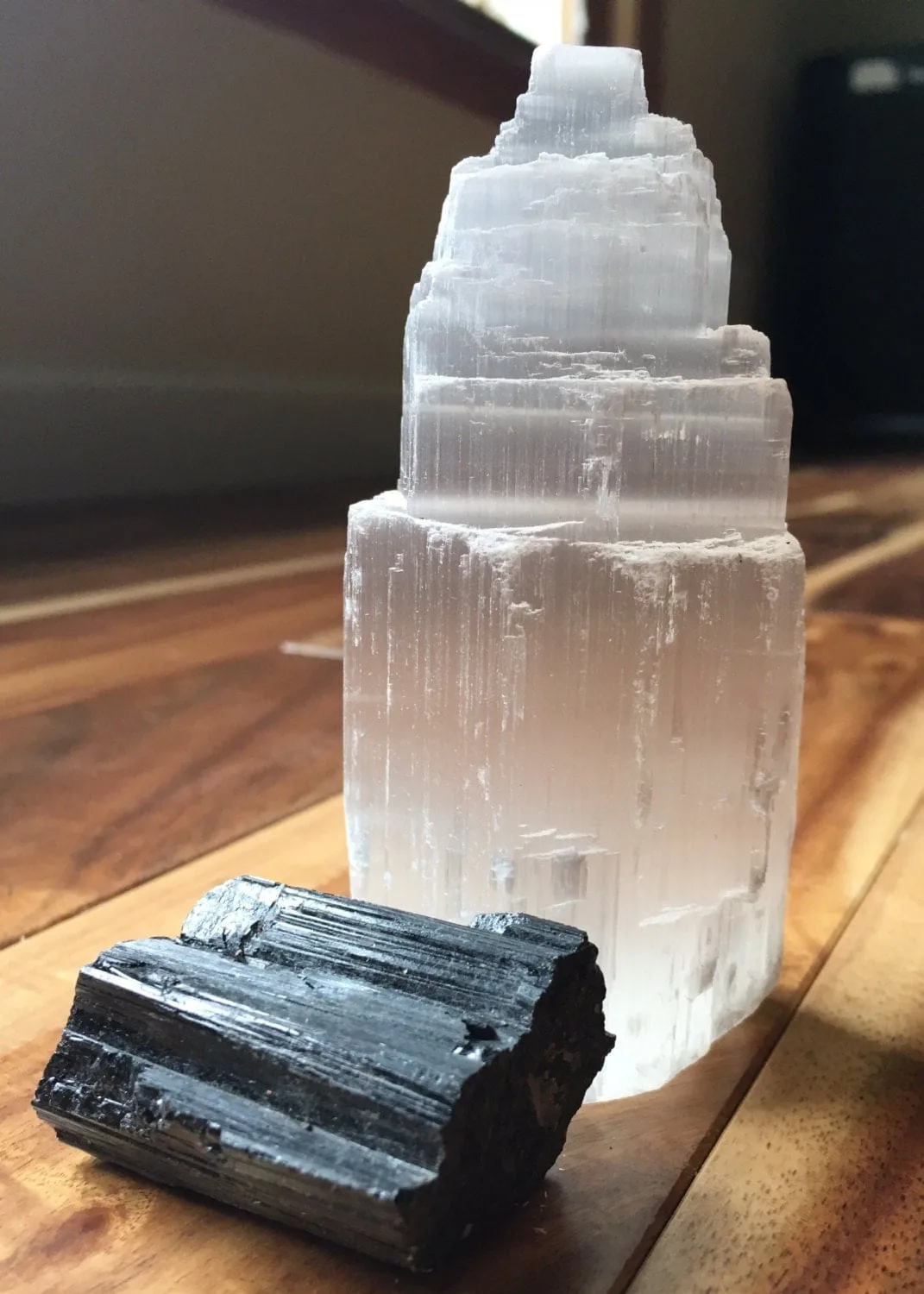
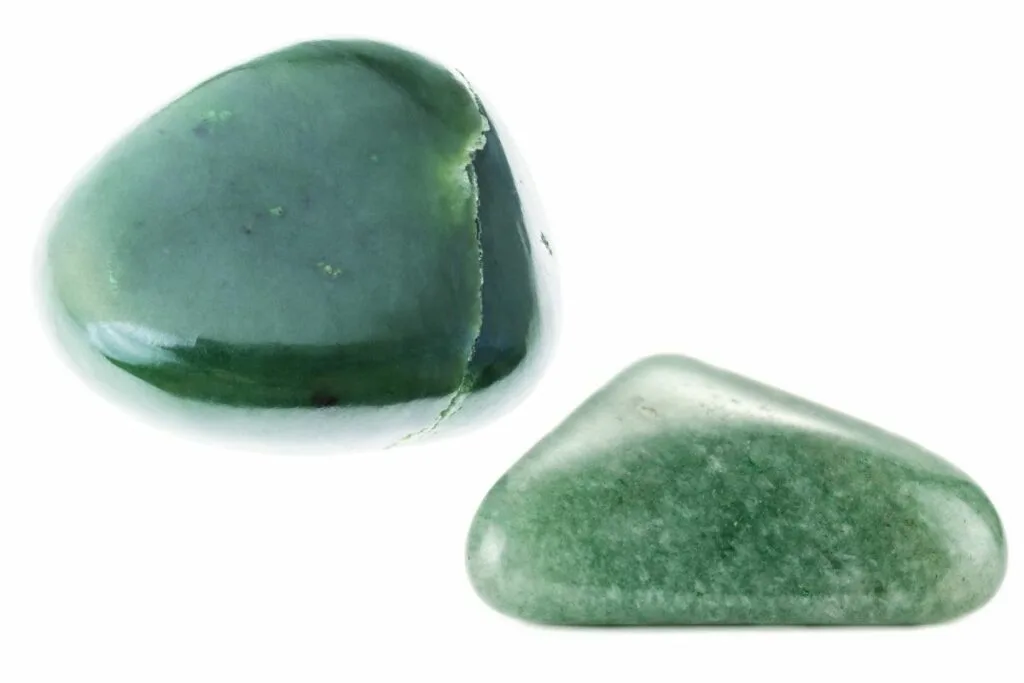
Porous stones absorb moisture and oils readily. Their internal structure contains microscopic voids that trap fluids. Selenite, unpolished Nephrite Jade, and some varieties of Amethyst fall into this category.
Water enters these pores and becomes difficult to remove completely. Trapped moisture encourages mold growth and bacterial colonization over time.
You can test porosity using a simple droplet check if you’re unsure. Place a single drop of distilled water on an inconspicuous area. Wait five minutes.
If the bead remains spherical, the stone is likely non-porous. If it spreads or disappears, the stone absorbs liquid. Treat it as porous to be safe.
| Stone Type | Porosity Level | Recommended Cleaning Method | Risk Factor |
|---|---|---|---|
| Polished Clear Quartz | Low (Non-Porous) | Mild Soap & Warm Water | Surface scratching only |
| Jadeite (Polished) | Low (Non-Porous) | Alcohol Wipe or Soap | None significant |
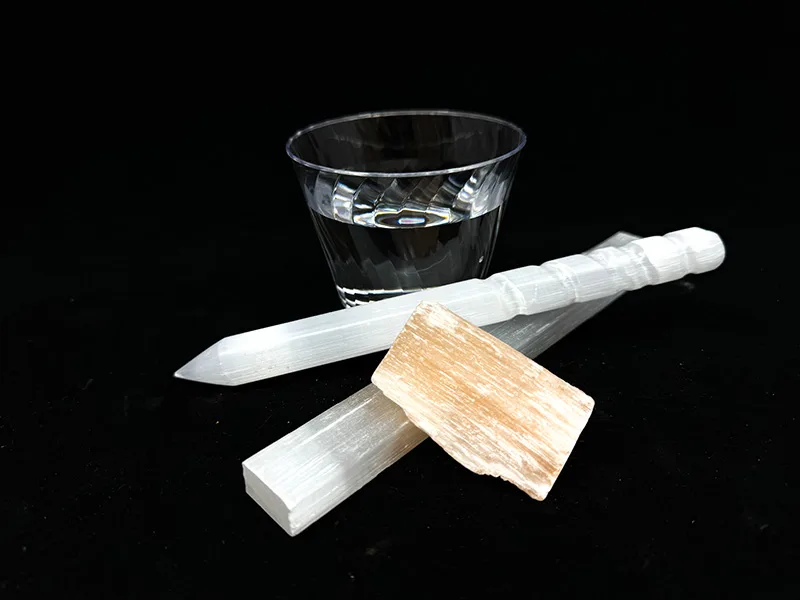
| Selenite | High (Porous) | Dry Cloth / Smoke Only | Dissolves in water |
| Unpolished Nephrite | Medium-High | Limited Water / Quick Dry | Moisture retention |
| Amethyst (Raw/Cracked) | Variable | Avoid Submersion | Crack expansion |
Understanding this split prevents irreversible damage. Never submerge a porous stone. Always prioritize dry or minimal-contact methods for those varieties.
For non-porous options, you have more flexibility but must still avoid harsh abrasives that dull the polish.
Step-by-Step: Safely Cleaning Non-Porous Crystals (Quartz, Jadeite)
Cleaning non-porous crystals requires attention to detail to ensure true sanitation. Follow these steps precisely after every intimate use. Skipping any part increases infection risk significantly.
- Rinse Immediately: Use lukewarm distilled water. Hot water may cause slight expansion issues even in stable stones. Cold water might not dissolve bodily fluids effectively. Lukewarm strikes the balance.
- Apply Mild Cleanser: Use a fragrance-free, pH-neutral soap. Avoid antibacterial soaps with triclosan, as residues can irritate sensitive mucosal tissue. A gentle castile soap works well.
- Scrub Gently: Use a soft-bristled toothbrush dedicated solely to this purpose. Focus on the string hole area if present. Debris accumulates there quickly. Do not use abrasive pads or steel wool.
- Rinse Thoroughly: Ensure all soap residue is gone. Leftover detergent disrupts vaginal pH balance and causes irritation upon next use. Rinse for at least thirty seconds under running water.
- Sanitize (Optional): For extra assurance, wipe the surface with 70% isopropyl alcohol. Let it air dry completely. Alcohol evaporates quickly and leaves no residue. Do not soak the egg in alcohol.
- Dry Completely: Pat dry with a lint-free microfiber cloth. Allow it to air dry in a well-ventilated space for at least one hour before storage. Moisture left on the surface promotes bacterial growth.

Per CDC guidelines on device hygiene, thorough drying is critical. Bacteria thrive in damp environments. Even non-porous stones can harbor microbes in crevices or near the cord attachment point.
Inspect the surface regularly for chips or scratches. Damaged areas become impossible to clean properly. Discard any egg with visible structural compromise.
Step-by-Step: Dry-Cleaning Protocols for Porous Stones (Selenite, Unpolished Jade)
Porous stones demand a different approach. Water is their enemy. Once absorbed, it rarely fully escapes, creating a dark, moist interior ideal for mold.
You must rely on mechanical removal and energetic resetting instead of chemical washing.
Start with a dry, soft-bristled brush. Gently sweep away any visible debris or dried fluids. Work in the direction of the grain if the stone has a fibrous structure, like Selenite.
Brushing removes surface contaminants without introducing moisture.
Next, use a slightly damp cloth only if necessary. Dampen a microfiber towel with distilled water. Wring it out until it is barely moist.
Wipe the surface lightly. Do not rub hard. Immediate drying is crucial here.
Follow up instantly with a dry section of the cloth. Buff the stone gently to remove residual moisture.
For deeper sanitization concerns, rely on smoke cleansing. White sage or Palo Santo sticks produce antimicrobial compounds in their smoke. Hold the egg in the smoke stream for sixty seconds per side.
This method reduces surface bacteria without touching the stone with liquids. Ensure the room is ventilated to avoid inhaling excessive particulate matter.
Never use salt water on porous stones. Salt crystals expand as they dry, causing internal fracturing. This leads to sudden shattering or unsightly white veining.
Similarly, avoid essential oils. They stain porous rock and are difficult to remove. Stains alter the aesthetic value and can trap dirt in the pigment.
Store porous eggs separately from other jewelry. They scratch easily and absorb odors from nearby items. Keep them in breathable cotton pouches.
Avoid plastic bags, which trap ambient humidity. Check the storage environment monthly for signs of discoloration or dampness. If you notice black spots, the stone is compromised and should be retired from intimate use.
Immediate Post-Use Hygiene: Preventing Biofilm and Infection
Time matters more than technique when it comes to immediate post-use care. Bodily fluids contain proteins and sugars that feed bacteria rapidly. Within twenty minutes, biofilm begins to form on surfaces.
This slimy layer protects microbes from standard cleaning agents.
Rinse your egg within five minutes of removal. Delay allows fluids to dry and bind tightly to the stone’s surface. Dried secretions are harder to remove and require aggressive scrubbing.
Aggressive scrubbing damages finishes and creates micro-abrasions where new bacteria hide.
Always wash your hands thoroughly before handling the egg post-use. Transfer of skin flora to the intimate tool introduces foreign pathogens. Use an antibacterial hand soap.
Dry your hands completely before picking up the cleaned egg. Wet hands reintroduce moisture to sanitized surfaces.
Inspect the cord or loop carefully. Fibers fray over time, creating pockets for bacteria. Replace frayed cords immediately.
Do not attempt to repair them with glue or knots. Structural failure during insertion poses severe health risks. Manufacturer warranties typically cover defects but not wear-and-tear damage from improper cleaning.
Keep a dedicated cleaning station ready. Having supplies accessible reduces the temptation to skip steps. Store your soap, brushes, and cloths together.
Label them clearly to prevent cross-contamination with household kitchen items. Separation ensures hygiene standards remain high. Consistency builds habits that protect your reproductive health long-term.
Common Mistakes That Ruin Your Egg’s Integrity
Users often confuse energetic cleansing with physical sanitation. Burning sage smells nice, but it doesn’t kill E. coli or yeast. Relying solely on smoke for hygiene is a dangerous shortcut.
Always perform the wet or dry cleaning steps first. Use smoke only as a secondary, optional ritual afterward.
Another frequent error is using household cleaners. Bleach and ammonia are toxic to mucosal tissue. Even diluted solutions leave residues that cause severe irritation.
Stick to pH-neutral soaps or 70% isopropyl alcohol. Never use vinegar on calcite-based stones like Selenite. The acid dissolves the mineral structure instantly.
Ignoring the retrieval cord is also risky. Many people wash the stone but neglect the string. Fibers trap bacteria and degrade quickly when damp.
Replace cotton cords every six months. Switch to medical-grade silicone loops if possible. They resist moisture and clean easily without fraying.
Finally, storing eggs while damp invites mold. High humidity accelerates microbial growth in porous materials. Always ensure the stone is bone-dry before pouching.
Check your storage area for condensation. If you live in a tropical climate, consider adding silica gel packets to the pouch. This simple step prevents unwanted biological hazards.
Storage and Long-Term Maintenance Tips
Proper storage extends the life of your crystal yoni egg significantly. Keep each egg in its own breathable container. Cotton or linen pouches work best.
Avoid synthetic fabrics that generate static electricity. Static attracts dust particles that can scratch polished surfaces over time.
Separate your eggs from other jewelry. Harder stones like Quartz can scratch softer ones like Calcite. Store them in individual compartments within a larger box.
This prevents accidental chipping during movement. Label the containers if you have multiple stones. It helps track usage frequency and cleaning schedules.
Inspect your eggs monthly for structural changes. Look for new cracks, chips, or discoloration. Porous stones may darken where moisture was trapped.
Non-porous stones might develop cloudy patches from chemical exposure. Any sign of degradation means retirement from intimate use. Do not risk infection with compromised tools.
Rotate your stock if you own several eggs. Constant use wears down specific areas faster. Giving each stone rest periods allows any residual moisture to evaporate fully.
This practice maintains optimal hygiene conditions. It also preserves the aesthetic quality of the minerals. Treat them with respect, and they’ll serve you longer.
Frequently Asked Questions
Can I use ultrasonic cleaners for yoni eggs?
No, never use ultrasonic devices. The high-frequency vibrations shatter brittle crystals. They also force water into micro-cracks in porous stones.
This causes internal expansion and eventual breakage. Manual cleaning is the only safe method for natural minerals.
How often should I replace my yoni egg?
Replace it immediately if cracked or chipped. Otherwise, inspect annually for wear. Porous stones last shorter due to moisture retention.
Non-porous quartz can last years with proper care. Silicone alternatives offer better longevity for daily heavy use.
Is moonlight cleansing sufficient for hygiene?
Moonlight provides energetic resetting only. It has no antibacterial properties. UV light from the sun kills some germs, but it fades colors.
Neither replaces soap and water. Always sanitize physically before relying on lunar rituals.
What if my egg has a metal ring?
Remove the metal part if detachable. Clean the stone separately. Metal rings can corrode or harbor bacteria in seams.
Ensure the connection point is dry. Corrosion stains porous stones permanently. Check manufacturer guidelines for mixed-material assemblies.
Can two people share one egg?
Absolutely not. Sharing introduces cross-infection risks. STIs transmit via bodily fluids on surfaces.
Sterilization methods for natural stones aren’t hospital-grade. Each user needs their own dedicated egg. Privacy and safety demand individual ownership.

Similar Posts