Was Manifest Destiny Justified: Examining Historical Ethics
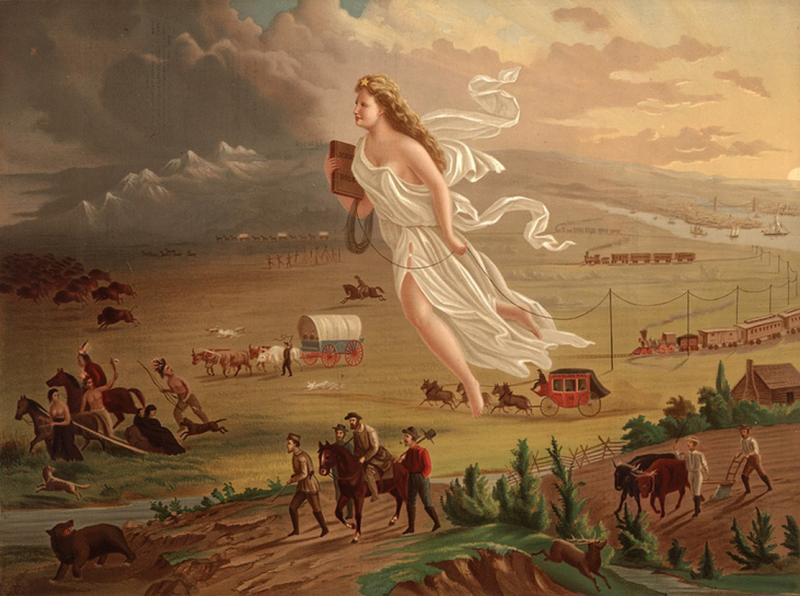
Have you ever wondered if Manifest Destiny was truly justified? This idea shaped the course of American history, pushing the nation to expand its borders from coast to coast.
But was this drive for growth fair and right, or did it come at too high a cost? You’ll discover the key arguments on both sides, helping you form your own opinion about this powerful chapter in history. Keep reading to uncover the truth behind Manifest Destiny and what it means for your understanding of America’s past.
Roots Of Manifest Destiny
The roots of Manifest Destiny lie deep in America’s 19th-century history. This belief shaped the nation’s growth and identity. It pushed the United States to expand its borders across the continent. Understanding these roots helps explain why many Americans supported such expansion.
Political Climate In 19th Century America
In the early 1800s, America was young and growing fast. Politics focused on expanding the nation’s land and influence. Leaders believed more territory meant more power. The idea of spreading democracy also played a key role.
Many politicians supported westward expansion. They saw it as a way to strengthen the country. Conflicts with Native Americans and foreign powers added urgency to expansion plans.
Economic Motivations
Land meant opportunity. Farmers wanted new soil to grow crops. Traders and businessmen looked for new markets and resources. The economy depended on growth and new land helped fuel that growth.
Gold and other minerals attracted settlers. Railroads and transportation improved, making expansion easier. The promise of wealth motivated many people to move west.
Cultural And Religious Influences
Many Americans believed they had a special mission. They thought their culture and religion were superior. This belief justified taking land and spreading their way of life.
Religious groups saw westward expansion as a chance to spread Christianity. They believed they were helping others by bringing their faith and values. This mindset fueled support for Manifest Destiny across the nation.
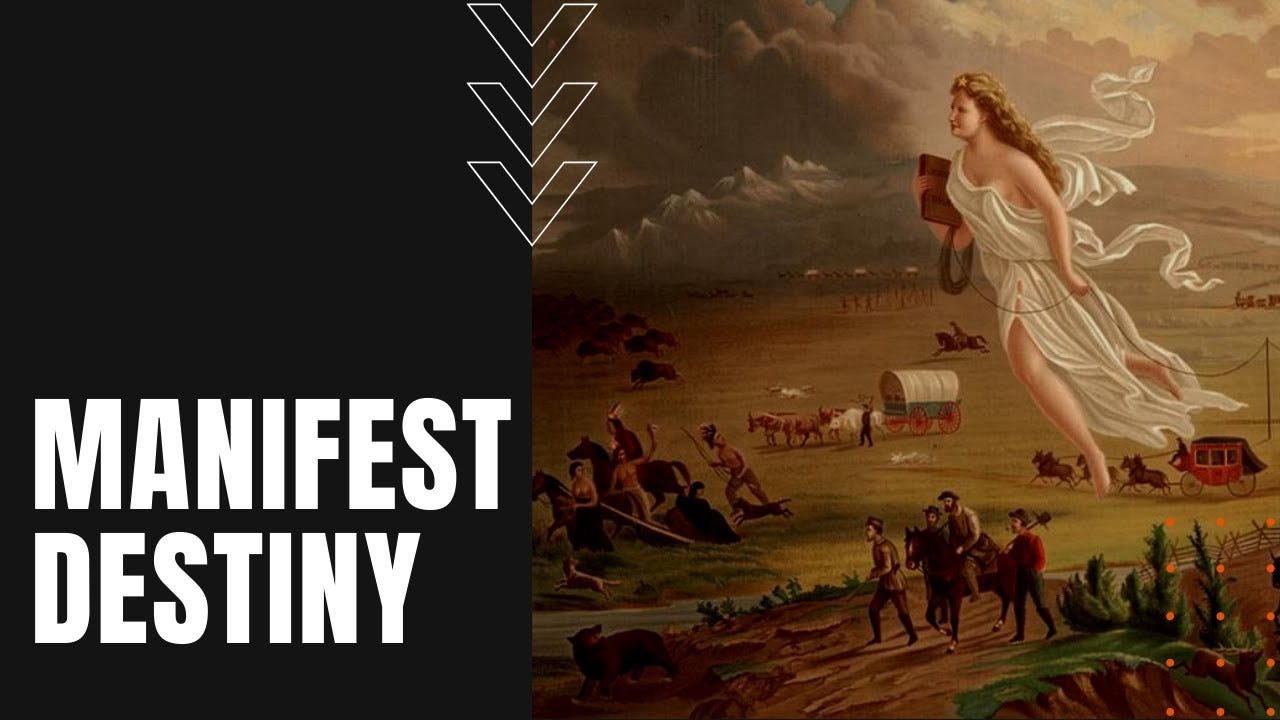
Credit: pastorbhart.medium.com
Territorial Expansion And Its Impact
Territorial expansion shaped the United States during the 19th century. It fueled growth but also caused deep conflicts and suffering. The desire to spread across the continent changed the nation’s borders and lives forever.
Acquisition Of Land
The U.S. gained vast lands through treaties, purchases, and wars. The Louisiana Purchase doubled the country’s size. The annexation of Texas and the Oregon Trail opened new frontiers. The Mexican-American War led to the Treaty of Guadalupe Hidalgo. It added California, Arizona, and more.
Effect On Indigenous Peoples
Expansion pushed Native Americans off their ancestral lands. Forced removals like the Trail of Tears caused great pain. Many tribes lost homes, food sources, and cultural sites. Conflicts and broken promises deepened mistrust. Indigenous communities faced survival challenges and displacement.
Relations With Mexico
Territorial ambitions sparked tensions with Mexico. The annexation of Texas caused war. Battles were fought over disputed borders. Mexico lost nearly half its territory. This shift changed power in North America. It left lasting bitterness between the two nations.
Moral Arguments Of The Era
The debate over whether Manifest Destiny was justified often centered on the moral arguments of the era. These arguments reveal the deep convictions and conflicting values held by Americans at the time. Understanding these perspectives helps you grasp why Manifest Destiny was embraced by many and fiercely opposed by others.
Justifications By Supporters
Supporters believed Manifest Destiny was a divine mission. They saw it as America’s duty to spread democracy and civilization across the continent. This belief was rooted in the idea that the United States had a special role to play in human progress.
Many argued that expanding the nation would bring economic opportunity and freedom to new lands. They claimed that the country’s growth would benefit everyone by spreading American values. This sense of purpose made the idea feel not just political but moral.
Opposition Voices
Opponents challenged the morality of Manifest Destiny on several grounds. They warned that expansion often meant violence and displacement of Native Americans and Mexicans. For them, the cost in human suffering outweighed any potential benefits.
Some critics also feared that expanding slavery into new territories would deepen national divisions. They questioned whether territorial gain was worth the ethical compromises involved. Their voices remind you that moral clarity was far from unanimous during this time.
Role Of Racial And Cultural Beliefs
Racial and cultural ideas deeply shaped the moral arguments on both sides. Many supporters believed in the racial superiority of Anglo-Americans and used this belief to justify taking land from Indigenous peoples. This mindset framed expansion as a natural and righteous process.
At the same time, cultural misunderstandings fueled conflicts and hardened attitudes. People often viewed those with different customs or languages as obstacles to progress. These beliefs influenced policies and actions that you might see today as unjust or biased.
Long-term Consequences
The long-term consequences of Manifest Destiny shaped the United States in many ways. It altered political power, changed Native American lives, and left a lasting legacy. These effects still influence America today.
Shifts In U.s. Political Power
Manifest Destiny expanded the U.S. across the continent. New states joined the Union, changing political balance. Power shifted toward the West and South. Debates over slavery grew intense. These conflicts contributed to the Civil War. Expansion also increased federal government influence. The nation grew stronger but faced new tensions.
Impact On Native Communities
Native American tribes lost vast lands during this period. Many were forced to move far from their homes. Treaties were often broken or ignored. Traditional ways of life were disrupted. Diseases and violence devastated Native populations. The effects of displacement last for generations. This caused deep wounds in Native communities.
Legacy In Modern America
Manifest Destiny shaped the country’s borders and identity. Ideas of expansion and opportunity became part of American culture. Yet, it also left a history of conflict and injustice. Issues of land rights and racial inequality continue today. Understanding this legacy helps us face current challenges. The past still echoes in modern America’s story.
Ethical Analysis From Modern Perspectives
Evaluating Manifest Destiny through today’s ethical lens reveals complex questions about justice and morality. The concept, once celebrated as America’s divine right, now invites scrutiny about who truly benefited and who suffered. Understanding these modern perspectives challenges you to rethink the historical narrative and its impact on human dignity.
Human Rights Considerations
Manifest Destiny led to the displacement and suffering of many Indigenous peoples. Their rights to land, culture, and self-determination were often ignored or violated. You might ask yourself: can expansion justified by destiny ever excuse the loss of basic human rights?
Modern human rights frameworks emphasize respect and protection for all individuals. This clashes with the historical reality where Native Americans faced forced removal and violence. Reflecting on these facts urges you to consider how history might have been different if human rights had been prioritized.
Imperialism And Colonialism
Manifest Destiny shares key traits with imperialism and colonialism, such as imposing control over territories and peoples. It raises the question: was this expansion a form of aggressive domination masked as progress?
Examining Manifest Destiny alongside other colonial ventures highlights patterns of exploitation and cultural erasure. You can see how economic interests and racial superiority shaped policies that ignored the sovereignty of native populations. This perspective challenges you to differentiate between growth and oppression.
Reevaluating Historical Narratives
History often celebrates Manifest Destiny as a heroic chapter of American progress. But who tells these stories matters greatly. Whose voices are missing, and how does that absence shape your understanding?
Reevaluating history means including the perspectives of Indigenous peoples and other marginalized groups. Their stories reveal the costs behind the expansionist ideals. When you question the dominant narrative, you open the door to a more honest and inclusive view of the past.

Credit: www.reddit.com

Credit: www.bibleodyssey.org
Frequently Asked Questions
What Was The Main Goal Of Manifest Destiny?
Manifest Destiny aimed to expand the United States across North America. It promoted territorial growth from the Atlantic to the Pacific Ocean. This belief justified westward expansion in the 19th century.
Was Manifest Destiny Morally Justified?
Manifest Destiny is debated morally. Supporters saw it as a divine right to expand. Critics highlight the displacement of Native Americans and conflicts caused by expansion.
How Did Manifest Destiny Impact Native Americans?
Manifest Destiny led to forced removals and loss of Native lands. It caused significant cultural disruption and population decline among Indigenous peoples.
Did Manifest Destiny Contribute To The Civil War?
Yes, Manifest Destiny intensified sectional tensions. New territories raised debates over slavery expansion, contributing to the eventual Civil War.
Conclusion
Manifest Destiny shaped the United States in many ways. It brought growth but also caused harm. People gained new lands and opportunities. Yet, others lost homes and rights. The idea mixed hope with conflict. Understanding both sides helps us learn from history.
The debate about its justice continues today. What mattered most were the people affected. History shows that progress often has costs. We must think carefully about past actions. This helps guide better choices for the future.

Similar Posts