What are Manifestos: Unveiling Their Power and Purpose
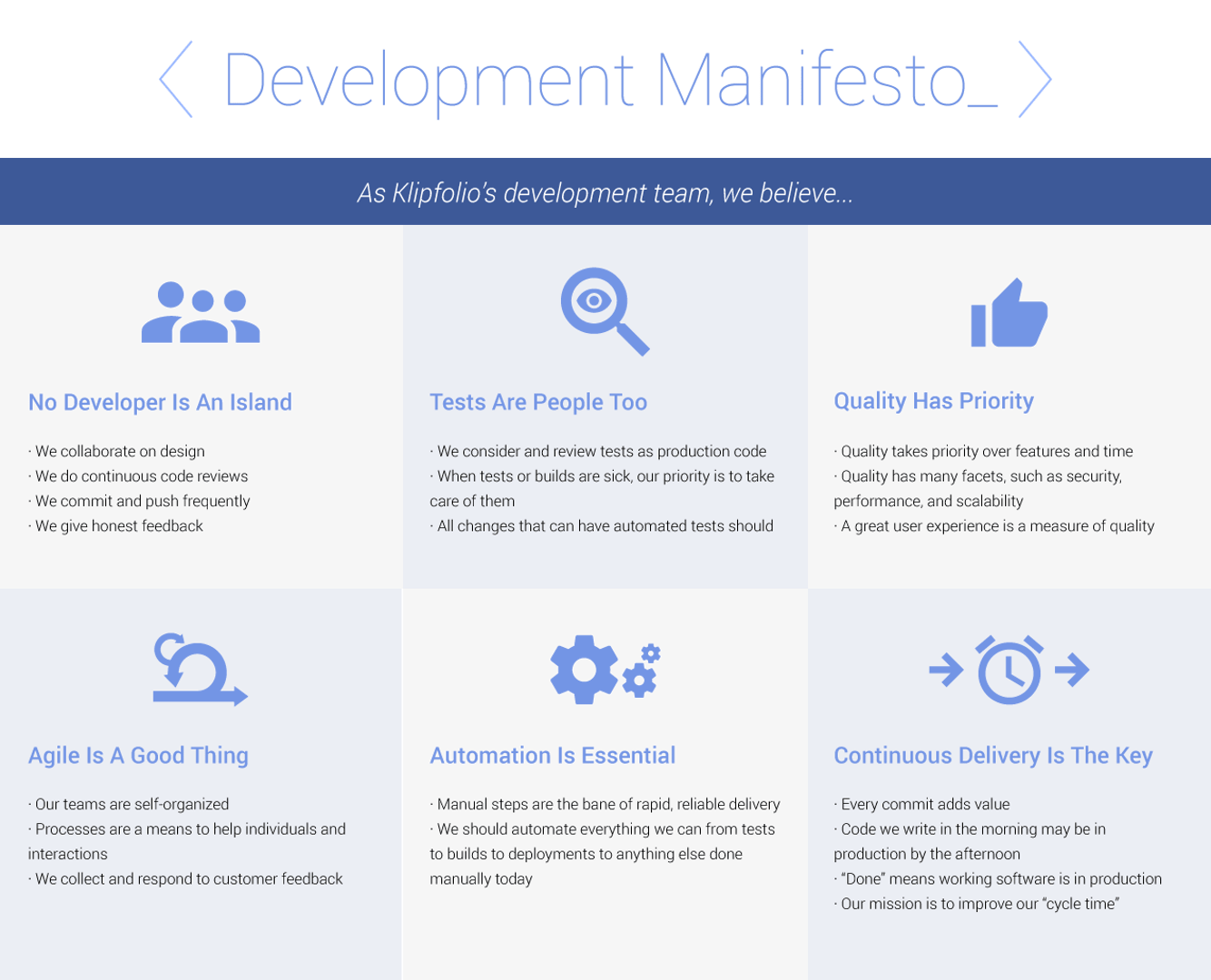
Have you ever wondered what makes some ideas so powerful that they change the way people think and act? The secret often lies in a manifesto.
But what exactly is a manifesto, and why should you care? A manifesto is more than just a statement—it’s a clear, bold declaration of beliefs and goals that can inspire action and unite people. If you want to understand how manifestos shape movements, businesses, and even your own mindset, keep reading.
By the end, you’ll see how a simple document can spark big changes in your life and the world around you.
Manifestos In History
Manifestos have shaped history by boldly declaring ideas that challenge the status quo. They capture the spirit of change and rally people around a common cause. Understanding their historical role helps you see how powerful words can influence society and inspire action.
Early Examples
One of the earliest known manifestos dates back to 1215 with the Magna Carta. This document limited the powers of the English king and laid the groundwork for modern democracy. It showed how a clear statement of rights can shift power balances.
Another early example is Martin Luther’s 95 Theses in 1517. His public criticism of church practices sparked the Protestant Reformation. This reveals how manifestos can ignite major cultural and religious shifts.
Influential Manifestos
The Communist Manifesto, written by Karl Marx and Friedrich Engels in 1848, remains one of the most influential political texts ever. It called for a classless society and inspired revolutions worldwide. Its impact shows how manifestos can define entire political movements.
In art, the Futurist Manifesto of 1909 pushed for a break from tradition and celebrated modern technology and speed. This changed the way artists and writers thought about creativity. It’s a reminder that manifestos can also reshape cultural and artistic directions.
Think about the last time you felt strongly about an idea. How could writing your own manifesto help you clarify your beliefs and motivate others? Manifestos are not just history—they’re tools you can use to make your voice heard today.

Credit: www.youtube.com
Defining Manifestos
A manifesto is a public declaration of beliefs, goals, or intentions. It expresses a clear vision and calls for action. Manifestos often aim to inspire change or unite people around a cause. They are powerful tools for communication and motivation.
Characteristics
- Clear and direct language
- Strong emotional appeal
- Focused on values and principles
- Calls for specific actions or change
- Written for public sharing
- Reflects a collective or individual vision
Core Elements
- Purpose:The main reason for the manifesto’s existence
- Beliefs:Key ideas and values that shape the message
- Goals:Desired outcomes or changes the manifesto seeks
- Audience:The people the manifesto addresses
- Call to Action:Clear steps for readers to follow
- Tone:Usually passionate, urgent, or inspiring
Purpose Of Manifestos
Manifestos serve as clear statements of purpose. They outline beliefs, goals, and values. The purpose of manifestos is to unite and guide individuals or groups. They help communicate what matters most and inspire action.
Motivation And Inspiration
Manifestos ignite passion and energy. They remind people why they started. Clear words can spark hope and courage. Manifestos help keep spirits high during challenges. They motivate people to stay committed and move forward.
Direction And Focus
Manifestos provide a roadmap for action. They highlight key priorities and goals. This focus helps avoid distractions. Manifestos guide decisions and shape plans. They keep efforts aligned with core values and vision.

Credit: www.youtube.com
Manifestos In Politics
Manifestos in politics serve as clear statements of goals and beliefs. They tell voters what a political party or leader promises to do. Manifestos help people understand the main ideas and plans behind a campaign or government. They set the direction for political action and decision-making.
Political Campaigns
Political campaigns use manifestos to share their vision with voters. These documents list key promises and policies. They focus on issues like education, health, and economy. Parties aim to gain trust by explaining how they will improve lives. Voters use manifestos to compare choices and decide whom to support.
Governmental Declarations
After elections, governments release manifestos to outline their plans. These declarations guide the work of elected officials. They show priorities for laws, budgets, and programs. Governments use manifestos to stay accountable to citizens. These documents help track progress and measure success over time.
Manifestos In Art And Culture
Manifestos in art and culture are powerful declarations that challenge existing norms and push creative boundaries. They serve as bold statements of intent, reflecting the values and visions of artists and cultural thinkers. These documents don’t just announce ideas; they inspire action and shift perspectives.
Artistic Movements
Manifestos have driven many artistic movements by clearly stating what creators stand for and what they reject. The Futurist Manifesto, for instance, celebrated technology and speed, shaking the art world in the early 20th century. It made artists rethink what art could represent beyond traditional forms.
Think about how the Surrealist Manifesto invited artists to explore the unconscious mind and dreams. Such manifestos give you a roadmap to understand why certain styles emerge and how they challenge the status quo. If you’re an artist or art lover, reading these manifestos can deepen your appreciation and even spark your own creative ideas.
Cultural Shifts
Manifestos don’t just influence art; they reflect and sometimes ignite broader cultural changes. The Beat Generation’s manifestos, for example, voiced rebellion against materialism and conformity in post-war America. They helped shape a counterculture that questioned societal values.
These declarations often mark turning points in how societies think about identity, politics, and freedom. Have you ever noticed how certain cultural moments feel like a breath of fresh air? Manifestos often provide the words that capture those feelings and turn them into movements.
By engaging with manifestos, you’re not only witnessing history but also understanding the forces that shape your cultural environment. What ideas might you feel compelled to declare today?
Creating A Manifesto
Creating a manifesto means putting your core beliefs and goals into words. It guides your decisions and shows what you stand for. A clear manifesto inspires others and keeps you focused on what matters.
Steps To Crafting
- Think about your values and what matters most to you.
- Write down your main goals and the change you want to see.
- Use simple and clear language to express your ideas.
- Keep it short but powerful, so it is easy to remember.
- Review and edit to make sure every sentence has meaning.
- Share your manifesto with others to get feedback.
Common Challenges
- Finding the right words to express deep beliefs can be hard.
- Trying to cover too many ideas makes the manifesto unclear.
- Using complicated language may confuse readers.
- Balancing passion with clarity takes time and practice.
- Fear of sharing personal views might hold you back.
Impact Of Manifestos
Manifestos have a unique power to shape minds and movements. Their impact often goes beyond words on a page, influencing real-world actions and outcomes. Understanding how manifestos affect society and leave a lasting legacy can help you appreciate their significance and perhaps inspire you to create one yourself.
Societal Change
Manifestos often serve as a catalyst for societal change. They clearly state demands or visions that challenge the status quo, pushing communities to rethink norms and values.
Think about how the Declaration of Independence sparked new ideas about freedom and governance. It wasn’t just a document; it motivated people to act and believe in a different future.
Have you ever felt the urge to stand up for something after reading a powerful statement? That’s the kind of impact manifestos can have—they motivate individuals and groups to push for progress.
Legacy And Influence
The influence of a manifesto can last for decades, sometimes centuries. They often become historical landmarks that future generations refer to for guidance and inspiration.
Consider how The Communist Manifesto shaped political ideologies around the world. Its ideas continue to influence debates about equality and power structures today.
Manifestos also inspire other creators and thinkers. If you write or share your beliefs clearly, your words might spark new movements or ideas long after you’re gone.
Modern Manifestos
Modern manifestos serve as powerful tools that capture the spirit of our times. Unlike traditional manifestos that often focused on political or artistic movements, today’s manifestos embrace diverse causes and communities. They reflect urgent social issues, personal beliefs, and innovative visions shaped by our interconnected world.
Digital Age Manifestos
The internet has transformed how manifestos are created and shared. Digital platforms let anyone publish their ideas instantly, reaching global audiences without traditional gatekeepers. This shift means manifestos now often include multimedia elements like videos, graphics, and interactive content to make a stronger impact.
Have you ever seen a manifesto that went viral online? That’s the power of digital tools. They allow manifestos to spark conversations and mobilize communities faster than ever before.
Contemporary Examples
Look at the Manifesto for Agile Software Development. It reshaped the tech industry by promoting collaboration and flexibility. This manifesto didn’t just state ideals; it changed how teams work worldwide.
Another striking example is the Climate Emergency Manifesto, which pushes for urgent action on environmental issues. It combines scientific facts with passionate calls to action, inspiring activists and policymakers alike.
What would your manifesto focus on if you wrote one today? Think about the ideas you believe in strongly and how you could express them in a way that motivates others to join your cause.
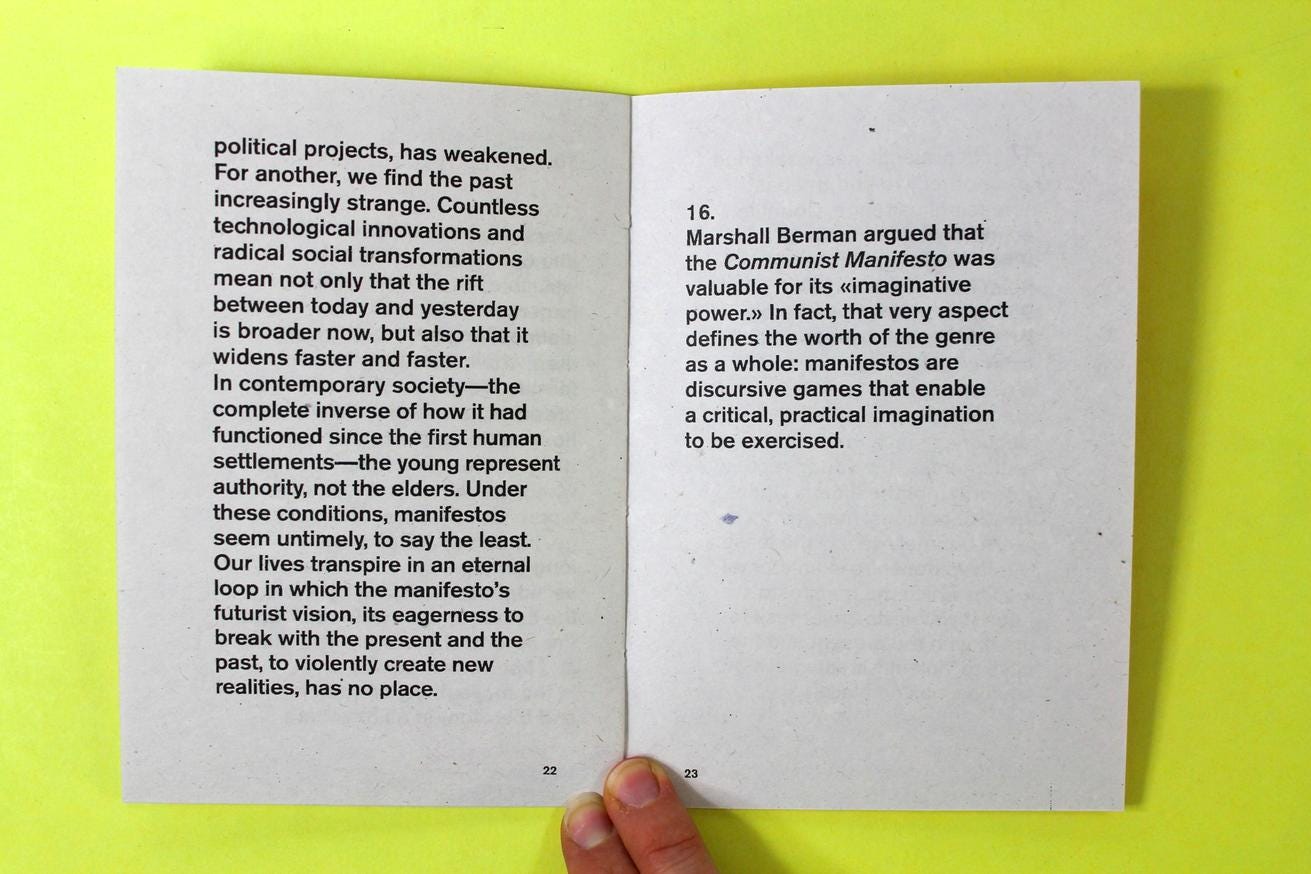
Credit: medium.com
Frequently Asked Questions
What Is A Manifesto In Simple Terms?
A manifesto is a public declaration of beliefs, goals, or intentions. It outlines key values and plans. Often used by political parties, organizations, or individuals to communicate their vision clearly and inspire support.
Why Are Manifestos Important In Politics?
Manifestos guide political campaigns by presenting clear policies. They help voters understand a party’s priorities and promises. This transparency builds trust and accountability between politicians and the public.
How Do Manifestos Influence Public Opinion?
Manifestos shape public opinion by clearly stating goals and values. They provide voters with information to make informed decisions. Effective manifestos can motivate and unite supporters around a common cause.
What Elements Should A Good Manifesto Include?
A good manifesto includes clear goals, core values, and actionable plans. It must be concise, persuasive, and easy to understand. Transparency and honesty are essential to gain credibility and support.
Conclusion
Manifestos express clear ideas and strong beliefs. They guide actions and inspire people. Anyone can create a manifesto to share their vision. Writing one helps focus on what truly matters. Manifestos shape communities, movements, and even personal goals. They bring purpose and direction to plans.
Understanding manifestos helps you communicate better. Try making your own to see the power of clear words. A simple statement can make a big difference.

Similar Posts