What Did Americans Want That Manifest Destiny Promised?
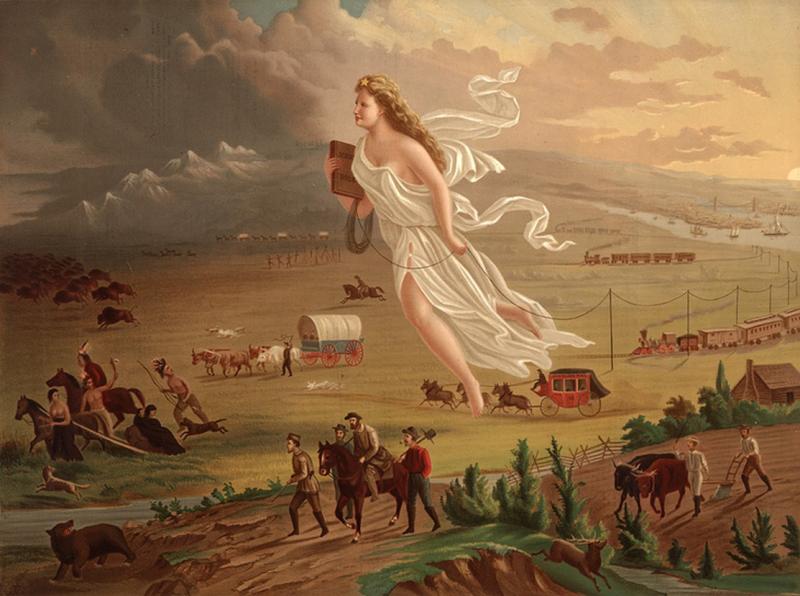
Have you ever wondered what drove Americans to stretch their nation’s borders across an entire continent? What dreams and desires pushed them westward, shaping the country we know today?
Manifest Destiny wasn’t just a slogan—it was a powerful promise of land, opportunity, and a new life. You’ll discover exactly what Americans wanted and how Manifest Destiny aimed to give it to them. Keep reading to uncover the hopes and ambitions behind one of the most important chapters in American history.
Roots Of Manifest Destiny
The roots of Manifest Destiny lie deep in the early ambitions and beliefs that shaped the United States. Americans wanted more than just land; they sought opportunity, security, and a sense of purpose tied to expanding their young nation. Understanding these roots helps you see why Manifest Destiny captured the national imagination and drove policies that changed the continent forever.
Early American Expansionist Ideas
Long before Manifest Destiny was named, ideas about expansion were already taking hold. Many Americans believed the country had a special mission to spread democracy and civilization across North America.
Settlers pushed westward looking for fertile land and new beginnings. This spirit wasn’t just about land—it was about creating a better life and fulfilling a vision of progress.
Have you ever thought about how much your own opportunities might depend on the land or resources around you? Early Americans felt the same urgency.
Political And Social Climate In The 19th Century
The 19th century was a time of rapid change and tension. Politically, the U.S. was expanding, but it faced debates over slavery, Native American rights, and state versus federal power.
Socially, many Americans wanted to assert their identity and secure their future by extending their territory. This climate made Manifest Destiny more than an idea; it became a rallying call.
Think about how your social or political environment shapes your decisions today. The 19th-century climate pushed Americans to see expansion as necessary for survival and growth.

Credit: www.facebook.com
Territorial Growth Goals
Territorial growth was a core desire for many Americans during the era of Manifest Destiny. They believed expanding the nation’s borders would bring wealth, security, and opportunity. This vision aimed to stretch the United States from the Atlantic to the Pacific Ocean.
Americans wanted land for farming, settlement, and new businesses. They saw vast western lands as a chance for a fresh start and economic success. Gaining control over these territories also meant more power and influence on the world stage.
Acquisition Of Western Lands
Americans sought large areas of land west of the Mississippi River. These lands offered fertile soil for farming and space for growing cities. Many hoped to own farms and build communities in these new regions.
The government negotiated and sometimes fought to acquire this land. Treaties, purchases, and wars helped the U.S. gain control over Texas, Oregon, California, and other areas. Settlers moved quickly to claim plots and start new lives.
Access To Pacific Ports
Access to the Pacific Ocean was vital for trade and military strategy. Americans wanted ports on the west coast to trade with Asia and other countries. These ports would allow ships to dock and goods to move more easily across the globe.
Having Pacific ports meant new markets for American products. It also gave the U.S. a stronger naval presence on the Pacific. This access supported the vision of a powerful, coast-to-coast nation.
Economic Aspirations
Economic aspirations shaped much of the American desire for Manifest Destiny. Many Americans saw the vast lands to the west as a chance to improve their lives. They dreamed of new jobs, wealth, and a better future for their families. The promise of land and resources was too strong to ignore. Expansion meant more than just territory; it meant economic growth and opportunity.
Agricultural Opportunities
Farmers sought fertile land to grow crops and raise animals. The West offered vast tracts of cheap, rich soil. This land promised a chance for small farmers to own property. Owning land meant independence and stability. Many believed expanding west would lead to more farms and food production. It was a way to feed a growing nation and build wealth. Agriculture was the backbone of the economy, and new land meant new chances.
Trade And Industry Expansion
Manifest Destiny also appealed to merchants and industry leaders. They saw new markets and resources opening up in the West. Expanding trade routes would connect cities and ports across the continent. This meant more goods could be bought and sold. Industries like mining and manufacturing could grow with access to raw materials. Railroads and canals would spread, boosting business. Economic growth relied on expanding beyond the original states.
Democratic Ideals And National Identity
The idea of Manifest Destiny was more than just a call for territorial expansion. It was deeply tied to the democratic ideals that many Americans believed defined their nation. These ideals shaped a growing sense of national identity and a mission to spread what they saw as the best form of government and society.
Spreading Republican Values
Americans wanted to extend their vision of democracy across the continent. They believed the republican system—based on elected representation and individual rights—was a model worth sharing. This wasn’t just about land; it was about creating new communities where freedom and self-government could thrive.
Think about your own values. Would you feel motivated to share them if given the chance? Many Americans of that era did. They saw Manifest Destiny as a way to build a country that reflected their beliefs in liberty, equality before the law, and civic participation.
Uniting The Nation
Expansion was also seen as a way to strengthen the nation. Adding new territories promised economic opportunities and resources that could unite diverse regions. It was a chance to create a common identity based on shared goals and democratic principles.
But how do you unite different groups with varying interests? The challenge was real then, as it is now. The hope was that spreading democratic ideals would provide a foundation for unity, overcoming regional differences by focusing on collective progress and national pride.
Impact On Native Americans And Others
The idea of Manifest Destiny promised Americans vast new lands and opportunities. But this expansion came at a significant cost to Native Americans and other groups living in those territories. Understanding this impact helps you see the full picture of what Manifest Destiny truly meant beyond just gaining land.
Displacement And Conflict
As settlers moved westward, Native American tribes were forced off their ancestral lands. This displacement wasn’t peaceful; it often involved violent clashes and broken treaties. You might wonder how you would feel if your home was taken away with little notice or regard for your rights.
Many tribes were pushed into smaller reservations, unable to sustain their traditional ways of life. Conflicts like the Trail of Tears and battles such as the Battle of Little Bighorn highlight the harsh realities faced by Native Americans. These events changed the balance of power and reshaped the demographics of entire regions.
Cultural Consequences
The cultural impact on Native Americans was profound and lasting. Forced assimilation policies aimed to erase native languages, religions, and customs. Imagine having your culture dismissed and replaced by something foreign in the name of progress.
Beyond Native Americans, other groups such as Mexican settlers in newly acquired territories also faced challenges. Their land rights and cultural identities were often ignored or undermined. This raises a question: how does the pursuit of a nation’s growth affect the identities of those already living there?

Credit: hyperallergic.com
Manifest Destiny And Slavery
Manifest Destiny was the belief that the United States should expand across the continent. This idea promised new land and opportunities. But it also raised hard questions about slavery. Would new territories allow slavery or ban it? This issue deeply affected the nation’s future.
Debates Over New Territories
Americans wanted new land for farming and business. But they disagreed on whether these lands should allow slavery. Southern states wanted slavery to expand. They believed it was key to their economy. Northern states opposed slavery’s spread. They saw it as wrong and harmful to free labor.
Each new territory brought fierce debates. Lawmakers argued about how to govern these areas. Would they enter the Union as free or slave states? These questions made politics tense and complicated.
Sectional Tensions
The debate over slavery in new lands increased sectional tensions. The North and South grew apart over values and interests. Many feared the country might split apart. Political compromises tried to ease the conflict. But they only delayed the bigger fight.
Manifest Destiny promised growth but also exposed deep divisions. The struggle over slavery shaped America’s path forward. It showed how expansion was tied to moral and political battles.
Legacy Of Manifest Destiny
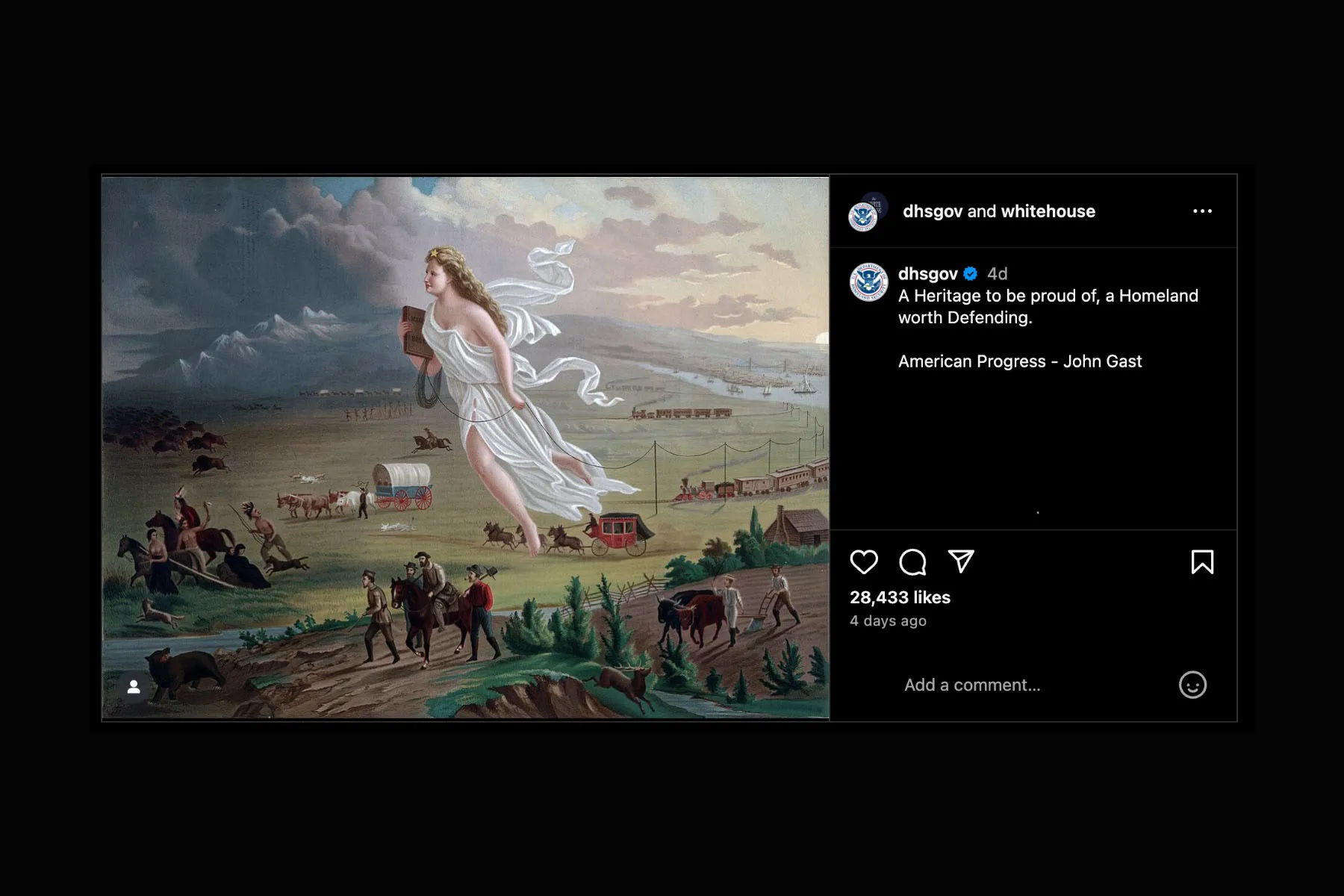
The legacy of Manifest Destiny is more than just a chapter in American history; it’s a foundation that shaped the nation’s identity and trajectory. This idea fueled expansion but also set in motion consequences that still affect the country today. Understanding this legacy helps you see how past ambitions influence current realities.
Shaping Modern America
Manifest Destiny gave the United States its vast continental shape. The acquisition of territories like Texas, California, and Oregon transformed a young nation into a continental power.
This expansion helped create the economic infrastructure you benefit from now, such as railroads and trade routes. But it also raised tough questions about slavery, native peoples, and governance that echoed into modern times.
Think about your own state—chances are, its borders and culture were influenced by this 19th-century push westward. How does that history affect your community’s identity today?
Long-term Effects On Foreign Policy
Manifest Destiny set a precedent for America’s approach to foreign relations: growth through influence and control. It marked the beginning of the U.S. as a power willing to assert itself beyond its original borders.
The war with Mexico and the acquisition of new lands showed that America would use military and diplomatic means to expand its interests. This mindset shaped later policies, such as involvement in the Spanish-American War and beyond.
When you consider current U.S. foreign policy, you can trace a line back to this era of expansion. It raises the question: How do ambitions for growth shape a nation’s interactions with the world today?
Credit: 19thnews.org
Frequently Asked Questions
What Was The Main Goal Of Manifest Destiny?
Manifest Destiny aimed to expand U. S. territory across North America. Americans wanted land for farming, trade, and settlement. It promised economic growth and increased national power. The idea reflected a belief in American cultural and political superiority.
How Did Americans Benefit From Manifest Destiny?
Americans gained vast new lands for agriculture and mining. It opened trade routes and access to the Pacific Ocean. The expansion encouraged migration and economic opportunities. Manifest Destiny also strengthened U. S. influence on the continent.
Why Did Americans Desire Westward Expansion?
Westward expansion offered freedom, land ownership, and new opportunities. It promised a better life for settlers and entrepreneurs. Many sought to escape crowded eastern cities. Manifest Destiny fueled hopes for progress and national greatness.
What Role Did Manifest Destiny Play In U.s. History?
Manifest Destiny shaped U. S. borders and national identity. It led to conflicts like the Mexican-American War. The policy accelerated economic development and migration. It remains a key theme in American expansion and growth.
Conclusion
Americans wanted land, freedom, and new chances. Manifest Destiny promised growth and hope. It offered room to farm and live. People dreamed of a brighter future. The idea shaped the nation’s path. It brought change, challenges, and opportunity. This belief helped shape America’s story.
Manifest Destiny met many hopes and goals. It remains a key part of history.

Similar Posts