What Did Manifest Destiny Lead to: Uncovering America’s Expansion Impact
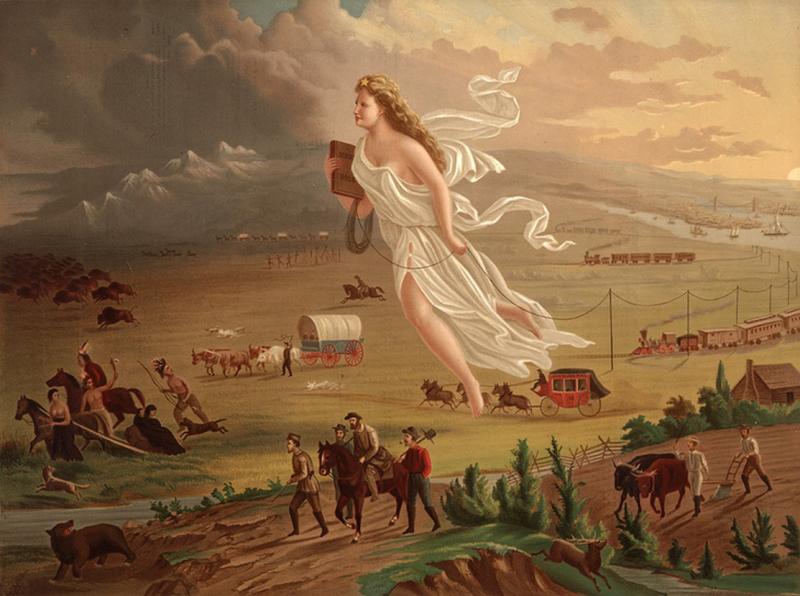
Have you ever wondered how a simple idea changed the course of a nation? “Manifest Destiny” was more than just a phrase—it shaped the future of America in ways you might not expect.
If you want to understand the impact this powerful belief had on the country’s growth, conflicts, and culture, you’re in the right place. Keep reading to discover what Manifest Destiny really led to and why it still matters to your history today.

Credit: www.instagram.com
Roots Of Manifest Destiny
The roots of Manifest Destiny reveal the deep beliefs and ambitions that shaped 19th-century America. This idea wasn’t just about expanding land; it reflected a vision of the country’s future and its role in the world. Understanding these roots helps you see why this movement had such a lasting impact on American history and identity.
Origins And Ideals
Manifest Destiny began as a belief that the United States was destined to stretch across the North American continent. People felt this expansion was both justified and inevitable. They believed it was their duty to spread democracy and civilization.
This belief mixed with a strong sense of nationalism and a desire for economic growth. Land meant opportunity for farming, trade, and industry. Did you ever think about how ideas about progress can drive a whole nation to change its borders?
Key Figures And Influences
Several leaders and thinkers helped shape Manifest Destiny. Politicians like President James K. Polk strongly supported westward expansion. His administration worked hard to acquire territories like Texas, Oregon, and California.
Writers and journalists also played a big role by promoting the idea through newspapers and books. They painted expansion as a noble cause, stirring public support. Can you imagine how powerful words and leadership combined to change a nation’s path?

Credit: www.youtube.com
Territorial Growth
Territorial growth was a major outcome of Manifest Destiny, dramatically reshaping the map of the United States. This expansion wasn’t just about gaining land—it was about power, opportunity, and the challenges that came with new borders. Understanding how the U.S. acquired these territories helps you see the complex decisions behind the nation’s growth.
Acquisition Of Texas And Oregon
The annexation of Texas was a bold move that sparked major political debate. Texas, once part of Mexico, declared independence and later joined the U.S., but this upset the balance between slave and free states. Meanwhile, the Oregon Territory was claimed through a peaceful agreement with Britain, showing a different path to expansion.
Imagine how different your life would be if your hometown was suddenly part of a new country. These acquisitions weren’t just about land—they affected everyday people’s identities and futures.
Mexican-american War And Treaty Of Guadalupe Hidalgo
The Mexican-American War followed the annexation of Texas, leading to a decisive American victory. The Treaty of Guadalupe Hidalgo ended the war and gave the U.S. a vast amount of land, including California, Arizona, and New Mexico. This treaty doubled the size of the country but also created new challenges, like integrating diverse populations.
Have you ever thought about how wars shape your country’s borders? The consequences of this war still affect social and political issues today.
Gadsden Purchase And Final Borders
The Gadsden Purchase was a smaller but strategic land deal in 1854 that completed the southern border of the continental U.S. It was crucial for building a southern transcontinental railroad, highlighting how transportation needs influenced territorial choices. This purchase helped finalize the shape of the country as we know it now.
Think about how transportation routes impact where borders are drawn. The Gadsden Purchase shows how practical needs can drive important decisions about land.
Impact On Native Americans
Manifest Destiny deeply affected Native American communities across the continent. It led to dramatic changes in their lives, lands, and cultures. The movement pushed Native Americans off their ancestral lands and disrupted their traditional ways of living. These impacts are seen clearly in their forced removal and the lasting cultural damage.
Displacement And Forced Relocation
Native Americans faced large-scale displacement due to Manifest Destiny. The U.S. government forced many tribes to leave their homelands. Treaties were often broken or unfairly made. Thousands were moved to unfamiliar and often harsh territories.
The Trail of Tears is a key example. It involved the Cherokee and other tribes being forced westward. Many died from hunger, disease, and exhaustion. This forced relocation destroyed tribal communities and their connection to sacred lands.
Cultural And Social Consequences
Displacement led to the loss of traditional ways of life. Native Americans struggled to maintain their languages, customs, and beliefs. Boarding schools were created to force assimilation. Children were taught to abandon their heritage and adopt European-American culture.
Social structures within tribes also broke down. Families were separated, and leadership was weakened. The loss of land meant loss of hunting and farming grounds. This caused poverty and food shortages. Native communities faced long-term struggles to preserve their identities and survive.

Credit: www.youtube.com
Economic Changes
The economic landscape of the United States transformed dramatically due to Manifest Destiny. This expansionist policy didn’t just add land; it reshaped industries, trade, and daily life. Understanding these economic changes helps you see how America grew into a powerful economy.
Agricultural Expansion
The new territories opened vast tracts of fertile land perfect for farming. Settlers took advantage of this, growing crops like wheat, corn, and cotton on a larger scale than ever before. You might be surprised to learn that this surge in agriculture supported not only local markets but also global trade networks.
Did you know that agricultural output doubled in some regions within just a few decades? This growth provided jobs and encouraged innovations in farming tools and techniques. If you ever wondered how America became the “breadbasket” of the world, this is a key part of the story.
Railroads And Infrastructure
Building railroads was essential to connect the new lands with established cities. Railroads reduced travel time drastically and lowered shipping costs, making goods more accessible. Imagine your own commute shrinking from weeks to days—that’s the scale of change people experienced.
The government supported railroad companies with land grants and loans, pushing infrastructure development forward. This investment not only boosted the economy but also created thousands of jobs. How would your life change if transportation suddenly became faster and cheaper?
Resource Exploitation
Manifest Destiny encouraged Americans to extract resources like timber, minerals, and oil from the new territories. Mining towns sprang up almost overnight, attracting workers and entrepreneurs. This rush for resources fueled industries back east, boosting manufacturing and trade.
However, this exploitation often overlooked environmental damage and the rights of Native American populations. When you think about rapid economic growth, consider the costs involved. Are there ways we can balance growth with responsibility today?
Political Consequences
The political consequences of Manifest Destiny were profound and shaped the future of the United States in lasting ways. As the nation expanded westward, new challenges emerged that tested the country’s unity and governance. These challenges forced leaders and citizens alike to confront difficult questions about power, rights, and the meaning of statehood.
Slavery Debates And Sectionalism
As new territories were added, the issue of whether they would allow slavery became a heated debate. This struggle deepened the divide between the North and South, pushing the country closer to conflict.
You might wonder how a simple question of slavery in new states could cause such turmoil. The answer lies in the balance of power: each new slave or free state had the potential to shift control in Congress.
This debate didn’t just stay in political halls; it affected everyday conversations and communities. It raised tough questions like, “Should human rights be limited based on geography?” and “How do we maintain unity when values clash?”
Statehood And Governance Challenges
Bringing new territories into the Union was not just about drawing borders. It meant deciding how these lands would be governed and integrated politically.
Many new states faced difficulties setting up governments that represented their diverse populations fairly. Sometimes, local interests clashed with federal authority, causing tension and confusion.
Think about the challenge of creating laws that fit both the people living there and the larger national framework. This balancing act often led to delays in statehood or conflicts over representation.
- How should new states decide on their own laws while respecting federal rules?
- What role do citizens play in shaping these governments?
- Can expanding a country too fast weaken its political stability?
Understanding these political consequences helps you see why Manifest Destiny was more than just land expansion—it was a complex process that tested America’s political strength and values.
International Relations
The idea of Manifest Destiny didn’t just reshape the American landscape—it significantly altered how the United States interacted with other nations. The push to expand westward created tensions and negotiations that tested diplomacy and power. Understanding these international relations offers insight into how America’s ambitions influenced its neighbors and global stance.
Relations With Britain And Mexico
Relations with Britain became tense over the Oregon Territory. Both nations claimed the land, but rather than war, they negotiated. The Oregon Treaty of 1846 set the boundary at the 49th parallel, avoiding conflict and showing how expansion demanded careful diplomacy.
Mexico, however, was a different story. The U.S. annexation of Texas, which Mexico still considered its territory, sparked the Mexican-American War. This conflict ended with the Treaty of Guadalupe Hidalgo, where Mexico ceded vast lands to the U.S., reshaping the continent’s map.
Have you ever thought about how these border disputes could have led to a very different North America? These moments reveal how fragile peace can be when land and power are on the line.
Influence On U.s. Foreign Policy
Manifest Destiny pushed the U.S. to adopt a more aggressive foreign policy. The focus shifted from merely defending borders to actively seeking new territories. This mindset influenced future actions, such as the purchase of Alaska and interventions in Central America.
It also set a precedent for justifying expansion through ideas of destiny and national purpose. This belief in inevitable growth often overshadowed the rights of other nations and indigenous peoples. It’s worth asking: how does this legacy affect U.S. diplomacy today?
Understanding this period helps you see the roots of America’s assertiveness on the world stage. It’s not just history; it’s a key to decoding current international relations and policies.
Cultural Legacy
The cultural legacy of Manifest Destiny still shapes how many Americans see themselves and their history today. This belief in expansion wasn’t just about land; it influenced attitudes, values, and national identity. Understanding this legacy helps you see why some ideas about America’s past remain powerful and sometimes controversial.
Manifest Destiny In American Identity
Manifest Destiny became a core part of what it means to be American. It promoted the idea that the United States had a unique mission to spread democracy and civilization across the continent.
This belief helped fuel a sense of pride and purpose. But it also created a narrow view of progress that often ignored the rights and cultures of Native Americans and others.
Have you ever wondered why the phrase “American exceptionalism” still feels so strong today? This mindset has roots in the Manifest Destiny era.
Myths And Realities
Many stories about Manifest Destiny are simplified or romanticized. The myth of peaceful expansion hides the harsh realities of conflict, displacement, and injustice.
People often think the westward movement was a smooth journey of pioneers bravely settling new lands. The truth involves violent clashes, broken treaties, and forced removals.
Recognizing these realities helps you question which parts of history are celebrated and which are forgotten. What parts of your own history might need a closer look?
Frequently Asked Questions
What Is Manifest Destiny’s Historical Significance?
Manifest Destiny was a 19th-century doctrine advocating U. S. territorial expansion across North America. It justified annexing lands and influenced key policies, including the Mexican-American War. This belief shaped American history, promoting westward migration and impacting Native American communities. Understanding Manifest Destiny helps grasp U.
S. expansionist motives and its historical consequences.
How Did Manifest Destiny Affect Native Americans?
Manifest Destiny led to significant displacement and cultural disruption for Native Americans. As settlers moved westward, indigenous lands were seized, forcing tribes into reservations. This often resulted in loss of traditional lifestyles, resources, and autonomy. The impact of Manifest Destiny on Native American communities remains a crucial aspect of U.
S. history.
Did Manifest Destiny Cause The Mexican-american War?
Yes, Manifest Destiny was a key factor in the Mexican-American War. The belief in U. S. territorial expansion fueled conflicts over land with Mexico. The war resulted in U. S. acquiring territories like California and New Mexico. Manifest Destiny’s expansionist ideology was instrumental in sparking and justifying the war.
What Role Did Manifest Destiny Play In Westward Expansion?
Manifest Destiny significantly encouraged westward migration in the U. S. It inspired settlers to move towards the Pacific, seeking land and opportunities. The doctrine justified acquiring territories, promoting infrastructure development like railroads. This expansion helped shape the modern American landscape, influencing economic and social growth.
Conclusion
Manifest Destiny shaped America’s growth and its future deeply. It led to new lands and more states joining the Union. Conflicts and struggles followed, affecting many lives. The idea pushed the country to expand westward quickly. It changed the culture, economy, and politics of the nation.
Understanding this helps us see how America grew and changed. The effects still influence the country today. Manifest Destiny was a key part of U. S. History. It shows both the promise and the cost of expansion.

Similar Posts