What Did Manifest Destiny Mean: Unveiling History’s Impact
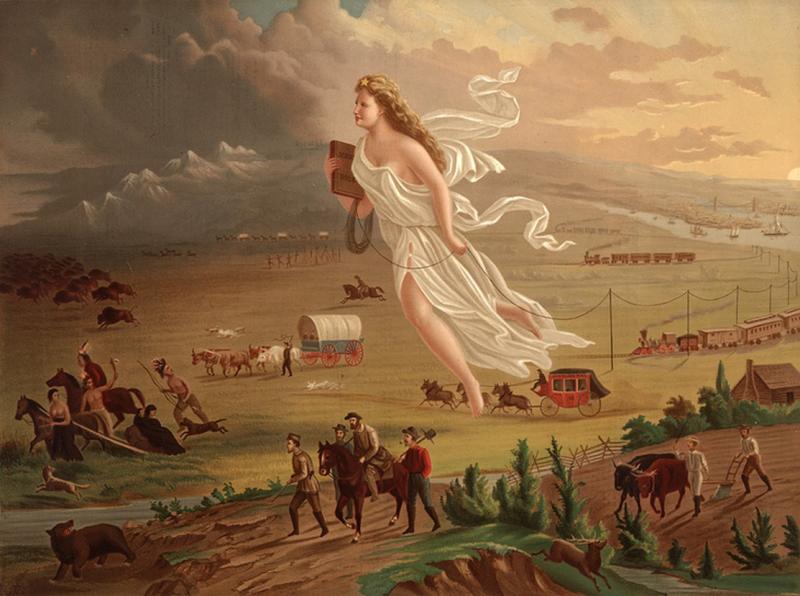
Have you ever wondered why the United States expanded across the continent so quickly in the 1800s? The answer lies in a powerful idea called Manifest Destiny.
This belief shaped the country’s history and still influences how you see America today. Understanding what Manifest Destiny meant can give you a clearer picture of the past and its impact on your present. Keep reading to discover the true meaning behind this important chapter in history and why it matters to you.
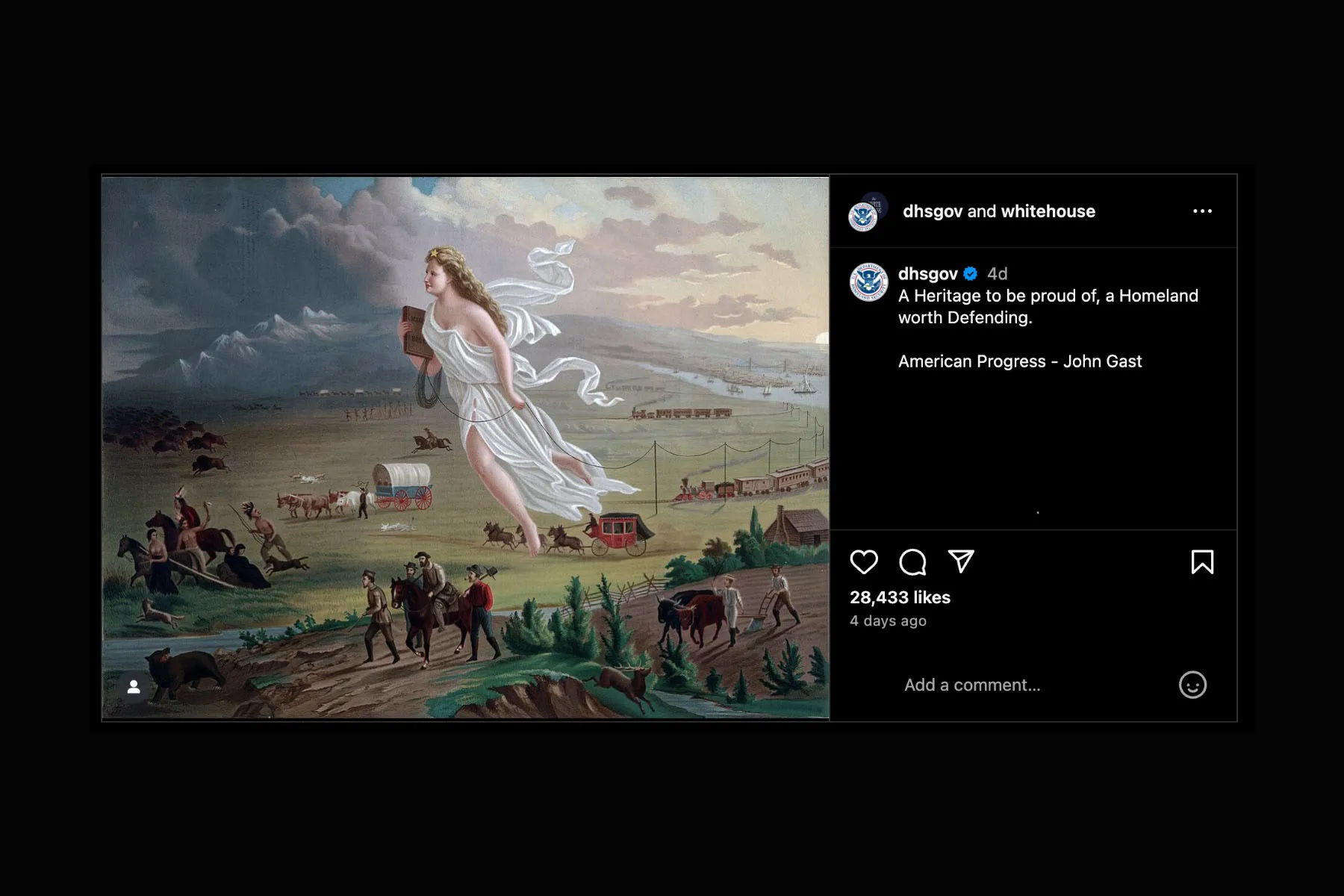
Credit: 19thnews.org
Origins Of Manifest Destiny
The origins of Manifest Destiny trace back to a time of rapid change in America. The idea was more than just expanding land. It reflected a belief that the United States had a special role to grow across the continent. Understanding this starts by looking at early American expansion, the political climate, and the power of nationalism.
Early American Expansion
In the early 1800s, the U.S. began growing beyond the original thirteen states. Settlers moved westward, driven by the hope of new opportunities. The Louisiana Purchase in 1803 doubled the nation’s size. Other land deals and treaties added more territory. This growth created a strong desire to reach the Pacific Ocean.
Political Climate In The 19th Century
The 19th century saw many political changes. Leaders debated how new lands should be governed. There were conflicts over slavery and state rights. The government supported expansion as a way to strengthen the nation. Manifest Destiny became a popular idea among politicians and citizens alike.
Role Of Nationalism
Nationalism played a key role in shaping Manifest Destiny. Many Americans felt proud of their country’s progress. They believed the U.S. had a duty to spread its culture and government. This strong pride inspired people to support westward growth. It gave a sense of purpose to the expansion efforts.
Key Figures And Influencers
The idea of Manifest Destiny was shaped by many important people. These key figures helped spread the belief that the United States should expand across the continent. Their actions and words influenced public opinion and government policy. Understanding these influencers gives a clearer picture of how Manifest Destiny took hold.
Prominent Politicians
Politicians played a major role in promoting Manifest Destiny. They pushed laws and policies to grow the nation’s borders. President James K. Polk was a strong supporter. He led the country during the Mexican-American War, which added vast lands to the U.S. Other leaders like Senator Henry Clay also debated expansion, shaping public views in Congress.
Journalists And Writers
Writers and journalists spread the idea of Manifest Destiny through newspapers and books. They described the West as full of opportunity and promise. John L. O’Sullivan, a newspaper editor, actually coined the term “Manifest Destiny.” Their stories inspired many Americans to move west and claim new land.
Military Leaders
Military leaders helped make Manifest Destiny a reality through action. Generals like Zachary Taylor and Winfield Scott led troops during key battles. Their victories helped the U.S. gain control of new territories. The army also protected settlers moving west, ensuring the expansion could continue safely.
Territorial Growth And Land Acquisitions
Territorial growth and land acquisitions played a key role in shaping the United States during the 19th century. The idea of Manifest Destiny inspired Americans to expand their borders across the continent. This expansion included important purchases, annexations, and treaties that increased the nation’s size significantly. Each step brought new opportunities and challenges for the young country.
Louisiana Purchase To Texas Annexation
The Louisiana Purchase in 1803 doubled the size of the United States. It gave control over vast lands west of the Mississippi River. This acquisition opened the way for westward migration.
Later, the annexation of Texas in 1845 added a large territory in the southwest. Texas had declared independence from Mexico before joining the United States. This move increased tensions with Mexico, setting the stage for future conflict.
Oregon Trail And Pacific Northwest
The Oregon Trail was a major route for settlers moving west. Thousands traveled this path to reach the fertile lands of the Pacific Northwest. The U.S. and Britain both claimed this region, but the Oregon Treaty of 1846 settled the boundary at the 49th parallel.
This agreement expanded U.S. territory to the Pacific Ocean. It boosted trade and settlement in the new western lands.
Mexican-american War And Treaty Of Guadalupe Hidalgo
The Mexican-American War (1846-1848) resulted from tensions over Texas and other territories. The U.S. defeated Mexico and gained vast lands through the Treaty of Guadalupe Hidalgo.
This treaty gave the U.S. control over California, Nevada, Utah, Arizona, and parts of several other states. It marked one of the largest land acquisitions in U.S. history and fulfilled much of the Manifest Destiny vision.

Credit: www.reddit.com
Impact On Native American Communities
The impact of Manifest Destiny on Native American communities was profound and tragic. The policy led to massive changes in their lives, lands, and cultures. Native peoples faced forced moves, loss of traditional ways, and many conflicts. This period shaped the history of indigenous peoples in the United States.
Displacement And Forced Relocation
Native American tribes lost vast lands due to Manifest Destiny. The U.S. government forced many tribes to move west. The Trail of Tears is a key example. Thousands of Native people died during these forced relocations. Families were separated, and their homes destroyed. This displacement caused great suffering and loss.
Cultural And Societal Changes
Native cultures faced severe disruption. Traditional lifestyles were challenged by new settlers and laws. Many tribes struggled to maintain their languages and customs. Boarding schools aimed to erase Native identities. Hunting and farming practices changed due to land loss. These changes weakened the social fabric of many communities.
Resistance And Conflicts
Native Americans resisted the expansion in many ways. Some tribes fought battles to protect their lands. Leaders like Sitting Bull and Geronimo became symbols of resistance. Conflicts often led to violence and casualties on both sides. Despite resistance, most Native peoples were eventually forced onto reservations. Their fight for survival continued long after.
Economic Consequences
The economic consequences of Manifest Destiny shaped the United States in profound ways. As settlers moved westward, they altered the landscape and economy, opening new opportunities and challenges. Understanding these effects can help you see how the nation’s growth was fueled by more than just land acquisition—it was about transforming resources, agriculture, and infrastructure.
Agricultural Expansion
Manifest Destiny pushed farmers into new territories, turning vast lands into productive farms. This expansion led to increased crop production, which supported growing populations and boosted local economies.
Have you ever thought about how the availability of cheap land encouraged people to take risks and start farming? Many settlers relied on this opportunity to build wealth and stability.
However, this rush to farm also led to conflicts over land use and environmental strain. Balancing growth with sustainability became a challenge that still resonates today.
Resource Exploitation
The drive west opened access to abundant natural resources like timber, minerals, and water. Mining boomed in places like California and Colorado, creating new jobs and attracting investment.
Think about how resource extraction shaped local communities—sometimes bringing prosperity, but other times causing environmental damage. The promise of quick profit often overshadowed long-term consequences.
You might ask yourself: What lessons can we learn from this rapid exploitation? It’s a reminder that economic gains should consider future impacts on the land and people.
Infrastructure Development
To support the growing population and economy, infrastructure like railroads and roads expanded rapidly. The Transcontinental Railroad, for example, connected the east and west, making trade and travel faster and cheaper.
Imagine how your daily life would change with improved transportation—access to goods, markets, and new opportunities suddenly became easier.
This development wasn’t just about convenience; it was a key driver of economic growth. Investments in infrastructure laid the foundation for America’s emergence as a major economic power.
Manifest Destiny And Slavery Debate
The idea of Manifest Destiny wasn’t just about expanding the United States from coast to coast. It deeply intertwined with the heated debate over slavery. As new territories emerged, the question loomed: Would they allow slavery or not? This conflict shaped the nation’s politics and pushed it closer to civil war.
Expansion Of Slave States
Every new territory added raised concerns about whether it would become a free or slave state. Southern states wanted to expand slavery to maintain political power. Northern states, on the other hand, opposed the spread of slavery, fearing it would give the South too much influence.
Think about how this affected daily life for people at the time. Settlers moving west had to decide where they stood on slavery, which could mean the difference between freedom and oppression. Your stance on this issue could change your opportunities and safety.
Political Tensions
The debate over slavery in new territories caused major political clashes. Compromises like the Missouri Compromise and the Compromise of 1850 tried to balance free and slave states but only delayed bigger conflicts. Political parties shifted and realigned around this issue, making it a central topic in national elections.
Have you noticed how political debates today often revolve around core values and power? The slavery debate during Manifest Destiny was a clear example of how expansion can heighten existing divisions, sometimes pushing a country to its limits.
Precursor To Civil War
The growing divide over slavery as the nation expanded helped set the stage for the Civil War. The inability to find lasting solutions made conflict almost inevitable. Each new territory added fuel to the fire, making compromise harder and harder.
Imagine being part of a country where every new state could tip the balance of power and threaten your way of life. That pressure built up over time until it exploded into war. Understanding this helps you see how expansion isn’t just about land—it’s about the ideas and values that define a nation.
Legacy In Modern America
The legacy of Manifest Destiny still shapes modern America in many ways. It influenced how Americans see their country and its role in the world. The idea pushed the nation to grow bigger and stronger, but it also left deep social and political marks. Understanding this legacy helps us grasp current debates about expansion, identity, and justice.
Influence On American Identity
Manifest Destiny helped form a strong sense of national pride. It made many Americans believe the country had a special mission. This belief in growth and progress became part of the American character. The idea of moving west and conquering new lands shaped stories, symbols, and values. Today, it still influences how people think about freedom and opportunity.
Contemporary Critiques
Many people now question the costs of Manifest Destiny. The expansion caused harm to Native Americans and others. Land was taken, cultures were damaged, and conflicts arose. Critics say the idea justified unfair actions and violence. This view urges us to rethink past choices and acknowledge those who suffered. It calls for a more honest look at history.
Lessons For Future Expansion
The story of Manifest Destiny offers important lessons for today’s growth. It shows the need to respect different peoples and their rights. Expansion should not come at the expense of fairness and peace. Modern decisions can learn from past mistakes. Wise growth means balancing ambition with care for all communities.

Credit: medium.com
Frequently Asked Questions
What Was The Main Idea Behind Manifest Destiny?
Manifest Destiny was the 19th-century belief that the U. S. was destined to expand across North America. It justified territorial growth and shaped American politics and culture.
How Did Manifest Destiny Impact Native Americans?
Manifest Destiny led to forced removal and displacement of Native Americans. It caused loss of land, culture, and significant suffering for many tribes.
Which Territories Were Gained Through Manifest Destiny?
The U. S. acquired Texas, Oregon, California, and more. These lands were gained through war, treaties, and settlement during the 1800s.
Why Was Manifest Destiny Important In U.s. History?
It fueled westward expansion and economic growth. Manifest Destiny also influenced policies and conflicts that shaped the nation’s future.
Conclusion
Manifest Destiny shaped America’s growth and identity deeply. It meant a strong belief in expanding westward. This idea affected politics, culture, and lives. Many people moved for new chances and land. Yet, it also caused conflict and hardship for others.
Understanding Manifest Destiny helps us see America’s past clearly. It shows both hope and challenges in history. The story of Manifest Destiny is still important today. It reminds us how ideas can change a nation.

Similar Posts