What Does Manifest Destiny Mean in History: Unveiling Impact
Have you ever wondered why the United States expanded across the continent so quickly in the 1800s? The term “Manifest Destiny” holds the key to understanding this powerful drive.
It’s more than just a phrase from history books—it shaped the nation’s future and affected millions of lives. If you want to uncover what Manifest Destiny really means and why it mattered, keep reading. This article will guide you through the story in a clear and simple way, helping you see history from a fresh perspective.
Your curiosity is about to pay off.
Origins Of Manifest Destiny
The origins of Manifest Destiny lie deep in early 19th-century America. This belief grew as the young nation expanded westward. It reflected a sense of mission and right to spread across the continent. Understanding its roots helps explain the country’s rapid growth and conflicts.
Early 19th Century Context
In the early 1800s, the United States was a small nation on the east coast. The land west of the Mississippi River was mostly unknown to many Americans. Settlers wanted more land for farming and new opportunities. The government encouraged westward expansion. The idea of spreading democracy and civilization was popular. Many Americans believed it was their duty to claim the land.
The Louisiana Purchase in 1803 doubled the size of the country. This event sparked interest in exploring and settling new territories. The Oregon Trail and California Gold Rush later drew thousands west. These movements shaped the belief that the U.S. was meant to stretch from the Atlantic to the Pacific.
Key Figures And Influences
Several leaders and thinkers helped shape Manifest Destiny. President James K. Polk was a strong supporter. He pushed for the annexation of Texas and the Oregon Territory. Polk’s policies helped the U.S. gain vast new lands.
Journalists and writers also spread the idea. Newspapers called for expansion and praised American values. The concept tied into nationalism and a belief in progress.
Religious groups saw expansion as a chance to spread Christianity. Missionaries moved west to convert Native Americans. This mix of politics, culture, and faith created a powerful drive.
Core Beliefs And Ideals
The core beliefs and ideals of Manifest Destiny shaped much of 19th-century America. These ideas pushed the United States to expand its borders across the continent. They were based on strong feelings about the nation’s future and identity.
At the heart of Manifest Destiny were ideas about growth, power, and culture. People believed the U.S. had a special role to play in the world. This belief justified actions that changed the country’s map and affected many lives.
Expansionism And Nationalism
Expansionism was the belief that the U.S. should grow in size and power. Many Americans saw it as their duty to spread their way of life. Nationalism made people proud of their country and its destiny.
They thought expanding the country would bring progress and freedom. The idea of moving west was seen as a chance for new opportunities. It was also about making the nation stronger and more respected.
Cultural And Racial Justifications
Manifest Destiny also included beliefs about culture and race. Many Americans thought their culture was better than others. This belief gave them a reason to take land from Native Americans and others.
They claimed to bring civilization and Christianity to the new lands. These ideas helped justify actions that were often unfair and harmful. The belief in cultural superiority was a key part of Manifest Destiny’s story.
Territorial Expansion
Territorial expansion was a key part of Manifest Destiny. It shaped the growth of the United States in the 19th century. The idea was to spread the country’s borders across North America. This expansion brought new lands, resources, and opportunities. It also caused conflicts and changes in the nation’s culture and politics.
Many important events marked this expansion, including the annexation of Texas and Oregon, the Mexican-American War, and the acquisition of California and the Southwest. Each event played a role in defining America’s borders and its future.
Annexation Of Texas And Oregon
Texas joined the United States in 1845 after breaking from Mexico. Many Americans supported Texas statehood to expand slavery and land. The Oregon Territory was another focus. The U.S. and Britain both claimed it. They agreed to split the land along the 49th parallel in 1846. These moves pushed U.S. borders westward.
Mexican-american War Outcomes
The Mexican-American War began in 1846 over border disputes. The U.S. won quickly and gained a vast area. The Treaty of Guadalupe Hidalgo ended the war in 1848. Mexico gave up land in present-day California, Arizona, New Mexico, and more. This war significantly increased U.S. territory.
Acquisition Of California And Southwest
The new lands included California and much of the Southwest. These areas had rich resources and important ports. California’s gold rush started soon after U.S. control began. This spurred migration and economic growth. The Southwest also opened new trade routes and farming opportunities. These acquisitions completed much of the continental U.S.

Credit: www.facebook.com
Impact On Native American Communities
The concept of Manifest Destiny left a deep and lasting mark on Native American communities. It was more than just a political idea—it led to real, often devastating changes in the lives of Indigenous peoples. Understanding this impact helps you see the full story behind America’s westward expansion.
Displacement And Forced Relocation
Manifest Destiny pushed settlers westward, often at the expense of Native American lands. Tribes were forced to leave their ancestral homes and move to unfamiliar territories. One well-known example is the Trail of Tears, where thousands of Cherokee people suffered during forced relocation.
These displacements caused loss of land, homes, and resources. Imagine being uprooted from your community with little warning and forced to start over in a harsh environment. How would you cope with such sudden upheaval?
Cultural And Societal Effects
The forced moves didn’t just change where Native Americans lived—they deeply affected their culture and society. Traditional ways of life were disrupted, and many Native languages, customs, and social structures were threatened. Boarding schools and government policies aimed to erase Indigenous identities.
This cultural loss can be hard to measure but is very real. Have you ever thought about how losing your language or traditions would affect your sense of identity? For many Native communities, reclaiming and preserving their heritage is still a crucial part of healing.
Political Consequences
The political consequences of Manifest Destiny shaped the United States in profound ways. As the nation expanded westward, new questions about governance, power, and rights came to the forefront. These issues didn’t just affect politicians—they influenced every American’s life and the future direction of the country.
Debates Over Slavery
Manifest Destiny raised urgent questions about whether slavery would be allowed in the new territories. Every new state added to the Union forced lawmakers to decide if it would be a free or slave state. This struggle revealed deep divisions and made clear how much was at stake.
Imagine being a citizen then, watching your leaders argue about human freedom and economic interests. Would you support extending slavery or oppose it? Your answer would shape the nation’s laws and your neighbors’ lives.
These debates led to compromises like the Missouri Compromise and the Compromise of 1850, designed to balance power. Yet, these solutions only delayed conflict rather than solving it. The question of slavery’s expansion became a political fault line.
Sectional Tensions Leading To Civil War
As new territories joined the Union, tensions between the North and South intensified. Each side feared losing influence and control in Congress. This fear fueled distrust and hostility, making cooperation nearly impossible.
The Kansas-Nebraska Act, which allowed territories to decide on slavery by popular vote, led to violence and unrest. Known as “Bleeding Kansas,” this period showed how dangerous the divide had become. It forced many Americans to confront the possibility of civil war.
Have you ever witnessed disagreements escalate until they felt impossible to resolve? The sectional tensions over Manifest Destiny created that kind of environment nationwide. These conflicts set the stage for a war that would decide the country’s future.

Credit: www.facebook.com
Economic Growth And Challenges
Manifest Destiny significantly influenced America’s economic landscape. It pushed the country to grow its economy by expanding agriculture and industry. This growth brought new opportunities but also created many challenges. Managing resources and balancing progress with the environment became important issues. The drive for economic growth shaped the nation’s future and its place in the world.
Agricultural And Industrial Expansion
The idea of Manifest Destiny encouraged farmers to settle new lands. They cleared forests and planted crops on fertile soil. This expansion helped the United States become a major food producer.
At the same time, industries grew rapidly. Factories appeared in growing cities. They made goods for both local use and export. The demand for raw materials and labor increased.
New technologies improved farming and factory work. Machines made tasks faster and easier. This led to higher production and profits. Yet, workers often faced hard conditions and low pay.
Infrastructure Development
To support economic growth, the country built roads, canals, and railroads. These projects connected distant regions and made trade faster. Transporting goods became cheaper and more efficient.
The government and private companies invested heavily in infrastructure. Towns grew near transportation hubs. This development opened new markets and encouraged migration.
Building infrastructure also had challenges. It required large amounts of money and labor. Some projects faced delays or failures. Still, infrastructure development was key to America’s economic progress.
Manifest Destiny In Popular Culture
The idea of Manifest Destiny didn’t just shape history—it also deeply influenced popular culture in the 19th century and beyond. It found expression in art, literature, and political messaging, reflecting the hopes, fears, and ambitions of the American people. Understanding these cultural representations helps you see how Manifest Destiny became more than a political slogan; it became a powerful story told and retold across generations.
Art And Literature
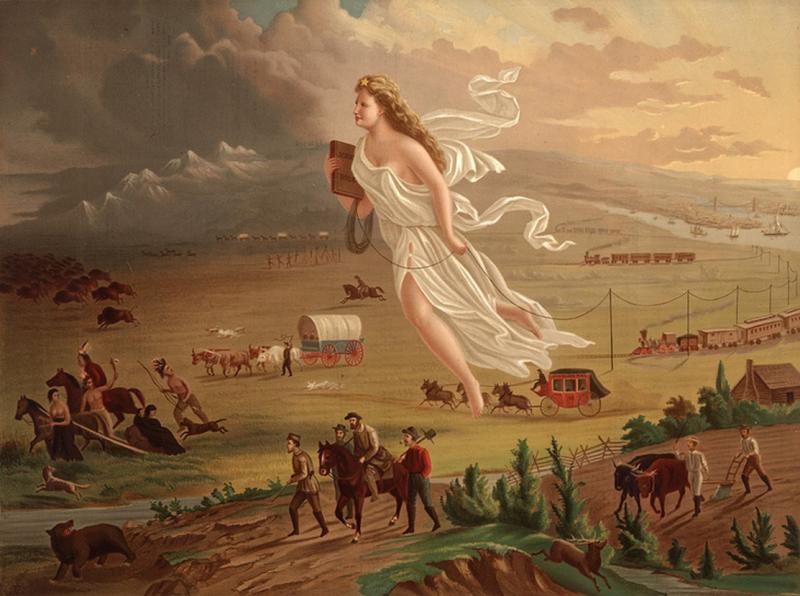
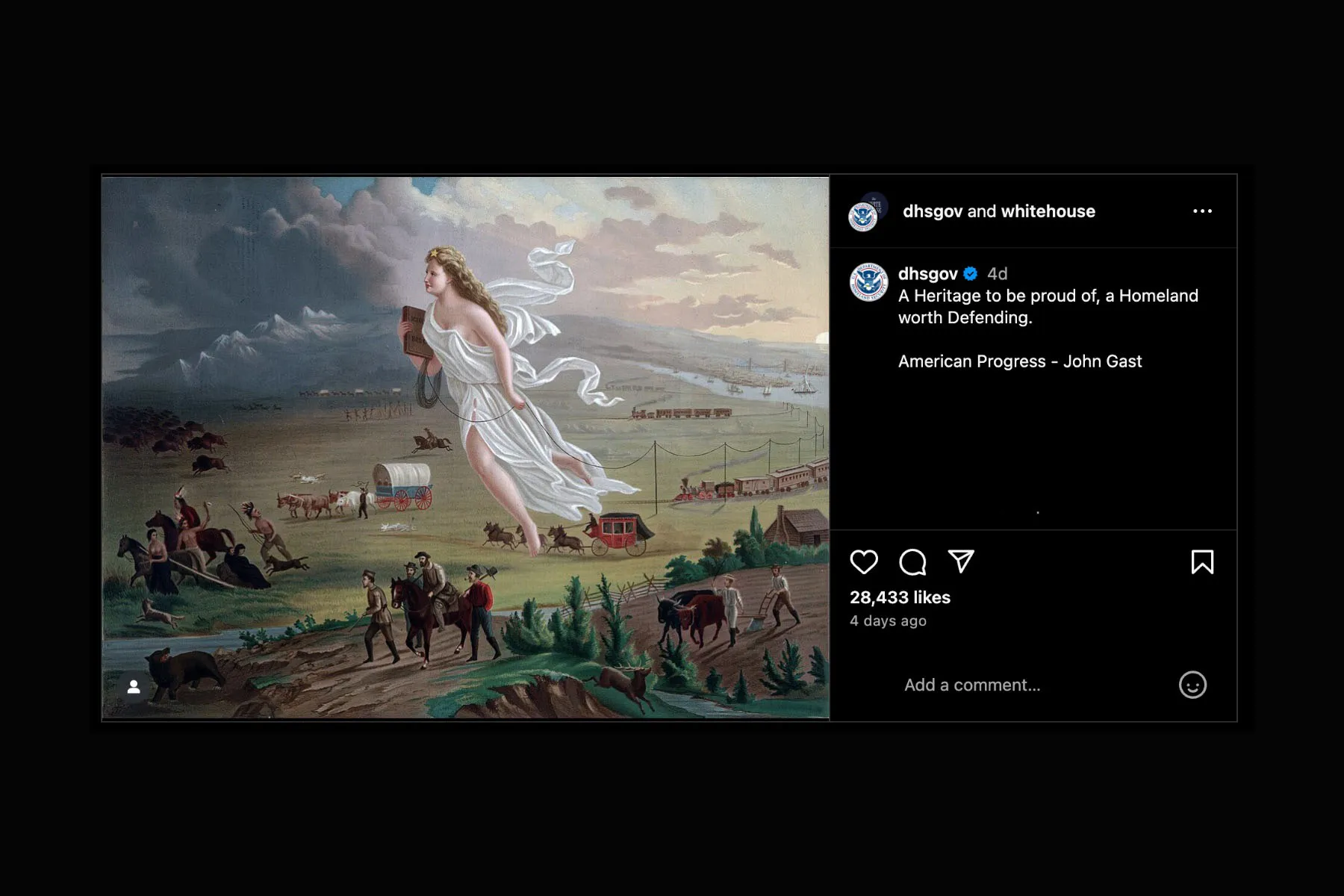
Artists and writers captured the spirit of Manifest Destiny by portraying the American frontier as a place of opportunity and progress. Paintings like John Gast’s American Progressshow a symbolic figure moving westward, carrying technology and civilization. This visual storytelling made the idea of westward expansion feel inevitable and righteous.
Writers contributed by creating stories that celebrated pioneers and settlers, often glossing over the hardships and conflicts. You might find it surprising how literature of the time shaped public opinion by romanticizing the west. Have you ever thought about how stories influence your view of history?
Political Cartoons And Propaganda
Political cartoons played a crucial role in shaping public attitudes toward Manifest Destiny. They used humor and exaggeration to make complex political issues easy to understand. Cartoons often depicted Manifest Destiny as a heroic mission, sometimes ignoring the consequences for Native Americans and other groups.
Propaganda posters and pamphlets spread these ideas even further, encouraging settlers to move west and support government policies. These visuals made the concept of expansion feel personal and urgent. When you see such images today, how do they change the way you think about America’s past ambitions?
Legacy And Modern Perspectives
The legacy of Manifest Destiny shapes how many view American history. It reflects a time of growth and conflict. This idea pushed the U.S. to expand its borders. It also brought challenges and deep consequences. Today, people study its impact with fresh eyes. They question the motives and the effects on native peoples and other groups. The story of Manifest Destiny is complex and ongoing.
Reevaluating Historical Impact
Historians now look beyond just expansion. They explore the costs of Manifest Destiny. The movement led to displacement of Native Americans. It also caused conflicts and wars with Mexico. Many see it as a mix of ambition and injustice. New research reveals voices often ignored before. These include indigenous peoples and minorities. Understanding these views changes how we see the past. It shows Manifest Destiny was not just progress. It involved pain and loss for many.
Manifest Destiny’s Influence Today
The idea of Manifest Destiny still influences American culture. It shapes ideas about growth and opportunity. Some people link it to national pride and identity. Others see it as a warning about unchecked power. The concept appears in debates over land and immigration. It also affects how Americans view their role in the world. This legacy invites discussion about fairness and respect. It encourages learning from past mistakes while moving forward.
Credit: 19thnews.org
Frequently Asked Questions
What Is The Historical Meaning Of Manifest Destiny?
Manifest Destiny was a 19th-century belief that the U. S. should expand across North America. It justified westward territorial growth. This idea influenced policies, wars, and settlements, shaping America’s borders and identity during that era.
How Did Manifest Destiny Impact Native Americans?
Manifest Destiny led to the displacement and suffering of Native Americans. U. S. expansion pushed tribes off their lands. It caused conflicts, loss of culture, and forced relocations like the Trail of Tears.
Why Was Manifest Destiny Important In U.s. History?
Manifest Destiny drove U. S. territorial expansion, shaping the nation’s growth. It promoted economic opportunities and national pride. However, it also sparked debates over slavery and intensified regional tensions before the Civil War.
Who Popularized The Term Manifest Destiny?
The term “Manifest Destiny” was popularized by journalist John L. O’Sullivan in 1845. He used it to support U. S. annexation of Texas and western expansion, framing it as a divine right and mission.
Conclusion
Manifest Destiny shaped America’s growth and history deeply. It showed the desire to expand land and power. This idea affected many people and changed the country’s path. It brought both progress and conflict. Understanding Manifest Destiny helps us learn from the past.
It reminds us how ideas shape nations and lives. History is full of lessons worth knowing well.

Similar Posts