What Does Manifest Destiny Mean: Unraveling Historical Impact
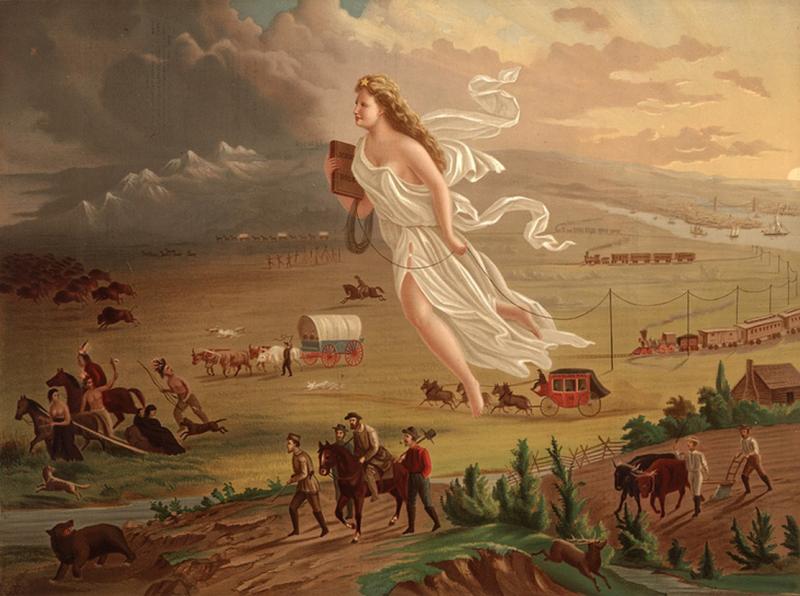
Have you ever wondered why the United States expanded across the continent during the 1800s? The answer lies in a powerful idea called Manifest Destiny.
But what does Manifest Destiny really mean, and why did it shape so much of American history? Understanding this concept can give you a clearer view of how the nation grew and the effects it still has today. Keep reading, and you’ll discover the true meaning behind Manifest Destiny—and why it matters to you.
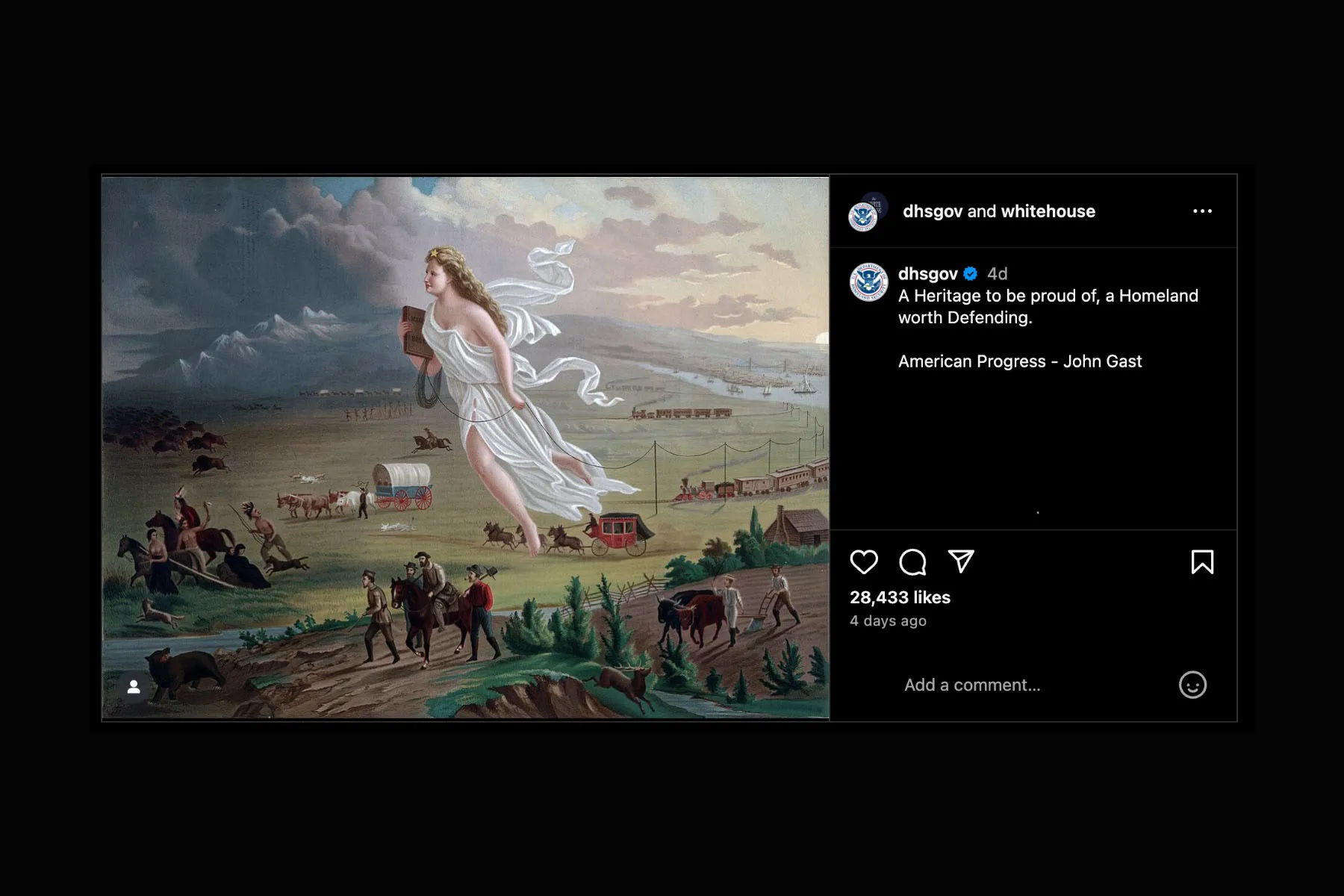
Credit: 19thnews.org
Origins Of Manifest Destiny
Understanding the origins of Manifest Destiny helps you grasp why it became such a powerful idea in American history. This belief didn’t appear overnight; it grew from specific social, political, and intellectual roots in the early 1800s. Knowing these roots reveals how the notion of expanding the nation’s borders became a mission many Americans felt was both natural and necessary.
Early 19th Century America
In the early 1800s, America was still shaping its identity. The country had just doubled in size after the Louisiana Purchase, sparking dreams of more land. People saw the vast western territories as places full of opportunity and promise.
Your ancestors might have looked west with hope, imagining farms, towns, and new lives. But it wasn’t only about land; it was about what that land represented—freedom, wealth, and a fresh start. This sense of possibility laid the groundwork for Manifest Destiny.
Key Influencers And Thinkers
Several political leaders and writers helped popularize the idea. Journalists like John O’Sullivan coined the term “Manifest Destiny” in 1845, arguing that Americans were destined to spread their culture and government across the continent.
Leaders such as President James K. Polk pushed for territorial expansion, believing it was America’s right and duty. Thinkers debated whether this expansion was just a national goal or a divine mission, shaping public opinion along the way.
Political Climate And Expansionism
The political atmosphere of the time was charged with debates about slavery, statehood, and power balance. Expanding the nation wasn’t just about land—it was about control and influence.
When you consider the fierce debates in Congress and the push for new states, it’s clear that Manifest Destiny was as much political strategy as it was idealism. How do you think these political struggles influenced the way Americans viewed their country’s future?

Credit: www.msnbc.com
Core Beliefs And Goals
Understanding the core beliefs and goals of Manifest Destiny helps you see why this idea shaped so much of American history. It wasn’t just about land; it was a powerful mix of faith, ambition, and cultural attitudes. These beliefs pushed the country to expand, sometimes with consequences that still affect us today.
Divine Right And Mission
Manifest Destiny was deeply tied to the belief that Americans had a divine right to expand across the continent. Many people thought it was their God-given mission to spread democracy and civilization. This sense of purpose gave them confidence and justification for taking new lands.
Imagine feeling your actions are supported by a higher power—it changes how you approach challenges. This belief made expansion seem not only acceptable but necessary, almost like a duty you couldn’t ignore.
Territorial Ambitions
At its core, Manifest Destiny was about growing the nation’s borders. Americans wanted new territories for farming, trade, and settlement. This hunger for land was practical but also fueled by dreams of opportunity and prosperity.
Think about how owning land can change your life—it’s about security and freedom. That’s why so many people supported pushing westward, hoping for a fresh start and better chances.
Cultural And Racial Justifications
Many supporters of Manifest Destiny believed that American culture and values were superior to those of Native Americans and other groups. This belief was used to justify taking land and displacing people. It’s a harsh reality that these ideas led to conflict and suffering.
Have you ever questioned a belief that seemed normal in your community? Understanding these justifications helps you see how powerful and dangerous unquestioned ideas can be. It challenges you to think critically about what you accept as true.
Major Events Driven By Manifest Destiny
Manifest Destiny shaped many key moments in American history. This belief pushed the United States to grow larger and stronger. It inspired people to move west and claim new lands. Several major events show how Manifest Destiny changed the nation.
Louisiana Purchase And Westward Expansion
The Louisiana Purchase doubled the size of the U.S. in 1803. It gave America control of vast lands west of the Mississippi River. This deal opened the door to westward expansion. Settlers moved into new territories seeking land and opportunity. This expansion helped fulfill the dream of spreading across the continent.
Texas Annexation And Mexican-american War
Texas joined the United States in 1845 after gaining independence from Mexico. This annexation angered Mexico and led to the Mexican-American War. The war ended with the Treaty of Guadalupe Hidalgo in 1848. America gained a large portion of land in the Southwest. This victory further extended the country’s borders toward the Pacific Ocean.
Oregon Trail And Settlement
The Oregon Trail was a main route for settlers moving west. Thousands traveled this path seeking fertile land and new lives. The U.S. and Britain settled the Oregon Territory dispute peacefully in 1846. This agreement gave America control of the land. Settlers built farms and towns, expanding the nation’s reach and influence.
Impact On Indigenous Peoples
Manifest Destiny reshaped the lives of Indigenous peoples across North America. The drive to expand the United States caused major changes for native communities. These changes affected their lands, cultures, and ways of living. Understanding this impact is key to grasping the full story of Manifest Destiny.
Displacement And Conflict
Indigenous peoples were forced off their ancestral lands. Settlers and the government claimed these lands for farming and towns. This led to many violent clashes. Wars and battles broke out over territory and resources. Many native groups lost homes and access to vital resources. Forced relocations, like the Trail of Tears, caused great suffering and death.
Cultural Consequences
The loss of land disrupted traditional ways of life. Hunting, farming, and spiritual practices depended on specific places. Boarding schools tried to erase native languages and customs. Children were taken from families to be “civilized.” This caused deep wounds in indigenous cultures. Many traditions were lost or hidden to survive.
Resistance And Survival
Despite hardships, Indigenous peoples resisted. Some fought in battles to protect their homes. Others used diplomacy to negotiate rights and treaties. Many worked to preserve languages and traditions secretly. Today, native communities continue to revive and celebrate their cultures. Their resilience shows the strength to survive and adapt.
Economic And Political Effects
The idea of Manifest Destiny reshaped the United States in many ways, especially in its economy and politics. It wasn’t just about land; it influenced how people worked, where they lived, and who held power. Understanding these effects helps you see how the country’s growth was connected to everyday lives and government decisions.
Growth Of Agriculture And Industry
As new lands opened up, farming expanded rapidly. Farmers moved west, planting crops like wheat and corn, which boosted food production nationwide.
At the same time, industry grew to support this agricultural boom. Factories started producing more tools, machines, and goods needed for farming and daily life.
This created jobs and helped towns grow into cities. Have you ever thought about how your morning breakfast might be linked to those early farms and factories?
Shifts In Political Power
New territories changed the balance between free and slave states. This sparked intense debates in Congress, influencing laws and elections.
Political parties had to adapt, often splitting over these issues. This shift affected who got elected and what policies were prioritized.
These struggles shaped the nation’s future, pushing it toward conflict. Can you imagine how different your community might be if those political battles never happened?
Emergence Of New States
Manifest Destiny led to many new states joining the Union. Each new state brought unique cultures, economies, and political views.
This growth meant more representation in government and more voices in shaping national policies.
It also created challenges in managing such a vast and diverse country. How do you think adding new states today would affect our political landscape?
Legacy And Modern Reflections
The legacy of Manifest Destiny shapes America’s culture and views today. It reflects the nation’s past ambitions and challenges. This idea still influences how many see the U.S. role in the world.
Its effects appear in many areas, from politics to social values. The debate around Manifest Destiny shows how history affects modern thoughts. Understanding this legacy helps us grasp current American identity and policies.
Continued Influence On American Identity
Manifest Destiny helped form the idea of American exceptionalism. It gave people a sense of purpose and national pride. The belief in spreading freedom and democracy remains strong in U.S. culture.
Many Americans still view the country as a leader and pioneer. This mindset affects policies on immigration, foreign affairs, and growth. The dream of expanding opportunities is part of the national story.
Controversies And Critiques
Manifest Destiny caused displacement and suffering for Native Americans. It led to wars and conflicts with Mexico and others. Many criticize it as a justification for unjust actions.
Modern scholars question the ethics behind expansion. They highlight the negative impact on indigenous peoples and the environment. This critique encourages a more balanced view of history.
Lessons For Contemporary Expansionism
Manifest Destiny teaches caution about aggressive growth and control. It shows the risks of ignoring other cultures and rights. Today’s leaders can learn to respect diversity and international laws.
Expansion must consider fairness and long-term effects. Cooperation and dialogue are better than force and dominance. These lessons guide modern policies in a global world.

Credit: aspenjournalism.org
Frequently Asked Questions
What Does Manifest Destiny Mean In Us History?
Manifest Destiny was a 19th-century belief that the US was destined to expand across North America. It promoted territorial growth and justified westward expansion.
Why Was Manifest Destiny Important To Americans?
It inspired national pride and justified expansion. It shaped policies, led to new states, and influenced American identity and politics.
How Did Manifest Destiny Affect Native Americans?
Manifest Destiny led to forced removal, loss of land, and conflicts with Native American tribes. It caused significant displacement and suffering.
What Role Did Manifest Destiny Play In Us Politics?
It influenced debates on slavery, statehood, and territorial rights. It fueled tensions that eventually contributed to the Civil War.
Conclusion
Manifest Destiny shaped America’s growth and history deeply. It pushed people west, changing the nation’s map and culture. The idea brought hope but also caused conflicts and struggles. Understanding it helps us see how the U. S. Became what it is today.
This concept shows the power of belief in shaping a country’s future. It reminds us to think about progress and its costs. Manifest Destiny is more than a phrase—it’s a key part of American history.

Similar Posts