What Information Must Be Included on a Hazardous Waste Manifest: Essential Details
If you handle hazardous waste, you know how important it is to keep everything safe and legal. One key part of this process is the hazardous waste manifest.
But what exactly must you include on this document to avoid costly mistakes and ensure smooth transport? Getting it right can protect you, your business, and the environment. You’ll discover the essential information that must be on your hazardous waste manifest—and why missing even one detail can cause serious problems.
Keep reading to make sure you’re fully prepared and compliant.
Purpose Of A Hazardous Waste Manifest
The purpose of a hazardous waste manifest is to track hazardous waste safely. This document ensures that waste moves from its origin to its final disposal site. It helps prevent illegal dumping and environmental damage.
The manifest creates a clear paper trail. Each party involved signs and keeps a copy. This process holds everyone responsible for proper waste handling.
Tracking Waste From Start To Finish
The manifest records details about the waste and its journey. It shows who generates, transports, and receives the waste. This tracking ensures the waste does not go missing or get mishandled.
Ensuring Legal Compliance
The manifest helps companies follow government rules. It shows that hazardous waste is handled according to laws. This reduces risks of fines and legal issues.
Protecting People And The Environment
Proper documentation helps avoid accidents and pollution. It guides safe transport and disposal methods. This protects workers, communities, and nature from harm.
Providing Clear Communication
The manifest shares key information about the waste. This includes type, quantity, and hazards. Clear communication helps everyone manage the waste safely and efficiently.
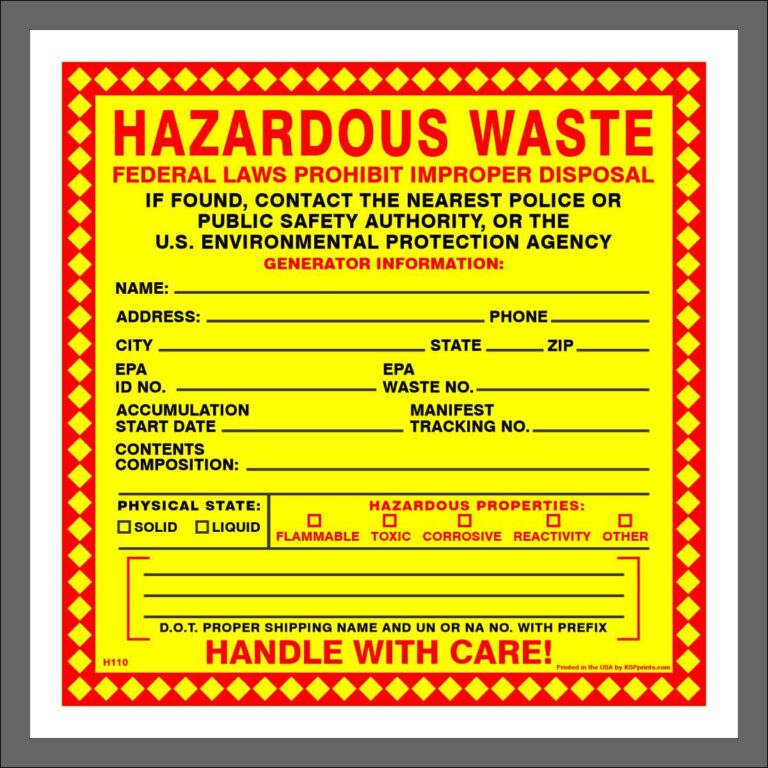
Credit: www.securewaste.net
Key Identification Details
Key identification details are crucial on a hazardous waste manifest. They ensure all parties involved can track the waste safely. Clear, accurate data helps prevent errors and legal issues. Each section captures important information about the waste journey.
Generator Information
The generator is the source of the hazardous waste. Their name and address must be listed clearly. Contact details like phone number are essential for quick communication. The EPA identification number is mandatory to verify the generator’s credentials. This information confirms the waste origin and who is responsible for it.
Transporter Information
The transporter moves the hazardous waste from the generator to the disposal site. The manifest must include the transporter’s name and address. Their EPA identification number is also required. Contact information allows for immediate contact if issues arise during transport. Accurate transporter details ensure accountability in handling the waste safely.
Receiving Facility Details
The receiving facility is where the hazardous waste is treated, stored, or disposed of. The manifest must list the facility’s name, address, and phone number. The EPA identification number of the facility is crucial for legal tracking. Clear details verify the waste reaches the correct location for proper management.
Waste Description Requirements
When filling out a hazardous waste manifest, the waste description is a critical section that ensures everyone handling the waste knows exactly what they’re dealing with. Precise information here helps prevent accidents and ensures compliance with regulations. Let’s break down what you need to include in this part of the manifest.
Waste Codes And Classification
You must list the correct waste codes assigned by regulatory agencies like the EPA. These codes classify the waste based on its hazard type, such as ignitable, corrosive, or toxic. Using the right codes helps waste handlers quickly identify risks and handle the material safely.
Have you ever wondered why a single wrong code could cause delays or fines? Accurate classification avoids these issues and keeps your waste moving smoothly through the disposal process.
Physical And Chemical Characteristics
Describe the waste’s physical state—whether it’s solid, liquid, or gas. Include key chemical properties like pH, volatility, or reactivity. This info guides treatment methods and storage precautions.
Think about how different handling procedures are needed for a liquid solvent versus solid metal scraps. Sharing these details prevents mishandling that could lead to spills or dangerous reactions.
Quantity And Units Of Measure
Clearly state the amount of waste being transported, using standard units such as kilograms, liters, or gallons. The quantity affects transport regulations and the type of container required.
Have you ever struggled to estimate waste volume correctly? Overestimating can increase costs, while underestimating can lead to regulatory non-compliance. Precise measurement keeps your operation efficient and legal.

Credit: www.danielshealth.com
Manifest Signatures And Certifications
Manifest signatures and certifications are key to tracking hazardous waste safely. They confirm that all parties handle the waste correctly. Each signature acts as a legal promise to follow rules and protect the environment. Understanding these sections helps avoid legal problems and ensures safe waste management.
Generator Certification
The generator must certify the waste details on the manifest. This includes the type, quantity, and proper labeling of the waste. The generator signs to confirm the information is true and complete. This signature shows responsibility for the waste from the start.
Transporter Acknowledgment
Each transporter who handles the waste must sign the manifest. This confirms they received the waste as described. Transporters update the manifest with dates and their contact details. Their signature proves the waste is tracked during transit.
Receiving Facility Confirmation
The final handler or facility signs to confirm waste delivery. They verify the waste matches the manifest description. This signature closes the loop on the waste’s journey. It ensures proper receipt and final handling of hazardous materials.
Additional Required Information
Beyond the basic details, hazardous waste manifests require additional information to ensure safety and compliance. These extra elements help emergency responders act quickly and handlers manage the waste properly. Understanding these details can make your hazardous waste handling smoother and safer.
Emergency Contact Information
Including emergency contact details on the manifest is crucial. This information allows immediate communication if there’s a spill, accident, or any unexpected event during transport.
You should provide the name, phone number, and availability hours of someone who can offer guidance or assistance. Think about who you’d want to reach in a crisis—having that contact clearly listed can save valuable time.
Special Handling Instructions
Not all hazardous wastes are the same. Some require specific precautions or handling techniques.
Detailing special instructions ensures everyone involved knows how to avoid risks. For example, if a waste needs to be kept upright or away from water, state it clearly. Have you ever faced confusion because instructions were missing? Clear directions prevent costly mistakes.
Date And Time Records
Tracking when the waste was packed, transported, and received is vital for accountability. Recording precise dates and times helps verify that regulations are followed and wastes are handled promptly.
This information also supports investigations if problems arise. Imagine trying to trace a spill without knowing when the waste was moved—accurate time records eliminate that guesswork.
Common Errors To Avoid
Common errors on hazardous waste manifests can cause delays and fines. Accurate information is vital for safe and legal waste transport. Avoid mistakes to keep the process smooth. Double-check all details before submitting the manifest.
Incomplete Or Incorrect Generator Information
Omitting the generator’s name or address leads to confusion. Always include full, correct contact details. Use official company names and addresses to prevent errors.
Wrong Waste Description
Describing the waste incorrectly can cause serious issues. Use proper waste codes and names. Avoid vague terms like “chemical waste” without specifics.
Missing Or Inaccurate Quantity Data
Failing to list exact waste amounts disrupts tracking. Measure quantities carefully and record them precisely. Round numbers can cause regulatory problems.
Incorrect Transporter Information
Transporter details must be accurate and complete. Include the carrier’s name, address, and ID number. This ensures accountability during shipment.
Omitting Signatures Or Dates
Every manifest requires signatures from all parties involved. Missing signatures can invalidate the document. Always date the manifest when signed to show timing.
Failure To Update Manifest Copies
Each handler must receive an updated copy of the manifest. Not providing copies leads to compliance issues. Keep records organized and share promptly.
Regulatory Standards And Compliance
Understanding regulatory standards and compliance is essential when handling hazardous waste manifests. These documents must include specific information to meet legal requirements and ensure safe tracking of hazardous materials. Ignoring these rules can lead to serious consequences for your business and the environment.
Federal Regulations
The Resource Conservation and Recovery Act (RCRA) sets the federal standards for hazardous waste manifests. Your manifest must include detailed information such as:
- Generator and transporter identification
- Waste descriptions, including type, quantity, and hazard classification
- Signature from all parties involved to confirm responsibility
The Environmental Protection Agency (EPA) requires this information to track the waste from its origin to its final disposal. Missing or incorrect details can lead to manifest rejection and delays.
State-specific Requirements
States often have additional rules beyond federal laws. For example, California requires extra tracking information on waste origin and destination. Some states also mandate electronic submission of manifests.
You need to check your state’s environmental agency website to confirm local requirements. Compliance with both federal and state rules ensures your hazardous waste shipments are processed smoothly.
Penalties For Non-compliance
Failing to provide accurate or complete information on your hazardous waste manifest can result in hefty fines. Penalties can range from thousands to tens of thousands of dollars per violation.
Beyond fines, you risk legal action and damage to your company’s reputation. Have you ever considered how one small mistake on a manifest could impact your business?
Credit: www4.des.state.nh.us
Frequently Asked Questions
What Is A Hazardous Waste Manifest?
A hazardous waste manifest is a tracking document. It records the transportation and disposal of hazardous waste. It ensures compliance with environmental regulations and safety protocols.
What Information Must Be On A Hazardous Waste Manifest?
The manifest must include generator details, transporter info, waste description, quantity, and destination. It also requires signatures from all parties involved.
Why Is The Manifest Important For Hazardous Waste?
The manifest tracks waste from generation to disposal. It prevents illegal dumping and protects public health. It also ensures regulatory compliance.
Who Is Responsible For Completing The Hazardous Waste Manifest?
The waste generator initiates the manifest. Transporters and disposal facilities must review and sign it. All parties share responsibility for accuracy.
Conclusion
A hazardous waste manifest needs clear and complete information. This helps track waste safely from start to finish. Key details include waste type, quantity, and transporter data. Proper records protect the environment and meet legal rules. Always double-check the manifest for accuracy before shipping.
Keeping good records avoids fines and harm. Remember, clear information keeps waste management smooth and safe.

Similar Posts