What is a Manifest Destiny: Unveiling Its Impact
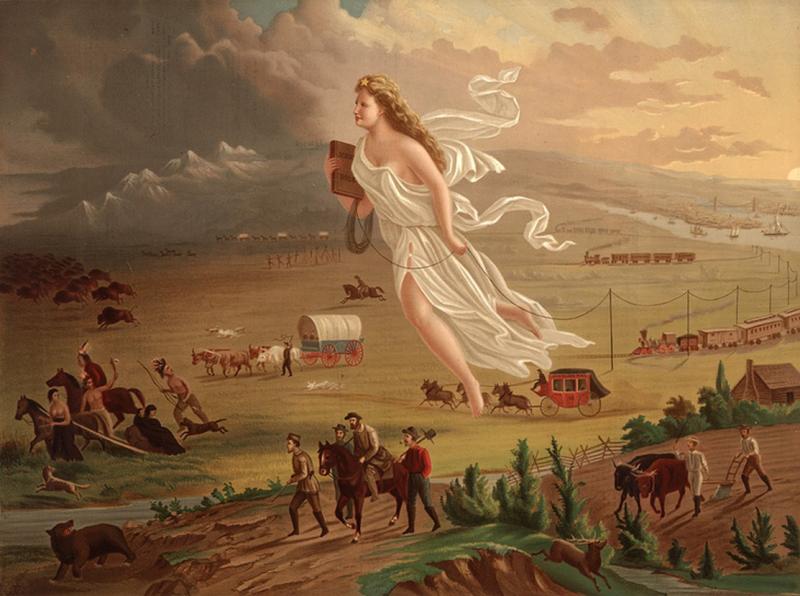
Have you ever wondered why the United States expanded so rapidly across the continent in the 1800s? The answer lies in a powerful idea called Manifest Destiny.
This belief shaped the nation’s history and changed the lives of millions. Understanding Manifest Destiny will give you a clearer picture of how America grew and why it matters today. Keep reading, and you’ll discover the surprising reasons behind this movement and how it still influences the country now.
Origins Of Manifest Destiny
The origins of Manifest Destiny trace back to the early 19th century. It grew from a mix of political ideas, social beliefs, and economic goals. Americans believed they had a special mission to expand their land across the continent. This belief shaped the country’s direction and fueled expansionist policies.
Early 19th Century America
America was young and eager to grow. The population increased rapidly. New states joined the Union. The country stretched westward, driven by the hope for new land and opportunity. Settlers moved into territories that once belonged to Native Americans and other nations.
Political And Social Climate
Politics played a big role in shaping Manifest Destiny. Leaders wanted to spread democracy and freedom. Many Americans thought it was their duty to bring progress to new lands. The idea also reflected a belief in American cultural and racial superiority. This belief justified taking control of new territories.
Key Figures And Influences
Several people inspired and supported Manifest Destiny. President James K. Polk strongly pushed for expansion. Writers and politicians spread the idea through speeches and newspapers. The concept grew popular because it promised power, wealth, and national pride.

Credit: hyperallergic.com
Core Beliefs And Ideals
The core beliefs and ideals of Manifest Destiny shaped America’s path in the 19th century. These ideas motivated people to support expansion across the continent. The beliefs combined political, cultural, and religious thoughts. They justified taking land and spreading American values. Understanding these core ideals helps explain why Manifest Destiny held such strong appeal.
Expansionism And Nationalism
Expansionism was the belief in growing the nation’s territory. Americans felt it was their right to spread west. This idea tied closely to nationalism, pride in the country. Many believed expanding would make the U.S. stronger and more powerful. Nationalism fueled a sense of duty to unite the land from coast to coast.
Religious And Cultural Justifications
Many Americans saw Manifest Destiny as a divine mission. They believed God wanted them to spread Christianity. This religious view made expansion seem like a moral duty. Cultural beliefs also played a role. Americans thought their culture and way of life were superior. They aimed to spread these values to new lands and people.
Manifest Destiny And Democracy
Supporters linked Manifest Destiny to democracy and freedom. They believed spreading the nation would spread democratic government. Expansion was seen as spreading liberty and opportunity. Many thought new territories would become free states. This ideal made Manifest Destiny popular among people who valued democracy.
Territorial Expansion
Territorial expansion was at the heart of Manifest Destiny, driving the United States to grow beyond its original borders. It wasn’t just about adding land; it was about fulfilling a vision of a nation stretching from the Atlantic to the Pacific. Each acquisition brought new challenges and opportunities that shaped the country’s future.
Annexation Of Texas
The annexation of Texas in 1845 marked a significant step in America’s territorial growth. Texas had declared independence from Mexico in 1836, but joining the United States was controversial because it raised tensions over slavery and relations with Mexico.
Imagine being a Texan at the time—caught between two nations and unsure if joining the U.S. would bring safety or conflict. Your decision to support annexation would change the map and lead directly to war.
Oregon Trail And Territory
The Oregon Trail was a route thousands of settlers traveled west, driven by hopes of fertile land and new opportunities. The Oregon Territory, stretching from the Rockies to the Pacific, became a key prize in the race for expansion.
Settlers faced harsh conditions, but their push west forced the U.S. and Britain to negotiate, eventually splitting the territory at the 49th parallel. What would you have done faced with such a risky journey for a chance at a new life?
Mexican-american War
The Mexican-American War (1846-1848) was a direct result of the U.S.’s desire to expand its borders, especially after Texas joined the union. The conflict was brutal but decisive, ending with the Treaty of Guadalupe Hidalgo.
This war reshaped North America, but it also raised difficult questions about war, sovereignty, and justice. How do you weigh the costs of expansion against the promise of growth?
Acquisition Of California And Southwest
The war’s end brought the U.S. vast new lands, including California and the entire Southwest. This area’s diverse culture and resources added complexity to American life and politics.
California’s gold rush soon followed, sparking rapid migration and economic growth. If you were there at the time, would you have seen the gold rush as a blessing or a challenge?
Impact On Native Americans
The concept of Manifest Destiny had a profound and often devastating impact on Native American communities. It reshaped their lives in ways that are still felt today. Understanding these effects helps you see the full picture beyond just territorial expansion.
Displacement And Conflict
Manifest Destiny led to the forced removal of many Native American tribes from their ancestral lands. The Indian Removal Act of 1830 is one stark example, where thousands were pushed westward in what became known as the Trail of Tears.
This displacement sparked violent conflicts as Native Americans resisted losing their homes. Battles like those during the Plains Wars show how deeply this struggle affected Native communities and settlers alike.
Cultural Consequences
The loss of land also meant a loss of cultural identity for many Native Americans. Sacred sites were taken, and traditional ways of life were disrupted or banned by government policies.
Schools aimed to erase Native languages and customs, forcing children to adopt European-American culture. How do you think this cultural loss influences Native American communities today?
Long-term Effects
The impact of Manifest Destiny didn’t end with the 19th century. Many Native American tribes still face economic challenges and social inequalities linked to these historical events.
However, you can also see resilience in efforts to revive languages, traditions, and political rights. What lessons can you draw from this ongoing struggle for identity and sovereignty?
Economic And Political Effects
The idea of Manifest Destiny shaped America’s economy and politics deeply. It pushed the nation to expand westward, stirring big changes. These changes affected how people lived, worked, and governed. Understanding these effects helps us see how the country grew and struggled.
Growth Of American Economy
Manifest Destiny opened new lands for farming and mining. Settlers found rich soil and valuable minerals. New towns and cities grew fast. Trade routes expanded across the continent. Railroads connected distant regions, making travel and trade easier.
This growth created many jobs. Farmers, miners, and builders found work. The economy became more diverse and strong. New markets appeared, boosting business and wealth. The nation’s resources increased, helping it become a world power.
Political Tensions And Sectionalism
Expanding territory caused fights over slavery. The North and South disagreed on new states’ laws. Each side wanted to keep or stop slavery’s spread. These tensions grew into deep political conflicts.
Sectionalism, or loyalty to one region, became stronger. It divided the country and made compromise hard. The debate over states’ rights and federal power increased. These conflicts set the stage for future struggles.
Influence On Future Policies
Manifest Destiny shaped U.S. policies on expansion and governance. Leaders planned how to add new states fairly. Laws were made to manage land and settlers. Policies also addressed Native American lands and rights.
This era influenced America’s role in world affairs. The nation started to think bigger about its place globally. Expansionist ideas guided future decisions and actions. The legacy of Manifest Destiny stayed in politics for years.
Criticism And Opposition
The idea of Manifest Destiny was not accepted by everyone in the 19th century. Many people raised strong objections and criticized the belief that the United States was destined to expand across the continent. Understanding this opposition gives you a clearer view of the complex history behind American expansion.
Anti-expansionist Voices
Not everyone saw westward expansion as a good thing. Some people worried that moving into new territories would lead to unnecessary conflict with Native Americans and other nations.
Others feared that expanding the country too quickly would stretch resources thin and create political instability. You might wonder if rushing to grow is always the best choice—sometimes, caution can protect a nation’s future.
Moral And Ethical Concerns
Many critics questioned the morality of Manifest Destiny. They saw it as a justification for taking land by force and displacing Native American tribes.
Some religious groups and thinkers argued that using divine right to claim land ignored the rights and humanity of the people already living there. When you consider this, it challenges you to think about what fairness really means in the face of ambition.
Impact On Slavery Debate
Manifest Destiny also intensified arguments over slavery. As new territories were added, people debated whether slavery should be allowed there.
This added fuel to the growing conflict between the North and South, pushing the country closer to civil war. Have you ever thought about how expanding land can also expand problems if important issues aren’t resolved first?
Legacy Of Manifest Destiny
The legacy of Manifest Destiny is complex and lasting. It shaped the United States in many ways, affecting its land, people, and politics. This idea pushed the country to expand westward, changing its borders and society forever.
The effects of Manifest Destiny still influence the nation today. It set the stage for modern America’s growth and challenges. Understanding this legacy helps us see how history impacts current events and attitudes.
Shaping Modern America
Manifest Destiny expanded the U.S. territory from the Atlantic to the Pacific. It brought new states into the Union and opened land for farming and cities. This growth created economic opportunities and a stronger national identity.
However, it also caused conflicts with Native Americans and other nations. The forced removal and cultural loss of Native peoples remain painful parts of this history. Manifest Destiny’s impact on migration and settlement patterns still shapes the country’s map today.
Contemporary Reflections
People today view Manifest Destiny with mixed feelings. Some see it as a time of progress and growth. Others highlight the negative effects on indigenous peoples and the environment.
Discussions about land rights and cultural respect often refer back to this era. Manifest Destiny raises questions about justice and fairness in American history. It reminds us to consider all sides of progress.
Lessons For Today
The story of Manifest Destiny teaches important lessons. Growth and expansion bring both benefits and costs. Respecting different cultures and peoples is essential for true progress.
Understanding this history encourages careful decisions about land and resources. It also shows the need to learn from past mistakes to build a more inclusive future.

Credit: www.facebook.com

Credit: www.facebook.com
Frequently Asked Questions
What Is Manifest Destiny In U.s. History?
Manifest Destiny was a 19th-century belief that the U. S. should expand across North America. It justified westward territorial growth and shaped American policy and culture.
Why Was Manifest Destiny Important For America?
It fueled U. S. expansion, economic growth, and national pride. Manifest Destiny influenced policies like the annexation of Texas and the Oregon Trail migration.
How Did Manifest Destiny Affect Native Americans?
It led to displacement and conflict. Native Americans lost land and sovereignty as settlers moved west under this expansionist idea.
When Did Manifest Destiny Take Place?
Manifest Destiny was most prominent from the 1840s to the 1860s, during major territorial acquisitions and westward migration.
Conclusion
Manifest Destiny shaped America’s growth and history deeply. It pushed people west, changing the land and lives. Many felt it was their right to expand. Yet, this idea also caused conflicts and pain. Understanding Manifest Destiny helps us see America’s past clearly.
It shows hope, struggle, and change all at once. The story of Manifest Destiny still matters today. It reminds us how ideas can shape a nation’s path.

Similar Posts