What is a Shipping Manifest: Essential Guide for Smooth Logistics
Have you ever wondered how shipments stay organized and reach the right destination without a hitch? The secret lies in a simple yet powerful document called a shipping manifest.
If you handle shipments or run a business that relies on moving goods, understanding what a shipping manifest is can save you time, reduce errors, and keep your operations running smoothly. You’ll discover exactly what a shipping manifest is, why it’s essential, and how it can make your shipping process easier and more efficient.
Keep reading to unlock the key to smarter shipping management!
Credit: worldcraftlogistics.com
Shipping Manifest Basics
A shipping manifest is a key document in the transport of goods. It lists details about cargo on a ship, truck, or plane. Knowing the basics helps understand how shipping works. This section explains what a shipping manifest is and why it matters.
Definition Of Shipping Manifest
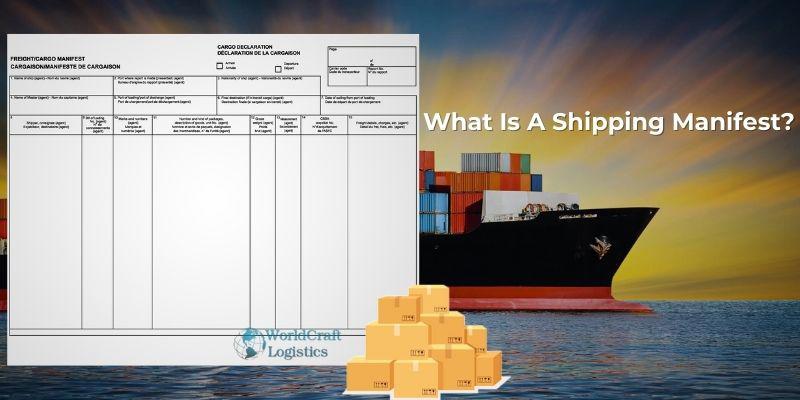
A shipping manifest is a detailed list of cargo carried on a vehicle. It includes information about the items, their quantity, and destination. This document travels with the shipment and guides handlers and customs officers.
The manifest serves as a record. It shows exactly what is on board and helps track goods during transport.
Purpose And Importance
The main purpose is to provide clear cargo details to all involved parties. It ensures everyone knows what is being shipped and where it goes.
- Helps customs check and clear goods quickly
- Assists in tracking shipments throughout the journey
- Supports legal compliance and safety regulations
- Aids in resolving disputes if cargo is lost or damaged
A shipping manifest improves communication between shippers, carriers, and receivers. It reduces errors and delays. This makes shipping smoother and more reliable.
Components Of A Shipping Manifest
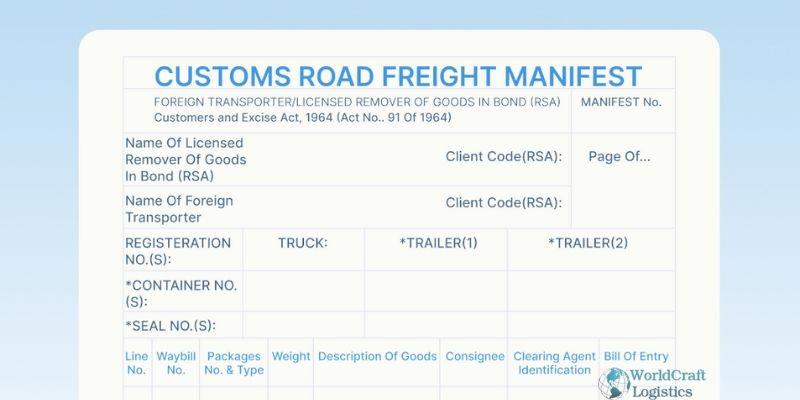
The components of a shipping manifest are essential for clear and organized transportation. This document lists detailed information about the cargo on board. It helps customs officials, carriers, and receivers track the shipment accurately. Knowing the components ensures the manifest serves its purpose effectively.
Key Information Included
A shipping manifest contains several critical details. These help identify and describe the cargo clearly.
- Shipper and Consignee Details:Names and addresses of sender and receiver.
- Description of Goods:Type, quantity, and weight of items.
- Packaging Information:Number of packages and their type, such as boxes or pallets.
- Origin and Destination:Starting point and final delivery location.
- Transport Details:Mode of transport, vessel or vehicle number, and route.
- Special Instructions:Handling requirements or hazardous material notes.
Common Formats Used
Shipping manifests appear in various formats. These depend on the mode of transport and company standards.
- Paper Manifests:Traditional printed documents, often signed by shipper and carrier.
- Electronic Manifests (e-manifests):Digital versions submitted through online systems.
- Standardized Forms:Templates created by organizations like the International Maritime Organization.
- Custom Formats:Tailored documents fitting specific business or regulatory needs.
Types Of Shipping Manifests
Shipping manifests vary depending on the mode of transport. Each type serves a specific purpose and includes detailed information about the cargo. Understanding the differences helps in handling shipments correctly and meeting legal requirements.
Air Cargo Manifests
Air cargo manifests list all goods transported by airplane. They include details like sender, receiver, flight number, and cargo description. These manifests ensure smooth customs clearance and accurate tracking. Airlines use them to verify cargo weight and balance for safe flights.
Ocean Freight Manifests
Ocean freight manifests cover shipments moved by ships. They contain information about containers, packages, and freight types. These manifests help port authorities check goods during loading and unloading. They also assist in tracking shipments across international waters.
Truck And Rail Manifests
Truck and rail manifests document cargo carried by road or rail. They list items, quantities, and destinations. These manifests help drivers and operators ensure correct deliveries. They also assist in regulatory inspections and maintaining supply chain records.

Credit: www.rapidshyp.com
Creating A Shipping Manifest
Creating a shipping manifest is essential for organizing shipment details clearly. It helps track all items being shipped and ensures smooth delivery. A well-prepared manifest reduces errors and saves time during transport and customs checks.
Steps In Preparation
Start by listing every item to be shipped. Include descriptions, quantities, and weights. Gather details about the sender and receiver. Add shipment dates and any special handling instructions. Double-check all information for accuracy. Keep the manifest clear and easy to read. Use a standard format to avoid confusion.
Using Technology For Efficiency
Use software tools to create and store shipping manifests. These tools can auto-fill details and reduce mistakes. Barcode scanners help verify items quickly. Cloud-based systems allow real-time updates and sharing. Digital manifests save paper and speed up processes. Technology makes managing large shipments easier and faster.
Legal And Regulatory Considerations
Shipping manifests must follow strict legal and regulatory rules. These rules protect shipments and ensure smooth customs clearance. Understanding these rules helps avoid fines and delays. Every country has its own laws about shipping documents. Compliance is essential for legal and safe transport of goods.
Compliance With International Laws
Shipping manifests must meet international trade laws. These laws control the movement of goods across borders. Violating them can lead to penalties or shipment seizures. Common international rules include:
- Incoterms that define shipping responsibilities
- Customs regulations from each country
- Trade sanctions and embargoes
- Security standards to prevent illegal goods
Ensuring the manifest complies with these laws reduces risks during shipment.
Documentation Requirements
A shipping manifest must include specific information. This data helps customs officers verify shipments quickly. Required details usually are:
- Names and addresses of sender and receiver
- Description and quantity of goods
- Weight and volume of cargo
- Country of origin for each item
- Transport route and carrier details
Accurate documentation prevents shipment delays and legal issues.
Common Challenges And Solutions
Shipping manifests are vital documents in logistics, but managing them often comes with challenges that can disrupt the entire shipping process. Understanding these common issues and knowing how to solve them can save you time, money, and frustration. Let’s look closely at typical hurdles and practical ways to overcome them.
Handling Errors And Discrepancies
Errors in shipping manifests, such as incorrect item descriptions or missing details, are more common than you might think. These mistakes can cause delays and even legal problems if not caught early.
You can reduce errors by double-checking data entry and using digital tools to automate the process. For example, scanning barcodes instead of typing item numbers manually cuts down on human error significantly.
When discrepancies occur, clear communication between the shipper, carrier, and receiver is key. Ask yourself: Have you set up a quick way for your team to flag and resolve inconsistencies before they escalate?
Improving Accuracy And Timeliness
Accuracy and timeliness go hand in hand in shipping. A manifest that is accurate but late can be just as problematic as one that arrives on time but with errors.
Implementing real-time tracking systems helps you update the manifest as changes happen. This means you’re not stuck with outdated information that could confuse everyone involved.
Also, train your staff on the importance of prompt and precise data entry. Think about how much smoother your operations would run if every person involved understood their role in maintaining manifest integrity.
Benefits Of A Well-managed Shipping Manifest
A well-managed shipping manifest is more than just a list of items being transported. It acts as a backbone for smooth shipping processes and offers tangible benefits that improve your entire logistics chain. Understanding these benefits can help you see why investing time and effort into managing your manifest properly pays off in multiple ways.
Enhancing Logistics Operations
When your shipping manifest is accurate and up-to-date, it streamlines communication between every party involved in the shipment. You can track shipments easily, reducing confusion and errors.
Imagine a situation where your manifest clearly lists all cargo details, weights, and destinations. This clarity allows warehouse staff and transport drivers to prepare efficiently, avoiding last-minute mix-ups. It also helps customs officials process shipments faster, cutting down wait times.
How much smoother would your daily operations be if everyone had the right information at their fingertips?
Reducing Costs And Delays
A precise shipping manifest helps prevent costly mistakes like lost goods or incorrect deliveries. It lowers the risk of fines from customs due to incomplete or wrong documentation.
By avoiding shipment delays, you save on storage fees and keep your customers satisfied. For example, if your manifest lists hazardous materials correctly, you can ensure proper handling, avoiding potential accidents and penalties.
Think about the last time a shipment delay caused a ripple effect in your schedule. Could a better-managed manifest have prevented that?
Future Trends In Shipping Manifests
The future of shipping manifests is shaping up to be more dynamic and efficient. As technology advances, the way we handle shipping documents is changing fast. Understanding these trends can help you stay ahead in the logistics game and avoid costly delays or errors.
Digitalization And Automation
Shipping manifests are moving from paper to digital formats. This shift makes it easier to update and share information instantly across different parties. Imagine no longer having to wait for physical documents to arrive before goods clear customs.
Automation plays a big role here. Systems now automatically fill in manifest details using data from IoT devices and tracking systems. This reduces human error and speeds up the entire shipping process.
You might wonder, how secure is this digital data? Advanced encryption and blockchain technology are being used to protect sensitive shipment information, giving you peace of mind.
Impact On Global Trade
Faster and more accurate shipping manifests can boost global trade by cutting down clearance times at borders. When customs officials get real-time, error-free data, shipments move more smoothly, reducing bottlenecks in busy ports.
For your business, this means quicker deliveries and less risk of penalties for incorrect paperwork. It also opens opportunities to expand into new markets where strict documentation rules often cause delays.
Are you ready to adapt your processes to these changes? Staying informed and investing in digital tools could give you a competitive edge in the international shipping arena.
Credit: worldcraftlogistics.com
Frequently Asked Questions
What Is A Shipping Manifest Used For?
A shipping manifest lists all cargo details on a shipment. It helps track items, verify contents, and ensures accurate delivery. Carriers and customs rely on it for smooth transportation and legal compliance. It improves logistics efficiency and reduces shipping errors.
Who Prepares A Shipping Manifest?
The shipper or freight forwarder usually prepares the shipping manifest. They compile detailed cargo information, including item types, quantities, and destinations. Accurate manifest preparation is crucial for customs clearance and transportation management. It acts as an official record for all parties involved.
How Does A Shipping Manifest Differ From A Bill Of Lading?
A shipping manifest details all cargo on a vessel. A bill of lading is a contract between shipper and carrier for specific goods. The manifest is for shipment tracking, while the bill of lading proves ownership and delivery terms.
Can A Shipping Manifest Improve Supply Chain Transparency?
Yes, a shipping manifest enhances supply chain transparency by providing clear cargo details. It enables real-time tracking and verification of goods in transit. This reduces errors and increases accountability among logistics partners.
Conclusion
A shipping manifest helps track goods during transport. It lists all items clearly for easy checking. This document ensures shipments follow rules and reach the right place. Businesses and carriers rely on manifests to avoid mistakes. Knowing what a shipping manifest is can improve your shipping process.
Always keep the manifest updated and accurate. It saves time and prevents confusion. Simple but important. Understanding this can make shipping smoother for everyone involved.

Similar Posts