What is Clinical Manifestation: Symptoms Explained

Have you ever wondered why doctors ask about your symptoms in such detail? Understanding what’s happening inside your body starts with recognizing clinical manifestations.
These are the signs and symptoms that reveal how a disease or condition shows up in you. Knowing what clinical manifestation means can help you better communicate with healthcare providers and take control of your health. Keep reading to discover how these clues from your body can guide diagnosis and treatment, and why paying attention to them matters more than you might think.

Credit: brieflands.com
Clinical Manifestation Basics
Understanding the basics of clinical manifestation is crucial for anyone interested in health, medicine, or caregiving. Clinical manifestations are the signs and symptoms that show how a disease or condition presents itself in the body. These manifestations give you clues about what might be wrong and guide healthcare providers in deciding the next steps.
Key Concepts
Clinical manifestations include both signsand symptoms. Signs are objective evidence you can observe or measure, like a rash or fever. Symptoms are subjective experiences reported by the patient, such as pain or dizziness.
These manifestations can be:
- Local:Limited to one area, like redness in a cut.
- Systemic:Affecting the entire body, such as fatigue or fever.
Noticing changes in your body can help you recognize when something needs medical attention. Have you ever ignored a small symptom only to find out it was a sign of a bigger problem?
Importance In Diagnosis
Clinical manifestations play a direct role in diagnosing illnesses. Doctors rely on the combination of signs and symptoms to narrow down possible conditions.
For example, a cough with fever might suggest an infection, but adding shortness of breath could point toward pneumonia instead of a simple cold. Each detail matters.
Recognizing clinical manifestations early can lead to faster treatment and better outcomes. Think about how quickly you would act if you noticed sudden chest pain versus a mild headache. Your awareness can make a real difference.
Types Of Symptoms
Symptoms reveal how a disease or condition affects the body. They guide doctors to understand the illness better. Symptoms come in various forms and can affect the body or mind. Knowing their types helps in accurate diagnosis and treatment.
Physical Signs
Physical signs are visible changes in the body. They include swelling, redness, rashes, or bruises. A fever or abnormal heartbeat also counts as a physical sign. These signs are often the first clues to a health issue. Doctors can observe or measure them during an exam.
Psychological Symptoms
Psychological symptoms affect a person’s thoughts or feelings. Examples include anxiety, depression, or confusion. Mood swings and memory loss also fall under this category. These symptoms can be harder to detect without talking to the patient. They often signal mental health or neurological problems.
Acute Vs Chronic
Acute symptoms appear suddenly and last a short time. They often indicate infections or injuries. Chronic symptoms develop slowly and persist for months or years. Conditions like arthritis or diabetes cause chronic symptoms. Understanding this difference helps in planning the right care.
Symptom Patterns
Symptom patterns reveal a lot about the underlying condition causing clinical manifestations. They help you and healthcare providers understand the nature of the illness and decide the best course of action. Paying attention to how symptoms appear and change can offer valuable clues.
Onset And Duration
When did your symptoms start? Sudden onset might point to an acute infection or injury, while gradual onset could suggest a chronic condition. The length of time symptoms last also matters—short-lived symptoms may be less serious than those persisting for weeks or months.
Think about a headache: if it appears suddenly and lasts just a few minutes, it might be tension-related. But if it develops slowly and sticks around, it could signal something more serious like migraines or neurological issues.
Severity Levels
How intense are your symptoms? Mild discomfort might be manageable at home, but severe pain or distress needs immediate attention. Tracking severity helps you communicate clearly with your doctor and can guide treatment choices.
Consider a cough: a mild tickle differs greatly from a persistent, hacking cough that disrupts sleep and daily activities. Recognizing these differences can prevent overlooking serious problems.
Progression And Changes
Do your symptoms get better, worse, or stay the same over time? Some conditions improve on their own, while others worsen if left untreated. Noticing changes in your symptoms can prompt timely medical help.
For example, a rash that spreads or changes color may signal an allergic reaction or infection needing urgent care. Ask yourself: Have you tracked how your symptoms evolve each day?
Role Of Clinical Manifestation In Diseases
Clinical manifestation reveals the visible signs and symptoms of diseases. It helps doctors identify and understand health conditions quickly. Each disease shows unique clinical features that guide diagnosis and treatment. Recognizing these signs is essential to managing illness effectively.
Clinical manifestations vary widely across different disease types. They provide clues about the disease’s cause, progression, and severity. Observing these signs helps in early detection and improves patient outcomes.
Infectious Diseases
Infectious diseases show clinical signs caused by bacteria, viruses, or fungi. Symptoms like fever, cough, and rash are common. These manifestations help distinguish infections from other illnesses. Identifying specific patterns aids in choosing the right treatment. Early recognition prevents spread and reduces complications.
Autoimmune Disorders
Autoimmune disorders occur when the body attacks itself. Clinical manifestations include joint pain, fatigue, and skin changes. These symptoms often develop slowly and vary by individual. Detecting these signs early helps manage the immune response. Proper diagnosis relies heavily on observing these clinical features.
Genetic Conditions
Genetic conditions present through inherited clinical signs. These may include physical abnormalities or developmental delays. Manifestations often appear at birth or during childhood. Recognizing these signs helps in early intervention and support. Genetic testing confirms the diagnosis alongside clinical observation.
Diagnostic Tools And Symptom Evaluation
Understanding clinical manifestations requires a clear grasp of the diagnostic tools and symptom evaluation techniques used by healthcare professionals. These tools help connect the dots between what a patient experiences and what is happening inside their body. By carefully examining symptoms and using targeted tests, doctors can pinpoint the root cause of an illness and tailor the right treatment.
Patient History
Your story is the first and most crucial piece of the diagnostic puzzle. Doctors ask detailed questions about your symptoms, lifestyle, past illnesses, and family history to gather clues.
Have you ever noticed a symptom that seemed minor but later revealed something serious? Sharing these details can change the direction of diagnosis dramatically.
Being honest and thorough during this step helps avoid unnecessary tests and leads to quicker, more accurate results.
Physical Examination
Physical exams provide direct insight into how your body is functioning. The doctor checks vital signs, listens to your heart and lungs, and looks for visible signs of illness.
Simple actions like pressing on your abdomen or checking your reflexes often reveal important information.
These hands-on tests are essential because they validate or question the information from your history, guiding the next steps.
Laboratory Tests
Lab tests offer concrete evidence by analyzing blood, urine, or tissue samples. They help confirm or rule out suspected conditions based on your symptoms and exam findings.
Tests can range from basic blood counts to more specific markers like hormone levels or infection indicators.
Would you expect that something as small as a drop of blood can reveal hidden diseases? These tests often uncover problems before symptoms even appear.

Credit: www.mdpi.com
Challenges In Symptom Interpretation
Interpreting symptoms isn’t always straightforward. Challenges arise because symptoms can be vague, change over time, or even be completely absent. This makes it tough for both patients and healthcare providers to accurately identify what’s happening beneath the surface.
Subjectivity And Variability
How you describe your symptoms can differ greatly from someone else’s experience, even with the same condition. Pain, fatigue, or discomfort are highly personal feelings that don’t have a universal scale.
Think about how one person rates their headache as mild while another calls it unbearable. This subjectivity adds complexity to diagnosis and treatment. It raises a key question: how can healthcare providers rely on such variable reports to make critical decisions?
Overlap Between Conditions
Many symptoms are shared across different illnesses. For example, fatigue and fever can point to infections, autoimmune diseases, or even cancer.
This overlap can lead to confusion and misdiagnosis. It forces you to dig deeper and often requires multiple tests to narrow down the cause. How do you decide when a symptom is just a common sign or a clue to something serious?
Asymptomatic Cases
Some conditions show no symptoms at all, especially in early stages. You might feel perfectly fine while a disease quietly progresses inside your body.
This silent threat makes routine screenings and check-ups crucial. Without symptoms, you might miss the chance for early treatment. Could regular health monitoring be your best defense?
Impact On Treatment Decisions
The clinical manifestation of a disease guides doctors in making treatment decisions. It shows what symptoms are present and how severe they are. This information helps tailor care to each patient’s needs. Understanding these signs is key to effective treatment.
Symptom Management
Doctors focus on easing the symptoms patients experience. Knowing which symptoms appear helps choose the right medicine or therapy. This approach improves patient comfort and daily functioning. Symptom control can prevent conditions from worsening.
Monitoring Disease Progression
Tracking clinical signs helps see if a disease is getting better or worse. Regular checks allow doctors to adjust treatments quickly. This helps avoid complications and keeps the illness under control. Early changes in symptoms can signal a need for new strategies.
Personalized Therapies
Each patient shows different signs of the same disease. Tailoring treatment to these signs ensures better results. Personalized care uses specific drugs or therapies for unique needs. This method increases the chances of successful recovery.
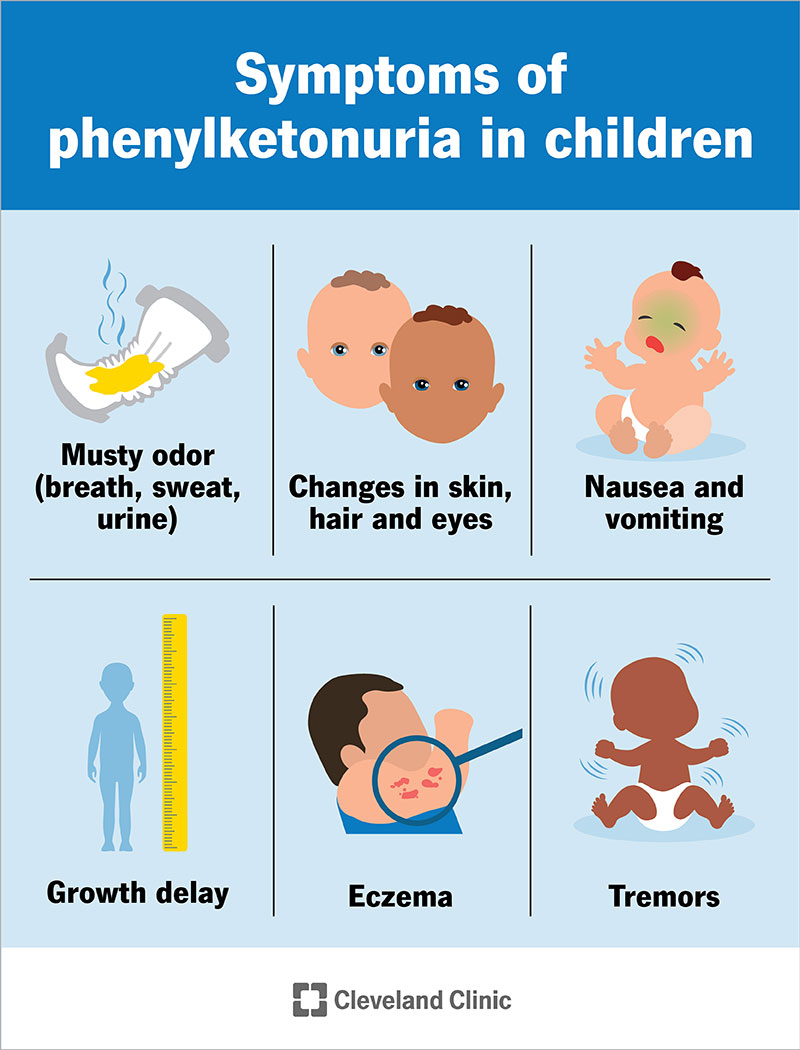
Credit: my.clevelandclinic.org
Frequently Asked Questions
What Does Clinical Manifestation Mean In Medicine?
Clinical manifestation refers to the signs and symptoms shown by a patient. It helps doctors identify and diagnose diseases accurately. These manifestations are the visible effects of an illness on the body or mind.
How Are Clinical Manifestations Identified?
Doctors identify clinical manifestations through physical exams, patient history, and diagnostic tests. These help in understanding the disease’s impact and progression. Accurate identification is crucial for effective treatment plans.
Why Are Clinical Manifestations Important For Diagnosis?
Clinical manifestations provide essential clues about the disease type and severity. They guide healthcare professionals in choosing the right tests and treatments. Without them, diagnosis can be delayed or incorrect.
Can Clinical Manifestations Change Over Time?
Yes, clinical manifestations can evolve as the disease progresses or improves. Monitoring these changes helps assess treatment effectiveness and disease status. Timely updates ensure appropriate medical care adjustments.
Conclusion
Clinical manifestation shows how diseases appear and affect the body. It helps doctors understand symptoms clearly. Knowing these signs aids in quick and accurate diagnosis. Patients can get better care by recognizing changes early. Always pay attention to what your body tells you.
This knowledge supports healthier and safer choices. Understanding clinical manifestation is key to managing health well. Stay aware, stay informed, and act when needed.

Similar Posts