What is Manifest Destiny in Simple Terms: Clear and Concise Guide
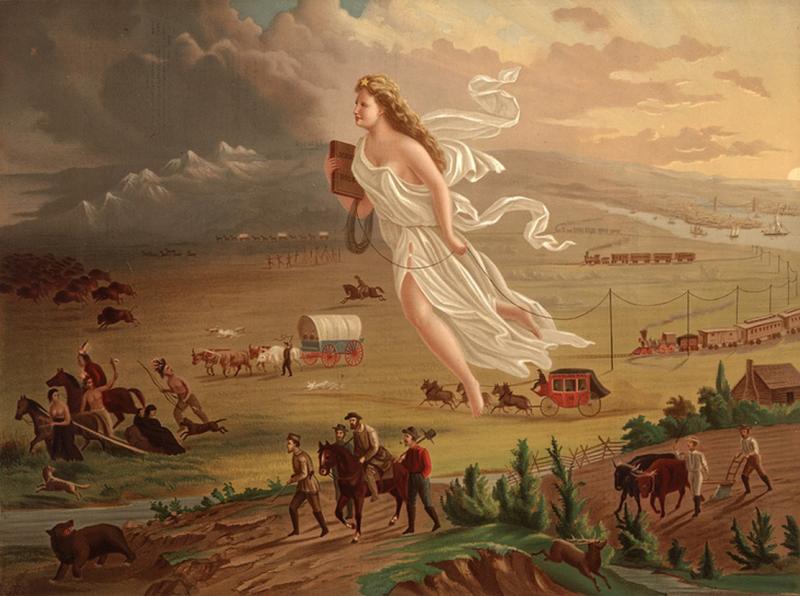
Have you ever wondered why the United States expanded so quickly across the continent in the 1800s? The answer lies in a powerful idea called Manifest Destiny.
It’s a phrase that might sound complicated, but it’s actually pretty simple once you break it down. Understanding Manifest Destiny helps you see how a big belief shaped the country’s history and the lives of millions. Stick with me, and you’ll discover what this term really means—and why it still matters today.
Origins And History
The origins and history of Manifest Destiny reveal much about the mindset and ambitions of 19th-century America. It wasn’t just a random idea but grew from deep beliefs and specific events that shaped the nation’s path. Understanding these roots helps you see why many Americans felt destined to expand their territory across the continent.
Early Ideas And Philosophies
Manifest Destiny began with a belief that the United States was meant to spread freedom and democracy. Many people thought it was their duty to bring progress to the land from the Atlantic to the Pacific. This belief combined ideas of American exceptionalism and a sense of mission.
People like journalist John L. O’Sullivan popularized the term in 1845, arguing that expansion was not just good but inevitable and right. The philosophy linked closely with the idea that the U.S. had a unique role to play in history. Do you ever wonder how powerful ideas can shape a nation’s actions and justify expansion?
Key Historical Events
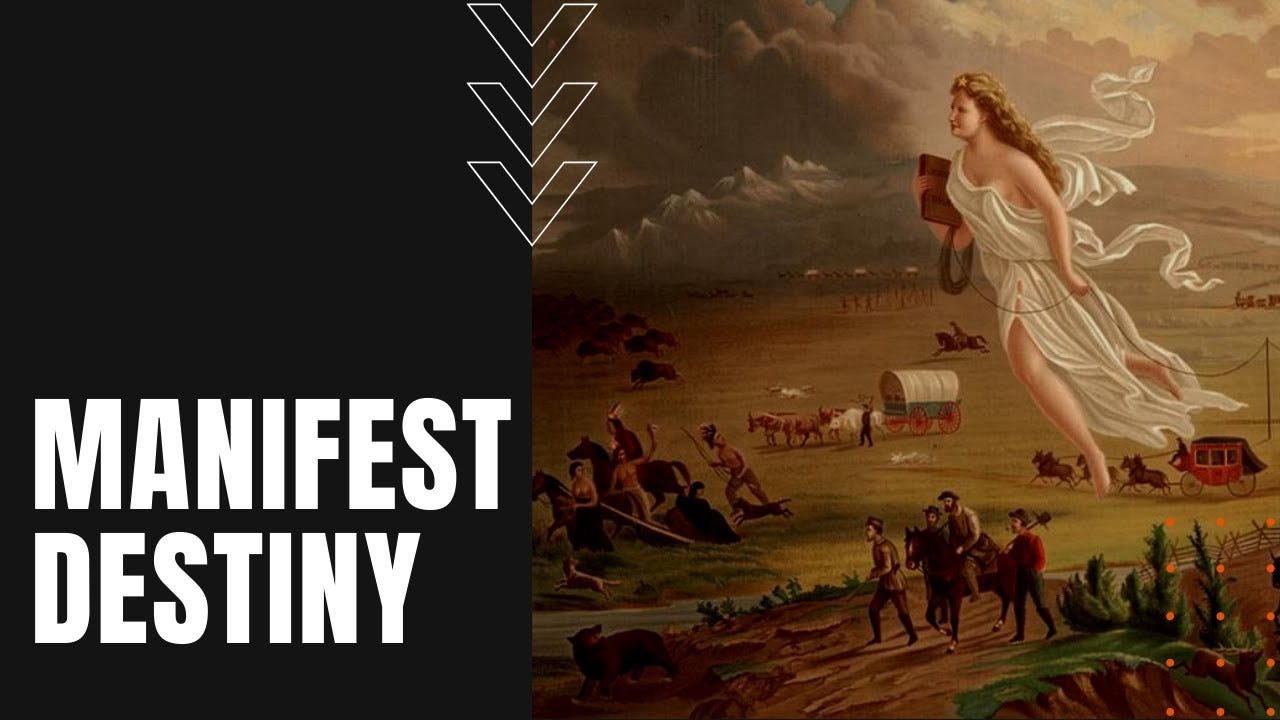
Several major events pushed Manifest Destiny from a belief into action. The Louisiana Purchase doubled the country’s size in 1803, setting the stage for westward growth. Later, the annexation of Texas and the Oregon Trail opened new frontiers.
The Mexican-American War (1846-1848) was critical—it resulted in the U.S. gaining vast territories in the Southwest. The Treaty of Guadalupe Hidalgo officially added these lands, fulfilling much of the Manifest Destiny vision. Can you imagine how these rapid changes affected people living in those regions?
- Louisiana Purchase (1803) – Doubled U.S. territory
- Annexation of Texas (1845) – Sparked conflict with Mexico
- Oregon Trail migration – Opened Northwest for settlement
- Mexican-American War (1846-1848) – Gained California, Arizona, New Mexico
- Treaty of Guadalupe Hidalgo (1848) – Officially transferred land
Credit: pastorbhart.medium.com
Principles And Beliefs
The principles and beliefs behind Manifest Destiny shaped the mindset of many Americans in the 19th century. These ideas fueled the desire to expand the country’s borders and influenced decisions that changed the nation’s history. Understanding these core beliefs helps you see why Manifest Destiny was more than just a policy—it was a powerful vision.
Expansionism
Expansionism was the driving force behind Manifest Destiny. It meant pushing the United States’ boundaries westward to the Pacific Ocean. Many believed that growing the nation’s territory was necessary for economic growth and security.
Think about how you might feel if your own neighborhood kept getting bigger, offering new opportunities but also new challenges. Expansionism promised more land for farming, trade, and settlement. Yet, it also led to conflicts with Native Americans and other countries. Have you ever had to balance growth with respect for others’ space?
American Exceptionalism
American Exceptionalism is the belief that the United States has a unique role in the world. People thought America was chosen to spread its values like democracy and freedom. This belief made many feel their country had a special mission to expand and improve the continent.
This idea can be powerful but also dangerous if it blinds you to other perspectives. When you believe your way is the best, how do you handle differences? Manifest Destiny supporters often saw expansion as a moral duty, which justified actions that today might seem unfair or aggressive.
Impact On Native American Communities
The impact of Manifest Destiny on Native American communities was profound and often devastating. As settlers moved westward, Native Americans faced enormous challenges that altered their lives forever. Understanding this impact helps you grasp the human cost behind the idea of expansion.
Displacement And Conflict
Native American tribes were forced to leave their ancestral lands to make way for settlers. This displacement often meant relocating to unfamiliar and less hospitable areas. Imagine having to leave your home, the place where your family has lived for generations, with little warning or choice.
These forced moves led to violent conflicts. Battles erupted as Native Americans tried to defend their land and way of life. The result was a cycle of suffering and loss on both sides, but especially for Native communities who lost lives, homes, and resources.
Cultural Changes
As Native Americans were pushed into new areas, their traditional ways of life were disrupted. Many were pressured or forced to adopt new customs, languages, and religions brought by settlers and government policies.
This cultural shift was not just about changing habits—it affected identity and community bonds deeply. Think about how losing your language or traditions would affect your sense of who you are. Many Native Americans resisted these changes, but others found ways to blend old and new customs, showing resilience despite harsh circumstances.

Credit: www.teacherspayteachers.com
Role In U.s. Territorial Expansion
Manifest Destiny played a major role in shaping the size and shape of the United States as we know it today. It was more than just an idea—it was a driving force behind many important events and decisions that led to the country’s expansion. Understanding how Manifest Destiny influenced U.S. territorial growth helps you see the real impact of this belief on American history and your nation’s borders.
Acquisition Of Land
Manifest Destiny encouraged the United States to gain new territories across the continent. This belief justified acquiring large areas of land, such as Texas, Oregon, and California. These lands were often obtained through treaties, purchases, and sometimes conflicts.
Take the Louisiana Purchase, for example. It doubled the size of the U.S. overnight. The idea that the country was destined to stretch from the Atlantic to the Pacific made people eager to claim more land.
Influence On Policy
Manifest Destiny shaped government decisions and laws. Leaders pushed for policies that supported westward expansion, like the Homestead Act, which gave free land to settlers willing to live and farm there. These policies encouraged many people to move west and helped the U.S. grow rapidly.
Have you ever thought about how your state’s borders were decided? Many of those decisions came from policies inspired by Manifest Destiny. It affected not just land but also how America dealt with Native Americans, other countries, and new settlers.
Criticism And Controversies
Manifest Destiny was more than just a belief in expansion; it sparked heated debates and raised serious questions about morality and history. Understanding its criticism and controversies helps you see the full picture beyond the popular story of growth and progress. It challenges you to think about who really benefited and who suffered during this era.
Ethical Concerns
Manifest Destiny justified taking land that belonged to Native American tribes and other groups. This led to forced removals, broken treaties, and violent conflicts. You might ask yourself: is the idea of “destiny” enough reason to harm others?
Many people at the time ignored the rights of indigenous peoples and Mexicans living in these territories. The belief in racial superiority often supported this mindset, causing long-lasting damage to communities. Understanding these ethical concerns makes you question whether expansion was truly fair or just.
Debate Among Historians
Historians still argue about Manifest Destiny’s impact. Some see it as a positive force that united the country and sparked economic growth. Others emphasize the suffering it caused and the aggressive nature of expansion.
Do you think history should focus more on the consequences for marginalized groups or the achievements of expansion? This debate affects how we teach and remember this period today. It shows that history is not just facts but a conversation about values and perspectives.
Legacy And Modern Perspectives
The idea of Manifest Destiny shaped the United States deeply. It influenced how the country grew and how people saw their future. This belief affected many areas like politics, culture, and land. Today, people look back at Manifest Destiny with new thoughts and feelings. It is important to understand both its good and bad impacts.
Long-term Effects
Manifest Destiny led to the U.S. expanding its borders across the continent. This growth helped create new states and towns. It also changed the lives of Native American tribes. Many were forced to leave their homes. The idea pushed America to become a stronger power.
Economically, new land brought farming and trade opportunities. Railroads and businesses grew quickly. The country became more connected and rich. Yet, these changes also caused conflicts and wars. Some groups lost land and rights, which left lasting problems.
Reinterpretation In Contemporary Society
Today, people question the old idea of Manifest Destiny. Some see it as a story of progress and courage. Others see it as a cause of unfair treatment and loss.
Schools and books now include different points of view. Native American voices are heard more clearly. Many want to remember the past honestly. This helps build respect and understanding among people.
Modern discussions focus on:
- How Manifest Destiny affected indigenous peoples
- The role of expansion in shaping America
- The importance of fairness and justice in history
These new views help people think carefully about history. They inspire efforts to fix old mistakes and create a fairer future.

Credit: www.teacherspayteachers.com
Frequently Asked Questions
What Is The Basic Meaning Of Manifest Destiny?
Manifest Destiny was a 19th-century belief that the U. S. should expand westward. It promoted territorial growth across North America as a divine right and national mission.
Why Was Manifest Destiny Important In U.s. History?
Manifest Destiny shaped America’s borders and fueled westward expansion. It influenced policies, led to conflicts, and impacted Native American lands significantly.
How Did Manifest Destiny Affect Native Americans?
It led to displacement, loss of land, and cultural disruption for Native Americans. Many tribes were forced to relocate due to U. S. expansion.
What Role Did Manifest Destiny Play In U.s. Politics?
Manifest Destiny influenced political debates, elections, and laws. It heightened tensions over slavery and regional power between North and South.
Conclusion
Manifest Destiny shaped America’s growth and history. It meant the belief in expanding westward. This idea influenced politics, culture, and conflict. People moved to new lands seeking opportunity. The concept also caused tension with Native Americans. Understanding Manifest Destiny helps explain U.
S. Development. It shows how ideas can drive change. History is full of such powerful beliefs. Manifest Destiny remains a key part of America’s story.

Similar Posts