What is Manifest Destiny in US History: Unveiling Expansion
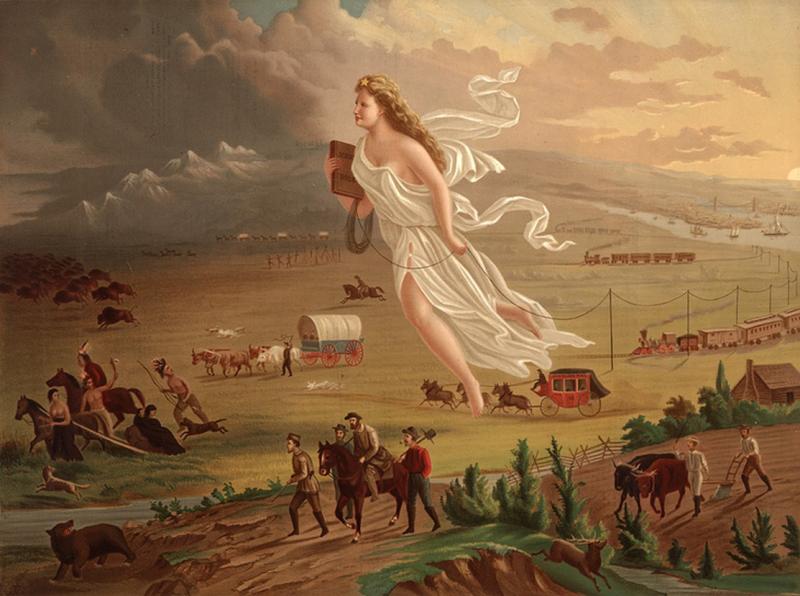
Have you ever wondered why the United States expanded so quickly across the continent in the 1800s? The answer lies in a powerful idea called Manifest Destiny.
This belief shaped the nation’s future and changed the lives of millions. Understanding Manifest Destiny helps you see how history, politics, and dreams of growth came together to create the country you know today. Keep reading, and you’ll discover the story behind this important chapter in U.
S. History and why it still matters to you now.

Credit: www.facebook.com
The Rise Of A Concept
Manifest Destiny wasn’t just a phrase—it was a powerful idea that shaped the United States in the 19th century. It grew from a mix of politics, culture, and ambition. Understanding how this concept took hold helps you see why America expanded westward with such determination.
People believed it was their right and duty to spread their way of life across the continent. But how did this belief start? Let’s look at the roots of Manifest Destiny and the key figures who helped shape it.
Origins Of Manifest Destiny In 19th-century America
The term “Manifest Destiny” first appeared in 1845, but the idea had been developing for decades before that. Americans wanted more land for farming, trade, and settlement. This desire pushed the country to grow beyond its original borders.
Many saw expansion as a sign of progress and a way to spread democracy. Yet, this ambition also raised tough questions. Who had the right to claim the land? What about the Native Americans and other nations living there?
Understanding these early tensions helps you appreciate why Manifest Destiny was both exciting and controversial. It wasn’t just about land—it was about identity, power, and future possibilities.
Thomas Jefferson’s Influence On American Expansionism
Thomas Jefferson played a key role in shaping America’s expansion mindset. As president, he doubled the country’s size by purchasing the Louisiana Territory in 1803. This bold move set a precedent for future growth.
Jefferson believed in an “empire of liberty,” where the United States would grow through peaceful settlement. He imagined a nation of independent farmers spreading across the continent. This vision inspired many Americans to support westward expansion.
However, Jefferson’s policies also raised questions about the balance of power and the treatment of indigenous peoples. His actions show how expansion was tied to complex political and ethical issues—issues you might still wrestle with when thinking about growth and progress today.
Key Principles And Ideologies
Understanding the key principles and ideologies behind Manifest Destiny reveals why this concept held such power in shaping U.S. history. These ideas weren’t just political slogans; they were deeply rooted beliefs that motivated expansion and justified actions. Let’s break down the main pillars that fueled this movement.
Divine Right To Expand: The Role Of Christianity
Many Americans believed their westward expansion was a divine mission. Christianity played a central role in this belief, as people felt they were chosen by God to spread their faith and civilization.
This divine right gave settlers a strong sense of purpose. It also led to the justification of displacing Native Americans, seen as obstacles to a God-ordained plan.
Have you ever wondered how faith can influence political decisions and shape a nation’s destiny?
The ‘american Exceptionalism’ Mindset
American exceptionalism is the idea that the United States has a unique role in the world. People believed the U.S. was destined to lead by example and spread democracy and freedom.
This mindset created a sense of national pride and urgency to expand. It suggested that America was not just another country but a beacon of hope and progress.
Do you think this belief helped unite the country, or did it create unrealistic expectations?
The Concept Of ‘manifest’ Destiny
The term “Manifest Destiny” means the obvious or undeniable fate of the U.S. to expand across the continent. It wasn’t just about land; it was about spreading American values and institutions.
This concept gave political leaders and citizens a clear goal. It turned expansion into a moral obligation rather than a mere political ambition.
What impact do you think believing in a “destiny” has on a country’s actions and policies?
Westward Expansion: A Historical Context
Westward expansion shaped the history of the United States in the 19th century. It was a period when settlers moved west to claim new lands. This movement was driven by the belief in Manifest Destiny—the idea that the U.S. should expand across the continent. Understanding this era requires looking at key events and their impact on the nation’s growth.
The Louisiana Purchase And The Acquisition Of New Lands
In 1803, the U.S. bought the Louisiana Territory from France. This deal doubled the size of the young nation. It opened vast lands for farming and settlement. The purchase sparked interest in exploring and settling the West. It also raised questions about slavery and governance in new territories.
The Mexican-american War And The Treaty Of Guadalupe Hidalgo
The war between the U.S. and Mexico lasted from 1846 to 1848. It ended with the Treaty of Guadalupe Hidalgo. This treaty gave the U.S. a large area called the Mexican Cession. Lands like California, Arizona, and New Mexico became part of the United States. This expanded the country’s borders significantly and fueled further migration west.
The Impact Of The Gold Rush On Westward Expansion
The discovery of gold in California in 1848 changed everything. Thousands rushed to the West Coast hoping to find fortune. Towns and cities grew quickly near gold sites. The Gold Rush helped California join the Union as a state in 1850. It also encouraged more settlers to move west, speeding up expansion.
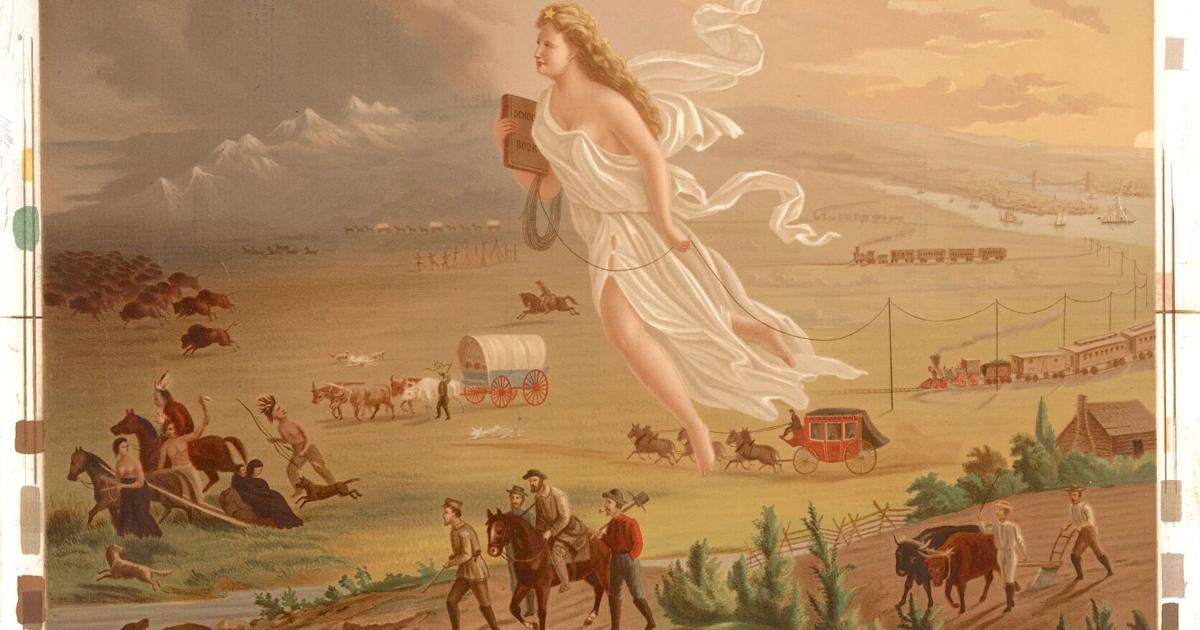
Credit: www.aspendailynews.com
Consequences And Controversies
Manifest Destiny shaped the United States in many ways. It brought growth but also deep problems. The push westward led to serious consequences and sparked many controversies. Understanding these helps us see the full story of this era.
Native American Displacement And Genocide
Manifest Destiny forced many Native Americans from their lands. They faced violence and broken treaties. Entire tribes lost their homes and resources. This displacement caused great suffering and death. Some actions even qualify as genocide due to mass killings and forced removals.
The Role Of Slavery In Manifest Destiny
Expansion raised the issue of slavery in new territories. Southern states wanted to spread slavery westward. This led to intense political conflict between North and South. The debate over slavery’s expansion contributed to rising tensions before the Civil War.
The Impact On The Environment And The Native American Way Of Life
Settlers altered the natural landscape drastically. Forests were cut down and rivers changed. Wildlife populations dropped sharply. Native Americans lost access to hunting and farming lands. Their traditional ways of life faced major disruption and decline.
Legacy And Reevaluation
The legacy of Manifest Destiny remains a powerful force in American history and culture. It shaped the nation’s growth but also led to conflict and controversy. Over time, people have started to question its impact and meaning. The idea that the United States was destined to expand westward has been both praised and criticized.
This reevaluation helps us understand the consequences of expansion, including the effects on Native Americans and other groups. It invites a closer look at history beyond simple stories of progress. The legacy of Manifest Destiny continues to influence debates about identity, power, and justice in the United States.
Manifest Destiny In Modern American Politics
Manifest Destiny still influences some political ideas today. Some politicians use it to support strong national growth. Others see it as a warning about unchecked power. The concept can appear in discussions about borders and immigration. It reminds people of America’s desire to grow and lead.
The Continued Debate Over The Concept’s Validity
Scholars and citizens debate whether Manifest Destiny was good or bad. Some say it was necessary for the country’s success. Others point to the harm it caused to Native peoples and the environment. This debate shows how history can be seen in many ways. It challenges simple ideas about right and wrong.
Unpacking The Complexities Of American History
Manifest Destiny reveals the complex nature of American history. Expansion brought opportunity and hardship. It involved courage, greed, hope, and fear. Understanding this complexity helps us learn from the past. It shows history is not just heroes and villains. Instead, it is a mix of many human experiences.

Credit: www.facebook.com
Frequently Asked Questions
What Is Manifest Destiny In Us History?
Manifest Destiny was a 19th-century belief that the US should expand across North America. It justified westward territorial growth and influenced policies like the Oregon Trail and Mexican-American War.
Why Was Manifest Destiny Important In 1800s America?
Manifest Destiny fueled American expansion, shaping the nation’s borders. It promoted migration, economic growth, and increased tensions over slavery, impacting the country’s political and social landscape.
How Did Manifest Destiny Affect Native Americans?
Manifest Destiny led to Native American displacement, loss of lands, and cultural disruption. Expansion often resulted in conflicts and forced relocations like the Trail of Tears.
What Role Did Manifest Destiny Play In Us-mexico Relations?
Manifest Destiny intensified US-Mexico conflicts, leading to the Mexican-American War. The war ended with the Treaty of Guadalupe Hidalgo, giving the US vast southwestern territories.
Conclusion
Manifest Destiny shaped the growth of the United States deeply. It pushed people west and changed the land. This idea brought new states and conflicts too. Many believed it was their fate to expand. It affected Native Americans and other groups greatly.
Understanding Manifest Destiny helps us see U. S. History clearly. It shows the hopes and struggles of early Americans. The story of Manifest Destiny still matters today. It reminds us how ideas can shape a nation’s path.

Similar Posts