What is Manifest Destiny Mean: Unveiling America’s Expansion
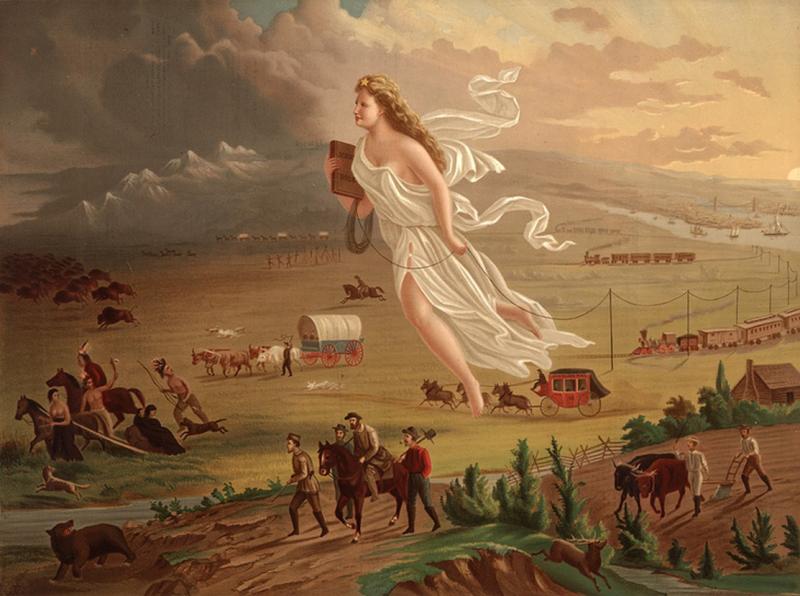
Have you ever wondered why the United States expanded so rapidly across the continent in the 1800s? The answer lies in a powerful idea called Manifest Destiny.
But what does Manifest Destiny really mean, and why did it shape so much of American history? Understanding this concept can change the way you see the country’s past and its impact on today’s world. Keep reading, and you’ll discover the true meaning behind Manifest Destiny and why it matters to you.

Credit: www.msnbc.com
Origins Of Manifest Destiny
The origins of Manifest Destiny lie deep in the early 19th century United States. It grew from ideas about growth, progress, and a special role for America. People believed the nation was meant to spread across the continent. This belief shaped politics, culture, and the country’s future.
Roots In 19th Century America
In the 1800s, Americans wanted more land for farming and settlement. The population was growing fast. Many believed the country had a right and duty to expand westward. This idea linked to national pride and the belief in American exceptionalism.
Economic hopes pushed the idea too. New land meant more resources and opportunities. The idea of Manifest Destiny reflected a mix of ambition and destiny. It justified actions like wars and treaties to gain territory.
Key Influencers And Thinkers
Several leaders helped spread the idea of Manifest Destiny. Politicians, writers, and thinkers shaped public opinion. John L. O’Sullivan, a newspaper editor, first used the term in 1845. He argued that expansion was America’s divine right.
President James K. Polk strongly supported Manifest Destiny. He led efforts to acquire Texas, Oregon, and California. Writers like Ralph Waldo Emerson also inspired belief in American greatness. These figures made Manifest Destiny a powerful force in politics and culture.
Core Beliefs Behind Expansion
The core beliefs behind Manifest Destiny reveal why many Americans felt driven to expand their territory across the continent. These beliefs combined a sense of purpose with practical goals, shaping a powerful motivation for growth. Understanding these ideas helps you see why expansion was more than just land grabbing—it was a deeply held conviction.
Divine Right And Mission
Many Americans believed that their country had a special role to play in spreading freedom and democracy. This belief was often described as a “divine right” to expand from coast to coast. It wasn’t just about acquiring land; it was about fulfilling a mission to bring progress and civilization.
This idea gave people a strong sense of purpose. It made expansion seem like a moral duty, not just a political or economic choice. Have you ever felt motivated by a purpose bigger than yourself? That same feeling drove many settlers and leaders during this time.
Economic And Political Motivations
Beyond the spiritual ideas, practical reasons also pushed expansion forward. The promise of new land meant new opportunities for farming, trade, and business. Many believed that more land would lead to greater wealth and a stronger economy.
Politically, expansion offered a chance to increase the nation’s power and influence. Adding new states meant more representatives in government and a stronger voice on the world stage. Think about how gaining more resources or allies changes your position in any situation—this was a similar strategy on a national level.
Territorial Growth
Territorial growth was a key part of Manifest Destiny, the 19th-century belief that the United States was destined to expand across the North American continent. This idea pushed the country to acquire vast new lands, shaping the nation’s borders and identity. But what did this expansion really mean for the land and the people living there?
Major Land Acquisitions
The United States gained huge amounts of land through several important deals and wars during this period. The Louisiana Purchase in 1803 doubled the size of the country almost overnight, adding territory from the Mississippi River to the Rocky Mountains.
Later, the annexation of Texas and the Oregon Territory extended the nation even further west. The Mexican-American War ended with the Treaty of Guadalupe Hidalgo in 1848, giving the U.S. control over California, Arizona, New Mexico, and other southwestern lands.
Each acquisition brought new opportunities but also raised questions about how these lands would be governed and who would settle there.
Impact On Native Peoples
As the United States expanded, Native American tribes faced devastating consequences. The government often forced them off their ancestral lands to make room for settlers. This led to loss of homes, culture, and lives.
You might ask yourself: How would you feel if your family was suddenly pushed out of their home without any say? Many Native peoples experienced broken treaties and violent conflicts as a result of this forced displacement.
This aspect of territorial growth challenges the idea of Manifest Destiny as purely positive and invites you to consider the human cost behind the maps and borders.

Credit: aspenjournalism.org
Manifest Destiny In Politics
Manifest Destiny was more than just a popular idea; it shaped the very core of American politics during the 19th century. Politicians used it as a guiding principle to justify expansion and influence their policies. Understanding how Manifest Destiny played out in politics helps you see the real impact behind this powerful belief.
Role In Presidential Policies
Several presidents embraced Manifest Destiny to expand the country’s borders. James K. Polk, for example, made it central to his presidency by pushing for the annexation of Texas and the Oregon Territory. His firm belief in the nation’s right to expand led to the Mexican-American War, which added vast lands to the United States.
Other presidents also used Manifest Destiny to gain political support. It helped them appeal to voters eager for growth and opportunity. Have you ever wondered how a single idea could steer so many critical decisions in government?
Debates And Opposition
Manifest Destiny was not without its critics. Many people worried about the impact on Native American lands and the spread of slavery into new territories. These concerns sparked heated debates in Congress and among the public.
Opponents argued that expansion could lead to unnecessary conflicts and moral dilemmas. This division influenced elections and policies, showing that Manifest Destiny was a complex issue, not just a straightforward goal. How do you think these political battles shaped the future of the United States?
Cultural And Social Effects
The idea of Manifest Destiny shaped much more than land expansion. It deeply influenced culture and social life in the United States. The belief that Americans were meant to spread across the continent affected how people saw themselves and others.
Influence On American Identity
Manifest Destiny created a strong sense of pride and purpose. Many Americans felt their country had a special mission. This belief helped form a national identity based on growth and progress. It also promoted ideas of freedom and democracy as core values.
However, this identity often excluded Native Americans and others. It painted them as obstacles to progress rather than as people with their own cultures. This view led to conflicts and justified harsh policies against indigenous groups.
Changes In Society And Demographics
Expansion brought many new settlers to western lands. This migration changed the population makeup of the country. Towns and cities grew rapidly, creating new communities with diverse backgrounds.
Life on the frontier was tough but full of opportunity. People worked hard to build homes, farms, and businesses. The mix of cultures led to new traditions and ways of life, blending different customs.
At the same time, Native American populations suffered greatly. Forced removals and wars caused loss of land and lives. The changes reshaped the social landscape of the entire nation.
Credit: 19thnews.org
Legacy And Modern Perspectives
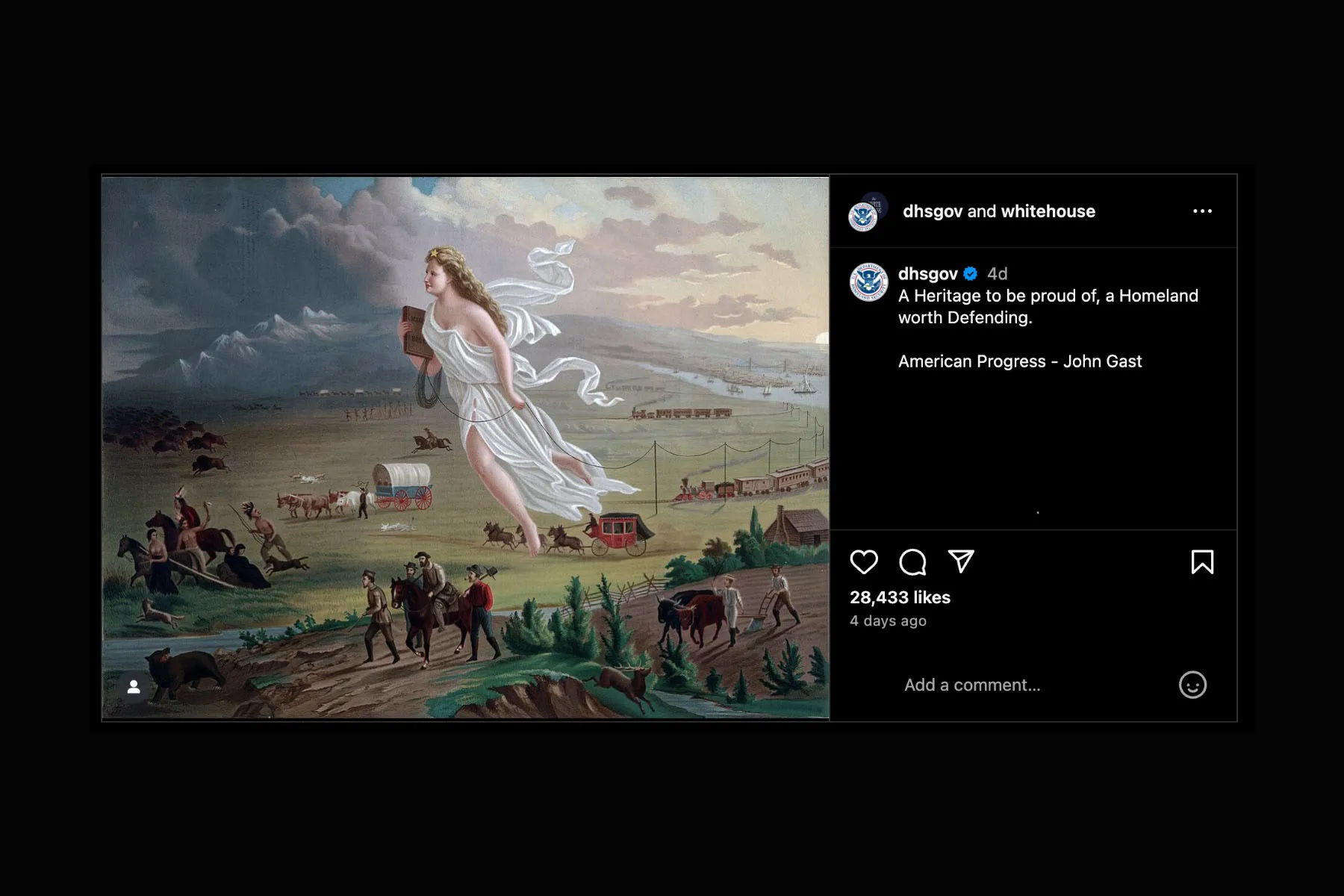
The legacy of Manifest Destiny shapes much of America’s history and identity. It influenced the nation’s borders, culture, and politics. Its impact remains controversial and debated today. Understanding these lasting effects helps us see how the past connects to present-day issues.
Long-term Consequences
Manifest Destiny expanded the United States across the continent. It led to the growth of new states and territories. This growth fueled economic opportunities and migration westward. Yet, it also caused harm to Native American communities. Many were forced off their lands and faced great suffering.
The policy encouraged conflicts like the Mexican-American War. It intensified tensions over slavery, setting the stage for the Civil War. The idea of expansion left a mixed legacy of progress and pain. It shaped American ideas about power and identity for decades.
Reevaluating Manifest Destiny Today
Modern views of Manifest Destiny are more critical. Many see it as a justification for conquest and displacement. The focus now includes the voices of Native Americans and others affected. Scholars examine its role in shaping inequality and racial issues.
Today, Manifest Destiny reminds us to question national myths. It calls for a balanced view of history. Understanding its legacy helps create a more honest conversation about America’s past and future.
Frequently Asked Questions
What Does Manifest Destiny Mean In History?
Manifest Destiny was a 19th-century belief that the U. S. was destined to expand across North America. It justified westward territorial growth and influenced American policies and culture.
Why Was Manifest Destiny Important To America?
Manifest Destiny fueled U. S. expansion, shaping national identity and economy. It led to the acquisition of vast lands, including Texas, California, and Oregon.
How Did Manifest Destiny Affect Native Americans?
Manifest Destiny led to Native American displacement and loss of lands. It caused conflicts, forced removals, and significant cultural disruption for indigenous peoples.
What Role Did Manifest Destiny Play In U.s. Politics?
Manifest Destiny impacted politics by promoting expansionist policies and debates over slavery in new territories. It heightened sectional tensions before the Civil War.
Conclusion
Manifest Destiny shaped America’s growth and future. It inspired many to move west and settle new lands. This idea affected people’s lives and the nation’s path. It brought both hope and conflict along the way. Understanding Manifest Destiny helps us see history clearly.
It shows how ideas can change a country’s direction. The story of Manifest Destiny is part of America’s past. It reminds us how dreams and challenges shape a nation.

Similar Posts