What is Manifestation Determination: A Crucial Guide
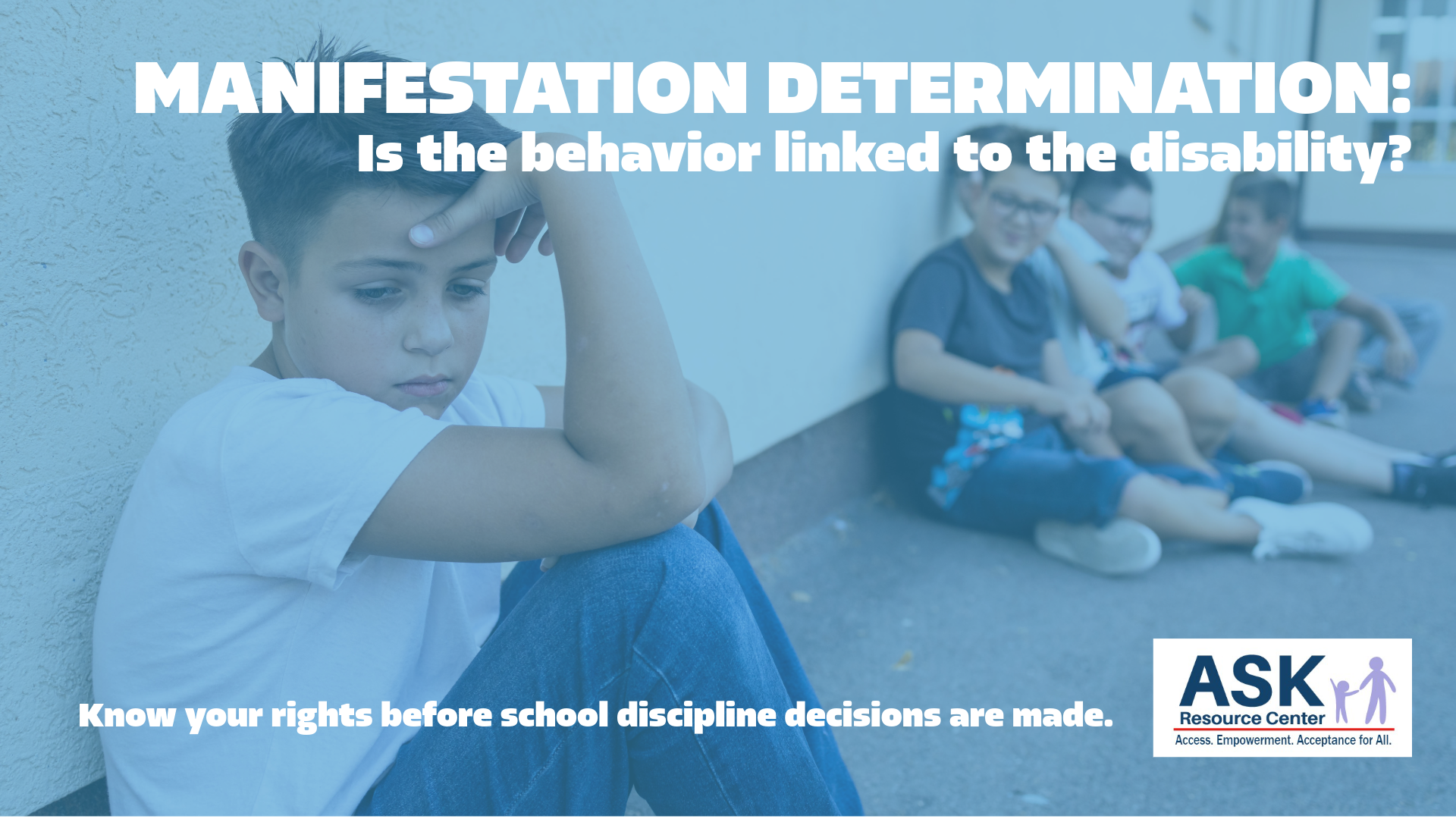
Have you ever wondered what happens when a school needs to decide if a student’s behavior is linked to their disability? This is where something called a Manifestation Determination comes into play.
Understanding this process can make a big difference in protecting your rights or those of someone you care about. You’ll discover exactly what Manifestation Determination means, why it matters, and how it affects decisions in special education. Keep reading to get the clear answers you need.

Credit: www.youtube.com
Manifestation Determination Basics
Manifestation determination is a key process in special education law. It helps decide if a student’s behavior is linked to their disability. Schools use it to make fair decisions about discipline and support. Understanding its basics helps parents and educators work together effectively.
Legal Background
Manifestation determination comes from the Individuals with Disabilities Education Act (IDEA). This law protects students with disabilities from unfair discipline. It requires schools to check if behavior is caused by the student’s disability. This process must happen before major disciplinary actions, like suspension or expulsion.
Purpose And Importance
The main goal is to protect the rights of students with disabilities. It ensures they receive proper support instead of punishment for disability-related behavior. This process helps maintain the student’s access to education. It also guides schools in providing suitable interventions and services.
Credit: samegoal.com
When Manifestation Determination Applies
Understanding when a Manifestation Determination applies is crucial for anyone involved in education or special needs advocacy. This process ensures that disciplinary actions do not unfairly affect students with disabilities. It acts as a safeguard, evaluating whether a student’s behavior is linked to their disability before serious consequences are enforced.
Triggering Events
A Manifestation Determination is triggered when a school considers suspending or expelling a student with a disability for more than 10 consecutive school days.
This also applies if a series of shorter suspensions add up to more than 10 days in a school year.
Think about a student facing repeated disciplinary actions. Each time, the school must ask: Could the disability be influencing this behavior?
Key Timelines
The law requires the Manifestation Determination to happen within 10 school days of the disciplinary decision.
This tight timeline helps ensure decisions are made quickly, protecting the student’s rights.
Missing this deadline can delay appropriate support and impact the student’s education negatively.
Have you ever wondered how timing affects fairness in school discipline? These key timelines ensure that schools act promptly and responsibly.
The Manifestation Determination Process
The Manifestation Determination Process is a crucial step in understanding the connection between a student’s behavior and their disability. It ensures that disciplinary actions are fair and that students receive the support they need. Let’s break down how this process works and what you can expect during each phase.
Gathering Relevant Information
Before any decisions are made, the team collects all important information about the student’s behavior and educational history. This includes recent evaluations, teacher reports, and any notes from counselors or specialists. Gathering this data helps everyone see the full picture of what might have influenced the behavior in question.
Think about a time when you had to make a tough decision without all the facts—how did that feel? This step prevents that by making sure no detail is overlooked.
Conducting The Review Meeting
The team then meets to discuss the information collected. This group usually includes teachers, school psychologists, administrators, and sometimes the student’s parents or guardians. The meeting is a chance to ask questions and share insights about the student’s behavior and circumstances.
During this meeting, everyone works together to understand whether the behavior was linked to the student’s disability. It’s a collaborative effort designed to protect the student’s rights and ensure fairness.
Decision Criteria
The key question is whether the behavior was caused by or had a direct connection to the student’s disability. The team looks at three main points:
- Was the behavior a direct result of the disability?
- Did the school fail to provide the right supports or services?
- Was the behavior caused by the school’s failure to implement the student’s Individualized Education Program (IEP)?
If the answer is yes to any of these, the behavior is considered a manifestation of the disability. This means the student should not face the usual disciplinary actions and instead receive additional support.
Have you ever wondered how schools balance safety with understanding individual challenges? This process is the answer, ensuring that each student gets the chance they deserve.
Roles And Responsibilities
Understanding the roles and responsibilities in manifestation determination helps clarify the process. Each participant has a specific part to play. Their work ensures fair and accurate decisions. This section breaks down the duties of school personnel, parents, guardians, and students.
School Personnel
School staff lead the manifestation determination process. They gather information about the student’s behavior. They review records and consider the student’s disability. Staff members include teachers, counselors, and administrators. They work together to decide if the behavior is linked to the disability. Their goal is to protect the student’s rights and safety.
Parents And Guardians
Parents and guardians have an important voice in the process. They provide insights about the student’s behavior outside school. Their perspective helps the team understand the full situation. They attend meetings and ask questions. Their involvement ensures the team considers all facts before making decisions.
Students
Students also participate in the determination when possible. They can share their thoughts about their actions. This helps the team understand the student’s feelings and challenges. Students learn about their rights and the process. Their input supports fair treatment and respect.
Common Challenges And Solutions
Manifestation determination processes can face several challenges. These challenges can affect the fairness and accuracy of decisions. Knowing common issues helps schools and families handle them better. Solutions improve communication and protect student rights.
Disagreements And Appeals
Disagreements often arise about the outcome of the determination. Parents may feel the decision is unfair or unclear. Schools must explain the reasons clearly and respectfully. If parents disagree, they can appeal the decision.
Appeals allow a second review by an impartial party. This process ensures all facts are checked again. Both sides must provide evidence and stay open to discussion. Clear communication helps reduce conflicts and build trust.
Documentation Tips
Proper documentation is essential for a smooth manifestation determination. Schools should keep detailed records of meetings, decisions, and evidence. Notes should be clear, accurate, and timely.
- Record who attended the meeting and their roles.
- Write down all information used to make decisions.
- Keep copies of reports, evaluations, and communications.
- Document any disagreements and how they were handled.
- Use simple language to avoid confusion later.
Good documentation supports transparency. It also helps if an appeal is needed. Both schools and families benefit from organized and clear records.
Impact On Student Services
Manifestation Determination plays a key role in shaping student services. It ensures students receive the right support when behavioral issues occur. Schools use this process to decide if behavior is linked to a disability. This decision impacts the type of help a student gets. It affects both behavioral and educational services, tailoring support to student needs.
Behavioral Interventions
Behavioral interventions help students improve their actions. Manifestation Determination ensures these interventions match the student’s needs. If behavior relates to a disability, schools must create specific plans. These plans focus on teaching positive behaviors. They reduce the chance of repeating the problem. The process also protects students from unfair discipline.
Special Education Supports
This process affects special education services too. If behavior is part of a disability, students may get more support. Schools adjust Individualized Education Programs (IEPs) to include new strategies. These changes help students succeed in learning and behavior. Manifestation Determination ensures students do not lose their special education rights.
Best Practices For Schools
Best practices for schools in conducting manifestation determinations play a crucial role in protecting students’ rights and ensuring fair disciplinary processes. Getting these practices right means creating a safe and supportive environment where every student’s behavior is understood in context. Schools must be proactive, clear, and consistent in how they approach this sensitive task.
Training Staff
Staff members need thorough training to understand what manifestation determination means and why it matters. This training should cover how to identify if a behavior is linked to a student’s disability and what the legal implications are. Without proper training, even well-intentioned staff can make mistakes that affect a student’s educational experience.
Consider using role-playing scenarios to help staff practice real-life situations. This method makes the training interactive and helps staff feel more confident when making decisions. Ask yourself: Are your team members comfortable recognizing behaviors that might be disability-related?
Regular refresher courses are also essential. Laws and guidelines evolve, and keeping everyone updated prevents outdated practices from creeping in. Training must be ongoing, not just a one-time event.
Ensuring Compliance
Compliance with legal requirements is non-negotiable in manifestation determination processes. Schools should have clear policies that align with federal and state regulations, making documentation and procedures transparent. This clarity helps avoid confusion during investigations and appeals.
Use checklists to track each step of the process—this simple tool can reduce errors and ensure nothing is overlooked. For example, documenting the timeline of events and meetings can protect the school and the student if questions arise later.
Have you reviewed your current policies lately to see if they meet all legal standards? Staying compliant is about constant vigilance and willingness to adjust. Remember, compliance protects both the students’ rights and the school’s integrity.

Credit: shefterlaw.com
Frequently Asked Questions
What Is The Purpose Of Manifestation Determination?
Manifestation determination identifies if a student’s misbehavior is linked to their disability. It ensures fair disciplinary actions under special education laws.
Who Participates In A Manifestation Determination Meeting?
A team including the student’s educators, parents, and relevant specialists participates. They review all information about the student’s behavior and disability.
When Must A Manifestation Determination Be Conducted?
It must happen within 10 school days after a disciplinary action changes the student’s placement for over 10 days.
What Happens If Behavior Is Linked To Disability?
If linked, the student cannot be punished with long-term removal. Instead, the school adjusts supports and services to address the behavior.
Conclusion
Manifestation determination helps schools decide on student discipline fairly. It protects students with disabilities during difficult situations. This process ensures schools follow important legal steps. Parents and teachers should understand how it works. Clear communication can prevent misunderstandings and support the student’s needs.
Knowing this process helps everyone stay informed and prepared. Schools and families must work together for the best outcomes. It’s a key part of supporting students’ rights and education.

Similar Posts