What is Ship Manifest: Essential Guide for Shippers

Have you ever wondered what keeps cargo ships organized and ensures every item on board reaches its destination safely? The answer lies in something called a ship manifest.
If you’re involved in shipping, logistics, or just curious about how goods move across the seas, understanding a ship manifest is crucial. It’s more than just a list—it’s a powerful document that affects customs, security, and the smooth flow of trade.
Keep reading, and you’ll discover exactly what a ship manifest is, why it matters to you, and how it plays a vital role in global shipping.
Ship Manifest Basics
A ship manifest is more than just a list; it’s the backbone of maritime operations. Understanding the basics of a ship manifest helps you grasp how cargo, passengers, and crew details are organized and tracked. This knowledge can improve how you manage shipments or even navigate customs processes.
Key Components
A ship manifest contains several important elements that give a clear picture of what’s on board. These include:
- Vessel Information:Name, registration number, and voyage details.
- Cargo Details:Description, quantity, weight, and packaging of goods.
- Passenger List:Names, nationalities, and identification numbers.
- Crew Information:Roles, ranks, and personal details.
- Port of Origin and Destination:This helps track the route and customs clearance points.
Each component plays a specific role in ensuring the manifest is complete and compliant with regulations.
Purpose And Role
The ship manifest serves multiple critical functions beyond simple record-keeping. It acts as an official document for customs authorities, helping them verify what is being imported or exported.
Think about how customs agents use the manifest to cross-check cargo during inspections. Without it, delays or legal complications could arise, costing time and money.
Additionally, the manifest supports safety and security by detailing who is on board and what is being transported. This information is crucial during emergencies or investigations.
Have you ever wondered how ports keep track of thousands of shipments daily? The ship manifest is a key tool in that complex process.
Credit: www.tenement.org
Types Of Ship Manifests
Ship manifests are official documents listing details about the ship’s contents. These manifests help port authorities, customs, and ship operators keep track of everything on board. Different types of ship manifests serve specific purposes. Each type focuses on a particular group or item carried by the ship.
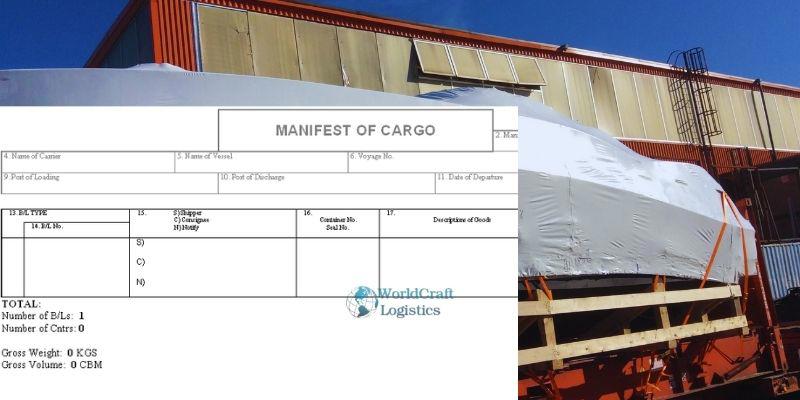
Cargo Manifest
The cargo manifest lists all goods and products loaded on the ship. It includes descriptions, quantities, and destinations of the cargo. This manifest is vital for customs checks and inventory management. It ensures all cargo is accounted for during the voyage.
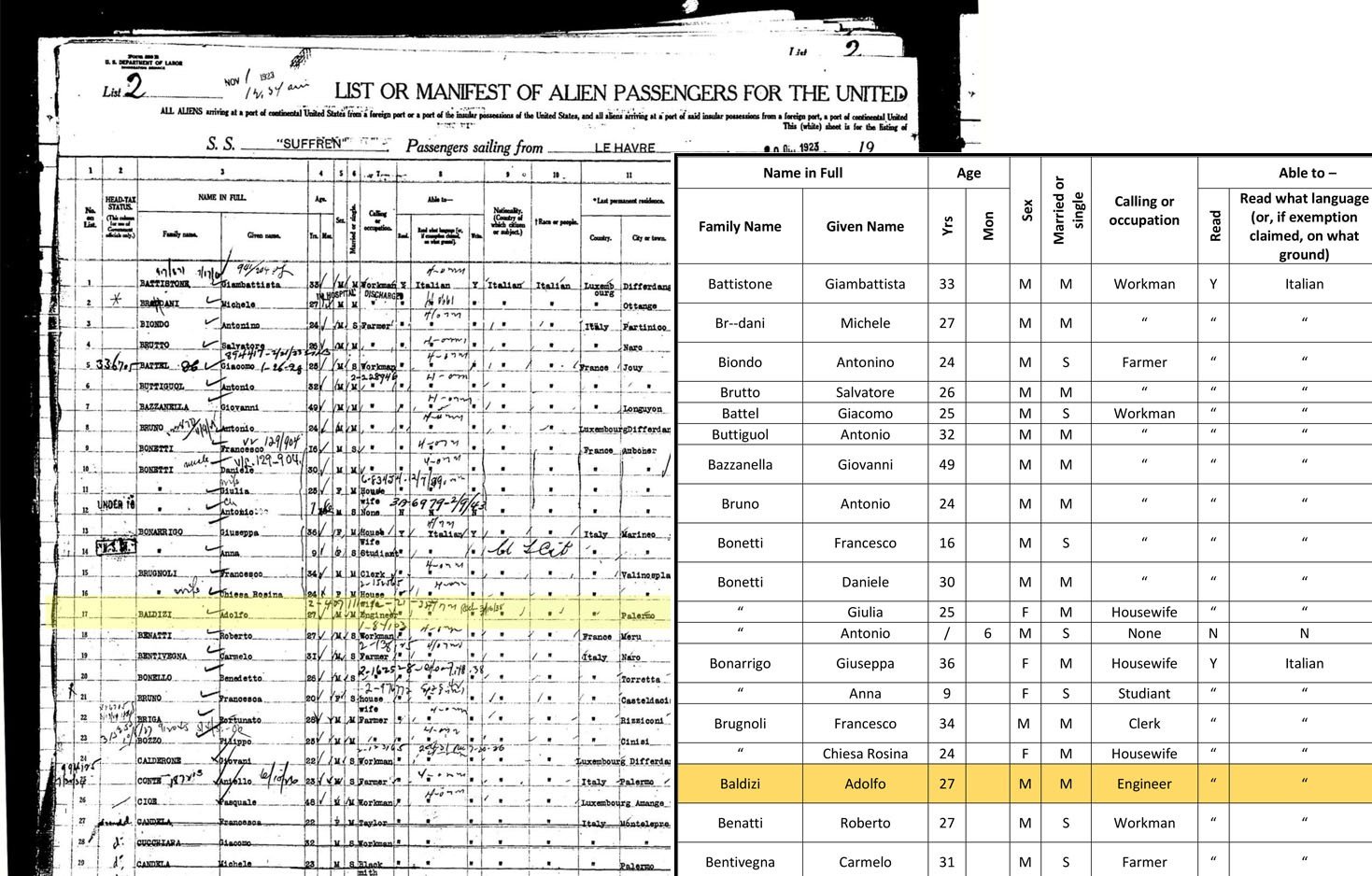
Passenger Manifest
The passenger manifest contains details about all people traveling on the ship. It records names, ages, and sometimes nationalities of passengers. This list helps in emergency situations and immigration control. It is essential for the safety and security of everyone on board.
Crew Manifest
The crew manifest shows information about the ship’s staff and crew members. It includes names, positions, and identification details. This document helps authorities verify who is working on the ship. It also supports safety checks and labor regulations.
Creating A Ship Manifest
Creating a ship manifest is an important task for every shipping operation. It lists all cargo, crew, and passengers onboard. This document helps authorities check the ship’s contents quickly. A clear and accurate manifest ensures smooth port procedures and legal compliance.
Required Information
A ship manifest must include key details to be valid. These details help identify the ship and its contents clearly.
- Name of the ship
- Date and port of departure
- Destination port
- Names of the crew and passengers
- Description of each cargo item
- Quantity and weight of cargo
- Container numbers, if applicable
- Special handling instructions
- Shipper and consignee details
Common Formats
Ship manifests come in different formats depending on regulations and company needs. Some common formats include:
- Standard paper forms with printed tables
- Excel or spreadsheet templates
- PDF files for easy sharing and printing
- Custom software-generated reports
Each format organizes information clearly. Tables and lists are common to keep data easy to read.
Digital Vs Paper Manifests
Digital manifests are becoming more popular in shipping. They offer quick updates and easier sharing. Paper manifests still have a role in many ports and smaller vessels.
| Aspect | Digital Manifest | Paper Manifest |
|---|---|---|
| Speed | Fast to create and update | Slower, requires manual writing |
| Storage | Stored electronically, easy to access | Needs physical space, can be lost |
| Accuracy | Less prone to errors with software checks | Errors more common due to manual entry |
| Port Acceptance | Accepted at most modern ports | Still required in some regions |
Both types have advantages. The choice depends on the ship’s equipment and port rules.
Importance For Shippers
Understanding the importance of a ship manifest can significantly impact how you manage your shipments. As a shipper, this document is more than just a list; it’s a vital tool that ensures your cargo moves smoothly through various checkpoints. It helps you avoid delays, fines, and even legal trouble by keeping your shipments transparent and organized.
Compliance With Regulations
Ship manifests help you meet legal requirements set by maritime and trade authorities. Without a proper manifest, your shipment risks being held up or rejected at ports. This document proves that you’ve declared all items accurately, which is essential for avoiding penalties.
Have you ever dealt with unexpected delays because paperwork wasn’t in order? A complete and accurate manifest can save you from that headache. It shows regulators that you respect their rules, which builds trust and smoothens your shipping process.
Facilitating Customs Clearance
Customs officials rely heavily on the ship manifest to inspect and approve cargo. The manifest lists every item on board, making it easier for customs agents to verify shipments quickly. This speeds up clearance and reduces the chance of your goods getting stuck in customs.
Imagine your shipment sitting idle while officials double-check your cargo. That’s lost time and money you could avoid. A clear manifest ensures your shipment sails through inspections with minimal fuss, keeping your delivery schedules intact.
Enhancing Shipment Tracking
A detailed manifest allows you to track your goods more effectively throughout the shipping journey. It serves as a reference point for you and your logistics partners to confirm what’s on board at any time. This visibility helps you respond faster if issues arise.
Have you ever lost track of a shipment and felt helpless? Keeping an accurate manifest means you always know the status of your cargo. This insight lets you keep your customers informed and manage expectations better.
Challenges And Solutions
Ship manifests face many challenges during preparation and updates. These issues can cause delays and errors in shipping operations. Managing these problems requires clear solutions to keep the process smooth and reliable.
Handling Errors
Errors in ship manifests can lead to shipment delays and legal troubles. Common mistakes include wrong cargo details or missing information. Using digital tools helps reduce human errors. Automated checks verify data before finalizing the manifest. Training staff on accuracy also lowers mistakes.
Updating Manifests
Ship manifests often need updates due to last-minute cargo changes. Updating manually can cause confusion and slow down operations. Cloud-based systems allow real-time updates accessible to all parties. This keeps everyone informed and reduces delays. Clear communication protocols ensure updates are shared quickly.
Security Concerns
Ship manifests contain sensitive data that must stay secure. Unauthorized access risks theft or fraud. Encrypting digital manifests protects data during transmission. Access controls limit who can view or edit the manifest. Regular security audits help find and fix vulnerabilities.

Credit: www.rapidshyp.com
Future Trends In Ship Manifests
The future of ship manifests is set to transform shipping operations worldwide. Advances in technology will improve accuracy and speed in managing cargo details. These changes aim to reduce errors and increase transparency for all parties involved.
Two key trends shaping this future are automation combined with artificial intelligence and the integration of blockchain technology. These trends promise to make ship manifests more reliable and easier to handle.
Automation And Ai
Automation will handle routine tasks in creating and updating ship manifests. Artificial intelligence will analyze data to detect errors and inconsistencies quickly. This reduces manual work and speeds up the entire process.
AI tools can predict potential delays or issues by examining cargo data. This helps crew and managers prepare better and avoid problems. Automation also supports real-time updates, keeping all stakeholders informed instantly.
Blockchain Integration
Blockchain technology will secure ship manifests by making records tamper-proof. Each entry becomes traceable and unchangeable, increasing trust among shipping companies and customs officials.
With blockchain, different parties can access the same manifest data without the risk of fraud. This shared ledger improves transparency and reduces paperwork. It also speeds up customs clearance and cargo handling at ports.
Both automation with AI and blockchain will lead to safer, faster, and more efficient shipping. The industry is moving toward smarter, more connected ship manifests that benefit everyone involved.
Credit: worldcraftlogistics.com
Frequently Asked Questions
What Is A Ship Manifest Used For?
A ship manifest lists all cargo, passengers, and crew aboard a vessel. It helps customs officials verify shipments and ensure safety. It’s essential for legal compliance and tracking goods during transportation.
Who Prepares The Ship Manifest Document?
The ship’s captain or shipping agent typically prepares the ship manifest. They collect accurate cargo and passenger details to complete the document. This ensures smooth customs clearance and shipping operations.
How Does A Ship Manifest Benefit Customs?
Customs use the ship manifest to inspect and verify cargo contents. It prevents illegal goods from entering ports and ensures proper duties are applied. The manifest streamlines the import and export process.
What Details Are Included In A Ship Manifest?
A ship manifest includes cargo descriptions, quantities, origin, destination, and passenger names. It also lists the ship’s details and voyage information. These details ensure transparency and legal compliance in shipping.
Conclusion
A ship manifest lists all cargo, crew, and passengers on board. It helps customs and port officials check shipments quickly. This document ensures safety and legal compliance during shipping. Knowing what a ship manifest is helps you understand shipping processes better.
It plays a key role in trade and transportation worldwide. Keeping the manifest accurate avoids delays and fines. Always remember, the ship manifest is essential for smooth sea travel and cargo handling.

Similar Posts