What was the Goal of Manifest Destiny: Unveiling Its True Purpose
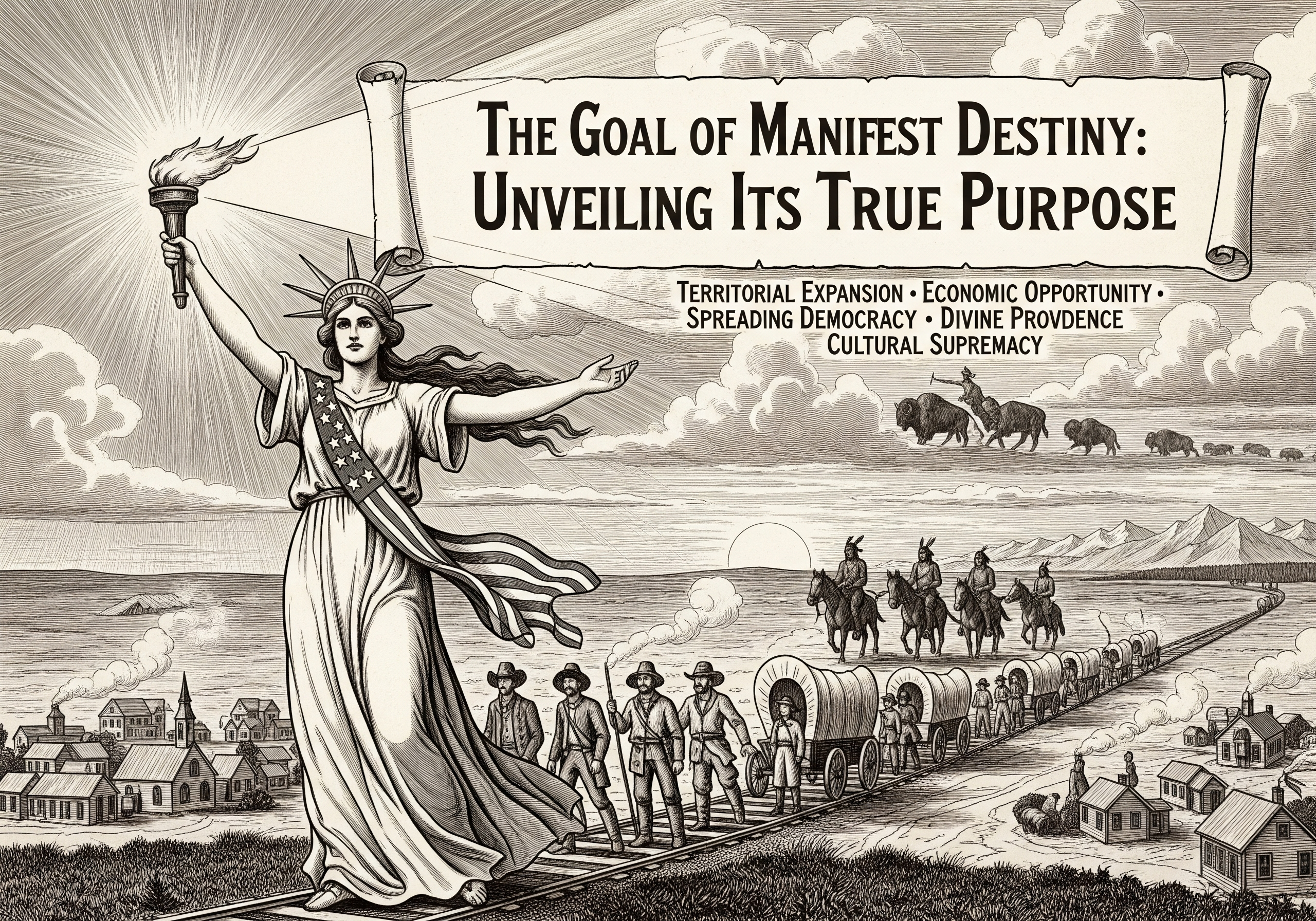
Have you ever wondered why the United States stretched its borders all the way from the Atlantic to the Pacific Ocean? What drove people to move west, facing unknown lands and tough challenges?
The answer lies in a powerful idea called Manifest Destiny. Understanding its goal can change the way you see American history and the decisions that shaped a nation. Keep reading to discover what truly motivated this movement and how it impacted the country—and your story within it.

Credit: www.albert.io
Origins Of Manifest Destiny
Manifest Destiny aimed to expand the United States across North America. It encouraged settlers to move west and claim new lands. The goal was to spread democracy and grow the nation’s power.
Manifest Destiny began as a powerful belief in the United States. People thought the nation had a special mission. This mission was to expand its land across the North American continent. The idea grew from many factors in early America. It was not just about land but also about spreading values and freedom. This belief shaped the country’s growth and politics deeply.
Early 19th Century America
In the early 1800s, America was young and growing fast. The population was increasing quickly. New states joined the Union often. People moved west in search of land and opportunity. The country wanted to stretch from the Atlantic to the Pacific Ocean. Land symbolized wealth and power. Settlers believed it was their right to claim new lands.
Political Climate And Expansionism
The political mood favored growth and strength. Leaders and citizens supported expanding the nation’s borders. The idea of expansion was tied to national pride. Many believed the United States had a destiny to spread democracy. This belief justified acquiring new territories. Debates about slavery and statehood also influenced expansion policies. The government passed laws to help settlers move west.
Key Figures Behind The Idea
- President James K. Polk pushed for territorial growth aggressively.
- Journalists and writers popularized the term “Manifest Destiny”.
- Politicians used the idea to gain support for expansion.
- Military leaders helped secure new lands through conflict and treaties.
- Ordinary settlers played a role by moving and claiming land.
These people shaped Manifest Destiny into a national goal. Their actions helped the United States grow into a larger nation.

Credit: www.youtube.com
Core Objectives Of Manifest Destiny
The core objectives of Manifest Destiny shaped the course of American history. This belief pushed the United States to grow and change rapidly. It was about more than just land. It was about ideas, economy, and culture. These goals drove settlers westward and influenced government policies.
Territorial Expansion
One main goal was to expand the country’s borders. Americans believed they had the right to spread across the continent. This meant acquiring new lands through purchase, war, or settlement. The idea was to reach from the Atlantic to the Pacific Ocean. This growth promised a stronger and larger nation.
Economic Growth And Resources
Economic benefits played a big role in Manifest Destiny. New lands offered rich resources like gold, timber, and fertile soil. These resources helped farmers, miners, and businesses grow. Expanding territory opened new markets for trade and industry. The hope was to create jobs and wealth for many people.
Spreading Democracy And Culture
Spreading American democracy was a key goal. Many believed their way of government was the best. They wanted to share their political ideas with new territories. This included promoting freedom and voting rights, though not for all groups. Along with politics, settlers spread their language, religion, and customs. It was a cultural mission as much as a physical one.
Impact On Native Americans
The goal of Manifest Destiny deeply affected Native Americans. Their lives changed as settlers moved west. This expansion brought many challenges for Native tribes. Loss of land, culture, and freedom followed. The impact shaped Native American history forever.
Displacement And Conflict
Native Americans lost vast amounts of land. Settlers forced tribes to move to reservations. These moves caused great hardship and suffering. Conflicts erupted between Native tribes and settlers. Many violent battles took place during this time.
Cultural Consequences
Native traditions and ways of life were threatened. Forced assimilation aimed to erase Native cultures. Children were sent to boarding schools to learn new customs. Languages and rituals were often banned or forgotten. This caused a deep cultural loss for many tribes.
Resistance Movements
Native Americans did not accept these changes quietly. Many tribes fought to protect their land and rights. Leaders emerged to organize resistance efforts. Some tribes used diplomacy while others chose battle. These movements showed Native strength and resilience.
Role In U.s. Foreign Policy
The goal of Manifest Destiny went beyond just expanding U.S. territory; it shaped how the nation interacted with other countries. This belief in expansion influenced key decisions in American foreign policy. It pushed the U.S. to assert power, negotiate borders, and sometimes clash with neighbors. Understanding this role helps you see why certain conflicts and diplomatic issues arose during the 19th century.
Relations With Mexico
The desire to expand westward put the U.S. on a collision course with Mexico. The annexation of Texas and the push to acquire California created intense tension. These actions led to the Mexican-American War, which was partly justified by the idea of Manifest Destiny.
Mexican leaders saw these moves as aggressive and threatening. You might ask yourself: how would you react if your neighbor suddenly claimed part of your land? This question highlights the complexity of U.S.-Mexico relations during this time.
Influence On Westward Wars
Manifest Destiny fueled conflicts with Native American tribes and other nations. The U.S. government aimed to secure land for settlers, often leading to military campaigns. These wars were not just about land but control over resources and trade routes.
Thinking about this, you realize that expansion was a strategic move to strengthen the country’s economy and security. The wars were harsh reminders that growth came at a significant cost to others.
Diplomatic Challenges
Expanding borders meant dealing with complex diplomacy. The U.S. had to negotiate with Britain over Oregon and manage relations with European powers watching the continent. Balancing these interests required careful diplomacy to avoid larger conflicts.
You can see how Manifest Destiny forced the U.S. to become more involved on the international stage. It raised questions like: how do you grow peacefully when others have stakes in your goals?
Manifest Destiny And Slavery Debate
The idea of Manifest Destiny stirred a big debate about slavery in the United States. As the country grew westward, people argued over whether new lands should allow slavery. This conflict shaped the nation’s future and deepened divisions.
Expansion Of Slave States
Many southern leaders wanted new states to permit slavery. They believed this would keep their economy strong. The North opposed this, fearing more slave states would increase southern power. Each new territory raised questions about slavery’s place there.
Political Tensions
Debates over slavery in new lands caused fights in Congress. Politicians struggled to keep balance between free and slave states. Laws like the Missouri Compromise tried to solve this but only delayed conflict. These tensions grew as new territories applied for statehood.
Impact On Civil War
The slavery debate fueled anger and distrust between North and South. It helped push the nation toward the Civil War. The question of whether new states would allow slavery was a key issue. Manifest Destiny’s goal led directly to this national crisis.
Credit: m.facebook.com
Legacy And Modern Perspectives
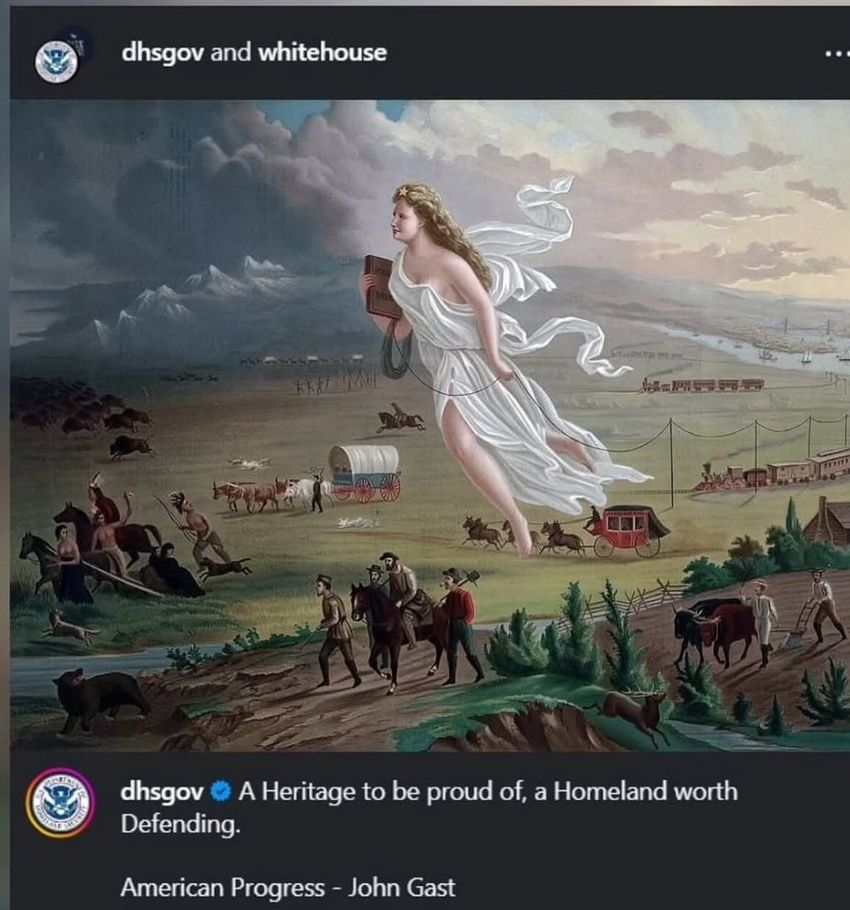
The legacy of Manifest Destiny shapes much of America’s identity today. It influenced the country’s size, culture, and politics. People still debate its impact on the nation and its neighbors. Understanding these perspectives helps us see the complex history behind the idea.
Long-term Effects On U.s. Borders
Manifest Destiny expanded the United States across the continent. It added millions of square miles to the country’s land. States like California, Texas, and Oregon became part of the Union. This growth set the stage for the U.S. as a global power. Borders established then remain largely the same today.
Historical Critiques
Critics argue Manifest Destiny caused harm to Native Americans and others. Many indigenous communities lost their homes and lives. The policy also fueled conflicts like the Mexican-American War. Some see it as a form of American imperialism. These views challenge the positive stories often told.
Cultural Reflections Today
Modern culture reflects both pride and regret about Manifest Destiny. Books, films, and art explore its effects on identity and justice. Schools teach multiple perspectives on this period. People discuss how it shaped diversity and inequality in the U.S. The legacy remains a topic of active conversation.
Frequently Asked Questions
What Was Manifest Destiny’s Main Objective?
Manifest Destiny aimed to expand the United States territory across North America. It was rooted in the belief that Americans were destined to spread democracy and capitalism. This concept justified westward expansion, often disregarding indigenous peoples’ rights and leading to significant territorial growth.
How Did Manifest Destiny Affect Native Americans?
Manifest Destiny led to the displacement and suffering of Native American tribes. As settlers moved west, indigenous lands were seized, forcing tribes onto reservations. This expansion often resulted in violent conflicts and significant cultural disruption, profoundly impacting Native American communities.
Why Was Manifest Destiny Controversial?
Manifest Destiny was controversial due to its aggressive expansion policies. Critics argued it violated Native American rights and sovereignty. The belief also fueled tensions with other nations, like Mexico, leading to conflicts and wars. Its ethical implications remain debated among historians today.
Did Manifest Destiny Influence U.s. Policies?
Yes, Manifest Destiny heavily influenced U. S. policies during the 19th century. It drove legislation supporting westward expansion and territorial acquisition. Key events like the Louisiana Purchase and Mexican-American War were fueled by this ideology. It shaped American politics and economic strategies profoundly.
Conclusion
Manifest Destiny aimed to expand the United States across the continent. It fueled growth, new opportunities, and a sense of national pride. This belief shaped America’s history and changed its borders forever. People moved west seeking land and a better life.
Yet, it also caused conflicts and challenges. Understanding this goal helps us see how the nation grew and why it acted as it did. The idea of Manifest Destiny left a lasting mark on the country’s path.

Similar Posts