What is Shipment Manifest: Unveiling Logistics Secrets
Have you ever wondered how businesses keep track of every item they send out? Whether you’re running a small shop or managing a large warehouse, understanding what a shipment manifest is can make your shipping process smoother and more reliable.
This simple but powerful document holds the key to organizing your shipments, avoiding mistakes, and saving you time and money. Keep reading to discover exactly what a shipment manifest is and why it matters to your business success.

Credit: worldcraftlogistics.com
Shipment Manifest Basics
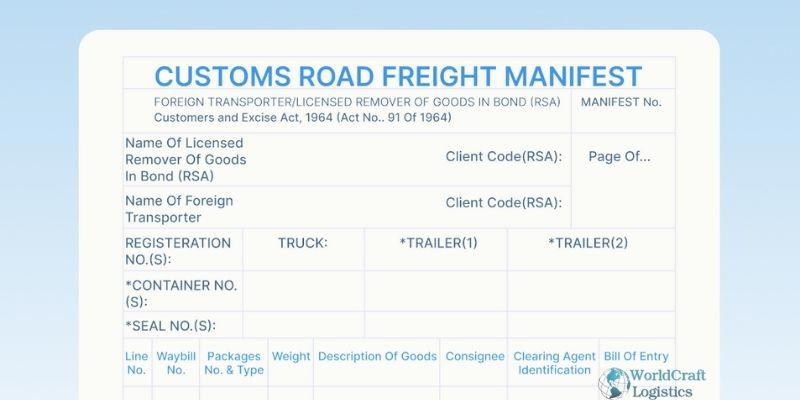
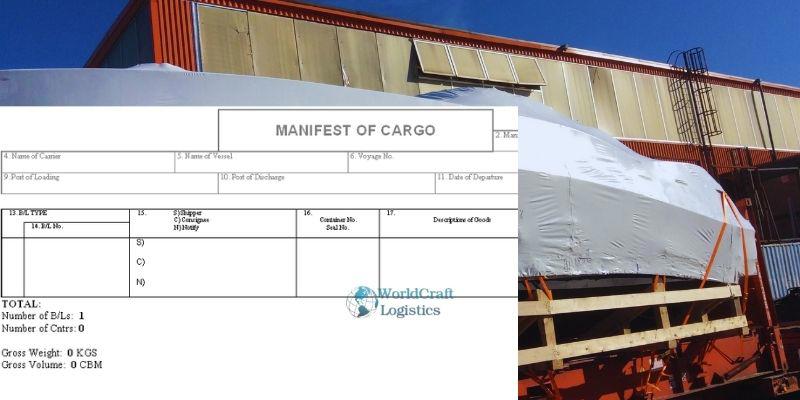
A shipment manifest is a crucial document in the world of logistics, acting as a detailed list of all goods transported on a particular vehicle or shipment. Understanding the basics of a shipment manifest can help you manage and track your shipments more efficiently. It ensures transparency and accuracy, which are vital for smooth operations in supply chains.
Core Components
A shipment manifest includes several key elements that give a clear picture of the cargo. These components typically include:
- Shipper and consignee details:Names and addresses of sender and receiver.
- Description of goods:Type, quantity, and packaging details of each item.
- Weight and volume:Total weight and size measurements for load planning.
- Vehicle or container number:Identification of the transport unit used.
- Route and schedule:Planned path and estimated delivery times.
Each of these parts plays a role in ensuring your shipment is properly documented and easy to track.
Purpose In Logistics
Why does a shipment manifest matter so much in logistics? It acts as a control tool that helps you verify what’s on board before the shipment leaves and upon arrival.
This document helps prevent mistakes like lost or misplaced items. It also assists customs and regulatory bodies in checking compliance quickly.
Have you ever wondered how large companies keep track of thousands of packages daily? The shipment manifest is one of their secret weapons, making sure nothing slips through the cracks.
Types Of Shipment Manifests
Shipment manifests come in various types, each tailored to the specific needs of different transportation modes and cargo handling processes. Understanding these types helps you manage your shipments more efficiently and avoid costly mistakes. Let’s look at the main types of shipment manifests you might encounter in your logistics journey.
Airway Bill Manifest
The airway bill manifest is essential in air freight. It lists all cargo on a particular flight, including detailed information about each package, such as weight, destination, and consignee. This document acts as a contract between the shipper and the airline, ensuring your cargo is tracked and handled properly during air transport.
Imagine sending urgent medical supplies by air. Without an accurate airway bill manifest, tracking could get complicated, risking delays. Have you ever wondered how airlines keep track of hundreds of packages every day? The airway bill manifest is their answer.
Bill Of Lading Manifest
Used primarily in sea and land freight, the bill of lading manifest serves as a receipt for the cargo and a contract for transportation. It details the goods being shipped, their quantity, and ownership. This type of manifest is crucial for legal and customs purposes, giving you protection and proof of shipment.
Think about large shipments crossing international borders by ship. The bill of lading manifest helps customs officials verify what’s on board, speeding up clearance. How often do you check the accuracy of your bill of lading manifests? Small errors here can cause major headaches.
Courier And Parcel Manifests
Courier and parcel manifests are designed for smaller packages and express deliveries. They list all parcels in a shipment batch, often including tracking numbers and delivery instructions. This manifest type is vital for last-mile delivery services to ensure every package reaches the right address.
If you’ve ever ordered online and tracked your parcel, the courier manifest is working behind the scenes. It helps the courier company organize pickups and drop-offs efficiently. What would happen if these manifests weren’t detailed or updated regularly? Your package might end up delayed or lost.
Creation Process
The creation process of a shipment manifest is essential for smooth logistics. It involves several key stages that ensure accurate and complete shipping information. Each stage helps organize shipment details clearly and correctly.
Data Collection
Collect all necessary shipment details before creating the manifest. This includes sender and receiver information, item descriptions, quantities, and weights. Gather data from purchase orders, invoices, and packing lists. Accurate data collection reduces errors and delays during shipping.
Document Preparation
Prepare the shipment manifest document using the collected data. Use a standard format for easy reading and processing. Include sections for shipment reference numbers, item details, and special instructions. Organize the information logically to assist carriers and customs officials.
Verification Steps
Verify all information on the manifest to ensure accuracy. Check item descriptions against physical goods and order details. Confirm addresses and contact information for both sender and receiver. Review the manifest for completeness before finalizing and distributing it.
Role In Supply Chain
The shipment manifest plays a crucial role in the supply chain by acting as the central document that links various stages of product movement. It provides detailed information about each shipment, helping everyone involved—from warehouse staff to customs officials—stay informed and coordinated.
Without an accurate manifest, shipments can easily get lost, delayed, or mismanaged. Have you ever wondered how companies keep track of dozens or even hundreds of shipments moving simultaneously? The shipment manifest is often the answer.
Tracking And Monitoring
The shipment manifest allows you to track goods at every step of their journey. It lists all items, quantities, and shipment details, which helps logistics teams monitor progress in real-time.
When you have access to this document, you can quickly spot delays or discrepancies. This transparency reduces errors and improves delivery reliability, so your customers get what they ordered on time.
Customs Clearance
Customs officials rely heavily on shipment manifests to verify the contents of international shipments. This document speeds up the clearance process by providing all necessary product details in one place.
If your manifest is incomplete or inaccurate, it can cause costly delays and even fines. Keeping this document precise ensures smooth border crossings and fewer headaches for your supply chain.
Inventory Management
The shipment manifest supports inventory control by offering a clear record of incoming and outgoing goods. Warehouses use it to update stock levels immediately upon receipt or dispatch.
Imagine trying to manage inventory without a manifest; you’d risk overstocking or running out of critical items. Having this organized list helps you make informed decisions and maintain balance in your supply chain.
Technological Impact
Technology has reshaped how shipment manifests are created and managed, making the process faster and more accurate. This shift affects every part of the supply chain, from loading docks to final delivery. Understanding these changes helps you stay ahead in logistics and improve your operational efficiency.
Digital Manifests
Shipment manifests are no longer just paper documents. Digital manifests allow you to access and update shipping details instantly from any device. This means fewer errors and lost paperwork, which can save you time and money.
Imagine being able to check your shipment list on your phone while at the warehouse. This immediate access helps you spot issues early and keep shipments on track.
Integration With Logistics Software
Modern shipment manifests work well with logistics software, linking inventory, tracking, and billing systems. This integration helps you see the whole picture without switching between different tools.
For example, when a shipment is scanned, the software can automatically update your inventory and notify your accounting team. This seamless connection reduces manual work and speeds up your processes.
Benefits Of Automation
Automation in shipment manifests removes repetitive tasks and reduces human error. Automated systems can generate manifests based on orders, track shipment status, and alert you to delays.
Have you ever missed a deadline because of a simple paperwork mistake? Automation helps prevent that by keeping everything accurate and on time.
- Faster processing of shipment details
- Improved accuracy and fewer mistakes
- Real-time updates for better decision-making
By embracing these technological advances, you can make your shipping operations smoother and more reliable. What changes could you make today to benefit from digital manifests and automation?
Credit: worldcraftlogistics.com
Common Challenges
Shipment manifests are vital documents in logistics and transport. They list all items in a shipment with details like quantity, description, and destination. Despite their importance, many challenges arise during their creation and use. These issues can cause delays, fines, and confusion. Understanding common challenges helps avoid costly mistakes and keeps shipments on track.
Errors And Omissions
Errors in shipment manifests happen often. Missing details or wrong item descriptions confuse handlers. Incorrect quantities lead to inventory problems. Small mistakes cause large delays at customs or delivery points. Double-checking data reduces these risks. Clear communication between teams also helps prevent errors.
Compliance Issues
Shipment manifests must follow strict rules. Each country or carrier has specific regulations. Non-compliance can result in fines or shipment rejection. Keeping up with changing laws is tough. Proper training and updated software assist in meeting compliance. Attention to detail ensures documents meet all legal requirements.
Handling Complex Shipments
Complex shipments include multiple items, destinations, or transport modes. Managing these is challenging. The manifest must clearly show all details to avoid confusion. Coordinating between parties is essential. Using technology like tracking systems can simplify the process. Clear and complete manifests make complex shipments manageable.
Best Practices
Following best practices ensures the shipment manifest is clear and reliable. It helps avoid delays and errors in the shipping process. Proper handling of the manifest supports smooth logistics and customer satisfaction.
Accurate Data Entry
Every detail on the shipment manifest must be correct. Double-check item descriptions, quantities, and weights before finalizing. Use standardized formats for dates and addresses. Avoid typos and missing information to prevent confusion.
Regular Updates
Keep the shipment manifest updated as changes occur. Record any adjustments in cargo or delivery schedules promptly. Updated manifests reflect the current status and help all parties stay informed. Timely updates reduce risks of misplaced or lost items.
Collaboration Among Stakeholders
Share the shipment manifest with everyone involved in the supply chain. Clear communication between shippers, carriers, and receivers is essential. Use digital tools to allow real-time access and feedback. Collaboration ensures transparency and faster problem-solving.
Future Trends
The future of shipment manifests is evolving rapidly, driven by technology and growing demands for transparency and efficiency. As you manage shipments, staying ahead means understanding these shifts and how they impact your operations. Let’s look at the key trends shaping shipment manifests and what they mean for your business.
Blockchain In Manifests
Blockchain adds a new layer of security and trust to shipment manifests. It creates an unchangeable record of each shipment detail, making fraud and errors much harder to happen.
Imagine sharing your shipment data with partners worldwide without worrying about tampering. This technology can speed up customs clearance and reduce paperwork by making all parties access the same verified information instantly.
Ai And Predictive Analytics
AI helps you predict problems before they occur by analyzing past shipment data. This means you can avoid delays, optimize routes, and reduce costs.
For example, AI can alert you if a shipment is likely to miss a deadline due to weather or traffic issues. You get to make smarter decisions quickly, improving your overall supply chain performance.
Sustainability Considerations
More companies are demanding green shipping practices, and manifests now reflect this shift. You can track carbon footprints and choose eco-friendly routes or packaging options directly in your shipment records.
By focusing on sustainability, you don’t just meet regulations—you also attract customers who value responsible business. How will you adjust your manifests to support a cleaner, greener supply chain?

Credit: www.rapidshyp.com
Frequently Asked Questions
What Is A Shipment Manifest Used For?
A shipment manifest lists all cargo details in a shipment. It helps track items, ensures accuracy, and aids customs clearance.
Who Creates The Shipment Manifest Document?
The shipper or carrier usually creates the shipment manifest. They record item descriptions, quantities, and destinations for transport.
How Does A Shipment Manifest Improve Logistics?
A shipment manifest streamlines logistics by organizing cargo data. It allows efficient handling, tracking, and delivery of goods.
Is A Shipment Manifest Required For International Shipping?
Yes, a shipment manifest is often mandatory for international shipments. It supports customs inspections and compliance with regulations.
Conclusion
A shipment manifest helps track goods during transport. It lists all items clearly and shows important details. This document keeps shipments organized and easy to check. Everyone involved uses it to avoid mistakes and delays. Understanding shipment manifests makes shipping smoother and safer.
It is a key part of moving goods worldwide. Remember, clear records help shipments reach their destination on time. Use shipment manifests to stay organized and informed. This simple tool supports better shipping every day.

Similar Posts