What is the Concept of the Manifest Destiny: Explained Simply
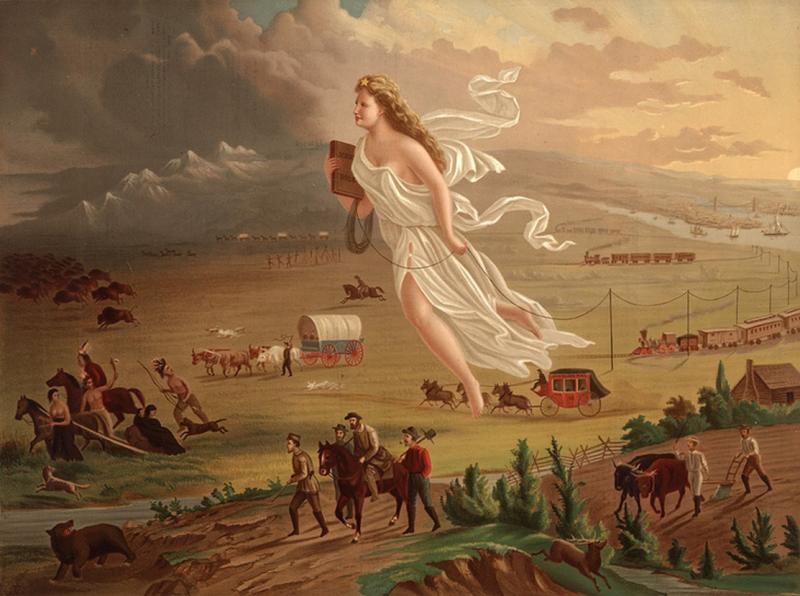
Have you ever wondered why the United States expanded so quickly across the continent in the 1800s? The idea behind this rapid growth is called Manifest Destiny.
It’s a powerful concept that shaped the country’s history and influenced the lives of millions. Understanding Manifest Destiny will give you a clearer picture of how America grew and why it matters today. Keep reading to discover the meaning of this idea and how it changed the nation forever.
Origins Of Manifest Destiny
The origins of Manifest Destiny reveal much about the mindset of 19th-century America. It wasn’t just a political idea but a reflection of how many Americans viewed their nation’s future and purpose. Understanding where it began helps you see why it shaped so much of U.S. history.
Historical Context
Manifest Destiny took shape during the 1840s, a time when the United States was growing rapidly. The country had just expanded westward after the Louisiana Purchase, and settlers were pushing further into new territories.
Many Americans believed it was their right—and duty—to spread their way of life across the continent. This belief was fueled by a mix of economic hopes, national pride, and a sense of cultural superiority.
Consider how this idea affected the Native American populations and other nations. Do you think this mindset justified the actions that followed?
Key Figures
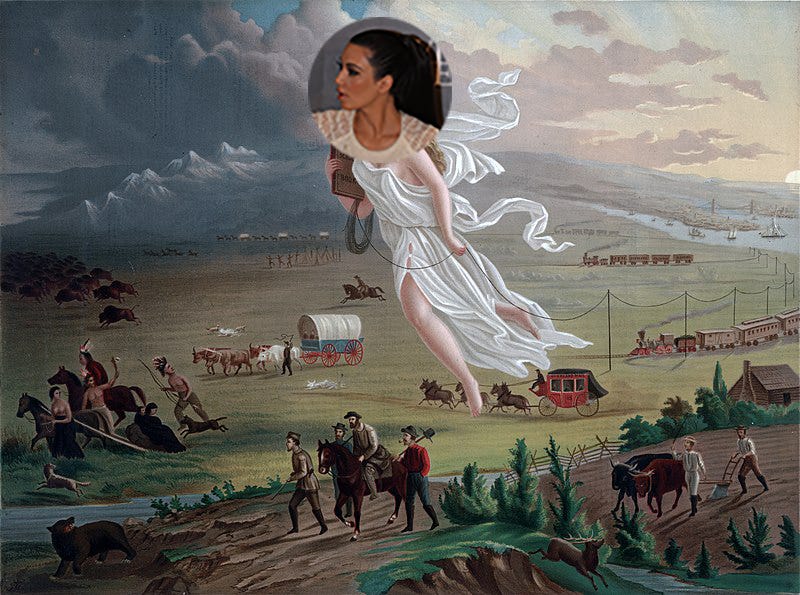
Several individuals played crucial roles in promoting Manifest Destiny. President James K. Polk is often seen as the leading figure, pushing aggressively for territorial expansion.
Journalists and politicians like John L. O’Sullivan helped spread the term “Manifest Destiny,” arguing that expansion was a divine right. Their words helped turn a political goal into a popular movement.
Think about the power of language here. How can the way ideas are presented influence an entire nation’s actions and beliefs?
Credit: muddyum.net
Core Beliefs
The core beliefs of Manifest Destiny reveal why this idea captured the American imagination so powerfully. These beliefs fueled bold actions and shaped policies that changed the nation’s landscape. Understanding these principles helps you see how ideology can drive a country’s decisions.
Expansion And Progress
At the heart of Manifest Destiny was the belief that the United States was destined to stretch across the entire North American continent. This wasn’t just about land—it was about progress. People believed that expanding the country would bring economic growth, new opportunities, and a better future for all.
Think about how this mindset encouraged settlers to move westward, facing unknown dangers with hope rather than fear. It’s a reminder of how a vision of progress can push people to take risks and innovate. What drives your own decisions to pursue growth in your life or work?
Divine Right And Mission
Many Americans believed they had a divine right to expand their territory, seeing it as a mission given by God. This belief added a moral dimension to Manifest Destiny, framing expansion as a duty rather than just a choice. It created a powerful sense of purpose and justification for actions that might otherwise seem aggressive.
This idea also raises questions about how you justify your own ambitions. Do you see your goals as simply personal, or do you believe they serve a greater purpose? Understanding this can change how you approach challenges and opportunities.
Territorial Growth
The concept of Manifest Destiny is deeply tied to the idea of territorial growth. This growth wasn’t just about adding land; it shaped the nation’s identity and future. Understanding how America expanded its borders helps you see the real impact of this belief on the country’s development.
Westward Expansion
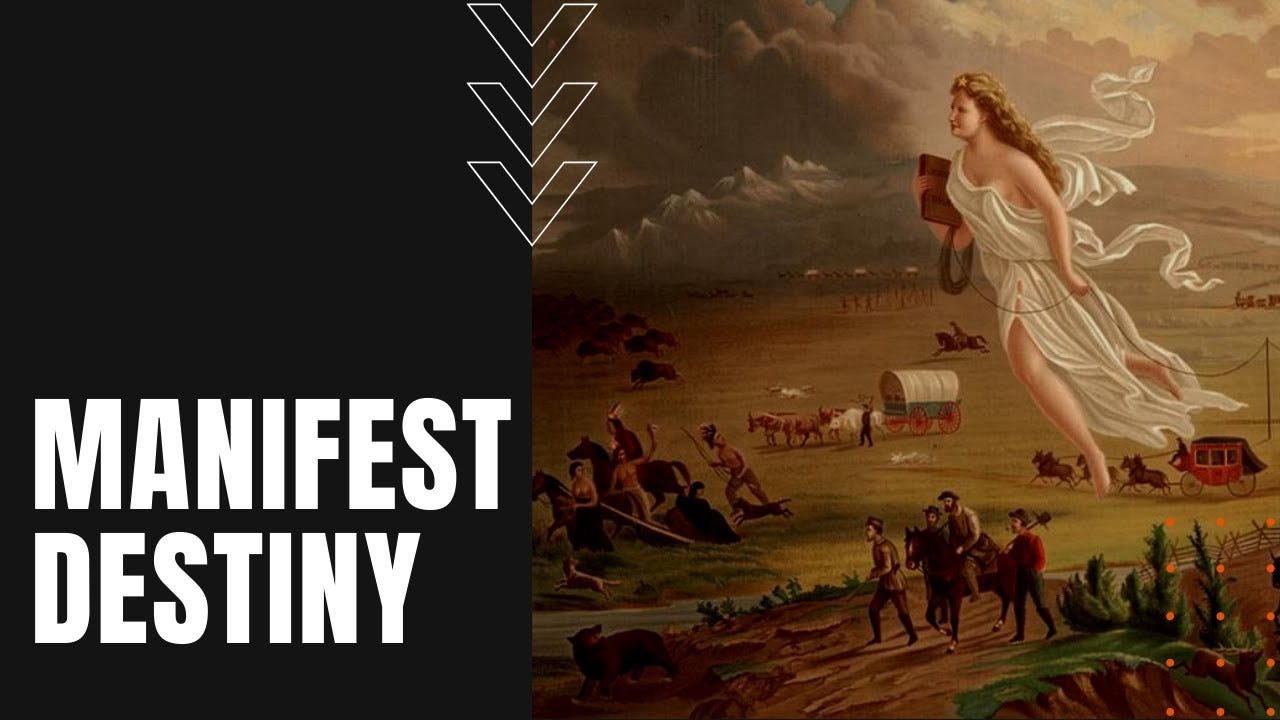
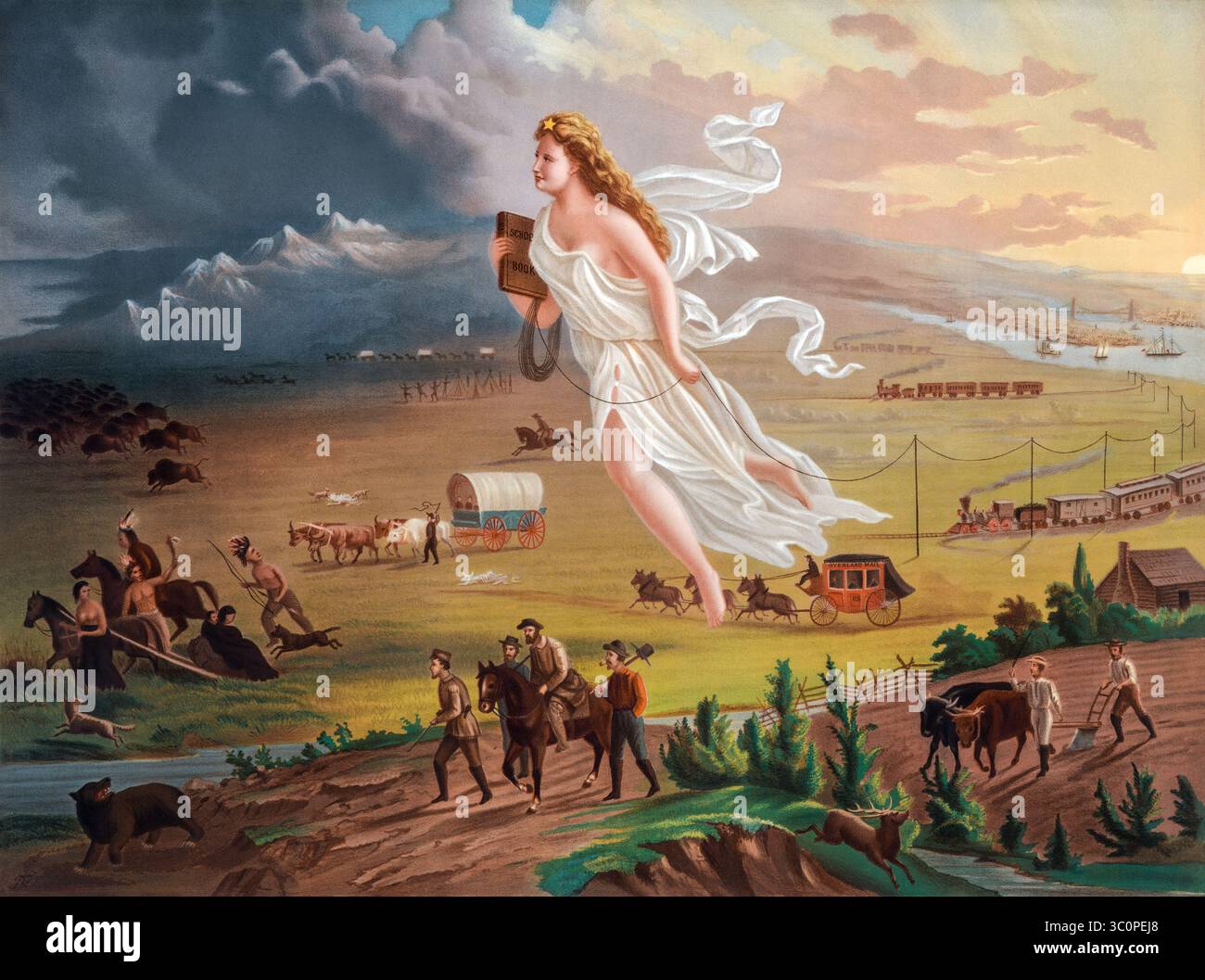
Westward expansion was the driving force behind Manifest Destiny. Settlers moved beyond the original colonies, seeking new opportunities and land. You might wonder what motivated so many to face unknown dangers and hardships in the West.
Part of the answer lies in the promise of fertile land and economic prospects. People believed it was their right, even duty, to spread American values and civilization across the continent. This movement transformed the landscape and altered the lives of countless Native American tribes.
Major Land Acquisitions
The United States grew through key land acquisitions that reflected its Manifest Destiny goals. Each addition brought new resources and challenges, pushing the nation closer to its coast-to-coast vision.
- The Louisiana Purchase (1803):Doubled the size of the country overnight, opening vast tracts for farming and settlement.
- The Oregon Territory (1846):Secured land in the Pacific Northwest after negotiations with Britain, expanding access to the Pacific Ocean.
- The Mexican Cession (1848):Resulted from the Mexican-American War, adding California, Arizona, and more to the U.S. map.
Think about how different your life might be if these lands hadn’t become part of the United States. Would the country have the same cultural and economic diversity? Each acquisition brought unique challenges but also immense opportunities for growth.
Credit: pastorbhart.medium.com
Impact On Native Americans
The concept of Manifest Destiny had a profound and often devastating impact on Native American communities. It wasn’t just about land expansion; it reshaped lives, cultures, and histories. Understanding this impact helps you grasp the real human cost behind the idea of westward expansion.
Displacement And Conflict
Manifest Destiny pushed Native Americans off their ancestral lands. Governments and settlers forced many tribes to move, sometimes violently. The Trail of Tears is a stark example, where thousands of Cherokee were forced to march west, leading to immense suffering and death.
Conflicts erupted as Native Americans resisted this takeover. Battles like the Sand Creek Massacre show how brutal these clashes became. You might wonder how different history would look if these forced displacements never happened.
Cultural Consequences
The loss of land meant more than just a physical move; it disrupted Native American ways of life. Spiritual practices tied to specific places were lost or banned. Traditional languages and customs faced decline as communities were scattered.
This cultural erosion wasn’t accidental—it was often part of a deliberate effort to assimilate Native Americans into a new society. When you see the vibrant Native cultures today, it’s a testament to resilience despite these harsh attempts to erase them.
Political Effects
The political effects of Manifest Destiny were profound and long-lasting. As the United States expanded westward, the balance of power in government shifted, sparking intense debates and conflicts. These changes pushed the nation toward a critical breaking point, challenging the unity of the young republic.
Sectional Tensions
Manifest Destiny heightened tensions between the North and South. Each new territory added raised the question: Would it enter as a free state or a slave state? This struggle over power in Congress created sharp divisions that often felt personal and urgent.
Think about how this struggle resembles modern debates over political influence and representation. The fight to control new territories wasn’t just about land; it was about shaping the future of the country’s values and laws. Could these tensions have been avoided, or were they inevitable as the nation grew?
Role In Slavery Debate
The expansion intensified the slavery debate more than ever. Southern states wanted to spread slavery into new territories to protect their economic interests, while Northern states opposed this to limit slavery’s reach. This clash led to heated compromises and, eventually, to events that pushed the country closer to civil war.
Have you ever noticed how a single issue can divide a community or even a family? The debate over slavery mirrored this on a national scale. Understanding this helps you see why Manifest Destiny wasn’t just about land—it was about the moral and political soul of the nation.
Credit: www.alamy.com
Legacy Today
The legacy of Manifest Destiny still shapes the United States today in ways you might not immediately notice. It influenced more than just the country’s borders; it helped form the nation’s identity and how Americans see their role in the world. Understanding this legacy can help you grasp ongoing debates about expansion, culture, and power.
Modern Perspectives
Many people today look at Manifest Destiny with a critical eye. They ask how the idea justified the displacement of Native Americans and the war with Mexico. This reflection pushes you to think about the costs of expansion and what fairness means in history.
At the same time, some see Manifest Destiny as a symbol of ambition and growth. It reminds you that America’s drive to expand shaped its economy, technology, and infrastructure. But you have to balance this with the ethical questions it raises.
Influence On U.s. Identity
Manifest Destiny deeply influenced how Americans view themselves. It created a sense of mission and destiny that still appears in political speeches and popular culture. You might notice this in the way the U.S. talks about leadership on the global stage.
This idea also affected the country’s values, such as independence and innovation. Yet, it’s important to recognize that these values came with a complicated history of conflict and cultural change. Thinking about this can help you understand your own perspective on national identity.
Frequently Asked Questions
What Does Manifest Destiny Mean In U.s. History?
Manifest Destiny was the 19th-century belief that the U. S. should expand westward. It promoted spreading democracy and American culture across the continent.
Why Was Manifest Destiny Important In American Expansion?
It justified U. S. territorial growth, encouraging settlement and annexation of lands. This ideology shaped the nation’s borders and fueled westward migration.
How Did Manifest Destiny Affect Native American Populations?
It led to displacement and conflict as settlers moved west. Native tribes lost lands, faced forced removals, and suffered cultural disruption.
What Role Did Manifest Destiny Play In U.s.-mexico Relations?
It increased tensions, contributing to the Mexican-American War (1846-1848). The U. S. gained significant territory, including California and the Southwest.
Conclusion
Manifest Destiny shaped America’s history and beliefs. It pushed westward expansion. This idea fueled ambitions and dreams. It was about growth and progress. The concept justified territorial gains. It had social and political impacts. It shaped policies and decisions. Yet, it sparked debates and conflicts.
Some saw it as destiny. Others viewed it as controversial. The legacy of Manifest Destiny lives on. It reminds us of history’s complexities. Understanding it helps us learn from the past. We gain insights for the future. History teaches lessons.
Manifest Destiny is part of those lessons. It influences current perspectives and understanding.

Similar Posts