What is the Idea of Manifest Destiny: Unveiling History
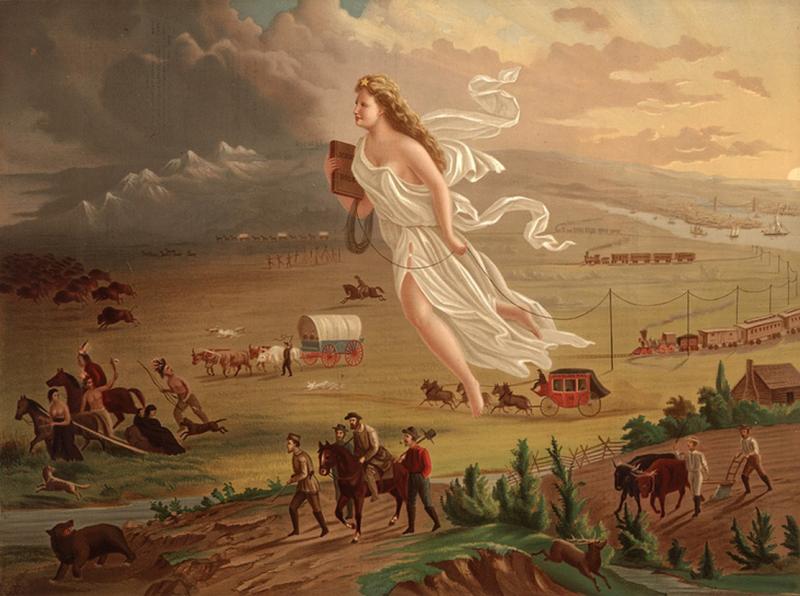
Have you ever wondered why the United States stretched across the continent in the 1800s? The idea behind this massive growth is called Manifest Destiny.
It’s more than just a simple belief—it shaped the country’s history and changed the lives of millions. Understanding Manifest Destiny helps you see how America’s past still affects your world today. Keep reading to discover what this powerful idea was all about and why it mattered so much.
Credit: owlcation.com
Roots Of Manifest Destiny
The idea of Manifest Destiny grew from deep roots in early American history. It was more than just a dream of expansion. It reflected beliefs, politics, and the spirit of the 19th century. Understanding these roots helps explain why many Americans felt destined to spread across the continent.
Early American Expansion
From the start, Americans pushed westward. Settlers moved beyond the Appalachian Mountains seeking new land. The Louisiana Purchase in 1803 doubled the country’s size. This vast land opened opportunities for farming and trade. Americans believed expanding was natural and necessary.
Explorers like Lewis and Clark mapped unknown territories. Their journeys inspired hope and ambition. The idea of owning land attracted many families. They imagined a fresh start and a better life. This early expansion set the stage for bigger dreams.
Political Climate In The 19th Century
The 1800s were a time of strong national pride. Leaders wanted the United States to become a powerful nation. Expansion seemed like a way to achieve this goal. Political debates focused on how and where to grow.
Manifest Destiny became a popular term to describe this goal. It captured the belief that America had a right and duty to spread. This belief influenced laws and policies. It affected relations with Native Americans, Mexico, and other nations.
Parties like the Democrats supported expansion as a way to spread democracy. Others worried about the impact on slavery and indigenous peoples. Despite differences, the drive to expand shaped much of the century’s politics.
Credit: muddyum.net
Key Figures Behind The Idea
The idea of Manifest Destiny was shaped by many people. Some were politicians who made laws and led the nation. Others were writers who spread the idea through their words. These key figures helped people believe that the United States should expand across the continent. Their actions and words made the idea popular and powerful.
Prominent Politicians
- James K. Polk, the 11th president, strongly supported expansion.
- Polk pushed for the annexation of Texas and Oregon Territory.
- John L. O’Sullivan, a politician, first used the term “Manifest Destiny.”
- Senator Thomas Hart Benton was a strong advocate for westward growth.
- These leaders believed expansion was America’s fate and duty.
Influential Writers
- John L. O’Sullivan wrote essays promoting the idea of Manifest Destiny.
- His writings inspired many Americans to support westward expansion.
- Newspapers and magazines spread Manifest Destiny through stories and editorials.
- Writers painted expansion as a noble mission for freedom and progress.
- These words helped shape public opinion and political action.
Territorial Growth And Impact
The idea of Manifest Destiny played a key role in shaping the United States’ territorial growth. It wasn’t just about expanding land; it deeply affected the nation’s politics, economy, and culture. Understanding this growth helps you see how America’s borders and identity were formed.
Louisiana Purchase And Beyond
The Louisiana Purchase in 1803 doubled the size of the U.S. almost overnight. This acquisition opened vast lands for settlement and trade, sparking new opportunities for Americans. Imagine the excitement of settlers moving west, knowing more land meant more chances to build a future.
This purchase set a pattern for future expansion. It showed the government’s willingness to grow the nation’s borders through negotiation and sometimes bold decisions. If you were a settler then, the promise of fertile land would have been hard to resist.
Annexation Of Texas And Oregon
Adding Texas in 1845 was a controversial but crucial step in territorial growth. Texas brought in rich farmland but also heightened tensions with Mexico. At the same time, the Oregon Territory was claimed peacefully through agreement with Britain, showcasing different ways territory could be gained.
These additions weren’t just about land; they raised questions about slavery, power, and national identity. Have you thought about how these decisions might have felt to people living in those areas, suddenly finding themselves part of a new country?
Mexican-american War
The Mexican-American War (1846-1848) was a major event driven by Manifest Destiny. The U.S. victory added huge territories, including California and the Southwest. This war reshaped the map but also stirred deep debates about expansion and its costs.
For you today, it’s worth considering how this conflict influenced American attitudes toward growth and conflict. What lessons might we draw about the price of territorial ambition?
Cultural And Social Dimensions
The idea of Manifest Destiny was not just a political or territorial concept—it deeply shaped the cultural and social fabric of 19th-century America. It influenced how people saw themselves and others, creating a powerful narrative about identity and destiny. Understanding these cultural and social dimensions helps you grasp why Manifest Destiny affected so many lives and left lasting impacts.
Beliefs In American Exceptionalism
At the heart of Manifest Destiny was the belief in American exceptionalism—the idea that the United States had a unique mission to spread its values and way of life. Many Americans felt they were chosen to bring democracy, freedom, and progress to the continent.
This belief made expansion seem not only justified but necessary. It shaped attitudes toward other peoples and lands, often blinding settlers to the complexities and consequences of their actions.
Have you ever thought about how strong national pride can influence decisions that affect others? This mindset still influences political and cultural discussions today.
Impact On Native American Communities
Manifest Destiny had a profound and often devastating impact on Native American communities. As settlers moved westward, indigenous peoples were pushed off their ancestral lands, leading to loss of homes, culture, and lives.
The forced removals, broken treaties, and violent conflicts disrupted Native societies and caused long-term social trauma. These effects continue to resonate in Native communities today.
Understanding this history challenges you to consider how expansion and progress can come with serious human costs. What responsibilities do we hold now to acknowledge and address these past injustices?
Criticism And Controversy
The idea of Manifest Destiny was not without its critics and controversies. While it inspired many to believe in the expansion of the United States, it also sparked heated debates and opposition. Understanding these criticisms helps you see the complex impact Manifest Destiny had on American society and beyond.
Opposition From Political Groups
Many political groups challenged Manifest Destiny, fearing it would lead to conflict and instability. The Whig Party, for example, opposed aggressive expansion because they worried it would extend slavery into new territories. This division raised serious questions about the future of the nation’s unity.
Some politicians argued that expanding the country was too risky and might provoke wars with other nations or Native American tribes. You might wonder how this fear shaped the political landscape at the time. It made debates about Manifest Destiny a central issue during elections and congressional sessions.
Ethical And Moral Debates
Manifest Destiny also triggered deep ethical concerns. Critics questioned whether it was right to take land from Native Americans and Mexico, often by force. This led to a moral debate about justice and the rights of indigenous peoples.
Many voices pointed out that the idea of Manifest Destiny justified actions that today would be seen as imperialistic or even racist. You might ask yourself, how should we judge these actions now? Reflecting on these questions can change how you view American history and its consequences.
Credit: pastorbhart.medium.com
Legacy In Modern America
The legacy of Manifest Destiny still shapes many aspects of modern America. It is more than a historical concept; it influences how the country sees itself and interacts with the world today. Understanding this legacy helps you grasp the ongoing effects on policies and culture.
Influence On U.s. Foreign Policy
Manifest Destiny laid the groundwork for America’s approach to expanding influence beyond its borders. It encouraged a mindset that the U.S. had a special role to play on the world stage. This belief can be seen in the country’s involvement in international conflicts and efforts to promote democracy.
Think about recent foreign policies that emphasize spreading American values. They echo the same confidence and sense of mission that fueled 19th-century expansion. Have you noticed how often leaders talk about America’s role as a global leader? This is a clear reflection of that legacy.
Reflection In Contemporary Culture
The idea of Manifest Destiny also appears in American culture today. It inspires stories of adventure, progress, and innovation that many people find motivating. Movies, books, and even advertising often draw on themes of exploration and achievement rooted in this old idea.
But it’s not just about pride. Manifest Destiny’s legacy also invites you to question who benefits from the idea of ‘progress.’ How does your culture reflect the balance between opportunity and the costs of expansion? Thinking about this can change how you see American identity and history.
Frequently Asked Questions
What Is The Meaning Of Manifest Destiny?
Manifest Destiny was a 19th-century belief that the U. S. was destined to expand across North America. It justified westward territorial growth.
Why Was Manifest Destiny Important In U.s. History?
It shaped U. S. policies, leading to territorial expansion, economic growth, and conflicts like the Mexican-American War.
Who Popularized The Idea Of Manifest Destiny?
Journalist John L. O’Sullivan coined the term in 1845, promoting U. S. expansion as a divine right.
How Did Manifest Destiny Affect Native Americans?
It led to displacement, loss of lands, and significant suffering for Native American tribes.
Conclusion
Manifest Destiny shaped the growth of the United States deeply. It pushed people west to find new land and opportunities. This idea influenced politics, culture, and conflicts in the 1800s. It also caused struggles with Native Americans and other nations.
Understanding Manifest Destiny helps us see how America grew. It reminds us of hopes and challenges faced long ago. The story of expansion still affects the country today. A simple idea, but with a big impact.

Similar Posts