What is the Main Idea of Manifest Destiny: Unveiled Truths
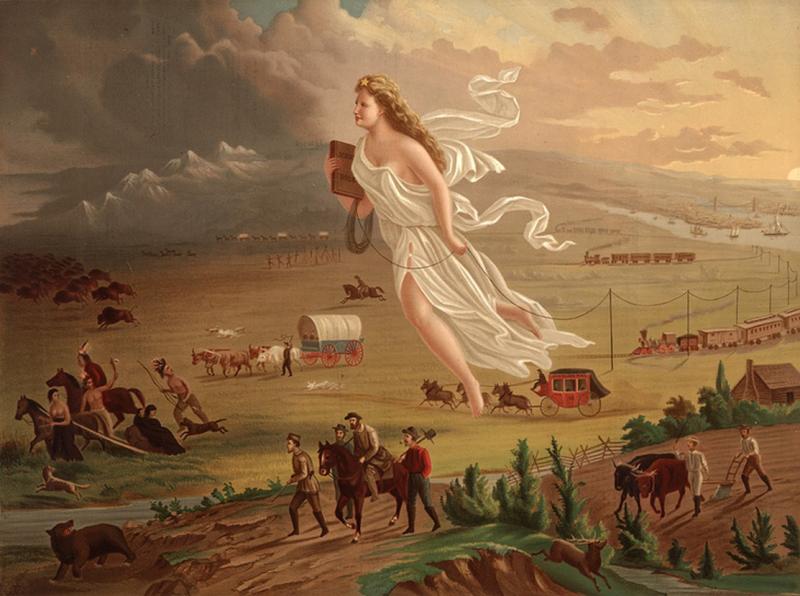
Have you ever wondered why the United States expanded so rapidly across the continent in the 1800s? The answer lies in a powerful idea called Manifest Destiny.
Understanding this main idea can change the way you see American history and its impact on the world. If you want to grasp why people believed it was their right—and even duty—to spread across the land, keep reading. This article will clear up what Manifest Destiny really meant and why it mattered to your country’s past.
Origins Of Manifest Destiny
Manifest Destiny was a powerful belief in 19th-century America. It held that the United States was meant to expand across the continent. This idea shaped the country’s growth and policies. Understanding its origins helps to grasp why it gained such strong support.
Historical Context
In the early 1800s, the U.S. had just doubled its size after the Louisiana Purchase. People wanted more land for farming and settlement. The country was young and eager to grow. Western lands were seen as a new chance for success.
Conflicts with Native Americans and other countries marked this era. The idea of expansion was linked to national pride and survival. The U.S. wanted to secure its borders and increase its power.
Political Motivations
Leaders believed that expanding territory would strengthen the nation. They thought more land meant more resources and economic growth. Politicians used Manifest Destiny to gain support for their goals.
Expansion also meant spreading democracy and American ideals. It was seen as a duty to bring order and progress to new areas. This belief helped justify wars and treaties to acquire new lands.
Cultural Influences
Many Americans believed their culture was superior. They felt it was their mission to spread their way of life. Religion played a big role, with some seeing expansion as a divine plan.
Books and newspapers spread stories about the West as a land of opportunity. These stories encouraged settlers to move and claim new lands. The idea of Manifest Destiny became part of the American identity.
Core Beliefs And Principles
The core beliefs and principles of Manifest Destiny shaped the mindset of many Americans in the 19th century. These ideas fueled a strong desire to expand the nation’s borders and influence. Understanding these beliefs helps you see why Manifest Destiny was more than just a political slogan—it was a driving force behind major decisions and actions.
Expansionism And Nationalism
Expansionism was at the heart of Manifest Destiny. Americans believed the country had a right, even a duty, to spread across the continent. This belief was tightly linked to nationalism, where pride in the nation’s greatness pushed people to support growth.
You might wonder how this idea affected everyday people. Many settlers moved west, hoping for new opportunities and a fresh start. Their journeys weren’t just personal quests but part of a bigger national goal.
Divine Justification
Many Americans thought their expansion was ordained by a higher power. This divine justification gave a moral boost to their mission, making it seem like a sacred duty. It wasn’t just about land; it was about fulfilling a God-given plan.
This belief often blinded people to the consequences for Native Americans and other groups. Have you ever thought about how faith can sometimes be used to justify difficult decisions? This principle shows how powerful ideas shape actions.
Economic Ambitions
Economic goals were a major part of Manifest Destiny’s appeal. People expected new lands to bring wealth through farming, mining, and trade. The promise of prosperity made expansion a tempting prospect for many.
Imagine the excitement of discovering gold or fertile land. These hopes pushed individuals and the government to invest in westward growth. Your own ambitions might mirror theirs—wanting more chances to succeed and grow.
Key Figures And Advocates
The idea of Manifest Destiny gained momentum through the voices of many important people. These key figures shaped public opinion and government policies. Their efforts helped spread the belief that the United States should expand across the continent.
Each group played a unique role. Political leaders made laws and guided the nation’s path. Journalists and writers spread ideas through newspapers and books. Influential activists pushed for changes and rallied support.
Political Leaders
- President James K. Polk strongly supported westward expansion.
- Polk led the U.S. during the Mexican-American War to gain new lands.
- Senator Thomas Hart Benton promoted growth and settlement in the West.
- These leaders believed expansion was vital for America’s future.
Journalists And Writers
- John L. O’Sullivan coined the term “Manifest Destiny.”
- He wrote articles urging Americans to claim new territories.
- Newspapers spread ideas that expansion was a national duty.
- Writers helped shape public opinion by describing the West as full of promise.
Influential Activists
- Activists encouraged settlers to move west and start new lives.
- Some worked to support Native American removal to open lands.
- Others helped build infrastructure like railroads to connect the country.
- Their work made expansion more practical and achievable.
Impact On Indigenous Peoples
The idea of Manifest Destiny deeply affected Indigenous peoples across North America. It led to major changes in their lands, lives, and cultures. These changes often caused suffering and loss for many Native communities. Understanding this impact helps reveal the true cost of westward expansion.
Displacement And Conflict
Manifest Destiny pushed settlers westward, forcing Native peoples off their lands. Many tribes were removed by law or violence. This caused fights between Native groups and settlers or the U.S. army. Entire communities were uprooted and lost homes they had lived in for generations.
Cultural Consequences
As Native peoples lost land, their cultures faced serious threats. Traditional ways of life were disrupted. Many tribes struggled to keep languages, customs, and spiritual practices alive. Boarding schools and government policies tried to erase Indigenous identities.
Resistance Movements
Native peoples did not accept these changes quietly. Many fought back to protect their land and culture. Resistance took many forms, such as armed conflict, legal challenges, and preserving traditions in secret. These efforts showed the strength and resilience of Indigenous communities.
Territorial Growth And Consequences
Territorial growth was a key part of Manifest Destiny. The idea pushed the United States to expand its borders across North America. This expansion shaped the country’s future but also brought many challenges. New lands meant new opportunities and conflicts.
Acquisition Of Land
The U.S. gained vast territories through purchases, wars, and treaties. The Louisiana Purchase doubled the country’s size. The annexation of Texas added more land. The Oregon Territory was settled peacefully with Britain. The Mexican-American War led to the Treaty of Guadalupe Hidalgo, giving the U.S. California and much of the Southwest.
Effects On U.s. Borders
Expansion changed the shape of the nation. The borders moved west to the Pacific Ocean. The new boundaries created states and territories. This growth helped the U.S. become a continental power. It also raised questions about slavery in new lands. These debates increased tensions inside the country.
International Reactions
Other countries watched U.S. expansion closely. Britain negotiated to avoid war over the Oregon Territory. Mexico lost large territories and felt bitter. Spain’s influence in the Americas declined. European powers saw the U.S. as a growing force. This shift affected global politics and trade.

Credit: www.youtube.com
Criticism And Controversies
The idea of Manifest Destiny sparked many debates and controversies. It was not just about expanding land. It raised serious questions about right and wrong. Many people questioned the morality and justice of taking lands from Native Americans and other groups. The controversy also affected political views and future consequences for the nation.
Moral And Ethical Debates
Many critics argued that Manifest Destiny ignored the rights of Native Americans. They saw it as a way to justify unfair treatment and displacement. The belief that one culture was superior caused ethical concerns. People debated if it was right to forcefully take lands and change lives.
Some believed Manifest Destiny promoted greed and violence. Others felt it was a duty to spread democracy and freedom. These opposing views created strong moral conflicts across the country.
Political Opposition
Not all politicians supported the idea. Some feared it would increase tensions between free and slave states. This disagreement made the political scene more divided. The expansion raised questions about power balance and the future of slavery.
Some leaders worried about war with Mexico and other nations. They saw the risks as too high for the rewards. The debate over Manifest Destiny shaped many policies and elections during that time.
Long-term Repercussions
The effects of Manifest Destiny lasted for many years. Native American cultures were deeply affected by forced removals. New conflicts emerged over land and resources. The expansion also set the stage for the Civil War.
The idea changed America’s borders and identity forever. It brought growth but also pain and division. These lasting impacts continue to be studied and discussed today.
Legacy Of Manifest Destiny
The legacy of Manifest Destiny continues to shape the United States in many ways. This 19th-century belief in the nation’s right to expand across the continent left marks far beyond its time. Understanding this legacy helps you see how history still influences modern America.
Influence On Modern America
Manifest Destiny set the stage for the United States’ current size and diversity. The expansion brought new states, natural resources, and opportunities for growth. It also led to conflicts with Native Americans and other nations, which still affect policies today.
Think about your state—was it once part of this expansion? The borders drawn then still define your community’s identity and economy. Recognizing this helps you connect past events with your daily life.
Reflection In Culture And Politics
Manifest Destiny influenced more than just geography; it shaped American culture and politics. The belief in expansion fostered ideas about progress and national destiny that appear in political speeches and media even now.
You might notice themes of growth and opportunity in campaigns or news that echo this mindset. However, it also left behind issues of inequality and displacement, prompting debates about justice and inclusion.
Lessons For Future Expansion
Looking back at Manifest Destiny offers important lessons for how America approaches growth today. Expansion isn’t just about land—it involves respecting people, cultures, and the environment.
How can you apply this understanding when thinking about urban growth, immigration, or technological advances? Considering these lessons helps guide fair and thoughtful progress in your community and beyond.
Credit: pastorbhart.medium.com

Credit: www.facebook.com
Frequently Asked Questions
What Is The Main Idea Of Manifest Destiny?
Manifest Destiny is the 19th-century belief that the US should expand westward. It promoted spreading democracy, culture, and territory across North America. This idea justified territorial acquisitions and shaped American history during that era.
Why Did Americans Support Manifest Destiny?
Americans supported Manifest Destiny for economic opportunities, land ownership, and national pride. Expansion promised new resources, trade routes, and a stronger country. It also reflected a belief in American cultural and political superiority.
How Did Manifest Destiny Impact Native Americans?
Manifest Destiny led to Native American displacement and loss of lands. Westward expansion caused conflicts, forced removals, and cultural disruption. Native populations faced significant hardships due to US territorial growth policies.
What Territories Were Gained Through Manifest Destiny?
The US gained Texas, Oregon Territory, California, and Southwest lands. These acquisitions resulted from treaties, wars, and settlements between 1840 and 1860. Manifest Destiny shaped the modern borders of the United States.
Conclusion
Manifest Destiny shaped America’s growth and beliefs. It pushed the country westward with strong purpose. People believed they had a right to expand. This idea affected politics, culture, and the land itself. It brought both progress and conflict. Understanding Manifest Destiny helps explain U.
S. History clearly. It shows how ideas can drive a nation’s path. The story of Manifest Destiny is still important today. It reminds us of the power of vision and change.

Similar Posts