What is the Manifest Destiny: Unveiling America’s Expansion
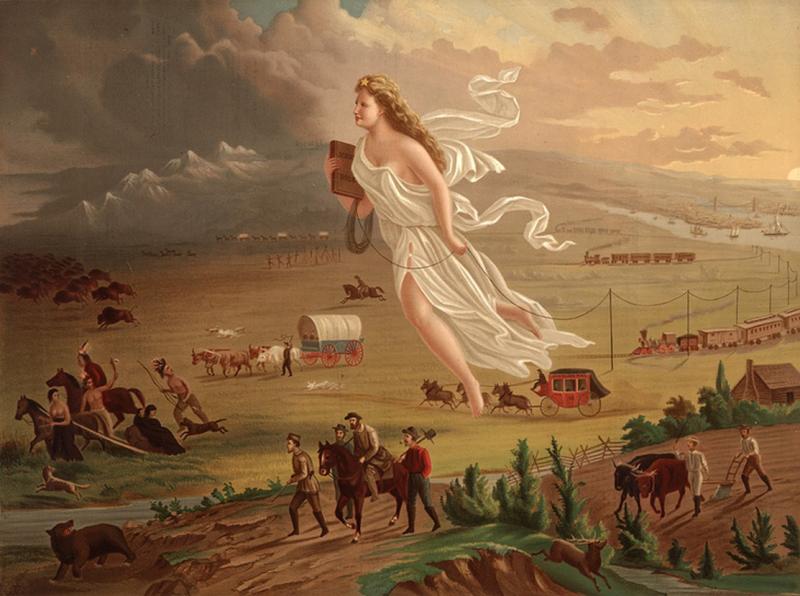
Have you ever wondered why the United States expanded so quickly across the continent in the 1800s? The answer lies in a powerful idea called Manifest Destiny.
This belief shaped the country’s future and changed the lives of millions. Understanding what Manifest Destiny really means will help you see how history was driven by hope, ambition, and sometimes conflict. Keep reading to discover how this simple phrase sparked a movement that defined a nation—and why it still matters to you today.
Roots Of Manifest Destiny
The roots of Manifest Destiny run deep in America’s history, shaping the nation’s growth and identity. Understanding these roots helps you see why expansion was seen as not just a possibility but a mission. It wasn’t just about land—it was about beliefs, politics, and a sense of purpose that drove people forward.
Early American Expansion
From the start, Americans pushed westward. Settlers moved beyond the original colonies, seeking new opportunities and fertile land. The Louisiana Purchase in 1803 doubled the country’s size, sparking excitement and ambition.
This early expansion created a pattern: move west, claim land, and establish new communities. You might wonder—how did people justify taking land from others? The answer lies in the mindset of the time, which saw expansion as a natural right.
Political Climate In The 19th Century
The 19th century was full of political debates over territory and power. Leaders argued about whether new states would allow slavery, which affected the balance in Congress. This struggle made expansion a hot topic.
Political parties used Manifest Destiny to rally support. Expanding the nation meant more influence on the world stage and secured America’s future. Have you ever considered how much politics can shape a country’s borders?
Cultural Beliefs And Ideologies
Cultural ideas played a huge role in shaping Manifest Destiny. Many Americans believed they had a special mission to spread democracy and civilization. This belief justified taking land and displacing Native peoples.
Religion also fueled expansion. People thought they were carrying progress and enlightenment to new lands. Think about how powerful a belief in your own purpose can be when making big decisions.
Key Figures And Influencers
The idea of Manifest Destiny was shaped by many important people. These key figures helped spread the belief that the United States should expand across North America. Their actions and words influenced public opinion and government decisions. Understanding who they were gives insight into how Manifest Destiny grew so strong.
Prominent Politicians
- President James K. Polkpushed for westward expansion. He led the U.S. during the Mexican-American War.
- John L. O’Sullivancoined the term “Manifest Destiny” and supported expansion in Congress.
- Henry Clayopposed some expansion efforts but was a major voice in debates about the nation’s future.
Influential Writers And Journalists
- John L. O’Sullivanwrote essays promoting Manifest Destiny as a divine right.
- Horace Greeleyused his newspaper, the New York Tribune, to encourage settlers to move west.
- Washington Irvingwrote stories that romanticized the American frontier and its potential.
Military Leaders
- Zachary Taylorled U.S. troops in the Mexican-American War, securing key victories.
- Winfield Scottcommanded the successful campaign that captured Mexico City.
- Stephen W. Kearnyhelped take control of New Mexico and California for the U.S.
Territorial Growth
Territorial growth was a core element of Manifest Destiny, the 19th-century belief that the United States was destined to expand across the North American continent. This expansion shaped the nation’s borders and influenced its culture, economy, and politics. Understanding key moments of this growth helps you see how the U.S. transformed from a small group of states to a vast country stretching from the Atlantic to the Pacific.
Louisiana Purchase And Beyond
The Louisiana Purchase in 1803 nearly doubled the size of the U.S., adding about 828,000 square miles of land west of the Mississippi River. This deal with France opened the door for westward migration and economic opportunities. Imagine the excitement of settlers moving into new territories, knowing they were part of something much bigger than just a simple relocation.
Annexation Of Texas
The annexation of Texas in 1845 was a bold step that stirred both opportunity and conflict. Texas had declared independence from Mexico, and joining the U.S. brought its vast lands under American control. This move raised questions about slavery, statehood, and relations with Mexico—issues that still make you think about the consequences of territorial expansion.
Oregon Trail And Northwest Expansion
The Oregon Trail was the main route for settlers moving to the Pacific Northwest in the 1840s. Traveling thousands of miles on foot or by wagon, families faced harsh weather and rough terrain to claim new lands. Their journey wasn’t just about reaching a destination; it was about shaping the future of the American frontier.
Mexican-american War And Treaty Of Guadalupe Hidalgo
The Mexican-American War (1846-1848) resulted in the U.S. gaining a huge portion of the Southwest after the Treaty of Guadalupe Hidalgo. This treaty added California, Arizona, New Mexico, and other territories to the country. It’s worth considering how war and diplomacy combined to redraw the map—and how those changes affect us today.

Credit: www.instagram.com
Impact On Native Americans
The impact of Manifest Destiny on Native Americans was profound and often devastating. It reshaped their lives, communities, and cultures in ways that still resonate today. Understanding this impact helps you grasp the full story behind America’s westward expansion.
Displacement And Conflicts
Manifest Destiny led to the forced removal of many Native American tribes from their ancestral lands. The Indian Removal Act of 1830 is a clear example, pushing tribes westward in what became known as the Trail of Tears. This displacement caused immense suffering and loss of life.
Conflicts erupted as Native Americans resisted losing their homes. Battles like the Sioux Wars and the Battle of Little Bighorn highlight the violent clashes between settlers and tribes. These conflicts were often brutal and marked by broken treaties.
Cultural Consequences
The loss of land meant more than just losing territory; it threatened Native American cultures and traditions. Many tribes were forced onto reservations, disrupting their traditional ways of life. You can imagine how difficult it was to maintain cultural practices without access to sacred sites or hunting grounds.
Additionally, government policies aimed to assimilate Native Americans into European-American culture. Boarding schools stripped children of their language and heritage, causing long-term damage to cultural identity. This erasure still affects Native communities today.
Resistance Movements
Despite overwhelming odds, Native Americans actively resisted Manifest Destiny. Leaders like Chief Joseph and Sitting Bull fought to protect their people’s rights and lands. These resistance movements were not just about land but survival and dignity.
You might wonder how these acts of resistance shaped today’s Native American identity. Many tribes continue to honor these leaders and struggles, drawing strength from their history to assert sovereignty and cultural pride.
Economic Motivations
Economic motivations played a major role in the idea of Manifest Destiny. Many Americans believed expanding westward would bring new chances to grow wealth. The promise of fertile land, new markets, and rich natural resources pushed people to support expansion. These economic hopes shaped the nation’s policies and actions during this period.
Agricultural Opportunities
Farmers sought new lands for growing crops and raising animals. The West offered large areas of fertile soil. This land could support farming on a big scale. Many families moved hoping to improve their lives through farming. The chance to own land was a strong draw for settlers.
Trade And Commerce
Expanding the country opened new trade routes and markets. Cities grew as trading hubs along rivers and railroads. Merchants and businesses saw chances to sell goods to new customers. Expansion helped connect the East and West markets more closely. This boosted the national economy and created jobs.
Resource Exploitation
The West was rich in natural resources like gold, timber, and minerals. Mining became a popular activity after discoveries of gold and silver. Timber was needed for building growing towns and railroads. Extracting these resources brought wealth to individuals and companies. This economic activity supported rapid development in many areas.

Credit: www.amazon.com
Controversies And Opposition
The idea of Manifest Destiny sparked many debates and strong feelings in the United States. While some saw it as a chance for growth and freedom, others worried about its effects on the country’s future. The plan to expand westward was not without its critics. Many people questioned the impacts on society, politics, and morality.
Slavery Debate
One major conflict involved the issue of slavery. New territories raised the question: Would they allow slavery or not? This debate divided the nation. Southern states wanted to expand slavery to increase their power. Northern states opposed this, fearing the spread of slavery would harm free labor and freedom. The disagreement fueled tensions that eventually led to the Civil War.
Political Opposition
Some politicians opposed Manifest Destiny because they feared it would create imbalance. They worried new states might tip power toward the South. Others saw expansion as a way to increase government control and military conflicts. Critics also questioned the cost of wars and the treatment of Native Americans. These concerns made many leaders cautious about rapid growth.
Moral And Ethical Concerns
Many people raised moral questions about taking land from Native Americans and other nations. They saw the idea of Manifest Destiny as a form of aggression and injustice. Critics argued it ignored Native rights and cultures. Some religious groups believed the expansion caused harm rather than spreading true American values. These ethical doubts challenged the idea’s popularity among citizens.
Legacy Of Manifest Destiny
The legacy of Manifest Destiny still echoes through American society and politics today. This 19th-century belief shaped the country’s growth, influencing more than just land acquisition. Understanding its legacy helps you see how past decisions impact present realities.
Shaping Modern America
Manifest Destiny drove the U.S. to expand westward, creating the geographic shape you recognize now. It led to the addition of states like California and Texas, fueling economic opportunities and population growth.
But expansion wasn’t just about land. It shaped cultural identities and social structures, often at the expense of Native American communities. Have you ever wondered how these historical moves affected your own region?
Influence On Foreign Policy
Manifest Destiny set a precedent for how the U.S. interacts with other nations. The drive for expansion encouraged policies that prioritized American interests abroad, sometimes leading to conflicts like the Mexican-American War.
This mindset laid the groundwork for future interventions and territorial acquisitions. Think about current American foreign policies—how much do they reflect this history of expansionism?
Continued Debates On Expansionism
Even today, debates continue about the ethics and consequences of expansion. Questions about immigration, land use, and national identity often trace back to ideas born during the Manifest Destiny era.
These discussions challenge you to consider what responsible growth means for a country. How do you balance progress with respect for people and the environment?

Credit: hyperallergic.com
Frequently Asked Questions
What Does Manifest Destiny Mean In Us History?
Manifest Destiny was a 19th-century belief that the U. S. was destined to expand across North America. It justified territorial growth and influenced policies like westward migration and annexation.
When Did Manifest Destiny Occur In America?
Manifest Destiny was most prominent between the 1840s and 1860s. This period saw major territorial acquisitions like Texas, Oregon, and California.
How Did Manifest Destiny Impact Native Americans?
Manifest Destiny led to Native American displacement and loss of land. Expansion caused conflicts, forced removals, and significant cultural disruptions for indigenous peoples.
What Role Did Manifest Destiny Play In Us Politics?
Manifest Destiny shaped debates over slavery, statehood, and foreign policy. It fueled tensions that contributed to the Civil War and influenced presidential agendas.
Conclusion
Manifest Destiny shaped the growth of the United States deeply. It pushed Americans westward for land and new chances. This idea affected many people and changed history. It led to conflicts but also to new states and opportunities. Understanding Manifest Destiny helps us see how the country grew.
It shows the hopes and struggles of that time. The story of Manifest Destiny is important for learning about America’s past. It reminds us how ideas can change a nation’s path.

Similar Posts