What is the Manifesto: Unveiling Its Core Principles
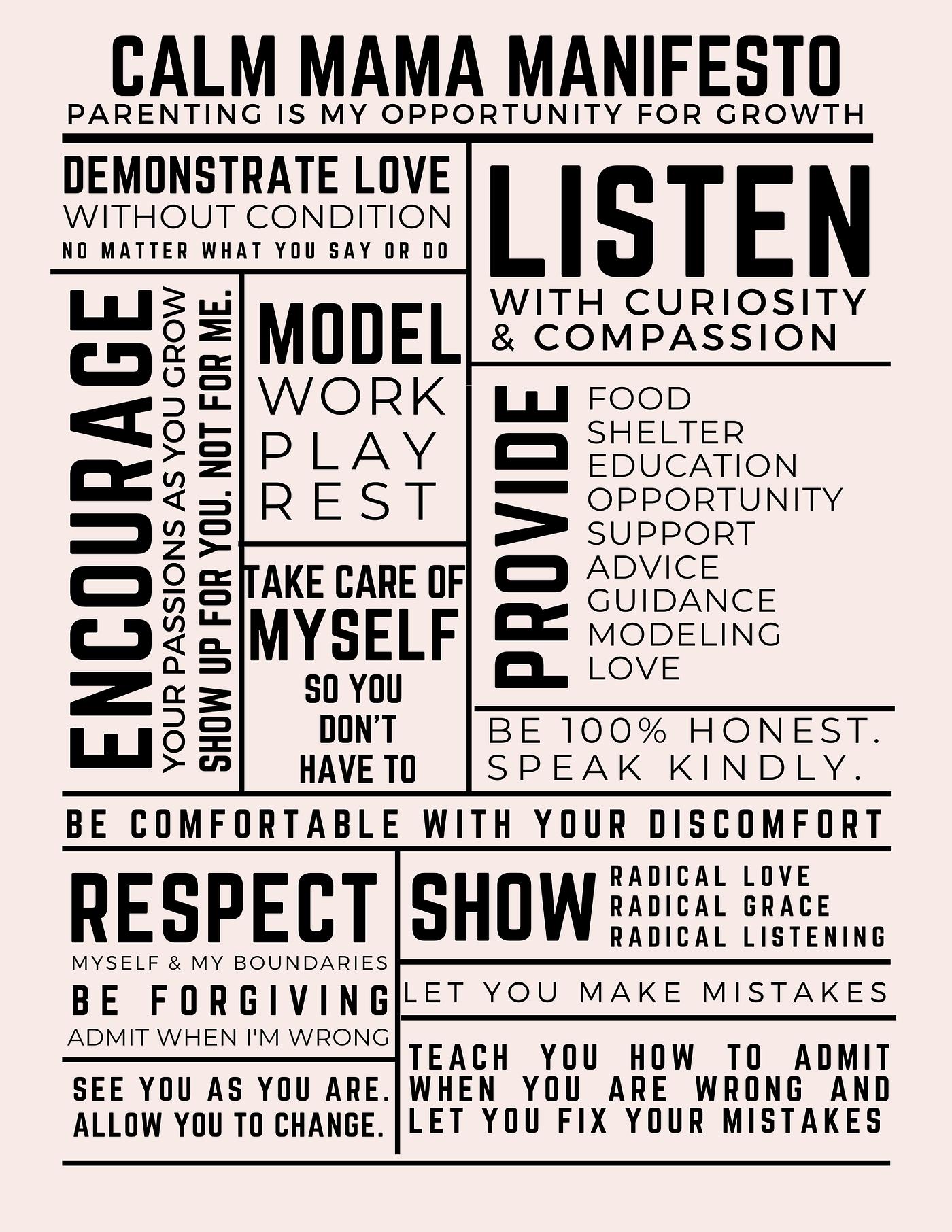
Have you ever wondered what makes a powerful statement truly unforgettable? That’s exactly what a manifesto does.
It’s more than just words on paper—it’s a bold declaration that can change the way you think, act, and even see the world. If you want to understand how a manifesto can inspire you and others, keep reading. This article will reveal what a manifesto is, why it matters, and how it can shape your ideas and actions in a way that sticks with you.
Ready to discover the secret behind this game-changing tool? Let’s dive in.

Credit: www.instagram.com
Origins Of Manifestos
Manifestos have a rich history rooted in social and political change. They serve as clear statements of beliefs and goals. The origins of manifestos trace back to early times when groups wanted to share their ideas loudly and clearly. These documents helped shape movements and inspired action.
Historical Background
Manifestos began as public declarations during times of unrest. They emerged to unite people around common causes. Early manifestos often addressed injustice or called for reform. Leaders used them to express visions for a better future. These texts helped spread ideas quickly before mass media existed.
Manifestos became a tool for revolutionaries, artists, and thinkers. They offered a way to challenge the status quo. The clear, direct language made manifestos powerful and easy to understand. Over time, they evolved to include political, artistic, and social movements.
Famous Early Examples
The “Declaration of Independence” (1776) is a famous early manifesto. It declared the American colonies’ freedom from British rule. Another key example is “The Communist Manifesto” (1848) by Karl Marx and Friedrich Engels. This manifesto called for workers to unite and fight inequality.
Other early manifestos include:
- The “Futurist Manifesto” (1909) – promoting new art styles and breaking tradition
- The “Surrealist Manifesto” (1924) – exploring the power of dreams and the unconscious
Each of these shaped their fields and inspired followers worldwide. Manifestos remain a vital way to present bold ideas clearly.

Credit: medium.com
Purpose Of A Manifesto
A manifesto serves a clear and powerful purpose: it outlines a vision and calls people to action. It is more than just words on paper; it guides decisions and inspires commitment. Understanding the purpose of a manifesto helps you see why it matters and how it can impact your goals.
Motivating Change
A manifesto pushes you to rethink the status quo. It highlights what needs to improve and creates a sense of urgency. When you read a manifesto, you often feel challenged to take part in making things better.
Think about a time you felt stuck in a routine. A strong manifesto can be the spark that motivates you to break free and act. It doesn’t just describe problems; it calls for solutions.
Expressing Collective Beliefs
A manifesto brings people together by clearly stating shared values and goals. It acts like a common language for a group, helping everyone understand what they stand for.
When you read a manifesto from a community or organization, you see the beliefs that unite its members. This shared vision builds trust and keeps everyone focused on the same direction.
Have you ever joined a cause because you felt it spoke your truth? That connection comes from the power of collective beliefs expressed through a manifesto.
Key Elements
The manifesto is more than just words on a page; it’s a powerful declaration that guides actions and decisions. Understanding its key elements helps you create a manifesto that truly resonates and drives change. Each element plays a critical role in making your message clear, motivating, and rooted in strong principles.
Clear Vision
A clear vision paints a vivid picture of the future you want to create. It answers the question: What are you aiming for?Without this, your manifesto risks sounding vague and uninspiring.
Think about a time you felt truly motivated—wasn’t it because you saw a specific goal ahead? Your vision should do the same for your audience, giving them something tangible to believe in and work towards.
Call To Action
A manifesto isn’t just about ideas; it demands action. Your call to action tells people exactly what they can do to join your cause or support your vision.
Be direct and clear—ambiguous calls leave people unsure of their next steps. Ask yourself: What do you want your readers to do right after reading?Whether it’s changing a habit, joining a movement, or spreading the word, your call to action must empower and motivate.
Core Values
Core values are the foundation of your manifesto. They define what you stand for and guide every decision and behavior.
They help people connect emotionally because they show authenticity and commitment. When I wrote my first manifesto, defining clear values made it easier to stay consistent and attract like-minded supporters. What values are non-negotiable for you?
Types Of Manifestos
Manifestos serve many purposes and appear in different forms. Each type reflects unique goals and audiences. Understanding the main types helps grasp their importance in society, art, and business.
Political Manifestos
Political manifestos outline a party’s beliefs and plans. They explain policies and promises to voters. These documents influence elections and government actions. Politicians use them to gain support and show clear direction.
Artistic And Cultural Manifestos
Artistic manifestos express new ideas in art and culture. They challenge old styles and promote fresh creativity. Artists and writers use manifestos to inspire change. These texts shape movements and cultural shifts.
Corporate Manifestos
Corporate manifestos state a company’s mission and values. They guide employees and inform customers about the brand’s purpose. These manifestos build trust and create a strong identity. Companies use them to stand out in competitive markets.
Impact On Society
The impact of a manifesto on society can be profound and far-reaching. It acts as a catalyst, sparking change and encouraging people to reconsider established norms. Understanding how manifestos influence society helps you see their real power beyond just words on paper.
Influencing Movements
Manifestos often serve as the backbone for social and political movements. They provide a clear set of goals and values that unite people behind a common cause. Think about the Civil Rights Movement — its manifesto helped millions rally for equality and justice.
When you see a manifesto, ask yourself: Does it inspire action or just talk? The most effective ones push people to organize, protest, or engage in meaningful dialogue. Without this influence, many important movements might never gain momentum.
Shaping Public Opinion
A manifesto can change how society views certain issues by presenting new ideas in a compelling way. It challenges existing beliefs and encourages people to think critically about their surroundings. This shift in public opinion often leads to changes in laws and social practices.
Consider how environmental manifestos have shifted the way we think about climate change. They’ve raised awareness and pushed governments to adopt greener policies. What’s your perspective on the issues that manifestos bring to light? Are you ready to reconsider your stance?
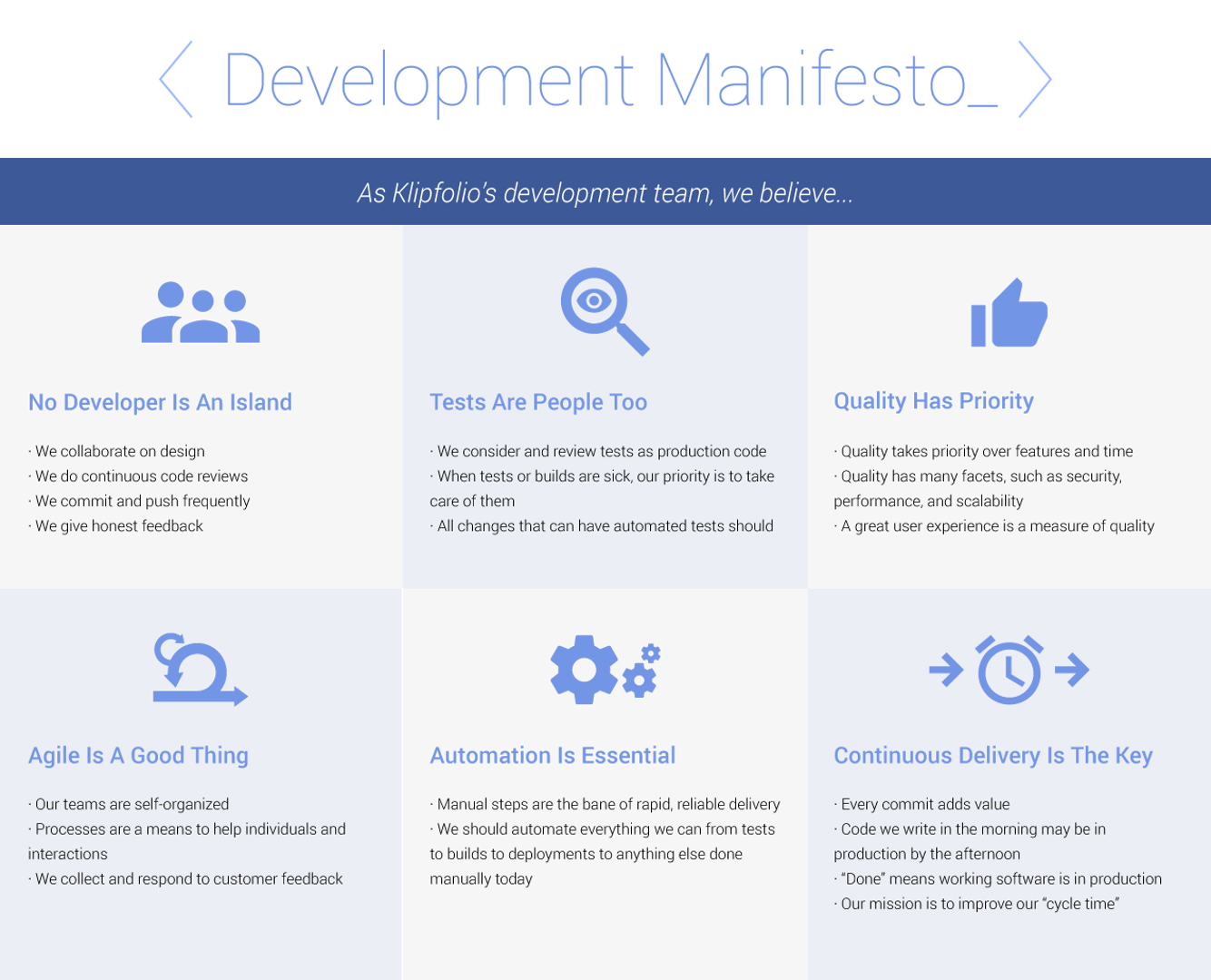
Credit: www.klipfolio.com
Crafting An Effective Manifesto
Crafting an effective manifesto requires more than just listing your beliefs or goals. It’s about clearly expressing your vision in a way that resonates with your audience and inspires action. Each word and sentence should serve a purpose, guiding readers to understand and connect with your core message.
Choosing The Right Language
Your choice of words shapes how people perceive your manifesto. Use simple, direct language that anyone can understand. Avoid jargon or complicated terms that might confuse or alienate your audience.
Think about the tone you want to set. Should it be passionate, hopeful, or firm? Matching your language to the feeling you want to evoke helps people relate to your message more deeply.
Engaging The Audience
Ask yourself what your readers care about and address those points clearly. Use questions or statements that make them stop and think about their own beliefs or actions. This approach turns your manifesto into a conversation rather than just a declaration.
Involve your audience by highlighting shared values or common challenges. This connection encourages them to see your manifesto as relevant to their lives, not just an abstract text.
Maintaining Authenticity
Authenticity builds trust and credibility. Be honest about your intentions and avoid exaggeration or empty promises. Readers can quickly spot when something feels forced or insincere.
Share personal experiences or examples that illustrate your points. This adds a human touch and shows you truly believe in what you’re saying. Authenticity invites others to join your cause because it feels real and achievable.
Frequently Asked Questions
What Is The Definition Of A Manifesto?
A manifesto is a public declaration of intentions and beliefs. It outlines goals and principles for a group or individual. Manifestos inspire action and communicate core values clearly.
Why Are Manifestos Important In Society?
Manifestos unify people around shared ideas. They guide actions and decisions. Manifestos influence political, social, and cultural movements significantly.
How Does A Manifesto Differ From A Mission Statement?
A manifesto is bold and visionary, focusing on change. A mission statement defines an organization’s purpose and daily goals. Both guide direction but serve different roles.
What Are Common Elements In A Manifesto?
Manifestos usually include vision, values, goals, and calls to action. They use clear, persuasive language to motivate readers. This structure strengthens their impact and clarity.
Conclusion
A manifesto shares ideas and goals clearly. It helps people understand what matters most. Writing a manifesto shows strong beliefs and hopes. It guides actions and builds unity. Anyone can create a manifesto to express their vision. Remember, simple words can make big impact.
This tool can inspire change and bring focus. Keep your message honest and easy to follow. That’s the true power of a manifesto.

Similar Posts