What is the Definition of Manifest Destiny: Unveiling History

Have you ever wondered what drove a whole nation to stretch its borders across a vast continent? The term “Manifest Destiny” holds the key to understanding this powerful idea that shaped American history.
But what exactly is the definition of Manifest Destiny, and why does it still matter to you today? Keep reading, and you’ll discover how this simple phrase changed the course of a country—and why it might change the way you see the world around you.
Origins Of Manifest Destiny
The origins of Manifest Destiny trace back to a time of rapid change in America. The early 19th century set the stage for a belief that shaped the nation’s growth. This belief fueled the idea that the United States was meant to expand across the continent. Understanding the roots helps to see why it became so powerful.
Early 19th Century America
In the early 1800s, America was young and growing fast. People moved west in search of land and opportunity. The country had just doubled in size after the Louisiana Purchase. Many Americans believed the land was theirs by right.
At the same time, new states joined the Union. The government wanted to spread democracy and freedom. The idea of spreading American culture and values was strong. This time was full of hope and ambition.
Key Figures And Influences
Several leaders pushed the idea of Manifest Destiny. President James K. Polk was a major supporter. He wanted to expand the country’s borders. Writers and newspapers also spread the belief. They said it was America’s duty to grow.
Religious beliefs played a role too. Many thought God supported the expansion. Missionaries wanted to bring their faith to new lands. This mix of politics, culture, and religion shaped the idea of Manifest Destiny.

Credit: www.teacherspayteachers.com
Core Beliefs And Ideals
The core beliefs and ideals of Manifest Destiny shaped the mindset of an entire nation eager to grow. It wasn’t just about land; it was about a deep conviction that expanding the United States was a duty and a destiny. These beliefs influenced politics, culture, and individual actions in ways that still echo today.
Expansion As A National Mission
Manifest Destiny framed expansion as more than a goal—it was a national mission. Many Americans believed they had a unique role to spread their way of life across the continent. This belief made territorial growth seem not only natural but necessary for the country’s survival and prosperity.
Think about how this idea pushed people to settle new lands, build infrastructure, and create new states. It sparked debates about democracy, freedom, and what it meant to be American. Have you ever considered how this drive for growth might influence your own views on progress and change?
Cultural And Racial Assumptions
Manifest Destiny also rested on cultural and racial assumptions that shaped attitudes toward Native Americans, Mexicans, and others. Many believed that Anglo-American culture was superior and destined to spread. This mindset justified displacing indigenous peoples and ignoring their rights.
These assumptions reveal how deeply ideas about race and culture can impact national policies. They ask you to reflect on the stories you’ve heard about “civilization” and who gets to decide what that means. How might understanding these assumptions change the way you view history and your place in it?
Manifest Destiny In Practice
Manifest Destiny was more than an idea; it shaped America’s actions and growth. It guided the country’s push westward in the 19th century. This belief justified expansion across North America. The practice of Manifest Destiny had lasting effects on the land and people.
Territorial Acquisitions
The United States gained vast lands through treaties and wars. The Louisiana Purchase doubled the nation’s size. Texas joined after its independence from Mexico. The Oregon Territory was settled through agreement with Britain. The Mexican Cession added California and much of the Southwest. These acquisitions fulfilled the goal of expanding coast to coast.
Impact On Native Americans
Native American tribes faced great challenges during this time. Many were forced off their ancestral lands. The Trail of Tears is a tragic example. Conflicts and displacement caused suffering and loss. Their cultures and ways of life were deeply affected. Manifest Destiny often ignored Native American rights and voices.
Role In Us-mexico Relations
Manifest Destiny increased tensions between the US and Mexico. The annexation of Texas upset Mexico. Disputes over borders led to the Mexican-American War. The Treaty of Guadalupe Hidalgo ended the war. The treaty gave the US large territories. These events shaped the future relationship between the two countries.
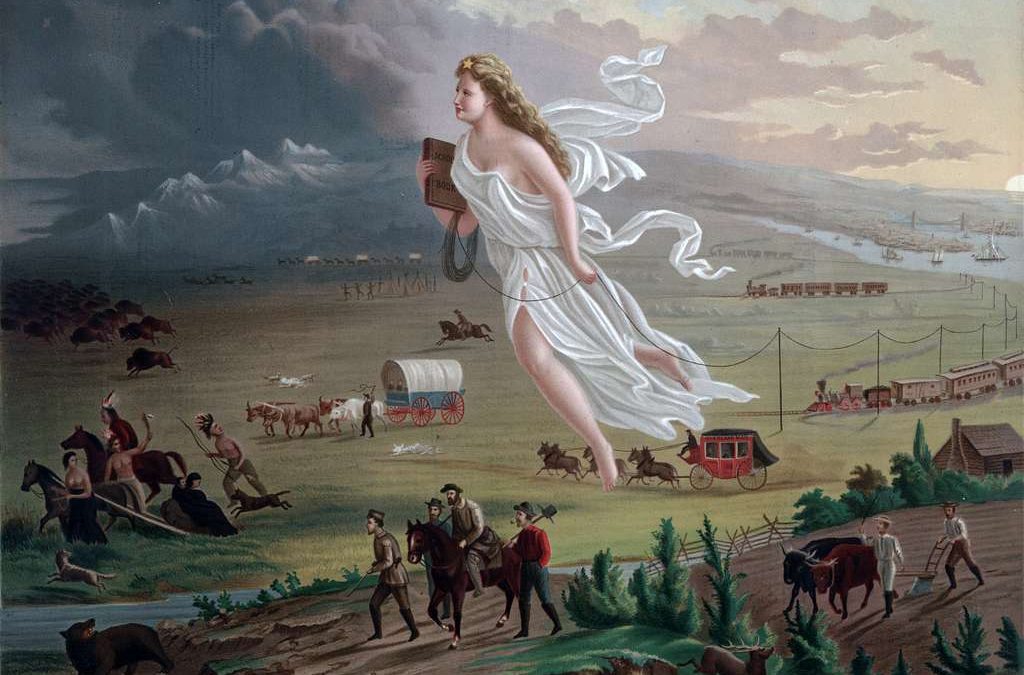
Credit: thestoryexchange.org
Political And Social Effects
Manifest Destiny deeply influenced the political and social landscape of the United States. It shaped debates, policies, and national identity during the 19th century. The belief that the U.S. was destined to expand westward impacted how people viewed their country and each other.
Shaping American Politics
Manifest Destiny pushed politicians to support westward expansion. It became a key issue in elections and government decisions. Leaders argued over how to manage new territories and states. The idea helped fuel the rise of parties focused on growth and development.
Government policies aimed to acquire land through treaties, war, and settlement. These actions changed the balance of power in Congress. Lawmakers debated how new territories would affect national interests and laws.
Divisions Over Slavery
Expansion sparked fierce debates about slavery’s future in new lands. Many feared adding new slave states would upset the balance between free and slave states. This tension increased sectional conflict between the North and South.
Compromises like the Missouri Compromise and the Kansas-Nebraska Act tried to address these issues. Yet, disagreements grew and contributed to the outbreak of the Civil War. Manifest Destiny made the slavery question unavoidable in American politics.
Influence On American Identity
Manifest Destiny helped shape how Americans saw themselves and their nation. It created a belief in the country’s special role and purpose. Many felt proud of the country’s growth and power.
The idea of expanding freedom and democracy became part of the national story. It also justified displacing Native Americans and other groups. This complex legacy still influences American culture and history today.
Criticism And Controversy
The idea of Manifest Destiny sparked deep criticism and controversy. Many people questioned the true cost of expansion. The movement was not just about land but power and control. It affected Native Americans, Mexicans, and others living in the territories. The debate over Manifest Destiny revealed conflicts about justice and fairness. People took strong stands either supporting or opposing the idea.
Opposition Movements
Several groups actively opposed Manifest Destiny. Abolitionists feared new territories would expand slavery. Native American tribes resisted losing their homelands and culture. Some politicians worried about the balance of power between free and slave states. Others questioned the wisdom of aggressive expansion. These opposition groups organized protests and voiced concerns publicly. Their efforts slowed some policies but did not stop the push westward.
Ethical And Moral Debates
Manifest Destiny raised serious ethical questions. Was it right to take land from others by force? Many viewed it as a justification for war and violence. The treatment of Native Americans during this time was often cruel. Critics called out the hypocrisy of spreading freedom while harming others. The debate also touched on ideas of racism and superiority. These moral concerns remain part of how history judges Manifest Destiny today.
Legacy Of Manifest Destiny
The legacy of Manifest Destiny shapes much of the United States today. It influenced the country’s borders and culture deeply. The idea of expanding from coast to coast left lasting marks.
Manifest Destiny was more than a policy. It was a belief that shaped national identity and growth. Its effects can be seen in many parts of American life and geography.
Long-term Impact On Us Borders
Manifest Destiny directly affected how the US borders formed. Territories were added through purchases, wars, and treaties. These expansions doubled the nation’s size in just decades.
States such as California, Texas, and Oregon became part of the US because of this belief. The map of America changed dramatically. Many borders set during that time still exist today.
- The Louisiana Purchase expanded the country westward.
- The annexation of Texas added new land.
- The Oregon Trail encouraged western settlement.
- The Mexican-American War led to the Southwest’s inclusion.
Cultural Reflections And Memory
Manifest Destiny also shaped American culture and how history is remembered. It inspired art, literature, and patriotic stories. These works often celebrated expansion and pioneer spirit.
At the same time, this legacy includes difficult truths. Native American communities faced displacement and hardship. The memory of Manifest Destiny includes both pride and pain.
Today, schools and museums discuss these mixed impacts. They show how Manifest Destiny helped build the nation and caused conflict. It remains a powerful chapter in American history.

Credit: www.teacherspayteachers.com
Frequently Asked Questions
What Is The Meaning Of Manifest Destiny?
Manifest Destiny was a 19th-century belief that the U. S. was destined to expand across North America. It justified territorial growth and westward expansion, shaping American politics and culture during that era.
When Did Manifest Destiny Occur In U.s. History?
Manifest Destiny primarily took place in the 1840s and 1850s. It influenced events like the annexation of Texas and the Oregon Trail migration.
How Did Manifest Destiny Affect Native Americans?
Manifest Destiny led to displacement and suffering for Native Americans. Expansion often resulted in loss of lands and violent conflicts.
What Territories Were Gained Through Manifest Destiny?
The U. S. acquired Texas, Oregon Territory, California, and the Southwest through Manifest Destiny. These lands expanded the nation’s borders significantly.
Conclusion
Manifest Destiny shaped much of America’s early growth and culture. It pushed settlers west and changed the land forever. People believed the U. S. Had a special role to grow and lead. This idea caused both hope and conflict in history.
Understanding Manifest Destiny helps us see how the country grew. It shows the dreams and challenges of America’s past. The story of Manifest Destiny still affects how we view the nation today.

Similar Posts