What Led to Manifest Destiny: Unveiling Its Origins
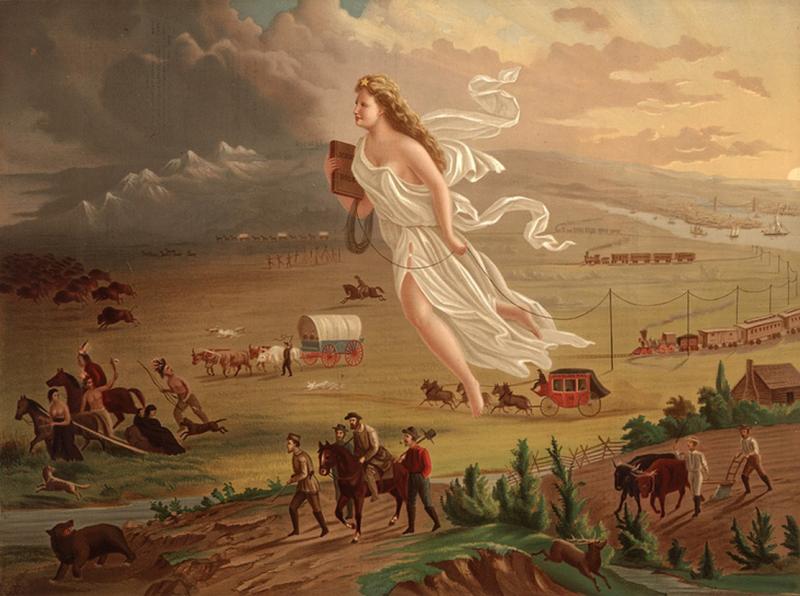
Have you ever wondered why the United States grew so quickly across the continent in the 1800s? What made people believe it was their destiny to stretch from the Atlantic to the Pacific?
Understanding what led to Manifest Destiny helps you see how ambition, belief, and opportunity shaped a nation. You’ll discover the key events and ideas that pushed America to expand its borders. By the end, you’ll understand not just history, but how powerful ideas can change the course of a country—and maybe even your own perspective.
Keep reading to uncover the story behind Manifest Destiny.
Early American Expansion
Early American expansion set the stage for what would become a powerful movement across the continent. Understanding this period helps you see how ideas and actions from the past shaped the country’s growth. It wasn’t just about land—it was about ambition, opportunity, and the belief in a future that stretched beyond the horizon.
Colonial Roots
The desire to grow began long before the United States became independent. Colonists were already pushing beyond their original settlements, driven by the search for fertile land and new resources.
Many settlers saw expansion as a way to improve their lives. They moved westward, often clashing with Native American tribes and European powers. This early movement planted the idea that land was something to be claimed and used.
Think about how your own family history might include stories of moving for a better life. That same motivation fueled these early settlers, shaping America’s future.
Post-revolution Growth
After the Revolution, the new nation faced the challenge of defining its borders and identity. The government encouraged westward expansion through policies and land sales.
The Northwest Ordinance of 1787 set a clear plan for new territories to become states. This practical approach made expansion seem achievable and orderly, not just a wild chase for land.
With the Louisiana Purchase in 1803, the U.S. doubled in size overnight. This bold move showed that the country was ready to grow rapidly, but it also raised questions about how far this expansion should go.
Have you ever thought about what motivates a country to expand? Is it just resources, or something deeper like a vision for the future? Early American expansion gives you a chance to reflect on these ideas, seeing how ambition and policy worked hand in hand to push a nation forward.

Credit: www.albert.io
Political Climate In The 19th Century
The political climate in the 19th century was a powerful force shaping the idea of Manifest Destiny. This period saw intense debates about democracy, power, and the future direction of the United States. The nation’s leaders and citizens alike wrestled with questions about expansion, governance, and identity.
Democratic Ideals
Democratic ideals played a central role in pushing the country westward. The belief that every citizen had the right to participate in government fueled a desire to spread these principles across the continent.
People believed that expanding the nation’s borders would extend freedom and opportunity. This wasn’t just about land; it was about spreading a political system that valued individual rights and self-rule.
Have you ever thought about how your own sense of freedom might influence the decisions you make? The 19th-century Americans felt a similar drive, seeing expansion as a way to secure their democratic future.
Influence Of Key Leaders
Key leaders of the time strongly shaped the vision of Manifest Destiny. Presidents like James K. Polk championed territorial growth as essential to America’s destiny and prosperity.
Polk’s firm stance on acquiring Oregon, California, and Texas showed how leadership could turn political ideas into real actions. His presidency demonstrated the power of clear goals combined with decisive action.
Other figures, such as Henry Clay and John C. Calhoun, also influenced the debate. Their ideas about federal power and states’ rights created tensions that highlighted the complexity behind expansion.
What leadership qualities do you think are most important when guiding a nation through big changes? Reflecting on these historical figures might offer surprising answers.
Economic Motivations
Economic motivations played a crucial role in driving the idea of Manifest Destiny. Many Americans believed that expanding westward promised new chances to improve their financial situation. These opportunities ranged from farming fertile lands to boosting trade routes, which made the prospect of moving west extremely appealing.
Agricultural Opportunities
Fertile soil and vast open spaces in the West attracted many settlers looking to start farms. Unlike the crowded East, the West offered land that could be claimed and cultivated with fewer restrictions. You might imagine the excitement of owning acres of land to grow crops, something many in the East could only dream about.
Access to new farmland promised not just personal wealth but also a way to support growing families. This chance to work the land and build a future was a powerful motivation for many. Have you ever thought about how much owning land changes your perspective on stability and success?
Trade And Commerce
The West was seen as a gateway to new markets and resources. Expanding territories meant access to valuable minerals, timber, and other goods that could be traded both within the country and internationally. Entrepreneurs understood that controlling these resources could boost their businesses and the national economy.
Improved transportation routes, like new roads and rivers, made it easier to move goods across vast distances. This connectivity encouraged merchants and investors to support western expansion. Can you imagine how different your business strategies would be if new markets suddenly opened up just beyond the horizon?
Credit: pastorbhart.medium.com
Cultural Beliefs
Cultural beliefs played a crucial role in shaping the idea of Manifest Destiny. These beliefs influenced how people viewed expansion and their place in the world. Understanding these cultural foundations helps you grasp why many Americans supported moving westward with such passion.
Manifest Destiny As A Concept
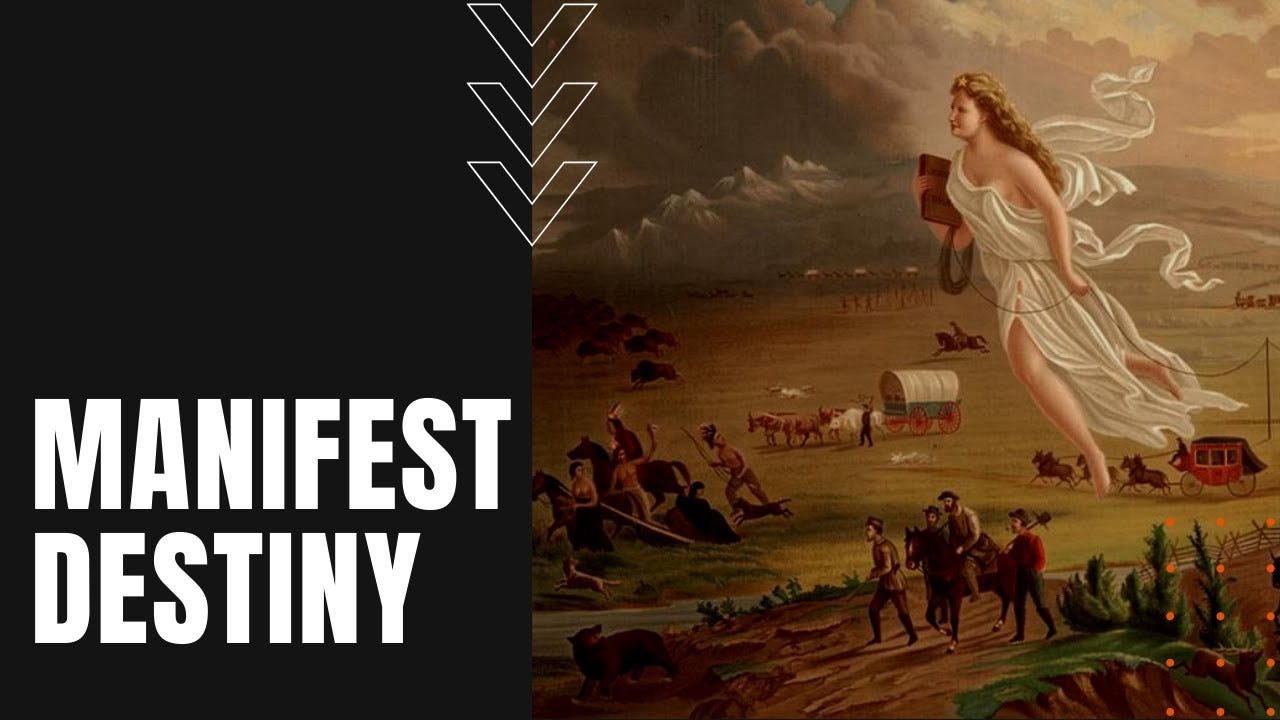
Manifest Destiny was more than just a political goal—it was a belief deeply rooted in culture. Many Americans saw it as their obvious right and duty to expand across the continent. This mindset was fueled by a strong sense of national pride and a vision of progress.
People believed that expanding the United States would spread freedom and democracy. It wasn’t just about land; it was about spreading what they considered superior values. Have you ever felt driven by a belief so strong it shapes your actions?
Religious Justifications
Religion provided a powerful reason for expansion. Many Americans thought they were chosen by God to spread Christianity and civilization. This divine mission made the idea of Manifest Destiny feel not only right but sacred.
Religious leaders often encouraged settlers to move west, saying it was a way to fulfill God’s plan. This gave people a clear purpose and a moral boost to face the challenges of new territories. How might your own beliefs influence the decisions you make?
Territorial Acquisitions
The drive for Manifest Destiny was deeply tied to a series of key territorial acquisitions that reshaped the map of the United States. These land deals weren’t just about expanding borders; they reflected the ambitions, conflicts, and opportunities of a young nation. Each acquisition brought new challenges and possibilities, pushing Americans to rethink their identity and future.
Louisiana Purchase
The Louisiana Purchase doubled the size of the United States overnight. In 1803, the U.S. bought this vast territory from France, adding land from the Mississippi River to the Rocky Mountains. This deal opened the door for westward exploration and settlement, fueling dreams of expansion.
Imagine how exciting it must have been for settlers to consider the endless possibilities beyond the Mississippi. How would your life change if you suddenly had access to that much new land?
Texas Annexation
Texas was its own country before joining the United States in 1845. The annexation sparked tension with Mexico, leading to the Mexican-American War. Texans’ desire to join the U.S. was driven by shared culture and economic interests, but it also intensified debates over slavery and statehood.
Think about the risks and rewards Texans faced by pushing for annexation. Would you have supported joining a larger nation despite the conflict it might cause?
Oregon Territory
The Oregon Territory was a prize contested by both the United States and Britain. Settlers moved there via the Oregon Trail, seeking fertile land and new opportunities. The 1846 agreement peacefully divided the territory, showing that sometimes negotiation can achieve what conflict cannot.
Have you ever had to negotiate for something valuable? The Oregon case reminds us how patience and diplomacy can shape history as much as war.

Credit: hyperallergic.com
Impact Of Native American Relations
The idea of Manifest Destiny deeply affected Native American communities. The expanding United States often ignored their rights and land claims. This led to tension and conflict as settlers moved west. Native Americans faced pressure to give up their lands. Their cultures and ways of life were threatened.
Understanding these relations shows why Manifest Destiny was so forceful. The U.S. government used policies and agreements to control Native peoples. These actions shaped the country’s growth but caused great harm to Native Americans.
Displacement Policies
The U.S. government created laws to move Native Americans off their lands. The Indian Removal Act of 1830 forced many tribes to leave their homes. They had to travel long distances to unfamiliar territories. This journey caused suffering and death for thousands.
Reservations were set up to confine Native peoples to smaller areas. These lands were often less fertile and far from their traditional homes. Displacement policies aimed to open land for settlers and railroads. Native Americans lost access to hunting grounds and sacred sites.
Conflicts And Treaties
Fighting broke out as Native Americans resisted loss of their lands. Battles occurred in many regions, including the Great Plains and Southwest. The U.S. army often fought to enforce government policies.
Treaties were signed but often unfair. Many treaties promised protection or land but were broken later. The government used treaties to claim Native lands legally. Native leaders faced pressure to agree to terms under difficult conditions.
These conflicts and treaties weakened Native nations. They struggled to maintain their independence and cultures. The impact of these relations was a key factor in America’s westward expansion.
Role Of Media And Literature
The media and literature played a powerful role in shaping public opinion and stirring enthusiasm for Manifest Destiny. They didn’t just report events; they framed a vision that many Americans found inspiring and urgent. Understanding how newspapers, pamphlets, and popular books pushed this idea helps you see how ideas spread and influenced real actions.
Newspapers And Pamphlets
Newspapers were the primary source of information for most Americans in the 1800s. Editors often used their platforms to promote westward expansion, presenting it as a national duty and a chance for prosperity.
Pamphlets, meanwhile, were easy to distribute and read. They summarized complex political ideas into simple messages that captured the imagination. Some pamphlets painted the West as a land of opportunity where anyone could own land and build a future.
Think about your own reading habits—how often has a powerful article or pamphlet changed your view on something? That was the exact impact these printed materials had on their readers, turning abstract ideas into compelling reasons to move west.
Popular Literature
Stories and novels also fueled the dream of Manifest Destiny. Writers created adventurous tales about pioneers, Native Americans, and the vast unknown, making the West feel alive and full of possibility.
Books like James Fenimore Cooper’s “Leatherstocking Tales” romanticized frontier life and made readers eager to experience it themselves. These stories didn’t just entertain; they shaped how people imagined America’s future.
Have you ever been inspired by a book to explore new places or ideas? Popular literature did that for many Americans, turning the concept of Manifest Destiny from an idea into a personal dream worth chasing.
Frequently Asked Questions
What Factors Contributed To The Rise Of Manifest Destiny?
Manifest Destiny rose from American belief in expansion, economic growth, and spreading democracy. It combined nationalism and cultural superiority ideas. The desire for land and resources also played a key role in this movement.
How Did Manifest Destiny Impact U.s. Territorial Growth?
Manifest Destiny directly led to U. S. expansion westward. It resulted in acquiring territories like Texas, Oregon, and California. This growth shaped the modern continental United States and fueled economic opportunities.
Why Was Manifest Destiny Important To 19th-century Americans?
It symbolized hope for prosperity, freedom, and opportunity. Many Americans saw it as their destiny to spread civilization and democracy across the continent. This belief united citizens around a common national purpose.
What Role Did Politics Play In Manifest Destiny?
Political leaders promoted Manifest Destiny to gain support and justify expansion. It influenced policies like the annexation of Texas and the Mexican-American War. Politics intertwined with public opinion to drive expansionist goals.
Conclusion
Manifest Destiny grew from hope and belief in growth. People wanted new land for farming and business. The idea also showed pride in the nation’s future. It caused many to move west, seeking chances. This movement shaped the country’s map and culture.
Conflicts and challenges arose, but the goal stayed clear. The story of Manifest Destiny shows how dreams drive change. It reminds us how history shapes the world we live in today.

Similar Posts