What Manifest Destiny Means: Unveiling Historical Impacts
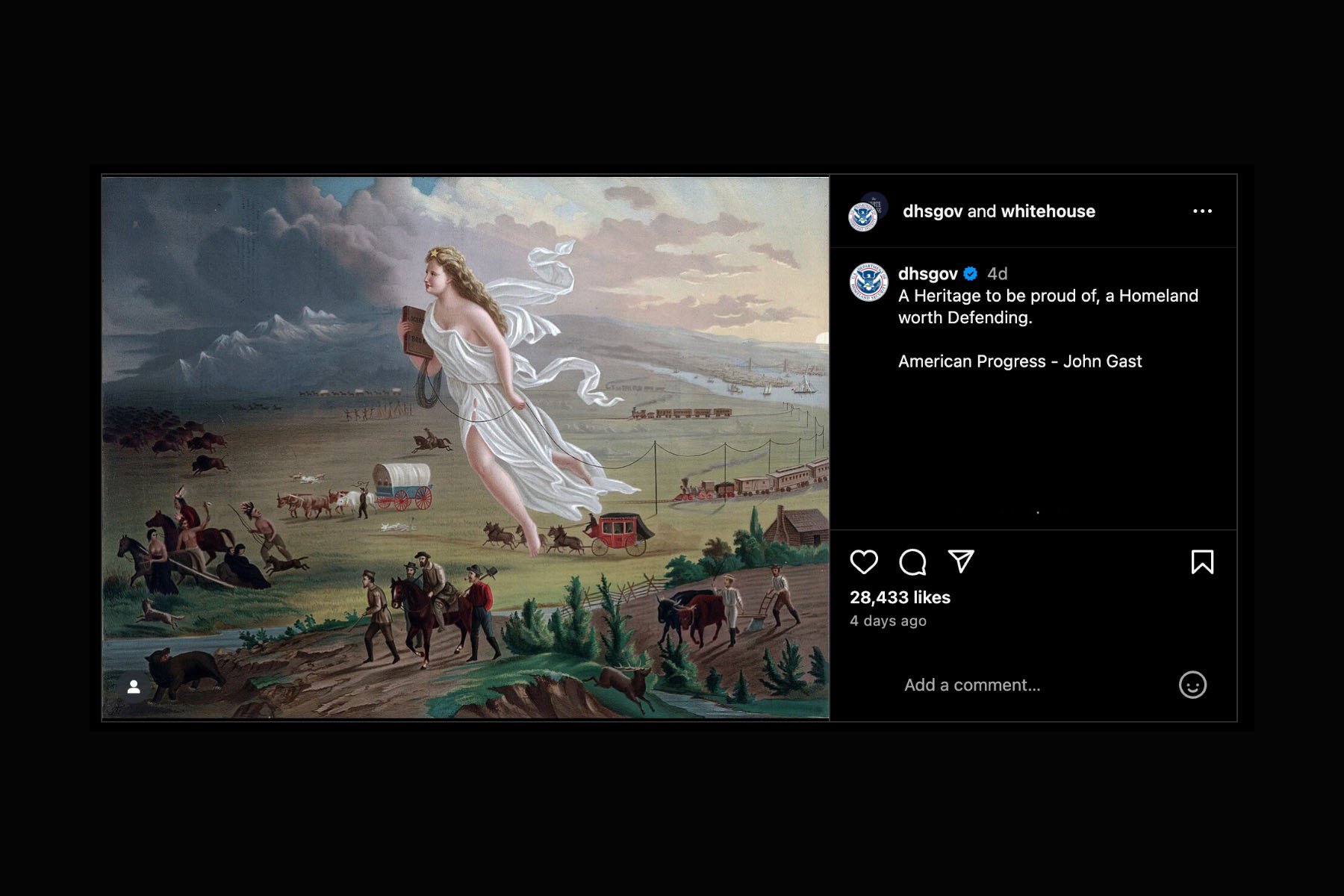
Have you ever wondered why the United States expanded so quickly across the continent in the 1800s? The answer lies in a powerful idea called Manifest Destiny.
This belief shaped the nation’s history, changed lives, and still influences America today. Understanding what Manifest Destiny means can give you new insight into how the country grew and why it took the path it did. Keep reading, and you’ll discover the true impact of this important concept—and why it matters for you.
Credit: hti.osu.edu
Origins Of Manifest Destiny
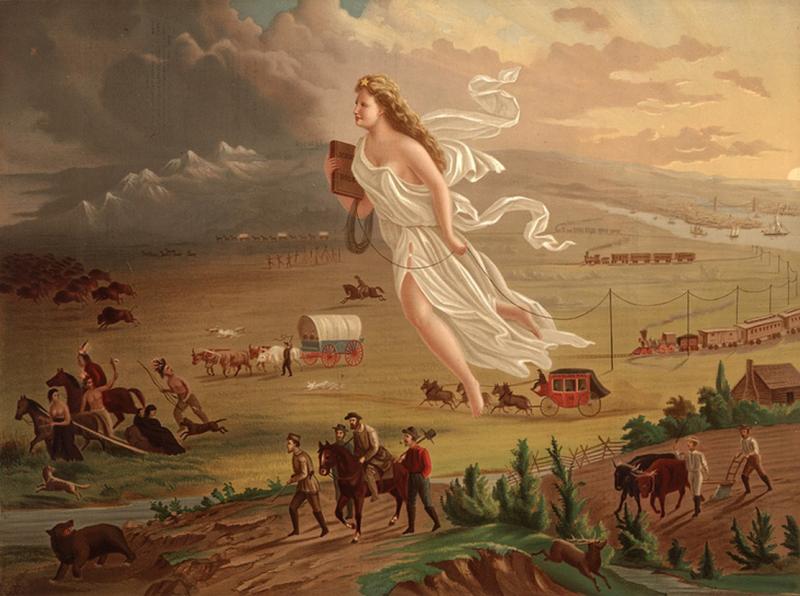
The idea of Manifest Destiny shaped the United States in the 19th century. It was the belief that the country had a special mission to spread across North America. This idea grew from many factors in early America. Understanding its origins helps explain why expansion became a national goal.
Early 19th Century America
The early 1800s were a time of growth and change. The U.S. population increased quickly. New states joined the Union. Americans wanted more land for farming and settlement. The country looked west toward the unknown territories. This sparked hope and excitement for expansion.
Key Figures And Influences
Some leaders strongly promoted the idea of expansion. Politicians like President James K. Polk pushed for new lands. Writers and newspapers spread the belief that expansion was right and necessary. People like John L. O’Sullivan coined the term “Manifest Destiny.” These voices gave the idea power and popularity.
Political And Cultural Roots
Manifest Destiny grew from political goals and cultural beliefs. Many Americans thought their culture and government were superior. They believed they had a duty to bring progress and democracy. The idea also tied to religion, with some seeing expansion as God’s will. These beliefs combined to create a strong push for westward growth.

Credit: www.msnbc.com
Territorial Expansion
Territorial expansion was at the heart of Manifest Destiny, shaping the United States’ growth during the 19th century. This idea wasn’t just about gaining land; it was about fulfilling a belief that Americans were destined to spread across the continent. Understanding how this expansion unfolded helps you see its lasting effects on the country’s geography and culture.
Westward Movement
The westward movement saw thousands of families packing their belongings and traveling thousands of miles. They faced harsh landscapes, unpredictable weather, and uncertain futures. This push to the West was driven by the promise of fertile land and new opportunities.
Have you ever wondered what motivated people to leave everything familiar behind? For many, it was the hope of owning land and securing a better life. The Oregon Trail and the California Gold Rush are just two examples of how this movement captured the nation’s imagination.
Acquisition Of New Lands
The United States expanded its borders through purchases, treaties, and wars. The Louisiana Purchase doubled the size of the country overnight, while the annexation of Texas and the Mexican-American War added vast territories in the Southwest.
These acquisitions weren’t simple land deals; they changed the nation’s economic and political landscape. New resources, trade routes, and settlement areas emerged, but each addition also sparked debates about slavery and statehood. Think about how your own hometown might have changed if it was once part of these contested lands.
Impact On Native Americans
Territorial expansion came at a devastating cost for Native American communities. As settlers moved in, tribes were pushed off their ancestral lands through forced removal and broken treaties. This led to loss of culture, livelihood, and life for many indigenous peoples.
Consider the Trail of Tears, where thousands of Native Americans were relocated under harsh conditions. The consequences of expansion still affect Native American communities today. How do you think the country could have grown without such a heavy human toll?
Economic Motivations
The drive behind Manifest Destiny was fueled heavily by economic motivations that shaped the way America expanded westward. These motivations went beyond mere land acquisition—they were about creating opportunities for growth, wealth, and better livelihoods. Understanding these factors helps you see why so many people supported the idea of stretching the nation’s borders.
Agricultural Opportunities
Fertile land was a huge draw for settlers moving west. Many families believed that owning and farming land could secure their financial future. The promise of rich soil and open space offered a chance to build a prosperous life from the ground up.
Imagine moving to a place where you could plant your own crops and raise livestock without the limits found in crowded eastern cities. This hope for self-sufficiency motivated thousands to take risks and start anew. What would you do if you had the chance to claim land and shape your own destiny?
Resource Exploitation
The west was rich in resources like timber, minerals, and fur-bearing animals. These resources attracted businesses and entrepreneurs eager to tap into new markets and raw materials. Mining towns sprang up overnight, driven by the lure of gold and silver.
Access to natural resources meant more jobs and economic growth. But it also raised questions about sustainability and the impact on indigenous communities. How do you balance economic gain with responsibility toward the environment and people?
Trade And Transportation
Expanding the country’s borders opened up new trade routes and improved transportation networks. Railroads and canals became essential for moving goods quickly and cheaply across vast distances. This infrastructure connected farmers and manufacturers to markets they couldn’t reach before.
Better transportation meant you could sell your products far beyond local towns, increasing profits and encouraging further expansion. It also made it easier for people to move west, creating a cycle of growth. How might your business change if transportation barriers suddenly disappeared?
Social And Cultural Effects
The social and cultural effects of Manifest Destiny shaped the lives of many people living through that era—and continue to influence the United States today. This belief in expansion wasn’t just about land; it changed how people moved, interacted, and practiced their beliefs. Understanding these effects helps you see the complexities behind a simple idea of “moving west.”
Migration Patterns
Manifest Destiny prompted a massive movement of settlers westward. Families packed up their belongings and traveled thousands of miles, hoping for new opportunities. You might imagine the excitement—but also the hardships—they faced on trails like the Oregon or Santa Fe Trail.
These migrations weren’t random. They followed specific routes and often targeted fertile lands or gold rush sites. This movement also led to the development of new towns and states, altering the population distribution significantly.
Cultural Conflicts
The rapid expansion created tension between different groups. Native American tribes found their lands shrinking and way of life threatened. You can think about how difficult it must have been to see your home disappear almost overnight.
Additionally, settlers from different cultural backgrounds clashed over resources and governance. These conflicts sometimes turned violent, showing how expansion wasn’t just about land but also about control and identity.
Role Of Religion
Religion played a powerful role in justifying and motivating Manifest Destiny. Many settlers believed they had a divine mission to spread Christianity and “civilize” new territories. This belief gave them a strong sense of purpose.
Religious groups often established missions and schools to convert indigenous peoples. This added a spiritual dimension to the expansion, influencing social structures in the newly settled areas.
Have you ever thought about how your own beliefs shape your actions? The story of Manifest Destiny shows how religion can drive major social changes—sometimes with unintended consequences.
Political Consequences
Manifest Destiny reshaped the political landscape of the United States deeply. It pushed the nation to expand its borders and challenged existing political structures. This expansion brought many political issues to the forefront, affecting governance, social policies, and international relations.
Statehood And Governance
New territories became new states. Each state had to create its government. This process often led to disputes about land and resources. The U.S. government had to decide how to integrate these areas into the union.
Local governments formed quickly. They set laws and managed daily affairs. The balance of power between federal and state governments became a key question.
Slavery Debate
Expansion increased tension over slavery. New states faced the question of allowing slavery or not. This issue divided the North and South deeply.
The Missouri Compromise and later laws tried to solve this. Still, each new state reignited fierce debates. This growing conflict eventually led to the Civil War.
Foreign Relations
Manifest Destiny affected relationships with other countries. The U.S. gained land from Mexico and Britain. These changes sometimes caused conflicts and negotiations.
Border disputes and treaties became common. The U.S. had to balance its expansion goals with diplomacy. This period marked a shift toward the U.S. becoming a stronger world power.
Legacy Of Manifest Destiny
The legacy of Manifest Destiny continues to shape the United States today. This 19th-century belief pushed the nation to expand its borders across North America. It influenced politics, culture, and society in many lasting ways. Understanding this legacy helps us see how the past affects current American identity and policies.
Modern Perspectives
Modern views on Manifest Destiny are mixed. Some see it as a bold vision that helped build the nation. Others view it as a cause of suffering for Native Americans and Mexicans. This debate shows how history can be understood in many ways. People now question the fairness and impact of expansionist ideas.
Historical Controversies
Manifest Destiny sparked many controversies in its time. It justified wars and the taking of land. Native populations were often forced from their homes. Slavery debates intensified as new territories were added. These conflicts reveal the darker side of Manifest Destiny’s promise. History remembers both progress and pain linked to this era.
Enduring Influences
Manifest Destiny shaped the nation’s borders and growth. It encouraged ideas of American exceptionalism and destiny. The concept affects U.S. foreign policy even now. Cultural expressions, like literature and art, reflect this history. The expansion mindset still influences how Americans see their role in the world.

Credit: www.msnbc.com
Frequently Asked Questions
What Is The Meaning Of Manifest Destiny?
Manifest Destiny was a 19th-century belief that the U. S. was destined to expand across North America. It justified westward territorial growth and shaped American history.
Why Was Manifest Destiny Important In U.s. History?
It fueled westward expansion, led to new states, and impacted Native American lands. Manifest Destiny shaped the nation’s borders and identity.
How Did Manifest Destiny Affect Native Americans?
It caused displacement and loss of native lands. Many Native Americans faced conflict, forced relocation, and cultural disruption due to expansion.
What Role Did Manifest Destiny Play In U.s. Politics?
It influenced policies like the annexation of Texas and the Mexican-American War. Manifest Destiny shaped debates over slavery and territorial control.
Conclusion
Manifest Destiny shaped the growth of the United States. It pushed people westward for new opportunities. This idea brought both progress and conflict. It affected Native American lands and cultures deeply. Understanding Manifest Destiny helps explain American history clearly. It shows how ideas can change a nation’s path.
The story of expansion is complex and important. Remember, history has many sides and lessons to learn.

Similar Posts