What Was Southern Manifesto: Unveiling Historical Controversy
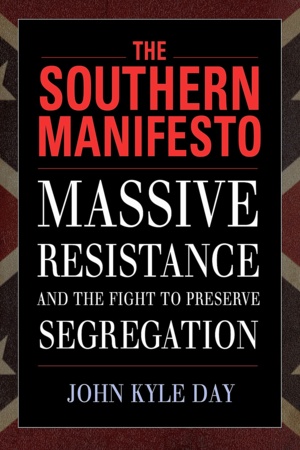
Have you ever wondered why some parts of the United States resisted school integration after the Supreme Court ruled it was unconstitutional? The answer lies in a powerful document called the Southern Manifesto.
Understanding what the Southern Manifesto was can give you a clearer picture of a critical moment in American history. This article will help you see how it shaped attitudes and policies that affected millions of people. Keep reading to uncover the story behind this influential declaration and why it still matters today.

Credit: www.youtube.com
Origins Of The Southern Manifesto
The origins of the Southern Manifesto trace back to a time of intense political and social change in the United States. This document emerged as a direct response to the Supreme Court’s decision in Brown v. Board of Education, which declared racial segregation in public schools unconstitutional. Southern leaders felt their way of life and state rights were under threat. They united to oppose federal intervention in state education policies.
The manifesto reflected deep regional tensions and resistance to integration. It symbolized the South’s determination to maintain segregation despite growing national pressure for civil rights reforms.
Political Climate In The 1950s
The 1950s were marked by Cold War fears and strong states’ rights debates. Southern states resisted federal changes that challenged segregation and racial hierarchy. Many politicians used segregation to rally voters and maintain power. The Brown decision sparked outrage across the South, seen as an overreach by the federal government. Public schools became battlegrounds for civil rights, stirring protests and legal battles. The political atmosphere was charged with fear, anger, and uncertainty.
Key Figures Behind The Manifesto
Several prominent Southern politicians played leading roles in drafting the Southern Manifesto. Senators like Strom Thurmond and Richard Russell were vocal opponents of desegregation. They believed in preserving segregation as part of Southern tradition. These leaders gathered signatures from Congress members to show unified opposition. Their speeches and writings fueled resistance and encouraged states to defy the Supreme Court. The manifesto became a symbol of Southern defiance led by influential voices.
Content And Purpose
The Southern Manifesto was more than just a statement; it was a carefully crafted document aimed at resisting the changes brought by the Supreme Court’s decision on school segregation. Understanding its content and purpose helps you grasp the mindset and strategies of those who opposed desegregation during a critical time in American history.
Main Arguments Presented
The manifesto argued that the Supreme Court overstepped its constitutional authority by mandating desegregation in public schools. It claimed that education was a state matter, not a federal one, and states had the right to maintain segregated schools if they chose. Supporters also said that forced integration would disrupt social order and infringe on individual freedoms.
They frequently used the idea of “states’ rights” as a shield, suggesting that the federal government had no place interfering in local education policies. The language was carefully chosen to sound legal and constitutional, appealing to readers who valued tradition and local control.
Goals And Intentions
The primary goal was to unify Southern lawmakers and citizens against federal desegregation orders. By signing the manifesto, they sent a clear message of defiance and solidarity. This was not just about education—it was about preserving a way of life that many in the South were deeply attached to.
Beyond resisting integration, the manifesto aimed to slow down or block the enforcement of the Brown v. Board of Education decision. It sought to encourage states to use legal and political means to maintain segregation. This raises a question: how far should a government go to uphold social practices that many now see as unjust?
Reaction To Brown V. Board Of Education
The Supreme Court’s decision in Brown v. Board of Education shocked the United States. It ruled that racial segregation in public schools was unconstitutional. This ruling marked a turning point in civil rights. Many Southern states strongly opposed this change. Their reaction shaped the future of school integration and civil rights laws.
Legal Background Of The Case
Brown v. Board of Education was a landmark 1954 Supreme Court case. It challenged the “separate but equal” doctrine established by Plessy v. Ferguson in 1896. The case argued that segregated schools violated the Equal Protection Clause of the 14th Amendment. The Court unanimously agreed that separate schools are inherently unequal. This decision overturned decades of legal segregation in education.
Southern States’ Response
Many Southern states refused to accept the Court’s decision. They saw it as a threat to their traditions and social order. In 1956, a group of legislators signed the Southern Manifesto. This document condemned the Brown ruling. It urged states to resist integration by all lawful means.
The Southern Manifesto claimed that the Supreme Court overstepped its authority. Signatories pledged to fight desegregation in courts and legislatures. Some states passed laws to delay or block school integration. Others closed public schools rather than integrate them. This resistance delayed racial equality in education for years.
Impact On Segregation Policies
The Southern Manifesto had a profound impact on segregation policies in the United States, particularly in the South. It fueled organized resistance to desegregation efforts following the Supreme Court’s decision in Brown v. Board of Education. Understanding its effects helps you see how political declarations can shape social realities and influence public systems for years.
Resistance To Desegregation
The Southern Manifesto openly declared opposition to desegregation, encouraging states to resist federal mandates. This resistance wasn’t just political talk—it translated into real actions like closing public schools and passing laws to maintain segregation.
States used various tactics to delay or avoid integration, including:
- Legal challenges against desegregation orders
- Creation of private “segregation academies”
- Funding cuts to integrated schools
Have you ever wondered how political statements can legitimize everyday discrimination? This manifesto provided a legal and moral cover for those opposing racial equality, making resistance seem lawful and justified.
Effects On Public Education
The Southern Manifesto’s impact on public education was immediate and lasting. Many school districts resisted integration by shutting down schools or diverting resources away from Black students.
This resistance affected generations of children by:
- Limiting access to quality education for Black students
- Creating unequal funding between white and Black schools
- Delaying the full implementation of desegregation policies
Think about how your own education was shaped by policies or community attitudes. The consequences of the manifesto reveal how political actions can deeply influence educational opportunities and social mobility. What changes in your local schools can you trace back to these historic decisions?
Political And Social Consequences
The Southern Manifesto had far-reaching political and social consequences that shaped the United States during the Civil Rights Era. It wasn’t just a statement; it influenced policies, attitudes, and political alignments, especially in the South. Understanding these consequences helps you see how one document can ripple through history and affect everyday life.
Influence On Southern Politics
The Southern Manifesto united many Southern politicians against federal efforts to end racial segregation. It strengthened segregationist policies by encouraging resistance to the Supreme Court’s ruling in Brown v. Board of Education. This resistance slowed down desegregation and kept many schools and public spaces divided for years.
Southern politicians used the Manifesto as a tool to rally voters who opposed integration. It also contributed to the rise of “states’ rights” arguments, which you might recognize in current political debates. These politicians often blocked civil rights legislation, slowing progress on equality.
National Response And Criticism
The Manifesto sparked strong reactions across the country. Many Northern politicians and civil rights activists criticized it as a direct attack on the Constitution and the Supreme Court’s authority. This opposition highlighted the deep division between North and South over civil rights.
Public opinion in many parts of the nation shifted as the civil rights movement gained momentum. Some citizens questioned how the government could allow states to ignore federal law. This tension raised an important question for you: How far should local governments go in resisting national change?
The Southern Manifesto’s legacy reminds us that political documents can have long-lasting effects. They can influence voter behavior, policy decisions, and social attitudes for decades. Keeping this in mind, you can better appreciate how history shapes the political landscape you navigate today.

Credit: www.newspapers.com
Legacy And Modern Perspectives
The Southern Manifesto left a deep mark on American history. It shaped the struggle over civil rights and segregation. Its legacy influences debates on race and equality today.
Understanding modern views helps reveal how society has changed. It also shows ongoing challenges in race relations and justice.
Historical Significance
The Southern Manifesto was a response to the 1954 Brown v. Board of Education decision. It expressed strong opposition to racial integration in public schools. Signed by many Southern lawmakers, it defended segregation as a state right.
This document fueled resistance to civil rights laws during the 1950s and 1960s. It strengthened efforts to maintain racial separation in schools and public places. The manifesto symbolized the deep divisions in American society over race.
Contemporary Views On The Manifesto
Today, most people view the Southern Manifesto as a symbol of racial injustice. It is often cited as an example of how laws upheld inequality. Scholars study it to understand the roots of systemic racism.
Some groups still debate the balance between states’ rights and federal authority. The manifesto remains a reminder of the challenges in achieving racial equality. It encourages ongoing dialogue about history, memory, and justice in the United States.

Credit: www.youtube.com
Frequently Asked Questions
What Was The Southern Manifesto’s Main Purpose?
The Southern Manifesto aimed to oppose racial integration in public schools. It was a reaction to the 1954 Brown v. Board of Education ruling. Southern lawmakers sought to resist desegregation efforts and maintain segregation laws in their states.
Who Authored The Southern Manifesto?
The Southern Manifesto was primarily authored by Senator Strom Thurmond and Senator Richard Russell. They represented Southern states and led the opposition against the Supreme Court’s desegregation decision. Their goal was to preserve segregation and states’ rights.
When Was The Southern Manifesto Signed?
The Southern Manifesto was signed in 1956, two years after the Brown v. Board of Education decision. It was a formal declaration by Southern legislators to resist desegregation mandates. The document reflected widespread Southern opposition to racial integration.
How Did The Southern Manifesto Impact Civil Rights?
The Southern Manifesto slowed civil rights progress by encouraging resistance to desegregation. It fueled opposition to federal enforcement of integration laws. However, it also galvanized civil rights activists to push harder for equality.
Conclusion
The Southern Manifesto was a clear stand against racial integration. It showed strong opposition to the Supreme Court’s decision. Many Southern leaders signed it to keep segregation. This document shaped the fight over civil rights in America. Understanding it helps explain past social tensions.
It also shows how laws affect people’s lives. History teaches us why equality matters today. The Southern Manifesto remains a key example of resistance to change.

Similar Posts