What was the Cause of Manifest Destiny: Unveiling Truth
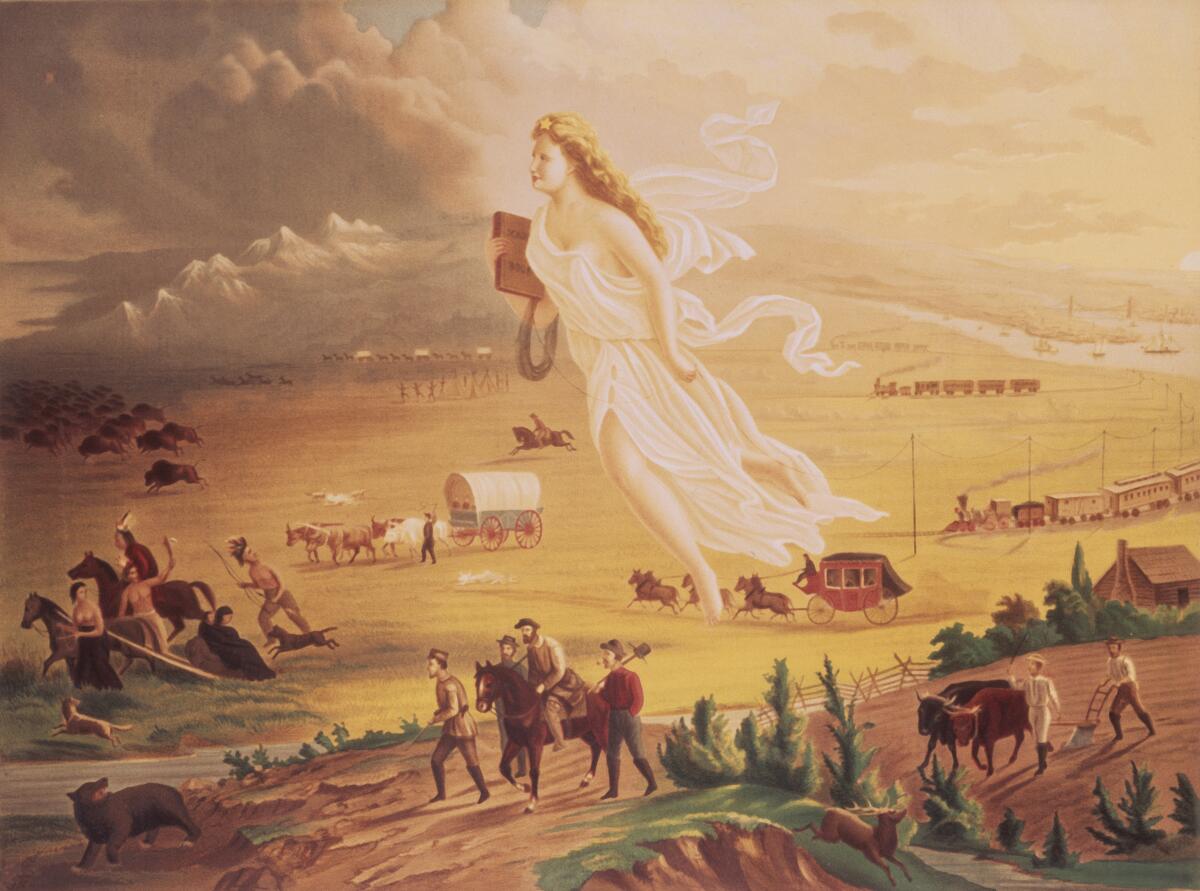
Have you ever wondered why the United States expanded so quickly across the continent in the 1800s? The idea behind this rapid growth is called Manifest Destiny.
But what really caused this powerful belief to take hold in the hearts and minds of so many Americans? Understanding the true cause of Manifest Destiny can change the way you see American history and its impact on the world.
Keep reading, and you’ll discover the surprising reasons that pushed a nation to stretch from coast to coast.

Credit: www.teacherspayteachers.com
Origins Of Manifest Destiny
The origins of Manifest Destiny reveal a complex mix of ideas and conditions that pushed the United States toward rapid expansion. Understanding these roots helps you see why so many Americans believed it was their right—and duty—to spread across the continent. Let’s look closely at the early ideas about expansion and the political environment that fueled this belief.
Early American Expansion Ideas
Long before Manifest Destiny was a popular term, many Americans believed in expanding their territory. The idea wasn’t new; it began with settlers pushing westward for land, opportunity, and a fresh start.
People saw expansion as a way to improve their lives. They wanted more farmland, access to new resources, and economic growth. This mindset grew stronger as pioneers moved beyond the Appalachian Mountains and into the Mississippi Valley.
Did you ever wonder why people risked everything to settle unknown lands? It was partly about hope and partly about the belief that America had a special mission to spread its values and systems.
Political Climate In The 19th Century
The political scene in the early 1800s made expansion a hot topic. Leaders debated how far the country should stretch and who should control new territories.
Political parties often used expansion to gain support. Democrats, for example, pushed for more land as a way to appeal to farmers and settlers, while others worried about the impact on slavery and relations with Native Americans.
This tension made you realize how expansion wasn’t just about land—it was about power and the future direction of the nation. The debates shaped policies that encouraged growth but also sparked conflicts that would later erupt into war.

Credit: www.instagram.com
Economic Motivations
The drive behind Manifest Destiny was deeply rooted in economic motivations. Many Americans saw the expansion westward as a way to improve their financial situation and secure a better future. Understanding these economic factors helps you grasp why so many supported this movement despite the challenges.
Agricultural Opportunities
Land was a precious resource for farmers and settlers. The promise of fertile soil and vast tracts of land encouraged many to move west. You might wonder how this affected everyday people—well, owning land meant independence and the chance to grow crops to feed families and sell at markets.
Think about this: if you had the chance to own a large piece of land for farming, would you take it? The government’s policies, like the Homestead Act, made it easier and cheaper for settlers to claim land. This created a powerful incentive to push into new territories.
Trade And Market Expansion
Expanding the country wasn’t just about farming; it was also about opening new trade routes and markets. Access to the Pacific Coast meant easier trade with Asia, which was becoming increasingly important. Businesses and traders saw huge potential in connecting different regions.
Imagine you run a business—how valuable would it be to reach new customers and resources? The economic promise of new markets helped fuel support for Manifest Destiny, as many believed it would boost the nation’s economy and create jobs.
Cultural Influences
The cultural influences behind Manifest Destiny reveal a deep connection between American identity and the drive for expansion. These influences shaped how people viewed their mission and justified their actions. Understanding these cultural roots helps you see why Manifest Destiny was more than just a political or economic goal—it was a belief system.
Role Of Religion And Missionaries
Religion played a powerful role in pushing the idea of Manifest Destiny. Many Americans believed they had a divine duty to spread Christianity across the continent. Missionaries traveled west, aiming to convert Native Americans and settlers alike.
This religious mission often went hand in hand with expansion efforts. It gave settlers a strong sense of purpose and moral justification. You might wonder how this faith-driven motive influenced policies and daily life during westward expansion.
Beliefs In American Exceptionalism
At the heart of Manifest Destiny was the belief that America was unique and destined to lead. This sense of exceptionalism made many Americans feel their culture and government system were superior. It fueled confidence that expansion was not only right but inevitable.
Have you ever felt a strong sense of purpose that made challenges seem smaller? That’s similar to what many Americans experienced. They saw their mission as a way to spread freedom and democracy, shaping the nation’s future.
Political Drivers
The political forces behind Manifest Destiny were powerful and complex. They shaped the nation’s direction and fueled a belief that the United States was destined to expand across the continent. Understanding these political drivers helps you see how government actions and party agendas pushed the country toward growth and conflict.
Party Politics And Manifest Destiny
Political parties played a major role in promoting Manifest Destiny. The Democratic Party, led by figures like President James K. Polk, strongly supported expansion. They believed growing the nation would secure economic opportunities and strengthen the United States globally.
On the other hand, some Whigs opposed rapid expansion, fearing it would increase sectional tensions over slavery. This division shows how party politics were deeply tied to the destiny debate. You might wonder how political rivalries can still influence major national decisions today.
Impact Of The Mexican-american War
The Mexican-American War was a direct result of Manifest Destiny’s political momentum. The conflict gave the U.S. control over vast territories in the Southwest. This victory intensified debates about slavery and statehood, reshaping the nation’s future.
Politicians used the war’s outcome to justify further expansion. But it also exposed deep divisions within the country. Reflect on how war can both unite and divide a nation politically—what lessons can you draw from this?
Social Factors
The social factors behind Manifest Destiny played a huge role in shaping America’s expansionist drive. These influences went beyond politics and economics, touching everyday lives and how people viewed their future. Understanding these social forces helps you see why so many Americans felt drawn to move westward.
Population Growth And Migration
The early 19th century saw a sharp rise in America’s population. More people meant more demand for land and resources, pushing many to seek opportunities in new territories.
Families packed up and moved west, hoping for a fresh start or better farmland. You might relate if you’ve ever felt the pull of a new place promising a better life.
Migration wasn’t just about individuals; entire communities moved, forming new towns and shaping America’s cultural landscape. This wave of movement created a sense of urgency to claim and settle the land before others did.
Impact On Native American Communities
As settlers moved west, Native American tribes faced immense disruption. Their lands were taken, and traditional ways of life were challenged.
You can imagine the shock and hardship when your community’s home is suddenly invaded and your culture dismissed. The social fabric of Native societies was torn apart by forced relocations and conflicts.
Understanding this impact is crucial. It reminds us that Manifest Destiny was not just about growth but also about significant human cost. How might history look if these social consequences had been fully acknowledged at the time?

Credit: www.facebook.com
Controversies And Opposition
The idea of Manifest Destiny sparked many heated debates and strong opposition. Not everyone agreed with expanding the United States across the continent. Some feared the consequences of rapid growth and the impact on the nation’s future. These controversies shaped the political and social landscape of the time.
Anti-expansionist Views
Many people opposed westward expansion for moral and practical reasons. Some believed it was wrong to take land from Native Americans and Mexico. Others worried about the cost of wars and new territories. Critics said expansion could lead to government overreach and weaken the country’s unity.
Anti-expansionists also feared the spread of American power could cause conflicts with foreign nations. They wanted to focus on improving the existing states instead of adding more land. Their voices challenged the popular belief in Manifest Destiny and slowed some efforts to expand.
Debates Over Slavery And Territory
Expansion raised critical questions about slavery in new lands. Would new states allow slavery or ban it? This question divided the North and South sharply. Both sides wanted to control the new territories to influence national politics.
The debate increased tensions and pushed the country closer to civil war. Many feared that adding new slave states would give the South too much power. Others worried that banning slavery would harm southern economies. These arguments made Manifest Destiny a complex and divisive issue.
Legacy Of Manifest Destiny
The legacy of Manifest Destiny still shapes the United States today. It was more than just a political idea; it was a powerful force that changed the nation’s map, culture, and politics. Understanding this legacy helps you see how past decisions continue to affect your daily life and the country’s future.
Long-term Effects On U.s. Borders
Manifest Destiny expanded the U.S. borders significantly. Territories that once belonged to Mexico and Native American tribes became part of the United States. This expansion created the continental shape of the country you know today.
These changes also led to new state formations and shifted the balance of power between free and slave states. Have you ever wondered why the U.S. has 50 states or how the West Coast became part of the nation? The answer lies in this era.
Cultural And Political Consequences
The expansion fueled intense cultural changes and political debates. It heightened tensions over slavery, which eventually contributed to the Civil War. The question of whether new territories would allow slavery deeply divided the nation.
Culturally, Manifest Destiny affected Native American communities drastically. Forced relocations and conflicts disrupted their way of life. You might ask yourself how these historical actions influence Indigenous rights movements today.
Manifest Destiny also shaped American identity, promoting ideas of opportunity and progress. Yet, it came with consequences that still challenge the U.S. in terms of racial and cultural diversity. How do you think this legacy should influence current policies?
Frequently Asked Questions
What Motivated The Belief In Manifest Destiny?
Manifest Destiny was driven by the desire for westward expansion. Americans believed it was their divine right to spread democracy and civilization across the continent.
How Did Economic Factors Cause Manifest Destiny?
Economic opportunities like farming, mining, and trade motivated Americans to expand. Access to new land promised wealth and growth for settlers and the nation.
Did Political Goals Influence Manifest Destiny?
Yes, expanding U. S. territory strengthened national power. Politicians sought to spread American ideals and increase influence over the continent.
How Did Cultural Beliefs Support Manifest Destiny?
Cultural ideas of racial and cultural superiority justified expansion. Many believed they had a duty to civilize Native Americans and others.
Conclusion
Manifest Destiny grew from a strong belief in expanding America’s land. People wanted new opportunities, wealth, and freedom. The idea mixed hope with a sense of duty to grow the nation. This belief shaped much of America’s history and borders.
Understanding its cause helps us see why the country changed so much. It was more than land—it was about dreams and a future vision. Manifest Destiny left a lasting mark on the United States.

Similar Posts