What was the Concept of Manifest Destiny: Explained
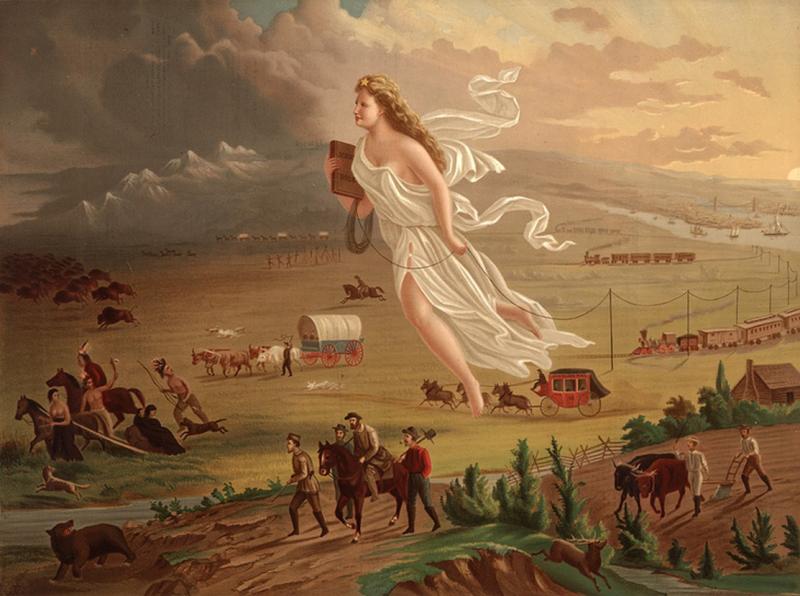
Have you ever wondered why the United States expanded so quickly across North America? The idea behind this rapid growth is called Manifest Destiny.
It was more than just a plan—it was a powerful belief that shaped the nation’s future. Understanding Manifest Destiny helps you see how history, politics, and dreams came together to change a continent. Keep reading to discover what this concept really meant and why it still matters to your view of America today.
Credit: muddyum.net
Roots Of Manifest Destiny
The roots of Manifest Destiny lie deep in America’s early history. This idea grew from a mix of ambition, belief, and politics. It shaped the nation’s path westward. Understanding these roots helps us see why Americans felt destined to expand across the continent.
Early American Expansion
From the start, Americans moved west for new land and opportunity. The Louisiana Purchase in 1803 doubled the country’s size. Settlers crossed the Appalachian Mountains to claim farms. This early growth set the stage for bigger expansion.
Political Climate In The 19th Century
Leaders pushed for growth to strengthen the nation. The government supported new territories and states. Expansion became a key goal in elections and debates. Many believed spreading democracy was part of America’s mission.
Cultural And Religious Influences
Many Americans saw expansion as a divine right. Religious leaders spoke of a mission to spread their faith. The idea of American culture as superior was common. These beliefs gave energy to the push westward.
Key Figures And Supporters
The idea of Manifest Destiny was not just a vague notion; it was driven by powerful people who shaped public opinion and policy. Understanding who these key figures were helps you see how the concept gained momentum and became a defining force in American history.
Political Leaders
Political leaders like President James K. Polk played a crucial role in pushing Manifest Destiny forward. Polk’s administration aggressively pursued territorial expansion, including the annexation of Texas and the Oregon Territory.
Other politicians supported this vision to strengthen the nation’s economic and political power. Their decisions weren’t made in isolation; they reflected a broader belief that expanding westward was America’s destiny.
Journalists And Writers
Journalists and writers acted as the voice of Manifest Destiny, spreading the idea through newspapers and books. John L. O’Sullivan, a prominent editor, coined the term “Manifest Destiny” and argued that it was America’s divine right to expand across the continent.
Writers used vivid language to inspire readers and justify expansion, often portraying it as a moral mission. Their work shaped how ordinary people viewed the country’s future and fueled enthusiasm for growth.
Public Opinion
Public opinion was not uniform, but many Americans felt excited about the chance to claim new lands. Settlers, farmers, and entrepreneurs saw opportunity in the west, ready to take risks for a better life.
Yet, not everyone agreed—some worried about the consequences, including conflicts with Native Americans and other nations. How would you balance the promise of new opportunities with the realities of expansion’s cost?
Territorial Expansion
Territorial expansion was a key part of Manifest Destiny. This idea pushed the United States to grow its land across North America. Many new areas were added, shaping the country’s borders and future. These events sparked change and sometimes conflict as the nation moved westward.
Louisiana Purchase
The Louisiana Purchase doubled the size of the United States. In 1803, the U.S. bought this vast territory from France. It stretched from the Mississippi River to the Rocky Mountains. This deal opened land for farming and settlement. It was a major step in westward growth.
Annexation Of Texas
Texas joined the U.S. in 1845 after declaring independence from Mexico. The annexation caused tension with Mexico. Texas was a large area with rich farmland. It attracted many settlers eager to start new lives. This move fueled the idea of expanding American territory.
Oregon Territory
The Oregon Territory was claimed by both the U.S. and Britain. In 1846, they agreed to split the land at the 49th parallel. This gave the U.S. control over present-day Oregon, Washington, and Idaho. It provided access to the Pacific Ocean. Settlers moved there seeking new opportunities.
Mexican-american War And Treaty Of Guadalupe Hidalgo
The Mexican-American War began in 1846 over border disputes. The U.S. won and forced Mexico to sign the Treaty of Guadalupe Hidalgo in 1848. This treaty gave the U.S. a huge amount of land, including California and much of the Southwest. It marked the peak of Manifest Destiny’s territorial gains.
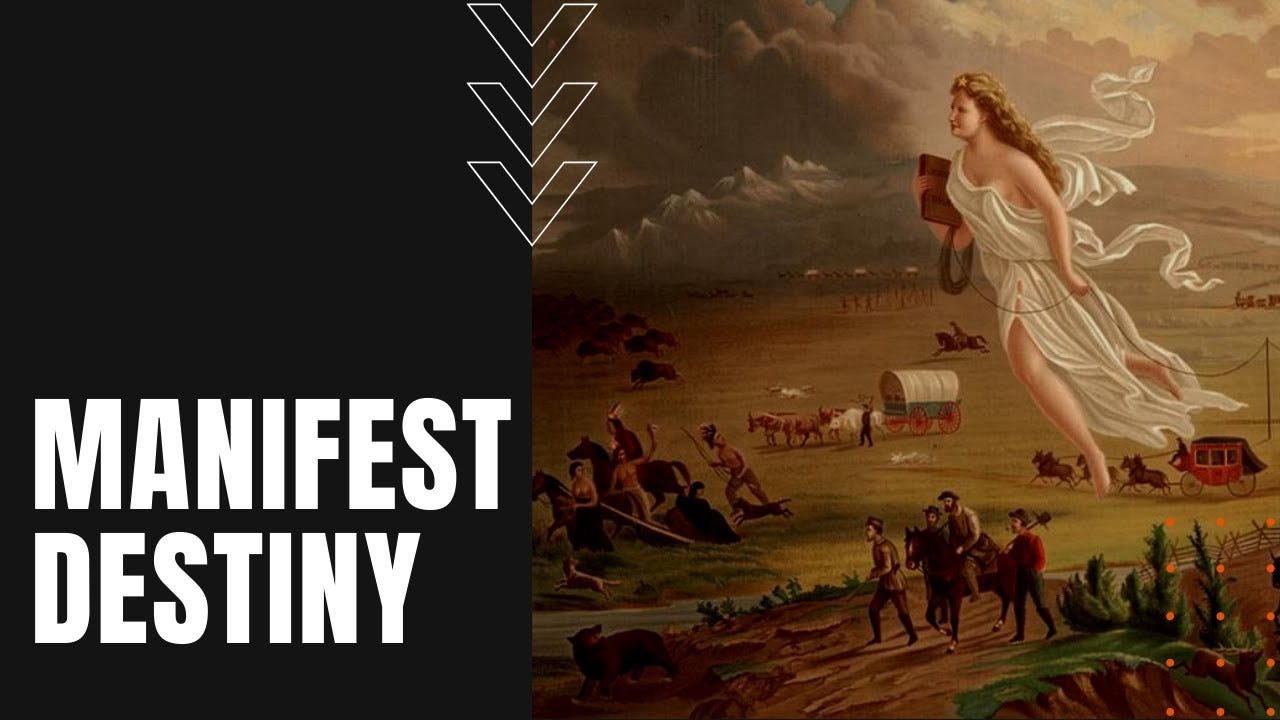
Credit: pastorbhart.medium.com
Impact On Native Americans
The concept of Manifest Destiny had a deep impact on Native Americans. It changed their lives in many hard ways. As settlers moved west, Native Americans faced loss of land and culture. Their communities were broken apart. The effect was both immediate and long-lasting.
Displacement And Conflicts
Native Americans were forced from their ancestral lands. The government often ignored their rights. Many tribes faced violent conflicts with settlers and the army. These battles caused great suffering and loss of life.
Forced relocations like the Trail of Tears pushed tribes far from home. They had to live in unfamiliar, harsh areas. Survival became difficult. The loss of land meant loss of resources and homes.
Cultural Consequences
Native American traditions and ways of life were disrupted. Many were pressured to adopt new languages and religions. Boarding schools tried to erase their heritage. This led to loss of identity and community bonds.
The destruction of sacred sites and hunting grounds hurt their spiritual life. The change in lifestyle caused social problems. Native Americans struggled to keep their culture alive amid these challenges.
Economic Motivations
The concept of Manifest Destiny was deeply tied to economic goals. Many Americans believed expanding westward would bring wealth and growth. The new lands promised new chances for farming and business. These hopes pushed the nation to spread across the continent.
Agricultural Opportunities
Farmers sought fertile land to grow crops and raise animals. The vast plains and river valleys offered rich soil. Settlers dreamed of owning large farms and producing food for growing markets. This chance to improve their lives made many move west.
New land meant more food and resources. It helped feed the nation and support towns and cities. Farming also created jobs and boosted local economies.
Trade And Commerce
Expanding territory opened new trade routes and markets. Merchants wanted access to resources like fur, timber, and minerals. Moving west allowed businesses to reach new customers and goods.
Ports on the Pacific Coast promised trade with Asia. This prospect attracted traders and investors eager to grow their profits. Economic growth linked closely to this expansion ambition.
Opposition And Criticism
The concept of Manifest Destiny was not embraced by everyone. Many people raised strong objections and criticisms against it. Understanding these opposing views helps you see the full picture of this important period in history.
Abolitionists And Anti-expansionists
Abolitionists opposed Manifest Destiny because they feared the expansion would spread slavery into new territories. They believed that adding more slave states would increase injustice and deepen national divisions.
Anti-expansionists worried about the consequences of rapid territorial growth. They questioned whether the United States was ready to govern such vast lands fairly and effectively. Have you ever thought about how expanding too fast can cause problems instead of solving them?
Some critics also argued that Manifest Destiny ignored the rights of Native Americans and Mexicans living in the territories. This raised ethical concerns about the treatment of indigenous peoples and foreign nationals.
International Reactions
Other countries watched the U.S. expansion with concern and suspicion. Mexico, for example, strongly resisted losing its northern territories and eventually went to war with the United States.
European powers were also wary of America’s growing influence. They saw Manifest Destiny as a sign of aggressive expansionism that might upset the balance of power.
How do you think the world’s view of Manifest Destiny influenced America’s future foreign relations? Understanding these international reactions shows that Manifest Destiny was not just an internal issue but a global one as well.
Legacy Of Manifest Destiny
The legacy of Manifest Destiny is complex and still influences America today. It was more than just a 19th-century belief; it shaped the country’s borders, culture, and politics. Understanding this legacy helps you see how past ideas affect current realities.
Shaping Modern America
Manifest Destiny directly led to the expansion of the United States from coast to coast. This growth created new states and territories, changing the nation’s map forever. Your daily life is connected to this because it established the foundation for economic opportunities and regional diversity.
The idea pushed the U.S. government to invest in infrastructure like railroads and telegraphs. These developments made travel and communication faster, which helped unify distant regions. Have you ever wondered how such advancements started from a bold vision of expansion?
Long-term Social Effects
The push for expansion also had serious social consequences. Native American tribes were displaced, and their cultures were deeply affected. This history raises questions about justice and the cost of progress that still resonate today.
Moreover, Manifest Destiny intensified conflicts over slavery in new territories, contributing to the conditions that led to the Civil War. These divisions shaped your country’s ongoing struggles with equality and civil rights. Reflect on how the choices of the past continue to influence social debates you see today.
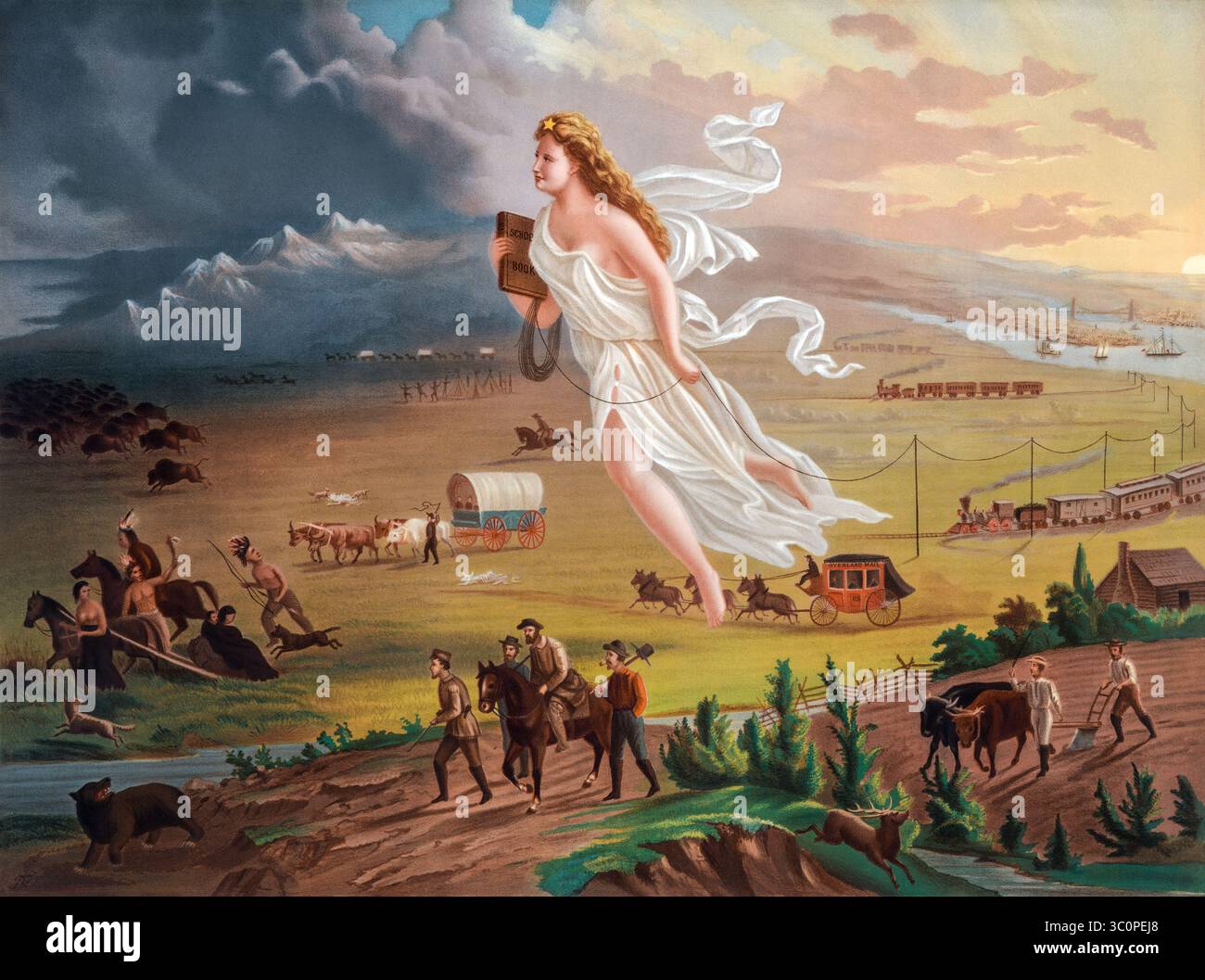
Credit: www.alamy.com
Frequently Asked Questions
What Is The Meaning Of Manifest Destiny?
Manifest Destiny was a 19th-century belief that the U. S. should expand across North America. It justified territorial growth and influenced policies.
Why Was Manifest Destiny Important In U.s. History?
It fueled U. S. expansion westward, shaping the nation’s borders. It also impacted Native Americans and foreign relations.
How Did Manifest Destiny Affect Native Americans?
It led to displacement, loss of land, and cultural disruption for many Native American tribes during U. S. expansion.
Who Popularized The Idea Of Manifest Destiny?
Journalist John L. O’Sullivan coined the term in 1845, promoting the belief in America’s divine right to expand.
Conclusion
Manifest Destiny shaped the growth of the United States. It pushed settlers westward with hope and ambition. This idea affected politics, culture, and the land itself. Some saw it as a promise; others, a cause of conflict. The concept shows how beliefs can drive a nation’s choices.
Understanding Manifest Destiny helps us learn from the past. It reminds us that history is complex and full of different views. The story of Manifest Destiny still influences America today.

Similar Posts