What was the Goal of Supporters of Manifest Destiny: Expansionist Vision
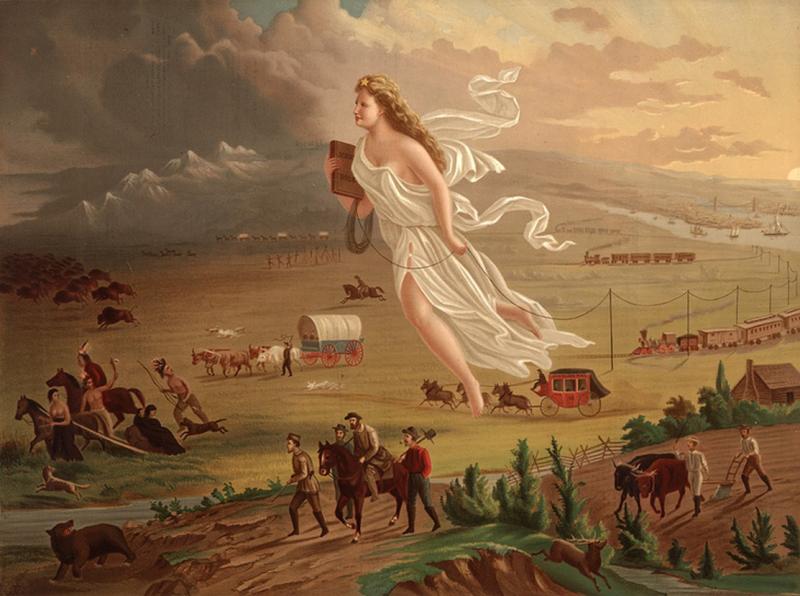
Have you ever wondered why so many people in the 1800s were eager to expand the United States across the continent? The supporters of Manifest Destiny had a clear and powerful goal that shaped the future of the nation.
Understanding their purpose helps you see how history was driven by ambition, belief, and the desire for growth. You’ll discover what truly motivated these supporters and why their goal mattered so much. Keep reading to unlock the story behind one of America’s most important movements.

Credit: www.instagram.com
Roots Of Manifest Destiny
The roots of Manifest Destiny run deep in 19th century America, shaping the vision and actions of its supporters. Understanding where this powerful idea came from helps you see why so many were eager to expand the nation’s borders. The goal was more than just land—it was about identity, power, and a belief in America’s unique future.
Origins In 19th Century America
Manifest Destiny emerged during a time when the United States was young and rapidly growing. Many Americans believed it was their right—and duty—to spread across the continent. This belief was fueled by earlier events like the Louisiana Purchase and the Lewis and Clark expedition.
Think about it: if you lived during that era, how would you feel knowing new lands held opportunities for farming, trade, and new communities? The idea of expansion promised a fresh start and economic growth, which appealed to many settlers and politicians alike.
Political And Cultural Motivations
Supporters of Manifest Destiny weren’t just chasing land—they were driven by political goals and cultural beliefs. Politically, expanding the country meant gaining more power and influence on the world stage. Leaders wanted the U.S. to rival European empires, and more territory meant more resources and stronger security.
Culturally, many Americans felt they had a special mission to spread their way of life. This included their political values, such as democracy, and cultural ideas about progress and civilization. How do you think these motivations affected the treatment of Native Americans and other groups already living on the land?
Understanding these roots helps you grasp why Manifest Destiny wasn’t just a slogan—it was a movement that shaped the nation’s path and sparked debates still relevant today.
Territorial Expansion Goals
Supporters of Manifest Destiny aimed to expand the United States across the North American continent. They believed the country had a right and duty to spread its culture and government. This vision focused on gaining new lands and increasing the nation’s power. Territorial expansion was a key goal for these advocates.
They wanted to secure vast western lands for farming, trade, and settlement. Controlling more territory meant more resources and opportunities for Americans. The idea inspired many to push for the country’s borders to stretch from the Atlantic to the Pacific Ocean.
Acquisition Of Western Lands
Expanding westward was central to Manifest Destiny. Supporters sought to claim lands beyond the Mississippi River. This included areas controlled by Native Americans and foreign powers. They believed these lands would provide space for settlers and economic growth. The Louisiana Purchase and later the Oregon Territory were important targets.
Annexation Of Texas And Oregon
Texas was a key region that supporters wanted to add to the United States. It had declared independence from Mexico and hoped to join the U.S. Oregon was another vital area, claimed by both Britain and the U.S. Advocates pushed for its full annexation to ensure American control and prevent British influence.
Desire For Pacific Coast Access
Access to the Pacific Ocean was crucial for trade and naval power. Supporters aimed to reach the coast to open new markets in Asia. Pacific ports would also help the U.S. grow as a global power. This goal drove efforts to acquire California and other lands along the west coast.
Economic Ambitions
The supporters of Manifest Destiny had clear economic ambitions driving their vision. They believed expanding the nation’s borders would unlock vast resources and new markets. Their goal was to boost wealth and create opportunities for Americans, shaping the country’s future prosperity.
Agricultural Growth
Expanding west meant more land for farming. Supporters saw fertile soil and open spaces as a chance to increase food production. You might wonder how this affected everyday life—more farms meant more jobs and food security for growing communities.
Settlers could cultivate crops like wheat and corn on a larger scale. This growth helped America become a major agricultural power. Think about it: owning land was a key to independence and success for many families.
Trade And Commerce Opportunities
New territories opened fresh trade routes and markets. Supporters aimed to connect the East Coast with the Pacific, boosting commerce. Imagine how trading goods coast-to-coast could expand your business and bring new products to your town.
Ports on the West Coast allowed access to Asian markets, increasing export potential. This trade growth encouraged investment in infrastructure like railroads. It made the economy more dynamic and competitive on the global stage.
Impact On American Industry
Manifest Destiny also fueled industrial growth. The demand for tools, machines, and transportation surged as settlers moved west. This demand created jobs in factories and encouraged technological advances.
Industries such as steel, railroads, and mining expanded rapidly. Think about how your daily life depends on industries that grew from this period. The ambition wasn’t just about land—it was about building a stronger economic foundation for the entire nation.
Social And Ideological Beliefs
The supporters of Manifest Destiny believed their expansionist goals were not just political but deeply rooted in social and ideological convictions. These beliefs shaped their vision of America’s future and justified their actions as part of a grand mission. Understanding these ideas helps you see why Manifest Destiny resonated so strongly with many people at the time.
Spread Of Democracy
Many advocates saw the westward expansion as a way to spread American democracy. They believed it was their duty to bring democratic governance to new territories. This wasn’t just about land; it was about expanding the ideals of voting, freedom, and self-rule.
Think about how this belief might influence your view of government today. Would you support expansion if it promised more people a voice in their government? The idea of spreading democracy was powerful and gave a moral reason to push boundaries.
Cultural Superiority And Racial Justifications
Supporters often believed that American culture and values were superior to those of Native Americans, Mexicans, and others living in the West. This belief served as a justification for taking land and imposing new laws. They saw their way of life as the “right” way, which made it easier to dismiss opposing cultures.
This raises a tough question: How do you think cultural superiority shapes policies today? Recognizing these past attitudes can help you critically assess claims of superiority in any context. It’s a reminder to question whose culture is being prioritized and why.
Mission To Civilize
The idea of a “civilizing mission” was central to Manifest Destiny supporters. They felt they were bringing progress, education, and religion to what they considered “uncivilized” areas. This mission often meant forcing changes on indigenous peoples and others to fit American norms.
Have you ever witnessed efforts to “improve” a community that didn’t ask for help? This historical mission challenges you to think about the fine line between helping and imposing. The mission to civilize reflects a belief in progress but also reveals how imposing values can cause harm.
Political Impact And Controversies
The political impact of Manifest Destiny stirred strong feelings across the United States. Supporters aimed to expand the nation’s borders, but this goal sparked many debates and conflicts. These controversies shaped the country’s politics deeply. The push for expansion raised tough questions about slavery, treatment of Native Americans, and foreign relations.
Debates Over Slavery Expansion
Supporters of Manifest Destiny wanted new lands to join the United States. This raised a critical question: would slavery be allowed in these new areas? Northern and Southern states clashed over this issue. The South wanted to expand slavery to protect their economy. The North opposed this, fearing slavery’s growth would harm free labor. These fights intensified national tensions. They contributed to events leading to the Civil War.
Relations With Native Americans
Expansion pushed settlers into Native American lands. Many supporters believed Americans had the right to take this land. This belief led to forced removals and violent conflicts. Native peoples lost homes and faced harsh treatment. Governments passed laws that ignored Native rights. The impact on Native communities was severe and lasting. This caused major controversy over how the nation treated its original inhabitants.
International Reactions
Other countries watched the U.S. expansion with concern. Mexico opposed losing its northern territories. Britain was wary of American moves near Canada and Oregon. These tensions led to diplomatic talks and sometimes armed conflict. The U.S. negotiated treaties and fought wars to secure new lands. International reactions shaped the limits and terms of expansion. These global responses influenced U.S. foreign policy for years.

Credit: www.youtube.com
Legacy Of Expansionist Vision
The legacy of the expansionist vision behind Manifest Destiny shaped the United States in lasting ways. This vision fueled the country’s growth and defined its path toward becoming a large nation. The effects of this movement reach beyond maps and borders. They touch social life and the very identity of Americans today.
Shaping Modern U.s. Borders
Manifest Destiny pushed the U.S. to expand westward. This expansion led to the acquisition of vast lands. Territories like Texas, California, and Oregon became part of the nation. These new borders set the stage for the country’s current shape. Without this vision, the U.S. might look very different today.
Long-term Social Effects
The expansion brought many people into new areas. It also created conflicts with Native American tribes. Many indigenous communities lost their lands and ways of life. New states formed with diverse populations and cultures. These changes influenced social structures and relationships across the country.
Influence On American Identity
Manifest Destiny inspired a belief in progress and destiny. Many Americans saw their country as a special place. This idea shaped values like freedom and opportunity. The vision helped build a sense of national pride. It also encouraged a spirit of exploration and growth that remains strong.
Credit: pastorbhart.medium.com
Frequently Asked Questions
What Was The Main Goal Of Manifest Destiny Supporters?
Supporters aimed to expand U. S. territory across North America. They believed it was the nation’s destiny to spread democracy and civilization from the Atlantic to the Pacific Ocean.
Why Did Manifest Destiny Supporters Want Westward Expansion?
They sought new land for farming, trade, and settlement. Expanding west promised economic opportunities and strengthened the United States’ political and military power.
How Did Manifest Destiny Impact Native American Tribes?
Expansion displaced many Native American tribes from their ancestral lands. It led to conflicts, loss of culture, and forced relocations like the Trail of Tears.
Did Manifest Destiny Supporters Believe Expansion Was Morally Justified?
Yes, they believed it was a divine right and duty. They saw American culture and government as superior and destined to spread across the continent.
Conclusion
Supporters of Manifest Destiny wanted to expand the United States westward. They believed it was their duty to spread their culture and ideas. They hoped to gain more land for farming, trade, and new opportunities. Many saw this as a way to grow the nation’s power and wealth.
Their goal shaped much of America’s history and borders. Understanding this helps us see how the country grew and changed. The idea of Manifest Destiny still influences how people view America today. A simple vision with big effects.

Similar Posts