What was the Manifest Destiny: Unveiling America’s Expansion
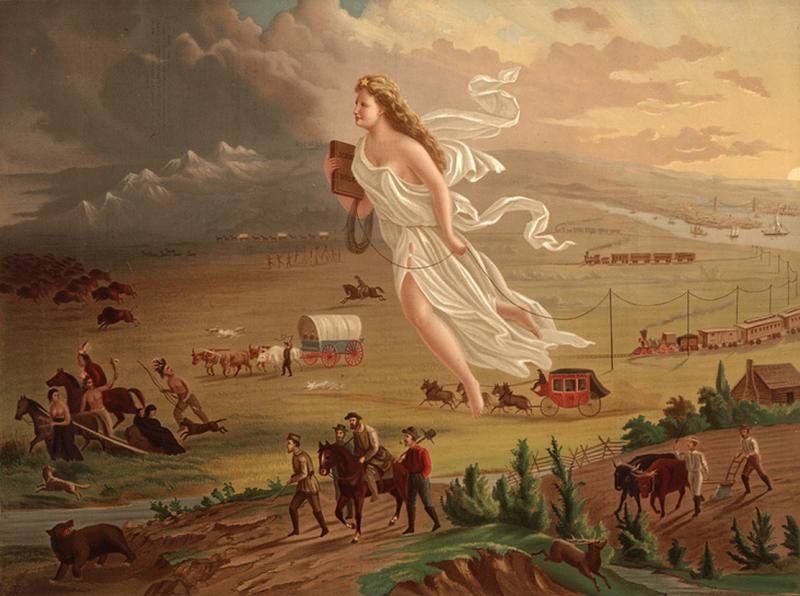
Have you ever wondered why the United States stretched all the way from the Atlantic to the Pacific? The answer lies in a powerful idea called Manifest Destiny.
This was more than just a phrase—it shaped the country’s history, culture, and borders. Understanding Manifest Destiny can change the way you see America’s past and its impact on today’s world. Keep reading to discover what this idea really meant and why it mattered so much to your country’s story.

Credit: www.instagram.com
Origins Of Manifest Destiny
The origins of Manifest Destiny trace back to deep beliefs and ideas held by early Americans. It grew from a mix of national pride, economic hopes, and a sense of mission. These roots shaped the idea that the United States should stretch across the continent.
This belief was not sudden. It built on long-standing views about freedom, progress, and the country’s role in the world. Many people saw westward expansion as both a right and a duty.
Roots In American Ideals
Manifest Destiny began with basic American values like liberty and democracy. Many believed the U.S. had a special role to spread these ideals. The idea of a nation expanding freedom was deeply inspiring.
People saw the frontier as a place for opportunity and new beginnings. The vision of progress and improvement tied closely to expanding the country’s borders.
Influence Of Expansionist Thought
Expansionist ideas were popular among politicians and citizens alike. Writers and thinkers promoted the belief that growth was natural and necessary. The idea of “destiny” suggested it was unavoidable and just.
These thoughts encouraged moving west to claim lands and resources. The belief in manifest destiny justified many actions during the 1800s.
Role Of Media And Political Leaders
Newspapers and pamphlets spread the idea of Manifest Destiny widely. Journalists used strong language to excite the public about expansion. Political leaders also played a key role by supporting growth openly.
Presidents and lawmakers framed expansion as a national mission. Their speeches and policies helped make Manifest Destiny a powerful force in American life.
Key Events Driving Expansion
The idea of Manifest Destiny wasn’t just a dream; it was pushed forward by a series of crucial events that expanded the United States across the continent. These moments didn’t just change maps—they shaped the nation’s identity and future. Understanding these events helps you see how ambition, conflict, and politics combined to drive expansion.
Annexation Of Texas
The Annexation of Texas was a bold move that stirred strong reactions on both sides. Texas had declared independence from Mexico in 1836, and by 1845, the U.S. officially added Texas as a state. This decision sparked tension because Mexico still considered Texas its territory, leading to serious diplomatic strain.
Have you ever experienced a situation where a small decision triggered unexpected conflict? The annexation did just that, setting the stage for bigger confrontations. It also raised questions about the balance between free and slave states, impacting the political scene deeply.
Oregon Territory Dispute
The Oregon Territory was another hot spot in America’s expansion journey. Both the U.S. and Britain claimed this rich land in the Pacific Northwest, creating a dispute that could have led to war. Instead, they negotiated a compromise in 1846, dividing the territory along the 49th parallel.
This peaceful resolution shows how diplomacy can sometimes prevent conflict over valuable land. It also highlights that not all expansion was driven by war; some parts were settled through dialogue and agreement. Think about how negotiation plays a role in your own conflicts—could you reach a middle ground like this?
Mexican-american War
The Mexican-American War was a turning point that dramatically expanded U.S. territory. Triggered partly by the Texas annexation and border disagreements, the war lasted from 1846 to 1848. The U.S. victory resulted in the Treaty of Guadalupe Hidalgo, which added vast lands including California and the Southwest.
This war showed the harsh realities behind territorial growth—conflict, loss, and change. It also forced America to confront questions about governing new diverse populations and the future of slavery. When you think about growth, do you consider the costs behind it?
Impact On Native Americans
The Manifest Destiny had a deep and lasting impact on Native American communities. It reshaped their lives, lands, and cultures. This period brought many hardships and challenges for Native Americans.
Forced Relocations
The U.S. government moved many Native tribes from their ancestral lands. One famous example is the Trail of Tears, where thousands died. These forced moves aimed to clear land for settlers. Native Americans had to leave homes they lived in for generations. The new lands were often less fertile and unfamiliar.
Cultural Disruption
The arrival of settlers disrupted Native American cultures and traditions. Many tribes lost access to sacred places and natural resources. Traditional ways of life, such as hunting and farming, became difficult. Missionaries and government programs pushed Native people to adopt new languages and religions. This caused confusion and loss of cultural identity.
Resistance And Conflict
Native Americans fought to protect their lands and way of life. Some tribes formed alliances and fought battles against settlers and the U.S. Army. Conflicts like the Sioux Wars and Apache resistance showed their determination. Despite bravery, many tribes faced defeat and harsh consequences. These struggles remain a powerful part of Native American history.

Credit: www.youtube.com
Economic Motivations
Economic motivations played a key role in driving Manifest Destiny. The desire for growth and wealth pushed many Americans westward. They sought new lands, resources, and markets to boost the nation’s economy. These ambitions shaped the country’s expansion and development in many ways.
Agricultural Opportunities
Vast lands in the west promised rich soil and farming potential. Settlers wanted to grow crops and raise livestock on affordable land. Farming offered a chance for families to improve their lives. Expanding agriculture also helped feed the growing population in the east.
Resource Acquisition
Natural resources attracted settlers and businesses alike. Gold, timber, and minerals were abundant in the new territories. Extracting these resources created jobs and wealth. The promise of valuable materials encouraged investment and migration to the west.
Trade Expansion
New lands opened routes for trade with other countries. Ports on the Pacific coast allowed access to Asian markets. Merchants hoped to increase trade profits through these connections. Expanding trade networks strengthened the nation’s economic power.
Political Consequences
The political consequences of Manifest Destiny shaped the United States in profound ways. As the country expanded westward, new challenges emerged that tested the unity and principles of the nation. These consequences not only altered political dynamics but also set the stage for future conflicts.
Sectional Tensions
As new territories were added, the question arose: Would these areas allow slavery? This issue deepened the divide between the North and South. You can see how each new state threatened to upset the balance, making tensions rise with every expansion.
Think about how difficult it must have been for politicians to keep peace when every decision could tip the scale. This struggle over territory created a political environment filled with suspicion and competition.
Slavery Debate
The debate over slavery intensified as Manifest Destiny pushed the borders further west. People in different regions had very strong, opposing views about whether slavery should spread to new states.
This wasn’t just a political argument; it was a fight over the country’s moral and economic future. Imagine being a leader who had to navigate this minefield—your choices could lead to unity or conflict.
Shifts In Power
The addition of new states changed the balance of power in Congress. Each state brought new representatives and senators with their own agendas, influencing national policies.
These shifts forced politicians to reconsider alliances and strategies. It’s a reminder that in politics, power is never static—your influence depends on who stands beside you.

Credit: hyperallergic.com
Legacy Of Manifest Destiny
The legacy of Manifest Destiny shaped the United States in many lasting ways. It drove the nation to expand its borders across the continent. This expansion affected the land, cultures, and how Americans see their history today.
Territorial Growth
Manifest Destiny led to huge territorial growth. The U.S. gained vast lands through treaties, wars, and purchases. States like Texas, California, and Oregon became part of the country. This growth helped the U.S. become a large, powerful nation. It also opened new opportunities for settlers and businesses.
Cultural Narratives
The idea of Manifest Destiny shaped American culture and identity. It promoted the belief that expansion was a national duty. Stories of pioneers and settlers became central to American history. These narratives often ignored the impact on Native Americans and other groups. They still influence how Americans think about progress and destiny.
Modern Perspectives
Today, people view Manifest Destiny with more complexity. Some see it as a time of growth and opportunity. Others highlight the harm done to indigenous peoples and the environment. Scholars and communities debate its true impact on the nation. This ongoing discussion helps America understand its past and plan for the future.
Frequently Asked Questions
What Was The Main Goal Of Manifest Destiny?
Manifest Destiny aimed to expand the United States across North America. It promoted westward territorial growth and spreading American values.
When Did Manifest Destiny Occur In U.s. History?
Manifest Destiny was prominent during the 1840s and 1850s. It influenced U. S. policies and actions leading up to the Civil War.
How Did Manifest Destiny Impact Native Americans?
Manifest Destiny led to forced Native American displacement and loss of lands. It caused significant cultural and population disruptions.
Which Territories Did Manifest Destiny Help Acquire?
Key acquisitions included Texas, Oregon, and California. These expanded U. S. borders from the Atlantic to the Pacific.
Conclusion
Manifest Destiny shaped the United States’ growth and identity. It pushed the nation to expand westward. This idea affected politics, culture, and the land itself. Many people moved seeking new chances and freedom. Yet, it also brought conflict and hardship.
Understanding Manifest Destiny helps explain America’s past and present. It shows how ideas can drive change and challenge. The story of Manifest Destiny is complex but important. It remains a key chapter in U. S. History.

Similar Posts