What was the Meaning of the Manifest Destiny: Unveiled
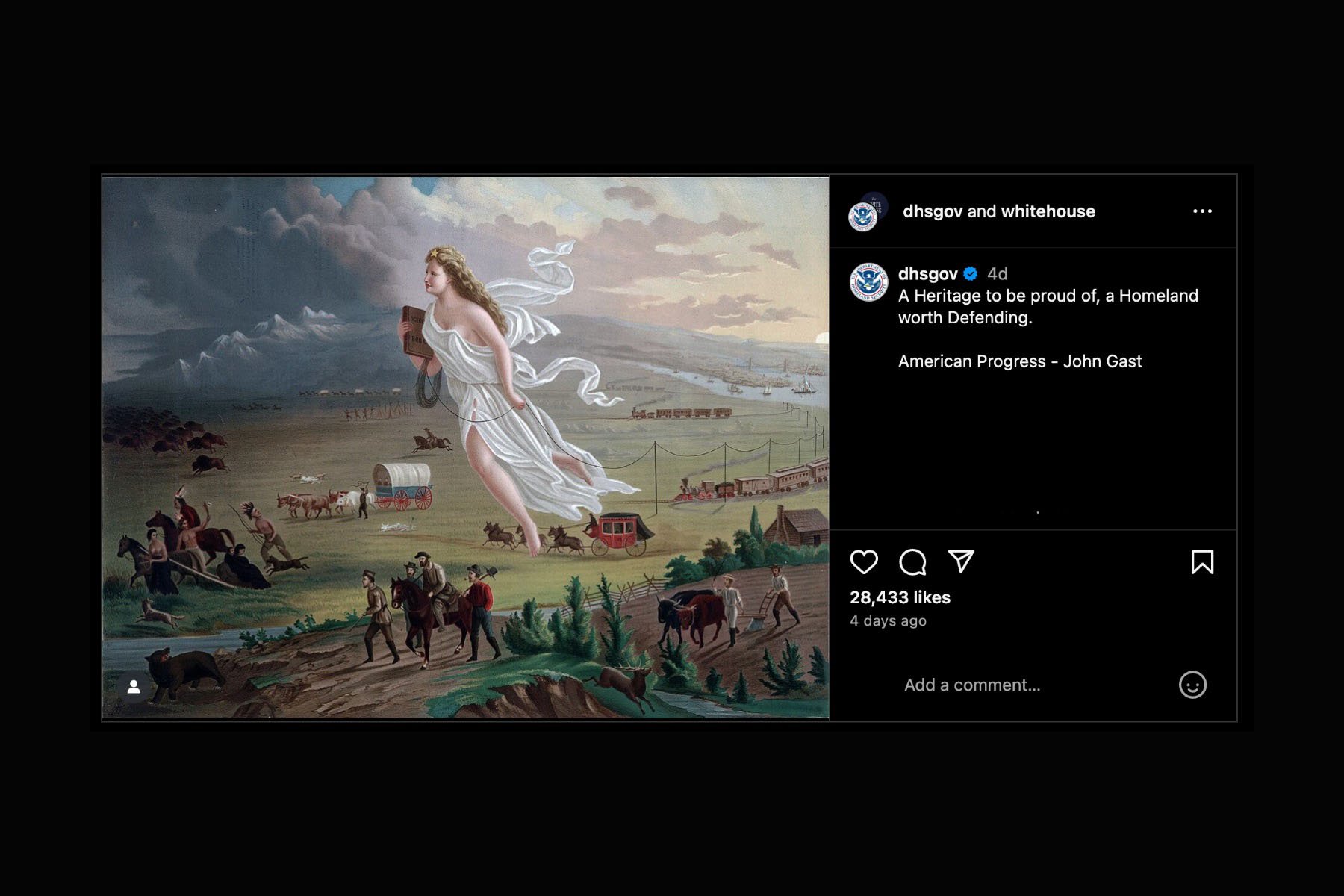
Have you ever wondered why the United States expanded so rapidly across the continent in the 1800s? The answer lies in a powerful idea called Manifest Destiny.
This belief shaped the country’s history and changed the lives of millions. Understanding what Manifest Destiny meant will help you see how it influenced America’s growth and its impact on people then and now. Keep reading to discover the true meaning behind this historic concept and why it still matters to you today.

Credit: www.instagram.com
Origins Of Manifest Destiny
The origins of Manifest Destiny reveal a powerful mix of ideas, ambitions, and challenges that shaped 19th-century America. Understanding where this belief started helps you see why it captured the hearts of many and changed the nation’s course forever. Let’s look closely at the background that set the stage for this bold vision.
Historical Context
Manifest Destiny grew out of the United States’ rapid growth after gaining independence. The early 1800s brought a strong desire to expand westward across the continent.
At this time, the country was still young, and settlers were pushing beyond the Appalachian Mountains. The Louisiana Purchase and other land deals gave Americans new opportunities, but also raised tough questions about borders and governance.
Key Figures
Several leaders helped shape and spread the idea of Manifest Destiny. Politicians like President James K. Polk made expansion a central goal of their policies.
Journalists and writers also played a role by stirring public support. People such as John O’Sullivan, who coined the term “Manifest Destiny,” argued that it was the nation’s fate to stretch from the Atlantic to the Pacific.
Political Climate
The political mood in the 1840s was charged with debates over slavery, states’ rights, and national identity. These issues made expansion both appealing and controversial.
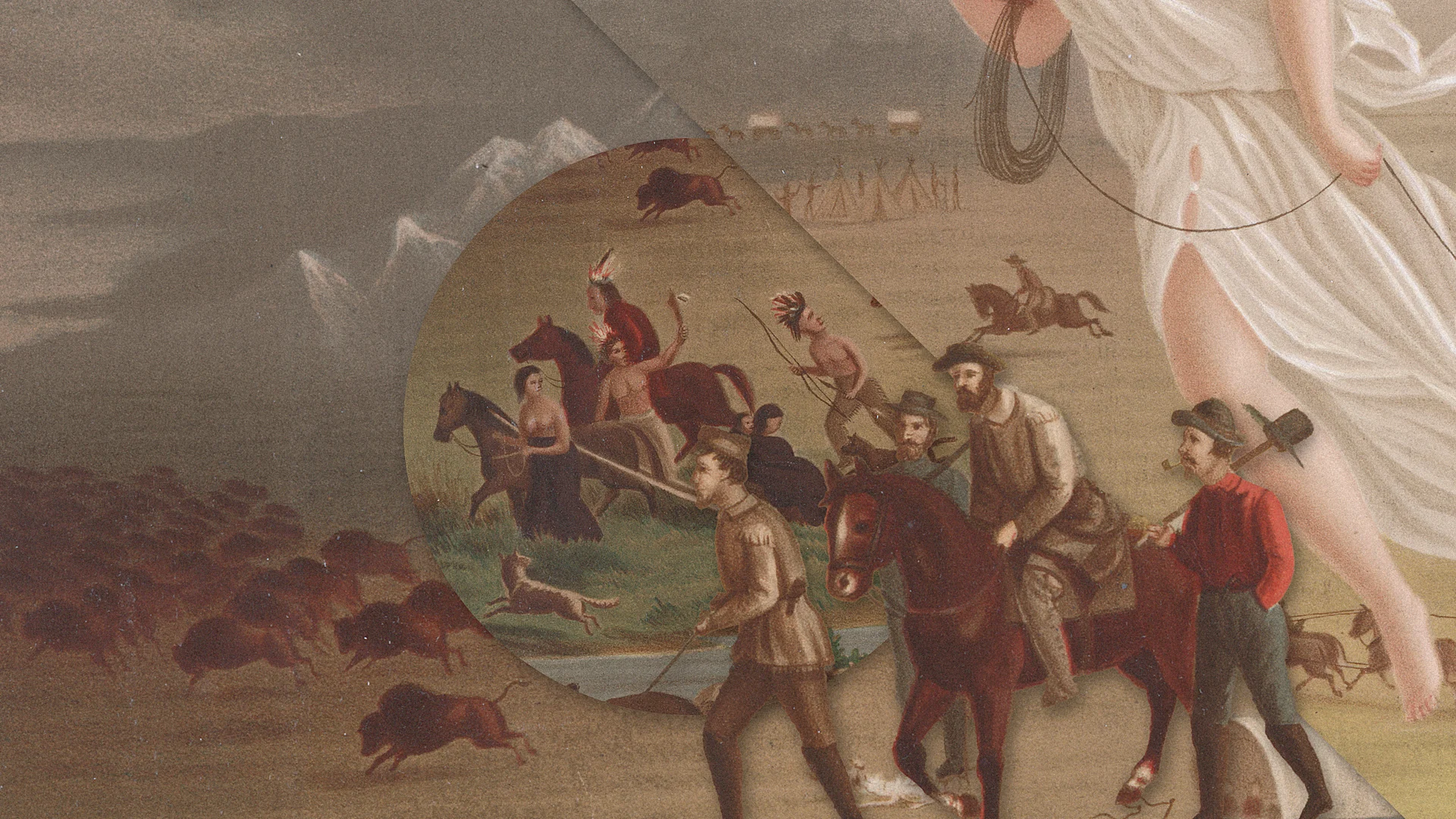
Many politicians saw acquiring new territories as a way to strengthen the country, but others worried about upsetting the balance between free and slave states. You might ask yourself—how did these tensions push the nation toward conflict?
Credit: www.fastcompany.com
Core Beliefs And Ideals
The core beliefs and ideals behind Manifest Destiny shaped a powerful vision that influenced the United States’ growth in the 19th century. These ideas weren’t just political; they touched on culture, religion, and a sense of purpose. Understanding these core elements helps you see why so many Americans felt destined to expand westward.
Expansionist Philosophy
The belief that the United States was meant to stretch from the Atlantic to the Pacific was central to Manifest Destiny. This wasn’t just about acquiring land—it was about spreading political and economic systems. Many Americans thought expansion would bring progress and opportunity to new territories.
Think about how this idea encouraged settlers to move into unknown lands. It fueled policies that supported expansion, including wars and treaties. How would you feel if you believed your country had a right—and even a duty—to grow this way?
Religious Influences
Religion played a big role in justifying Manifest Destiny. Many Americans believed they were carrying a divine mission to spread Christianity and “civilization.” This belief gave expansion a moral purpose beyond mere land acquisition.
This religious conviction often led to a sense of superiority over Native American cultures and other inhabitants. It’s important to ask yourself how faith can motivate actions on such a large scale. Have you ever seen beliefs shape decisions that affect entire communities?
Sense Of Mission
Manifest Destiny was more than a policy; it was a mission that inspired pride and confidence. Americans saw themselves as agents of progress, tasked with transforming the continent. This sense of mission made expansion feel inevitable and just.
That mission mindset influenced not only politics but everyday lives. Ordinary people embraced the challenge, believing they were part of something historic. What drives you when you take on a big challenge—purpose, belief, or something else?
Impact On U.s. Territory
The idea of Manifest Destiny deeply shaped the land of the United States. It influenced how far the country stretched and who lived on that land. This belief pushed Americans to move west and take over new territories. It changed the map and the lives of many people.
Westward Expansion
Manifest Destiny drove settlers to move west in search of new opportunities. Towns and farms spread across the plains and mountains. Railroads were built to connect the east to the west coast. This expansion helped the United States grow into a large country.
Land Acquisitions
The U.S. gained huge areas of land through purchases and treaties. The Louisiana Purchase doubled the country’s size. The Oregon Territory and Texas were added later. The Mexican-American War led to the Treaty of Guadalupe Hidalgo, which gave the U.S. much of the southwest.
Native American Displacement
Expansion came with great harm to Native American tribes. Many were forced off their lands to make room for settlers. The government often ignored treaties made with tribes. This caused loss of homes, culture, and lives for many Native Americans.
Political And Social Effects
The idea of Manifest Destiny shaped the politics and society of the United States deeply. It pushed the nation to expand its borders across North America. This expansion changed how people thought about the country and its future. It also stirred many conflicts and debates that affected every part of life.
Sectional Tensions
As the U.S. grew westward, different regions had different interests. The North and South began to clash over economic and political power. New territories raised questions about whether they would allow slavery. This fear of losing power made both sides defensive and angry. These tensions set the stage for future conflicts that divided the nation.
Slavery Debate
The expansion reopened the fight over slavery’s role in America. People argued about whether new states should be free or slave states. This debate was intense and often violent. It led to political battles in Congress and unrest across the country. The slavery issue became the main cause of deep divisions and eventual war.
National Identity
Manifest Destiny helped shape what it meant to be American. Many saw the U.S. as a special nation with a mission to spread freedom and democracy. This belief gave people pride but also caused tension with Native Americans and other groups. The idea of destiny created a sense of unity but also highlighted differences within the country.
Criticism And Opposition
The idea of Manifest Destiny stirred intense debate and faced significant criticism from various corners of society. While many Americans embraced the belief that the U.S. was destined to expand across the continent, others challenged its moral, political, and international implications. Understanding this opposition helps you see the full picture of how Manifest Destiny shaped the nation’s history.
Moral Objections
Many people questioned the ethics behind the aggressive expansion promoted by Manifest Destiny. Critics argued that it justified the displacement and mistreatment of Native American tribes and Mexican citizens. You might wonder, is it right to claim land that belongs to others simply because you believe it’s your destiny?
Some abolitionists also opposed Manifest Destiny because it threatened to extend slavery into new territories. This opposition highlighted a deeper conflict about human rights and equality. Their resistance showed that the idea of destiny could not ignore the harsh realities faced by marginalized groups.
International Reactions
Other countries watched Manifest Destiny with suspicion and concern. Mexico, in particular, viewed U.S. expansion as a direct threat to its sovereignty after losing large portions of its territory in the Mexican-American War. This led to strained diplomatic relations that lasted for years.
European powers were wary too, as they feared the growing influence of the United States in North America. You can imagine how these international tensions complicated America’s quest for territorial growth and made the dream of Manifest Destiny a controversial global issue.
Long-term Consequences
The consequences of Manifest Destiny are still felt today in multiple ways. The forced removal of Native Americans and the redrawing of borders created lasting social and political challenges. You might reflect on how those historic decisions continue to affect communities and national identity.
Additionally, Manifest Destiny intensified the debate over slavery, which eventually contributed to the Civil War. This shows how ideas about expansion can have ripple effects far beyond the immediate goal of acquiring land. How do you think the country’s focus on growth shaped its future conflicts and values?

Credit: www.reddit.com
Legacy Of Manifest Destiny
The legacy of Manifest Destiny shapes many parts of America today. It influenced the country’s borders, culture, and self-image. The idea pushed the United States to grow across the continent. This expansion left lasting marks on society and politics. It also sparked debates about power, justice, and identity that continue now.
Influence On Modern America
Manifest Destiny helped form the U.S. map as we know it. States from the Pacific to the Atlantic came under American control. This growth created new opportunities for trade and settlement. It also led to conflicts with Native Americans and other nations. The belief in expansion shaped America’s view of its role in the world.
Cultural Reflections
Many stories, songs, and art pieces show the spirit of Manifest Destiny. The idea of moving west and seeking freedom appears often in culture. It highlights themes of adventure and hope. At the same time, it reminds us of the struggles faced by indigenous peoples and settlers. These cultural works help us understand how people once saw their future.
Historical Reassessment
Today, historians study Manifest Destiny with new questions. They focus on its impact on Native Americans and the environment. They also explore the idea’s role in justifying war and slavery. This reassessment helps us see the past more clearly. It invites us to think about justice and fairness in history.
Frequently Asked Questions
What Was The Main Idea Behind Manifest Destiny?
Manifest Destiny was the 19th-century belief that the U. S. was destined to expand across North America. It justified territorial growth and influenced policies like westward migration and annexation.
How Did Manifest Destiny Impact U.s. History?
Manifest Destiny led to significant territorial expansion, including Texas and California. It shaped American identity but also caused conflicts with Native Americans and Mexico.
Why Was Manifest Destiny Important For American Settlers?
It encouraged settlers to move west for land and opportunity. This migration helped develop new states and boost the economy through farming and trade.
What Role Did Manifest Destiny Play In U.s. Politics?
Manifest Destiny fueled debates over slavery in new territories. It influenced elections and policies, increasing tensions that eventually led to the Civil War.
Conclusion
Manifest Destiny shaped the growth of the United States deeply. It showed the strong belief in expanding land and power. Many people moved west to seek new chances. This idea also caused conflicts with Native Americans and other countries. Understanding Manifest Destiny helps us see how America grew and changed.
It reminds us of the hopes and struggles in that time. History’s lessons stay important for today and tomorrow. The story of Manifest Destiny is a key part of America’s past.

Similar Posts