What was the October Manifesto: A Turning Point in History
Have you ever wondered what sparked major changes in Russia’s history over a century ago? The October Manifesto is a key event that shaped the country’s future, but many don’t fully understand what it was or why it mattered so much.
By exploring what the October Manifesto was, you’ll uncover how it affected the lives of millions and why it still resonates today. Keep reading to discover the surprising impact behind this important document and how it changed the course of history.
Credit: owlcation.com
Background To The October Manifesto
The October Manifesto marked a turning point in Russian history. It came after years of tension between the people and the ruling monarchy. Understanding the background helps to see why this document was so important. The country was on the edge of major changes. Several factors pushed the Tsar to issue the manifesto.
Political Climate In Russia
Russia was ruled by Tsar Nicholas II, who held absolute power. The government resisted reforms and kept strict control over society. Political parties and groups grew, demanding change and more freedom. Many wanted a voice in the government but were ignored. The lack of political freedom caused frustration among the people. The autocratic rule seemed outdated and out of touch with the times.
Social Unrest And Revolution Threats
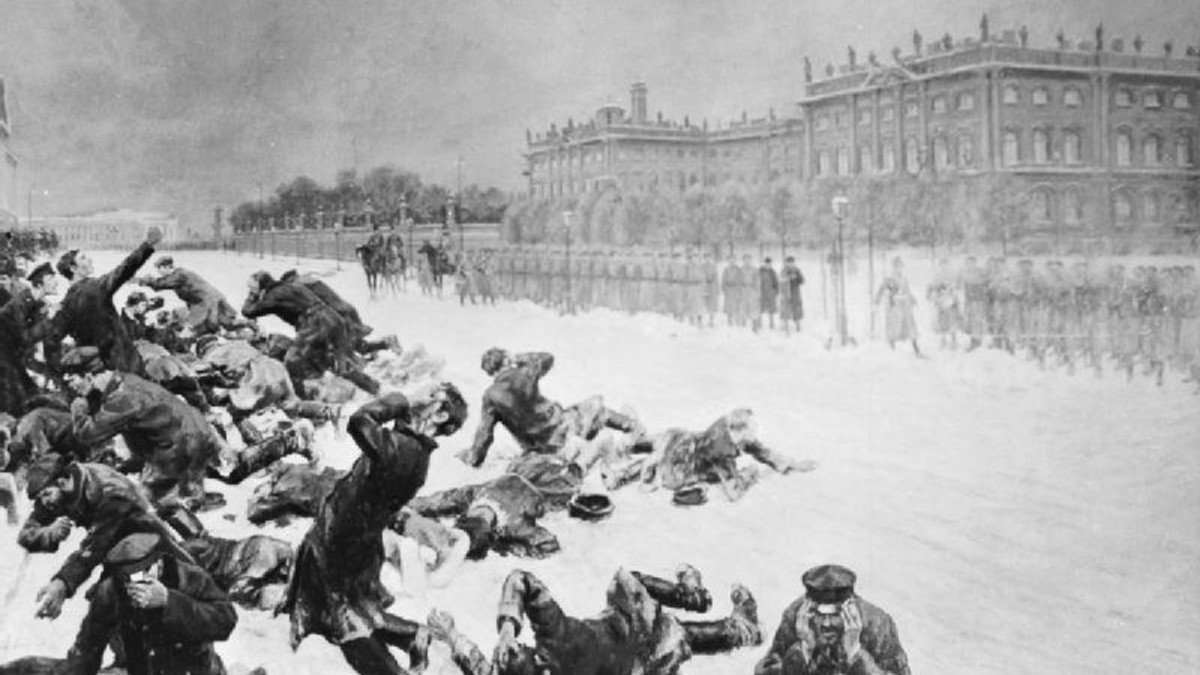
Workers faced poor conditions and low wages. Strikes and protests became common in cities. Peasants were unhappy with land distribution and poverty. These social problems increased anger toward the government. The Russo-Japanese War defeat worsened the situation. It exposed the weakness of the Tsar’s rule. The unrest turned into a real threat of revolution in 1905. The government feared losing control and needed to act fast.
Key Provisions Of The Manifesto
The October Manifesto marked a turning point in Russian history by introducing significant changes to the country’s political landscape. Its key provisions aimed to address widespread unrest and demands for reform. Understanding these provisions helps you grasp how Russia moved toward limited constitutional monarchy and what rights its citizens gained.
Civil Liberties Granted
The Manifesto promised several civil liberties that were groundbreaking for Russia at the time. It guaranteed freedom of speech, assembly, and association, allowing people to express opinions and organize without fear of immediate repression.
Think about how empowering it must have been for ordinary citizens to finally speak out or gather peacefully. These rights laid the foundation for public participation in politics, even though they were not always fully respected afterward.
Establishment Of The Duma
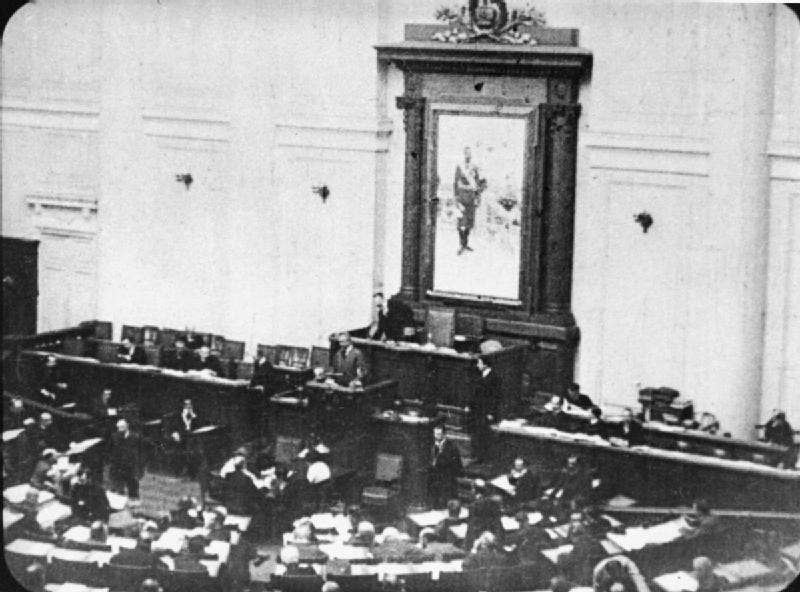
The creation of the Duma introduced Russia’s first elected legislative body. This assembly was meant to represent various social classes and provide a platform for discussion and lawmaking.
Imagine the shift from absolute rule to a system where your voice could be heard through elected representatives. While the Duma’s powers were limited, it was a crucial step toward involving the public in government decisions.
Limits On Autocratic Power
The Manifesto imposed restrictions on the Tsar’s absolute authority by stating that no law could pass without the Duma’s approval. This move curtailed unchecked autocratic rule and introduced a form of checks and balances.
Have you ever wondered how power changes hands in a rigid system? By legally limiting the Tsar’s power, the Manifesto aimed to prevent unilateral decisions and encourage cooperation with elected officials.
Immediate Impact On Russian Society
The October Manifesto shook Russian society to its core, triggering immediate and varied reactions across different social groups. It promised new freedoms and political reforms, but its effects were felt unevenly. Understanding these reactions helps you see how one document could stir hope, fear, and skepticism all at once.
Reaction Of The Nobility And Elite
The nobility and elite were caught off guard by the Manifesto. Many feared losing their long-held privileges and influence. Some welcomed the reforms cautiously, hoping to preserve stability and avoid further unrest.
They debated whether the promised Duma would weaken autocracy or simply be a tool for controlled change. Did you ever wonder how those with power respond when it’s suddenly threatened? Their cautious acceptance reflected a desire to keep control while appearing progressive.
Response From The Working Class And Peasants
The working class and peasants initially greeted the Manifesto with cautious optimism. Promises of civil liberties and political participation seemed like a breakthrough after years of oppression. Strikes and protests paused briefly, as hope sparked.
However, many soon realized the changes were limited and slow. Peasants, tied to the land and local powers, saw little immediate improvement. You might ask, how do people respond when promises don’t quickly match their needs? Disillusionment grew, leading to renewed unrest and demands for more radical change.
Role Of Political Parties
Political parties saw the Manifesto as both an opportunity and a challenge. Liberals tried to use the new political space to push reforms through the Duma. Meanwhile, socialists and revolutionaries debated whether to engage with the system or continue pushing for total change.
This split in strategies shaped Russia’s political landscape for years. Did you realize how one document can deepen divisions as much as unify? The Manifesto forced parties to rethink their goals and tactics in a rapidly shifting environment.

Credit: es.m.wikipedia.org
Long-term Effects On Russian Politics
The October Manifesto left a lasting mark on Russian politics. It aimed to calm unrest and promise reforms. Yet, its effects stretched far beyond the immediate crisis. The document set the stage for changes and conflicts in Russia’s governance. It shaped political debates and power struggles for years to come.
Shift Toward Constitutional Monarchy
The Manifesto introduced the idea of a constitutional monarchy. It limited the Tsar’s absolute power by creating a parliament, the Duma. This was a major change in Russian governance. The Duma had the right to approve laws and budgets. It gave citizens a voice in government, at least in theory. The Tsar still held significant power but had to share it.
Challenges In Implementation
The promises of the Manifesto faced many obstacles. The Tsar and his advisors often ignored or limited the Duma’s power. Political freedoms were restricted despite guarantees. Many reformers felt betrayed by the slow changes. Conservatives resisted any real shift in power. This struggle created confusion and frustration across Russia. The gap between promise and practice weakened trust in the government.
Prelude To Further Revolutions
The October Manifesto did not end political unrest. Instead, it highlighted deep divisions in Russian society. Workers, peasants, and political groups remained dissatisfied. The limited reforms failed to solve economic and social problems. Tensions continued to rise, setting the stage for future revolutions. The 1905 uprising was just the beginning. The country moved closer to the 1917 revolutions that would change everything.
Global Significance Of The October Manifesto
The October Manifesto marked a turning point in political history. It was not just a Russian event but had effects worldwide. Countries observed Russia’s move towards limited democracy and civil rights. This encouraged many to rethink their own governance systems. The manifesto’s global significance lies in its influence on political reforms and ideas.
Influence On Other Reform Movements
Many nations saw the October Manifesto as a sign that change was possible. It inspired reformers in Europe and Asia. Leaders pushed for constitutions, parliaments, and more citizen rights. The manifesto showed that pressure from the people could force rulers to act. It also warned governments about ignoring public demands. This helped start new movements for freedom and fairness in many countries.
Legacy In Modern Political Thought
The October Manifesto introduced ideas still important today. It emphasized the need for legal limits on power. It supported free speech, assembly, and political participation. These ideas shaped later democratic theories worldwide. The manifesto’s legacy helped shape modern views on human rights and governance. It remains a key example of early constitutional reform in autocratic states.

Credit: en.wikipedia.org
Frequently Asked Questions
What Was The October Manifesto In Russian History?
The October Manifesto was a 1905 decree by Tsar Nicholas II. It promised civil liberties and created Russia’s first parliament, the Duma, to ease political unrest.
Why Did The October Manifesto Happen In 1905?
The Manifesto was a response to the 1905 Russian Revolution. It aimed to quell strikes, protests, and demands for political reform from diverse social groups.
What Rights Did The October Manifesto Grant Citizens?
It granted freedom of speech, assembly, and association. It also allowed for a legislative Duma to share power with the Tsar.
How Did The October Manifesto Impact The Russian Government?
The Manifesto limited the Tsar’s absolute power by establishing a parliamentary system. However, the Tsar retained significant control over legislation.
Conclusion
The October Manifesto changed Russia’s history. It gave people new rights and set rules for the government. It aimed to calm the unrest and bring peace. While it did not solve all problems, it marked a step toward democracy. The manifesto showed that people wanted a voice.
Understanding this document helps us see how Russia moved toward change. It reminds us how important rights and laws are for any country. The October Manifesto remains a key event in Russian history.

Similar Posts