What was the Ostend Manifesto: Unveiling Its Bold History
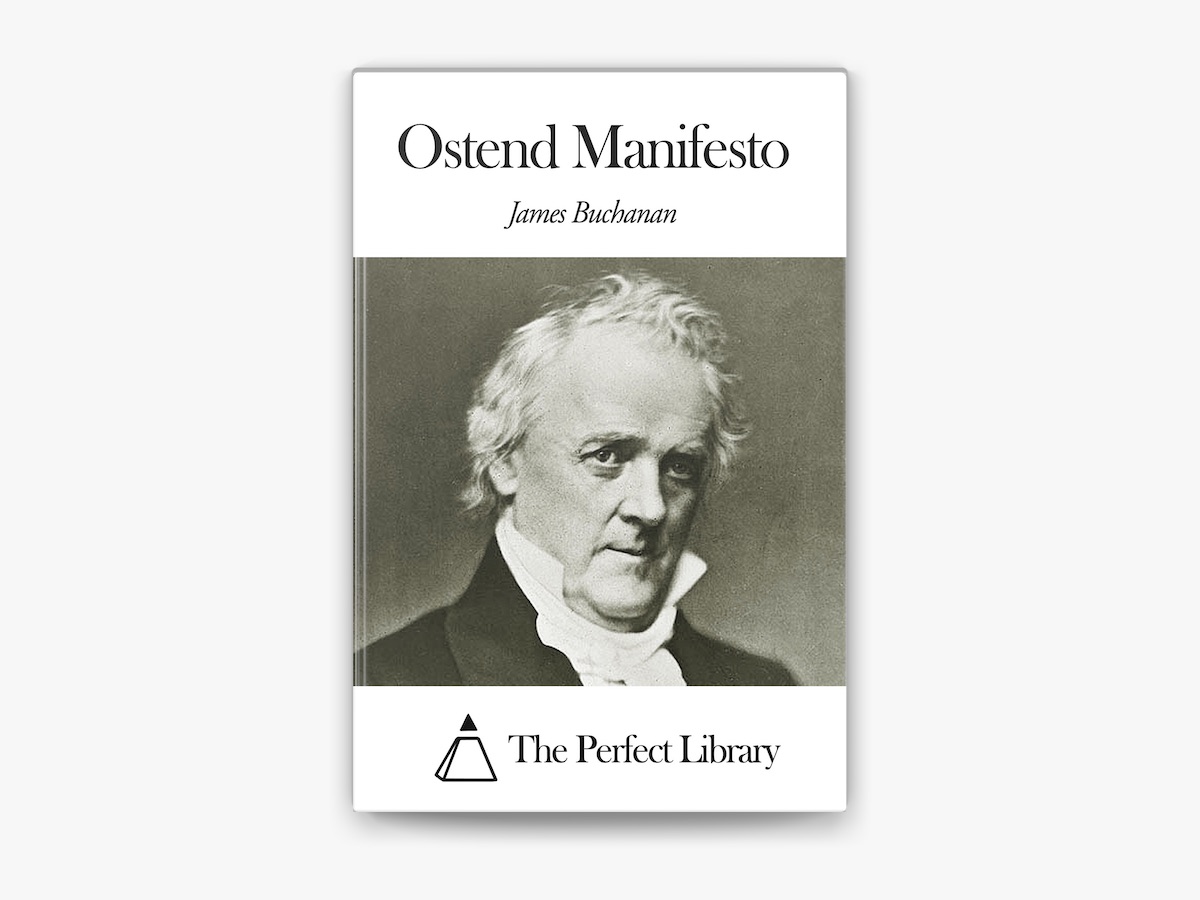
Have you ever wondered how a secret document nearly changed the course of American history? The Ostend Manifesto is one of those fascinating episodes that few people know about, but it reveals a lot about politics, power, and ambition in the 1800s.
If you want to understand why this controversial plan stirred so much debate and what it meant for the future of the United States, you’re in the right place. Keep reading to uncover the story behind the Ostend Manifesto and why it still matters today.
Origins And Background
The Ostend Manifesto is a critical piece of American history that reveals much about the nation’s ambitions and challenges in the mid-19th century. Understanding its origins and background helps you grasp why the United States was eager to expand its influence. It also shows how global politics and economic interests shaped key decisions.
U.s. Expansionist Ideals
During the 1800s, many Americans believed in the idea that the country should grow larger—both in land and power. This belief was often called “Manifest Destiny,” the idea that the U.S. had a right, even a duty, to expand across the continent and beyond.
People like President James K. Polk had already pushed the U.S. to acquire huge territories like Texas and California. This spirit of growth wasn’t just about land; it was about spreading American values and economic influence. You might wonder how much this desire for expansion influenced foreign policy decisions.
Cuba’s Strategic Importance
Cuba was seen as a jewel in the Caribbean, rich in sugar and perfectly located near the southern U.S. coast. Controlling Cuba meant controlling a vital trade route and gaining a powerful naval base in the region.
At the time, Cuba was still under Spanish rule, and many American politicians feared European powers could use the island against U.S. interests. The island’s importance was not just economic but also military, making it a top target for those who wanted to strengthen America’s position.
Have you ever thought about how a single island can shift the balance of power in an entire region? That’s exactly what made Cuba so crucial in the discussions leading to the Ostend Manifesto.
Key Figures Involved
The Ostend Manifesto involved several key figures whose actions and decisions shaped the document’s impact. Understanding who they were helps you grasp why the manifesto stirred such controversy. Their backgrounds and motivations reveal much about the political tensions of the time.
James Buchanan
James Buchanan was the U.S. Minister to the United Kingdom when the Ostend Manifesto was drafted. He played a crucial role by supporting the idea of acquiring Cuba to expand American influence. Buchanan’s political ambitions later led him to become the 15th President of the United States, showing how his foreign policy views were part of a broader vision for the country.
His involvement raises an important question for you: How do personal ambitions influence major political decisions? Buchanan’s support of the manifesto reflected his desire to strengthen the South’s position in the Union, which was deeply connected to the issue of slavery.
Pierre Soulé
Pierre Soulé was the U.S. Minister to Spain and one of the primary authors of the Ostend Manifesto. He pushed aggressively for the U.S. to take Cuba by force if Spain refused to sell it. Soulé’s fiery approach highlights the aggressive mindset behind the document, contrasting with more cautious diplomats.
Think about this: How might Soulé’s background as a southern Democrat and his commitment to expanding slave territory have affected his diplomacy? His role shows how personal and regional interests can shape foreign policy, sometimes at the risk of international tension.
The Meeting In Ostend
The Meeting in Ostend was a secret gathering in 1854. Three American diplomats met in the Belgian city of Ostend. Their goal was to discuss plans about Cuba, then a Spanish colony. The talks were intense and focused on America’s interests. The diplomats wanted to find ways to acquire Cuba. This meeting led to the creation of a famous document called the Ostend Manifesto. It revealed the United States’ intentions towards Cuba.
Diplomatic Discussions
The diplomats were James Buchanan, John Y. Mason, and Pierre Soulé. They talked about the strategic value of Cuba for the United States. Cuba was seen as important for trade and military reasons. They debated whether to buy Cuba from Spain or take it by force. They also considered the risks of upsetting Spain and other countries. Their discussions showed a mix of diplomacy and pressure tactics.
Drafting The Manifesto
After their talks, the diplomats wrote a document. This document became known as the Ostend Manifesto. It explained why the United States should control Cuba. The manifesto argued that Cuba was vital for American security and growth. It suggested the U.S. should offer money to Spain for Cuba. If Spain refused, the document implied the U.S. might use force. This draft stirred controversy when it became public. It showed how the U.S. planned to expand its power.

Credit: www.facebook.com
Content And Proposals
The Ostend Manifesto outlined specific ideas and plans about acquiring Cuba. It showed how the United States might expand its territory in the mid-19th century. The document included proposals that reflected the political and economic interests of the time.
This section explains the main parts of the manifesto. It describes the suggested ways to gain control of Cuba. It also reveals the reasons behind the call for annexation.
Acquisition Strategies
The manifesto proposed several strategies to acquire Cuba. It suggested buying the island from Spain with money. If Spain refused to sell, the document hinted at using force. It viewed Cuba as vital to America’s security and growth.
- Purchase Cuba through negotiation and payment
- Use military action if Spain resisted
- Prevent other nations from taking control
The authors believed these steps would secure Cuba as part of the United States. They wanted to avoid long conflicts but prepared for possible war.
Rationale For Annexation
The manifesto explained why the United States should annex Cuba. It highlighted the island’s strategic location near the southern coast. Cuba’s economy, especially its sugar plantations, was very valuable.
It also warned that if another country took Cuba, it could threaten U.S. safety. The document argued that annexation would protect American interests. It claimed this move was necessary for national security and economic strength.
Political And Public Reaction
The Ostend Manifesto sparked a wave of strong reactions across political and public spheres. It challenged the balance of power and stirred emotions among citizens and leaders alike. Understanding these responses helps you grasp how controversial ideas can shape a nation’s path.
Domestic Opposition
Many Americans saw the Ostend Manifesto as a threat to the nation’s stability. Opponents feared it would expand slavery and provoke conflict with other states. This fear triggered heated debates in Congress, with lawmakers calling out the manifesto as reckless and aggressive.
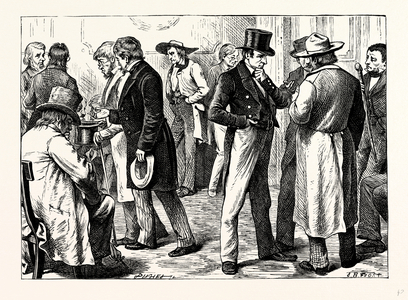
Some Northern politicians openly criticized the plan, worried it would undermine free states. You might find it surprising how quickly public meetings and newspapers mobilized to push back against the idea. This backlash showed just how divided the country was on expansion and slavery.
International Criticism
Beyond U.S. borders, the Ostend Manifesto alarmed foreign governments, especially Spain and Britain. Spain viewed it as a direct threat to their control of Cuba, while Britain feared it would upset the delicate balance of power in the Caribbean. Their diplomatic protests pressured the U.S. to reconsider its aggressive stance.
Did you know that this international pushback weakened the manifesto’s impact more than domestic opposition? It highlighted how global reactions can influence even the boldest political moves. Understanding this helps you see the importance of diplomacy in shaping national policies.
Credit: www.bridgemanimages.com
Impact On U.s. Foreign Policy
The Ostend Manifesto marked a critical moment in U.S. foreign policy. It revealed a bold and aggressive stance toward territorial expansion. This document pushed the idea that the U.S. might use force to acquire Cuba from Spain. The reaction to the manifesto shaped diplomatic relations and influenced future policies.
Shift In Expansionist Tactics
The manifesto showed a change in how the U.S. approached expansion. Before, diplomacy and purchase were the main tools. After the manifesto, there was openness to using military power. This shift alarmed other countries and caused tension in international relations. The aggressive tone also deepened divisions within the U.S. over expansion and slavery.
Long-term Implications
The Ostend Manifesto affected U.S. actions for years. It made clear that the U.S. would seek new territories aggressively. This attitude influenced later events like the Mexican-American War and the push toward the Pacific. It also increased distrust between the North and South in the U.S., contributing to the Civil War. On a global scale, it showed the U.S. was ready to play a stronger role in world affairs.
Legacy And Historical Significance
The Ostend Manifesto left a lasting mark on American history, shaping debates and decisions long after it was written. Its legacy is complex, blending ambition with controversy, and continues to offer lessons about power and diplomacy. Understanding its historical significance helps you see how past ideas still echo in today’s political landscape.
Influence On Future Policies
The Ostend Manifesto fueled aggressive expansionist ideas in the U.S., pushing the country to consider Cuba as a strategic asset. It influenced the way American leaders approached foreign policy, especially regarding territories linked to slavery and economic interests.
This document also intensified sectional tensions between North and South, contributing to the events leading up to the Civil War. Policies after the manifesto often reflected its spirit of bold, sometimes reckless, action to secure national goals.
Reflection In Modern Politics
Do you see echoes of the Ostend Manifesto in today’s political debates? The manifesto’s blend of diplomacy backed by military threats is a strategy still visible in some international relations.
Modern politicians sometimes use similar arguments to justify intervention or expansion, showing how history shapes current tactics. Understanding this connection can help you critically analyze current events and foreign policies.

Credit: www.facebook.com
Frequently Asked Questions
What Was The Ostend Manifesto About?
The Ostend Manifesto was a 1854 document urging the U. S. to buy Cuba from Spain. It suggested using force if Spain refused. Its goal was to expand U. S. territory and protect Southern slave interests. The manifesto caused controversy and heightened sectional tensions in America.
Who Authored The Ostend Manifesto?
The Ostend Manifesto was drafted by three American diplomats: James Buchanan, John Y. Mason, and Pierre Soulé. They met secretly in Ostend, Belgium, to outline the U. S. policy toward acquiring Cuba. Their proposal reflected pro-slavery expansionist views and influenced U.
S. foreign policy debates.
Why Did The Ostend Manifesto Cause Controversy?
The manifesto alarmed Northern opponents because it hinted at war to expand slavery. Many saw it as aggressive imperialism and a threat to peace. Its leaked publication intensified sectional conflicts and damaged the reputation of those advocating for Cuba’s annexation.
How Did The Ostend Manifesto Impact U.s. Politics?
The manifesto deepened divisions between North and South over slavery and expansion. It fueled distrust and increased tensions that eventually led to the Civil War. Politicians used it to argue for or against aggressive territorial acquisition and slavery’s spread.
Conclusion
The Ostend Manifesto showed the strong desire for U. S. Expansion. It revealed tensions between North and South before the Civil War. The document’s bold ideas shocked many people at the time. Understanding it helps explain America’s history and politics.
It reminds us how nations sometimes use force to gain land. The Ostend Manifesto remains an important part of U. S. History lessons. It teaches about power, conflict, and the costs of ambition. A simple paper, but with big impact.

Similar Posts