What was the Southern Manifesto: Unveiling Its Impact
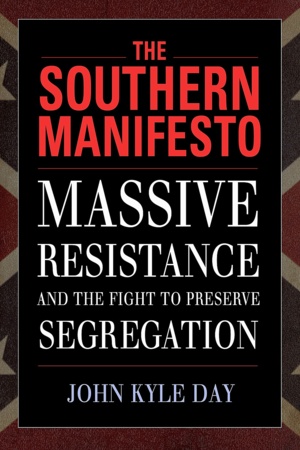
Have you ever wondered how some laws and ideas shape the way we live and think today? The Southern Manifesto is one of those powerful documents that changed the course of American history.
If you want to understand why it matters and how it affected millions of lives, keep reading. This article will break down what the Southern Manifesto was, why it was created, and what impact it had on your country’s journey toward equality.
By the end, you’ll see why this piece of history still matters to you now.

Credit: www.newspapers.com
Origins Of The Southern Manifesto
The Southern Manifesto was a response to a major change in American law and society. It emerged after the Supreme Court’s decision in Brown v. Board of Education in 1954. This ruling declared racial segregation in public schools unconstitutional. Many Southern politicians strongly opposed this decision. They saw it as a threat to their traditional way of life and local control over schools.
The manifesto aimed to resist the Supreme Court’s order. It called for states to defy the ruling and maintain segregation. Understanding the origins of the Southern Manifesto requires a look at the political context, key leaders, and their reasons to resist integration.
Political Climate In The 1950s
The 1950s in the South were marked by strong support for segregation. Many states had laws enforcing racial separation in schools, public places, and transportation. The idea of racial equality faced fierce opposition. Southern politicians often used segregation to win votes. This created a tense political atmosphere. The Brown decision shocked many Southern leaders. They feared losing control over state and local policies. The fear of social change increased resistance efforts.
Key Figures Behind The Manifesto
Several influential Southern politicians signed the manifesto. Senator Strom Thurmond of South Carolina was a leading voice. Senator Richard Russell of Georgia also played a key role. Congressman John Bell Williams from Mississippi was another important figure. These leaders were well known for their strong defense of segregation. Their reputations rested on protecting Southern traditions. They united to send a clear message against desegregation. Their signatures gave the manifesto power and credibility.
Motivations For Resistance
The motivations behind the Southern Manifesto were complex. Many signers believed the Supreme Court overstepped its authority. They argued that education was a state matter, not federal. They feared social and political chaos if integration was forced. Some wanted to preserve white supremacy and racial hierarchy. Others worried about losing political support from segregationist voters. Protecting local customs and laws mattered deeply. The manifesto expressed these fears and demands for resistance.
Content And Claims
The Southern Manifesto was a powerful statement made by lawmakers in the 1950s who opposed the Supreme Court’s decision on racial integration. Its content reveals the deep resistance to change and highlights the specific claims used to justify segregation. Understanding these claims helps you see how legal arguments were used to challenge civil rights progress.
Main Arguments Presented
The Southern Manifesto argued that racial segregation was a long-standing tradition in the Southern states. It claimed that the Supreme Court had overstepped its authority by mandating integration in public schools.
- Supporters said integration would disrupt social order.
- They warned it would harm states’ rights and local control over education.
- They also suggested that forced integration would lead to conflict and unrest.
Have you ever noticed how often appeals to tradition are used to resist change? This was a clear example, showing how deeply some people valued segregation as part of their identity.
Legal And Constitutional Assertions
The manifesto focused heavily on legal claims, especially the idea that the Supreme Court’s ruling was unconstitutional. It argued that education was a state matter and should not be controlled by federal courts.
- It accused the Court of violating the Tenth Amendment, which reserves powers to the states.
- Signers claimed that the Brown decision ignored previous rulings that allowed “separate but equal” facilities.
- They emphasized the principle of judicial restraint, suggesting courts should not impose social policies.
Think about how these legal arguments might still influence debates about states’ rights today. The balance between federal and state power remains a hot topic.
Targeting Brown V. Board Of Education
The Southern Manifesto directly attacked the landmark Brown v. Board of Education decision. This 1954 ruling declared that racial segregation in public schools was unconstitutional.
- The manifesto labeled the decision as a “clear abuse of judicial power.”
- It claimed the ruling ignored facts about local communities and the supposed benefits of segregation.
- Signers promised to use “all lawful means” to oppose the decision and maintain segregation.
Have you considered how legal documents like this reveal the mindset of those resisting progress? It shows how some people used law not to protect rights, but to block them.
Immediate Reactions
The Southern Manifesto sparked strong and quick reactions across the United States. It was a clear statement against the Supreme Court’s decision on school desegregation. The manifesto’s release caused deep divisions in politics and society. Responses varied widely depending on region and political beliefs.
Support In Southern States
Many Southern politicians and citizens welcomed the manifesto. They saw it as a defense of states’ rights and local control. The document encouraged resistance to federal court rulings. School boards and local governments used it to justify maintaining segregation. Public rallies and speeches praised the manifesto’s stand. It fueled a sense of unity among segregation supporters.
Opposition From Civil Rights Advocates
Civil rights leaders strongly condemned the Southern Manifesto. They viewed it as a tool to block progress toward racial equality. Activists argued it undermined the Supreme Court’s authority. The manifesto energized protests and legal challenges against segregation. It became a symbol of resistance to civil rights reforms. Many called for increased federal intervention to enforce desegregation.
Federal Government Response
The federal government responded cautiously but firmly. Some officials condemned the manifesto as a threat to the rule of law. The Justice Department increased efforts to support desegregation orders. Federal courts began enforcing school integration more strictly. The manifesto’s challenge led to heightened tensions between states and the federal government. It marked a critical point in the civil rights struggle.

Credit: www.youtube.com
Impact On Segregation Policies
The Southern Manifesto had a significant impact on segregation policies across the southern United States. It fueled efforts to resist federal mandates aimed at ending racial segregation. This resistance shaped how states reacted to the Supreme Court’s decision on school integration.
The manifesto encouraged southern leaders and citizens to reject desegregation laws. Its influence extended beyond schools, affecting various public facilities and social systems. The document helped maintain segregationist attitudes for many years.
Resistance To School Integration
The Southern Manifesto sparked strong opposition to integrating schools. Many southern states delayed or blocked efforts to mix black and white students. School boards closed public schools or created private ones for white students only. This resistance slowed progress toward equal education opportunities.
Influence On State Legislation
Several states passed laws to avoid desegregation after the manifesto. These laws aimed to protect segregation in schools and public places. Some states used legal tactics to defy federal orders. This created a patchwork of laws supporting segregation despite national rulings.
Effects On Public Opinion
The Southern Manifesto shaped public views on race and segregation. It reinforced beliefs that segregation was acceptable and lawful. Many white citizens felt justified in opposing integration. This division deepened racial tensions and delayed social change for years.
Legacy And Long-term Effects
The Southern Manifesto left a deep mark on American history. It shaped social and political attitudes for decades. Its legacy still influences discussions about race and equality today.
The manifesto fueled resistance against civil rights reforms. It also highlighted the divide between federal authority and states’ rights. Understanding its long-term effects helps us see how past conflicts impact current issues.
Role In Civil Rights Movement
The Southern Manifesto united many Southern politicians against integration. It slowed the progress of school desegregation after Brown v. Board of Education. This opposition intensified tensions during the civil rights era.
Activists faced stronger resistance in states that supported the manifesto. It also motivated civil rights leaders to fight harder for equality. The manifesto’s defiance showed the challenges of changing deeply rooted beliefs.
Symbolism In Modern Discussions
Today, the Southern Manifesto symbolizes resistance to federal civil rights laws. It often appears in debates about states’ rights and social justice. Some see it as a symbol of racial division and inequality.
Politicians and commentators reference the manifesto to discuss ongoing struggles with race. It serves as a reminder of how legal and social barriers once blocked progress. Its symbolism fuels conversations about fairness and freedom.
Lessons For Contemporary Politics
The Southern Manifesto teaches the dangers of opposing civil rights for political gain. It shows how fear can drive policies that harm society. Understanding this helps leaders avoid repeating past mistakes.
It also highlights the importance of federal support in protecting equal rights. The manifesto warns about the risks of allowing states to ignore human rights. Its lessons encourage ongoing efforts to promote justice and unity.

Credit: www.youtube.com
Frequently Asked Questions
What Was The Southern Manifesto’s Main Purpose?
The Southern Manifesto aimed to oppose racial integration in public schools. It was a 1956 document signed by Southern lawmakers rejecting the Supreme Court’s Brown v. Board of Education ruling. The manifesto sought to preserve segregation and states’ rights in education.
Who Signed The Southern Manifesto In 1956?
The Southern Manifesto was signed by 101 politicians, mostly Southern Democrats and some Republicans. These lawmakers strongly opposed desegregation and aimed to resist federal enforcement of civil rights laws.
How Did The Southern Manifesto Impact Civil Rights?
The manifesto fueled resistance to desegregation and delayed civil rights progress in the South. It emboldened segregationists and led to legal and political battles against integration efforts.
Why Was The Southern Manifesto Controversial?
It was controversial because it openly defied the Supreme Court’s decision on racial equality. The manifesto supported segregation, opposing federal authority and promoting discrimination, which clashed with civil rights advancements.
Conclusion
The Southern Manifesto was a strong protest against school desegregation. It showed deep resistance to ending racial separation. This document reflected the tensions in the 1950s South. Many leaders signed it to oppose the Supreme Court’s decision. The Manifesto reveals how difficult change was during that time.
Understanding it helps explain the struggle for civil rights. It remains an important part of American history. Remembering this helps us value progress and fairness today.

Similar Posts