What Year was Manifest Destiny?: Discover its Origins
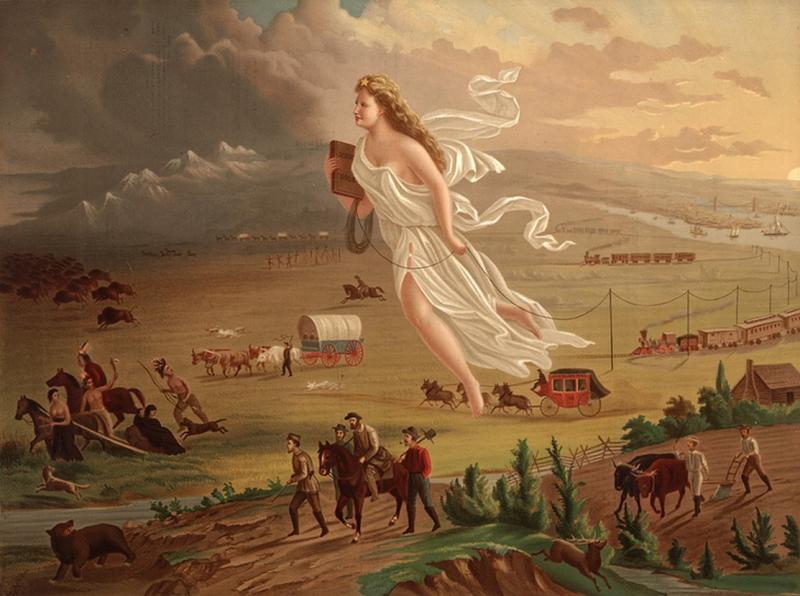
Have you ever wondered when Manifest Destiny really took hold in America? Understanding the exact year helps you see how this powerful idea shaped the country’s history.
Knowing this will give you a clearer picture of why the nation expanded westward and how it affected millions of lives. Keep reading, and you’ll discover the key moments that made Manifest Destiny more than just a phrase—it became a force that changed everything.
Credit: m.facebook.com
Roots Of Manifest Destiny
Manifest Destiny was a powerful belief in the 19th century. It shaped the way Americans saw their future. This idea pushed the United States to expand its land across the continent. The roots of Manifest Destiny run deep in early American history. Understanding these roots helps explain why the country grew so fast.
Early 19th Century America
The early 1800s were a time of change. The young nation was growing in population and size. People moved west seeking new opportunities. Towns and farms spread across the land. The frontier pushed further into unknown areas. This growth created a strong desire to claim more land.
Political Climate Before Manifest Destiny
Politics played a big role in shaping Manifest Destiny. Leaders debated how far the country should expand. Some wanted to avoid conflicts with other nations. Others saw expansion as a way to increase power. The government passed laws to support settlers moving west. These actions laid the groundwork for future growth.
Cultural And Economic Motivations
Culture and economy fueled the push westward. Many Americans believed they had a special mission. They thought it was their duty to spread freedom and democracy. Economic chances attracted farmers, miners, and traders. Land was seen as a path to wealth and success. This mix of beliefs and needs drove expansion forward.
Coining The Term
The term “Manifest Destiny” captures a powerful idea from American history. It describes the belief that the United States was destined to expand across the North American continent. Understanding when and how this term was created helps us grasp its impact on the country’s growth and mindset.
John L. O’sullivan’s Role
John L. O’Sullivan, a journalist and editor, played a key role in coining the term “Manifest Destiny.” He used it to express a strong belief in America’s future growth. O’Sullivan thought the expansion was not just a goal but a clear right and duty.
He wanted Americans to feel confident about spreading democracy and culture. His words inspired many to support westward expansion and the idea of national mission.
First Usage In Media
The phrase “Manifest Destiny” first appeared in print in 1845. O’Sullivan used it in an article about the annexation of Texas. The term quickly caught readers’ attention due to its bold and clear message.
Newspapers began repeating the term as they discussed America’s expansion plans. It symbolized more than politics; it became a cultural belief driving action.
Spread And Popularity
The term spread fast across the United States. Politicians, journalists, and citizens adopted it to explain and support expansion efforts. It helped justify actions like the Mexican-American War and settlement of new territories.
Manifest Destiny became a rallying cry. It shaped public opinion and encouraged many to move west. The phrase stayed popular throughout the 1840s and beyond, deeply influencing American history.
Key Events In 1840s
The 1840s marked a turning point in America’s quest for expansion, shaping the nation’s future dramatically. The decade was packed with decisive moments that pushed the boundaries of the young country further west. These events didn’t just redraw maps—they challenged ideas about identity, power, and opportunity.
Annexation Of Texas
The annexation of Texas in 1845 was a bold move that stirred both excitement and controversy. Texas had declared independence from Mexico in 1836, but joining the United States was a complex issue due to concerns about slavery and war. When the U.S. finally annexed Texas, it set the stage for conflict with Mexico.
Imagine how you might feel if a neighboring country suddenly claimed a piece of your land. That tension was real and immediate. The annexation wasn’t just about land—it was about control, influence, and the future direction of the country.
Oregon Territory Dispute
The Oregon Territory was a vast, resource-rich region both the U.S. and Britain wanted. Throughout the 1840s, Americans pushed their claim with the slogan “Fifty-Four Forty or Fight,” referring to the latitude line they wanted as the northern border. Eventually, a peaceful agreement in 1846 split the territory, avoiding war but satisfying expansionist goals.
Have you ever had to negotiate something important, where both sides wanted the same thing? The Oregon dispute is a reminder that not all conflicts end in battle—sometimes diplomacy wins the day.
Mexican-american War
The Mexican-American War (1846-1848) was a direct result of tensions from Texas’ annexation and border disputes. It was a brutal conflict that ended with the Treaty of Guadalupe Hidalgo, which gave the U.S. vast new territories including California and New Mexico. The war reshaped the map and intensified debates over slavery in the new lands.
Think about how a single war can change the course of a country’s history. For Americans in the 1840s, this war was about more than just land—it was about the nation’s identity and future. How do you think such rapid changes affected everyday people living on those frontiers?

Credit: www.youtube.com
Impact On American Expansion
Manifest Destiny had a deep impact on the growth of the United States. It fueled the belief that the nation should stretch from the Atlantic to the Pacific Ocean. This idea pushed Americans to explore, settle, and claim new lands. The movement shaped the country’s borders and changed its culture and politics. The effects reached far beyond just gaining territory.
Territorial Growth Timeline
- 1803: Louisiana Purchase doubled the country’s size.
- 1845: Texas joined the Union, sparking conflict with Mexico.
- 1846: Oregon Territory was acquired after a treaty with Britain.
- 1848: Treaty of Guadalupe Hidalgo ended the Mexican-American War, adding the Southwest.
- 1853: Gadsden Purchase completed the southern border in present-day Arizona and New Mexico.
Effects On Native American Lands
Manifest Destiny caused great harm to Native American tribes. Their lands were taken without consent. Forced removals and broken treaties became common. Many tribes faced violence and displacement. This loss disrupted their cultures and ways of life. Native Americans resisted but often lost ground.
Shifts In National Identity
The expansion changed how Americans saw themselves. The country grew more confident and bold. It created a spirit of adventure and opportunity. At the same time, divisions over slavery grew sharper. The new lands raised tough questions about freedom and rights. Manifest Destiny shaped both unity and conflict in the nation.
Legacy And Controversy
The legacy of Manifest Destiny is complex and full of debate. It shaped the United States in many ways, both good and bad. This idea pushed the country to grow across the continent. Yet, it also caused many conflicts and hardships.
Understanding the legacy means looking at different views. Some see Manifest Destiny as a bold vision. Others see it as a cause of suffering for many people. The controversies still affect how we view American history today.
Debates Over Manifest Destiny
Many argue about the true meaning of Manifest Destiny. Supporters believed it was America’s right to expand. They said it would bring progress and democracy. Critics say it justified taking land from Native Americans and others. The debate questions whether it was fair or just.
Long-term Consequences
Manifest Destiny changed the map of the United States forever. It led to new states and economic growth. But it also caused wars and displacement of Native peoples. The environment was affected by rapid settlement. These changes still influence American society today.
Modern Perspectives
Today, many people rethink Manifest Destiny’s impact. Schools teach both its achievements and its harms. Some view it as a story of growth and courage. Others focus on the pain it caused. This mixed view helps people understand history better.

Credit: www.aspendailynews.com
Frequently Asked Questions
What Year Did Manifest Destiny Begin?
Manifest Destiny began in 1845, when journalist John L. O’Sullivan coined the term. It expressed the belief that the U. S. was destined to expand westward.
When Did Manifest Destiny Reach Its Peak?
Manifest Destiny peaked between 1845 and 1853, marked by significant territorial acquisitions like Texas, Oregon, and California.
What Years Mark Key Events In Manifest Destiny?
Key Manifest Destiny events occurred in 1845 (term coined), 1846 (Oregon Treaty), 1848 (Treaty of Guadalupe Hidalgo), and 1853 (Gadsden Purchase).
How Long Did The Manifest Destiny Era Last?
The era lasted roughly from 1845 to 1860, influencing U. S. expansion policies and shaping the nation’s borders before the Civil War.
Conclusion
Manifest Destiny began in the 1840s as a strong belief in expansion. It shaped the United States’ growth across the continent. People wanted new land and opportunities. This idea led to many changes and conflicts. Understanding the year helps us see its impact clearly.
The legacy of Manifest Destiny still affects America today. History shows how ideas can drive a nation forward. Remembering this time helps us learn from the past. The story of Manifest Destiny is part of America’s journey.

Similar Posts