When Did Manifest Destiny Begin: Uncovering America’s Bold Expansion

Have you ever wondered when Manifest Destiny really began? Understanding this moment in history can change the way you see the growth of the United States.
It’s not just a date or event—it’s a story that shaped your country’s path and influenced lives for generations. You’ll discover the exact time Manifest Destiny took hold and why it mattered so much. Keep reading, and you’ll uncover facts that might surprise you and give you a fresh perspective on American history.
Credit: owlcation.com
Origins Of Manifest Destiny
The origins of Manifest Destiny trace back to deep ideas about America’s future. This belief shaped how Americans saw their country’s role in the world. It grew from a mix of ideals and historical influences. These roots explain why many Americans felt it was their right to expand westward. Understanding these origins helps us see the power behind this idea.
Early American Ideals
From the start, Americans believed in freedom and opportunity. Many thought the United States had a special mission. This mission was to spread democracy and liberty across the continent. The idea of a “city upon a hill” inspired many. It meant America should be a model for others. These ideals made expansion seem natural and even necessary.
Influence Of European Expansion
Europe’s history of exploration and colonization shaped American thinking. European nations claimed lands and built empires. Americans saw this and wanted to follow a similar path. They believed expanding would bring progress and power. The success of European empires made expansion look possible and right. This history helped fuel the desire to grow the young nation’s borders.

Credit: www.albert.io
Key Figures And Influencers
Manifest Destiny gained momentum through the efforts of several key figures. These individuals shaped public opinion and political action. Their ideas and leadership helped spread the belief that the U.S. should expand across the continent.
Understanding these influencers gives insight into the early days of Manifest Destiny. Their words and actions drove the movement forward.
John L. O’sullivan’s Role
John L. O’Sullivan coined the term “Manifest Destiny” in 1845. He was a journalist and editor. O’Sullivan believed the United States had a divine mission to expand westward. His writings stirred national pride and encouraged expansionist policies.
O’Sullivan argued that spreading democracy and freedom was America’s duty. His essays appeared in popular newspapers, reaching many readers. His ideas helped justify the annexation of Texas and the Oregon Territory.
Political Leaders And Advocates
- President James K. Polk:Polk strongly supported Manifest Destiny. He led efforts to acquire Texas, Oregon, and California.
- Senator Lewis Cass:Cass promoted popular sovereignty and western expansion.
- Stephen F. Austin:Known as the “Father of Texas,” he encouraged American settlement in Mexican Texas.
- John C. Calhoun:A defender of southern interests, Calhoun supported expansion for economic growth.
These leaders used speeches, laws, and treaties to push the United States west. Their political actions made territorial growth a national priority. Together, they shaped the country’s borders and future.
Territorial Acquisitions
Territorial acquisitions played a crucial role in the early stages of Manifest Destiny. These land deals and annexations significantly expanded the United States and set the stage for further growth. Understanding these acquisitions helps you see how the nation’s borders shifted and what motivated those changes.
Louisiana Purchase
The Louisiana Purchase in 1803 doubled the size of the United States overnight. It added about 828,000 square miles of land west of the Mississippi River.
This deal with France gave Americans control over the Mississippi River and vast fertile lands. Imagine the opportunities people saw for farming, trading, and settling in this new territory. It wasn’t just about land; it was about the promise of growth and new beginnings.
Annexation Of Texas
The annexation of Texas in 1845 was another key moment. Texas had declared independence from Mexico in 1836 and sought to join the United States.
Adding Texas led to tensions with Mexico, which saw this as a threat. But for many Americans, it was a step toward fulfilling the dream of expanding across the continent. Have you ever thought about how borders can change so quickly and what that means for the people living there?
Impact On Native American Tribes
The arrival of Manifest Destiny reshaped the lives of Native American tribes across the continent. This belief in expanding U.S. territory caused deep and lasting effects on indigenous peoples. Their lands, culture, and ways of life faced severe challenges. The push for new settlements led to widespread upheaval for many tribes.
Many Native American communities were forced to leave their ancestral lands. This created conflicts and changed their traditional lifestyles. Some tribes fought to protect their homes, while others faced harsh consequences. Understanding this impact is key to grasping the full story of Manifest Destiny.
Displacement And Conflict
Native tribes lost vast areas of land to settlers and the U.S. government. Forced removals, like the Trail of Tears, caused suffering and death. Many tribes had to move west, away from their sacred lands. This led to violent clashes between Native Americans and settlers.
Resources grew scarce as settlers occupied fertile lands and hunting grounds. Traditional ways of life became harder to maintain. Tribal communities experienced hunger, poverty, and disease. The conflicts often resulted in broken treaties and further loss.
Resistance Movements
Many tribes resisted the loss of their lands and culture. Leaders like Tecumseh and Sitting Bull organized efforts to fight back. They united different tribes to defend their territories.
Some resistance took the form of battles, while others involved negotiations. Despite facing powerful armies, Native Americans showed courage and persistence. These movements highlighted their determination to survive and protect their identity.
Economic Motivations
The economic motivations behind Manifest Destiny played a key role in its rise. Many Americans saw expansion as a chance to grow wealth and improve their lives. The promise of new land and resources attracted settlers and investors alike. Economic hopes drove much of the movement westward, shaping policies and actions.
Agricultural Expansion
Fertile lands in the West offered huge farming opportunities. Families wanted space to grow crops and raise animals. More land meant better chances for success and independence. The expansion helped increase food production for a growing population. Farmers sought to build prosperous lives through hard work on new soil.
Resource Exploitation
Natural resources in the West attracted businesses and workers. Timber, minerals, and water were valuable for industry and trade. Mining booms created wealth and jobs in many new towns. Exploiting these resources helped fuel the nation’s economy. Americans hoped to benefit from the land’s rich and diverse assets.
Manifest Destiny In Culture
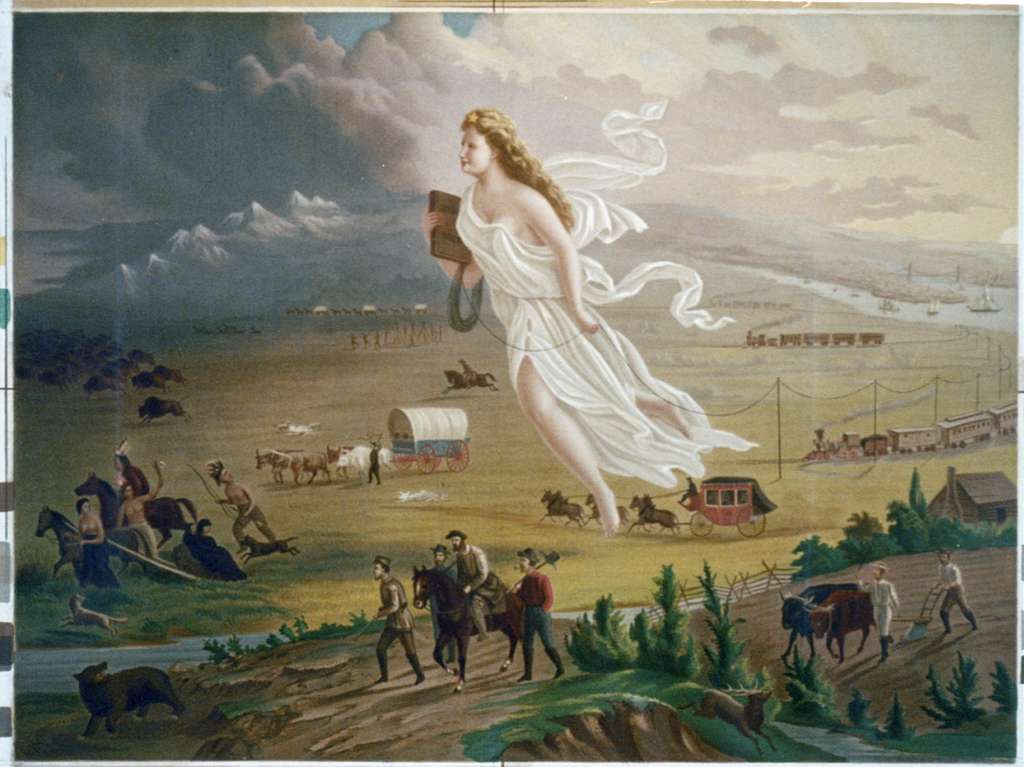
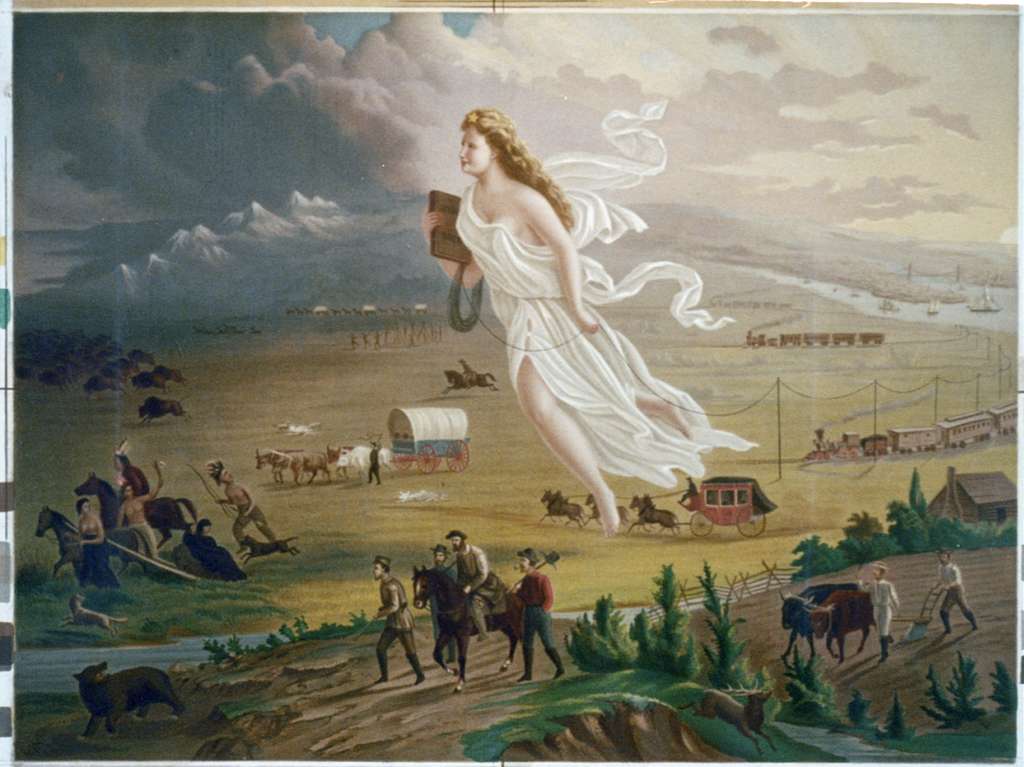
Manifest Destiny shaped more than just the physical borders of the United States; it deeply influenced American culture. The belief in expanding across the continent was reflected in art, literature, and how people viewed their nation’s future. Understanding this cultural impact helps you see how ideas can move a country forward—or hold it back.
Literature And Art
Writers and artists played a big role in spreading the ideas behind Manifest Destiny. Stories about brave pioneers and vast, untouched lands captured readers’ imaginations and inspired many to support expansion.
Paintings from that time often showed dramatic landscapes and heroic settlers, making the West look full of promise and opportunity. These images and stories didn’t just entertain; they made people feel part of a larger mission.
Do you think art and books today still shape how we view important issues? The way Manifest Destiny was portrayed shows how culture can influence public opinion.
Public Perception
Most Americans in the 1800s saw Manifest Destiny as a positive and inevitable force. It gave them a sense of purpose and destiny, as if expanding westward was their right and duty.
But not everyone agreed. Some groups, including Native Americans and certain political voices, warned about the costs and consequences of this expansion.
How do you weigh the benefits and drawbacks of a national idea like Manifest Destiny? Reflecting on public perception then can help you understand how powerful ideas shape societies—and how important it is to question them.
Legacy And Controversy
The legacy of Manifest Destiny is complex, blending achievement with deep controversy. It shaped the United States in powerful ways but also left lasting wounds. Understanding this dual impact helps you see how history influences current debates.
Long-term Effects
Manifest Destiny significantly expanded U.S. territory, adding millions of square miles from coast to coast. This growth boosted the economy by opening new lands for farming, trade, and industry. Yet, it also led to the displacement of Native American tribes and intensified conflicts over slavery.
Many communities today still feel the effects of these changes. Reservations and land disputes trace back to policies made during this era. The rapid expansion also set the stage for the Civil War by heightening tensions between free and slave states.
Modern Interpretations
How you view Manifest Destiny depends on your perspective. Some see it as a bold vision of progress and opportunity. Others highlight the injustice and suffering it caused, especially for indigenous peoples and Mexican residents.
Questions like “Who benefits from expansion?” and “At what cost?” remain relevant. When you examine textbooks or political speeches, notice how interpretations shift over time. This shows how history is not just about facts but also about values and memory.
Credit: owlcation.com
Frequently Asked Questions
When Did Manifest Destiny First Emerge In U.s. History?
Manifest Destiny began in the 1840s as a belief that the U. S. should expand westward. It gained popularity during President James K. Polk’s administration.
What Events Triggered The Start Of Manifest Destiny?
The annexation of Texas and the Oregon boundary dispute sparked Manifest Destiny. These events fueled U. S. desires for territorial expansion.
How Did Manifest Destiny Influence U.s. Policies In The 1840s?
Manifest Destiny shaped policies like westward expansion and the Mexican-American War. It justified acquiring new territories for growth.
Who Popularized The Term Manifest Destiny?
Journalist John L. O’Sullivan coined “Manifest Destiny” in 1845. He promoted the idea of divine U. S. expansion across North America.
Conclusion
Manifest Destiny began in the early 1800s as a strong belief. Many Americans felt it was their right to expand across the continent. This idea shaped the nation’s growth and history. It affected people’s lives and changed the land forever.
Understanding when it started helps explain America’s past. The journey of Manifest Destiny shows how hopes and struggles drove the country forward. It remains a key part of American history and identity.

Similar Posts