When Did Manifest Destiny End: Unraveling America’s Expansion Era
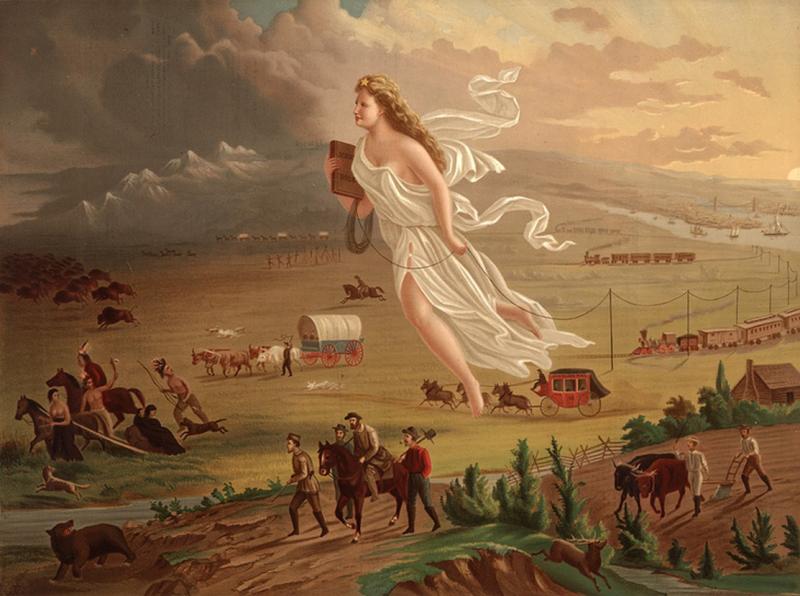
Have you ever wondered when Manifest Destiny came to an end? This powerful idea shaped a huge part of American history and changed the country forever.
Understanding when and how it stopped can give you a clearer picture of the nation’s growth and the challenges it faced. Keep reading to uncover the moment that marked the close of this bold chapter in history—and why it still matters to you today.

Credit: ancestralfindings.com
Origins Of Manifest Destiny
Manifest Destiny was a powerful belief in the 19th century. It held that the United States should expand across the North American continent. This idea shaped much of America’s history and politics during the 1800s.
The origins of Manifest Destiny trace back to a mix of cultural, political, and economic factors. Many Americans believed it was their right and duty to spread their way of life. The concept was tied to ideas of progress and American exceptionalism.
Early Influences On Manifest Destiny
The idea began with the country’s rapid growth after independence. Settlers moved westward, seeking new land and opportunities. Writers and politicians promoted expansion as a national goal. The belief was that America was destined to spread freedom and democracy.
Role Of Politics And Leadership
Leaders like President James K. Polk strongly supported expansion. They used Manifest Destiny to justify actions like the annexation of Texas. Political debates often centered on gaining new territories. Expansion became a key part of party platforms and campaigns.
Cultural And Religious Motivations
Many people thought expansion was a divine mission. Religious groups saw it as spreading Christianity. The idea of “civilizing” new lands was common. This gave Manifest Destiny a moral and spiritual dimension.
Economic Drivers Behind Expansion
Farmers and entrepreneurs wanted more land and resources. New territories promised wealth through agriculture, mining, and trade. The economy pushed Americans to move west for better chances. Expansion was seen as essential for national prosperity.
Key Figures And Ideologies
Manifest Destiny was driven by powerful people and strong ideas. These shaped the belief that the United States should expand across North America. Understanding these key figures and their beliefs helps explain why Manifest Destiny started and when it ended.
Leaders and thinkers gave voice to the expansionist spirit. Their ideas connected with many Americans who wanted more land and opportunity. These ideologies often mixed with politics, economics, and culture to push the nation forward.
Key Figures Of Manifest Destiny
- James K. Polk:The 11th U.S. president who strongly supported westward expansion. He led the country during the Mexican-American War, gaining new territories.
- John L. O’Sullivan:A journalist who coined the term “Manifest Destiny.” He believed it was the nation’s destiny to spread freedom and democracy.
- Stephen F. Austin:Known as the “Father of Texas,” he played a major role in settling Texas and encouraging American migration.
- Sam Houston:Leader in Texas independence and later a U.S. senator. He helped bring Texas into the Union.
Core Ideologies Behind Manifest Destiny
- Expansionism:The belief that the U.S. should grow in size and power across the continent.
- Democracy and Freedom:Many thought expansion would spread American values and political systems.
- Economic Opportunity:Land and resources promised wealth and new beginnings for settlers.
- Racial Superiority:Some believed white Americans had a duty to civilize other peoples.
- Nationalism:Pride in the U.S. fueled the desire to unite and control more land.
Territorial Expansion And Conflicts
Territorial expansion was central to Manifest Destiny, driving the United States to grow its borders. This growth led to conflicts with other nations and Native Americans. Many key events shaped the path of expansion and the eventual limits of Manifest Destiny.
Annexation Of Texas
Texas declared independence from Mexico in 1836. The U.S. delayed annexing Texas due to tensions with Mexico and slavery issues. In 1845, Texas officially joined the United States. This move angered Mexico and increased border disputes, setting the stage for war.
Mexican-american War
The U.S. and Mexico fought from 1846 to 1848. The war began over border disagreements after Texas joined the U.S. The Treaty of Guadalupe Hidalgo ended the war. The U.S. gained vast lands, including California and the Southwest, expanding its territory greatly.
Oregon Trail
The Oregon Trail was a route for settlers heading west. Thousands traveled it in the 1840s seeking new land and opportunities. The U.S. and Britain agreed to split Oregon Territory in 1846. This peaceful resolution avoided war and marked a boundary for expansion.
Impact On Native Americans
The impact of Manifest Destiny on Native Americans was profound and devastating. As settlers pushed westward, indigenous peoples faced loss of land, culture, and autonomy. This forced expansion reshaped their lives in ways that are still felt today.
Loss Of Land And Forced Relocation
One of the most immediate effects was the massive loss of Native American territory. Treaties were often broken or ignored, pushing tribes off lands they had lived on for generations.
The infamous Trail of Tears is a harsh example, where thousands of Cherokee were forced to march westward under brutal conditions. Imagine being uprooted from your home with no say in the matter—how would you cope?
Destruction Of Native Cultures
Manifest Destiny didn’t just take land; it threatened entire ways of life. Missionaries and government agents pressured Native Americans to abandon their languages, religions, and customs.
This cultural erasure was a deliberate attempt to assimilate Native peoples into Euro-American society. What happens to a community when its traditions are systematically stripped away?
Violence And Conflict
As settlers encroached on native lands, clashes were inevitable. Armed conflicts, massacres, and wars became common, causing widespread suffering and loss of life.
Many Native Americans were caught between fighting for their survival and trying to adapt to a rapidly changing world. How would you respond if your very existence was under constant threat?
Long-term Social And Economic Effects
The consequences of Manifest Destiny extended beyond immediate displacement. Native communities faced poverty, marginalization, and limited access to resources for decades.
Even today, many Native American populations struggle with the legacies of these disruptions. Understanding this history challenges you to consider how past policies continue to shape present realities.
Manifest Destiny In Politics
Manifest Destiny was more than just a popular idea; it deeply shaped American politics in the 19th century. The belief that the United States was destined to expand across the continent influenced key decisions and policies. Understanding how political leaders embraced and then moved away from this ideology helps answer when Manifest Destiny truly ended.
Presidential Policies
Presidents like James K. Polk aggressively pursued expansion. Polk’s administration pushed for the annexation of Texas and the acquisition of Oregon Territory, showing a clear commitment to Manifest Destiny. His willingness to provoke war with Mexico to gain land marked a high point for this policy.
However, later presidents took a more cautious approach. After the Civil War, leaders focused on rebuilding the nation rather than expanding borders. You might wonder how much a president’s personal views shaped the country’s direction—Polk’s example shows they can have a huge impact.
Legislative Actions
Congress also played a major role in the rise and fall of Manifest Destiny. Laws like the Homestead Act encouraged settlers to move west, supporting expansion. But as new states joined the Union, debates over slavery and state rights grew fiercer.
The Compromise of 1850 and the Kansas-Nebraska Act tried to balance these tensions but ultimately highlighted the limits of expansion. By the late 1800s, Congress focused more on regulating internal development than acquiring new territory. Have you ever considered how legislation can both promote and restrict a nation’s growth?

Credit: www.facebook.com
Shift In Public Opinion
The shift in public opinion marked a turning point in the era of Manifest Destiny. What once seemed like an unstoppable wave of expansion began to face serious doubts from many Americans. This change in mindset played a crucial role in signaling the end of Manifest Destiny.
Growing Awareness Of The Human Cost
As settlers pushed westward, stories of conflicts with Native American tribes and the harsh realities of frontier life became more widely known. You start to realize that expansion wasn’t just about gaining land—it came with suffering and loss for many people. This growing awareness made many question whether Manifest Destiny was worth the price.
Political Divisions And Debates
Political leaders and everyday citizens began debating the moral and practical implications of expansion. Issues like the extension of slavery into new territories stirred intense arguments. These divisions showed how public opinion was no longer united behind the idea of continuous growth.
Changing Economic Priorities
The economy started shifting focus from land acquisition to industrial growth and urban development. People’s priorities changed as new job opportunities and technologies emerged in cities. This shift meant that the urgency for territorial expansion lost some of its appeal.
Impact Of Abolitionist Movements
Abolitionists challenged the expansion of slavery, which was tied closely to Manifest Destiny’s goals. Their activism influenced many to reconsider the ethical side of expansion. You can see how social movements helped reshape public attitudes during this period.
Reflection Through Literature And Media
Books, newspapers, and speeches began to portray Manifest Destiny in a more critical light. Writers and journalists highlighted the contradictions and consequences of expansion. This shift in media coverage helped people question the once-popular idea.
End Of The Expansion Era
The End of the Expansion Era marked a significant shift in American history. Manifest Destiny, the belief that the United States was destined to expand across the continent, began to lose momentum in the late 19th century. This change wasn’t sudden but came from a mix of economic pressures and social transformations that reshaped the nation’s focus.
Economic Factors
The cost of continuous expansion started to weigh heavily on the country’s resources. Wars, infrastructure development, and maintaining new territories demanded more money than expected. At the same time, the Industrial Revolution was changing the economy, shifting focus from land acquisition to manufacturing and urban growth.
You might have noticed how industries and cities grew rapidly around that time, pulling attention away from rural expansion. Railroads connected existing states more than new lands. This shift made economic sense because investing in industry and urban centers brought faster returns than pushing the frontier further.
Social Changes
Social attitudes also evolved as the country matured. The idea of endless land to claim began to clash with the realities of Native American rights and existing populations. Public opinion started to question whether expansion justified the displacement and conflicts it caused.
Immigration increased, bringing diverse cultures and ideas that influenced American society. People began to focus more on improving life within the nation’s borders rather than seeking new territories. Have you ever wondered how changing social values impact national goals? This shift shows how society’s priorities can redirect a country’s path.

Credit: www.reddit.com
Legacy Of Manifest Destiny
Manifest Destiny shaped the United States in many ways. It was more than land expansion. It affected culture, politics, and society deeply. The idea pushed Americans to believe they had a special role in history.
The legacy of Manifest Destiny is complex. It brought growth and conflict. It changed the nation’s identity and its role in the world. Understanding this legacy helps us see how history influences today.
Impact On U.s. Geography And Borders
Manifest Destiny expanded U.S. territory from the Atlantic to the Pacific. The country gained new states like California and Texas. These changes set the stage for future growth and development.
Effects On Native American Communities
Native Americans faced great losses during this period. Many were forced off their lands. Their cultures and populations suffered greatly due to war and displacement.
Shifts In Political Power
The new territories raised questions about slavery and governance. These issues increased tensions between the North and South. They contributed to the start of the Civil War.
Cultural And National Identity
Manifest Destiny encouraged a sense of American exceptionalism. It promoted ideas of progress and destiny. This shaped how Americans viewed themselves and their country.
Global Influence And Foreign Policy
The U.S. became more involved in world affairs. Manifest Destiny opened doors to trade and diplomacy. It marked the beginning of American influence overseas.
Frequently Asked Questions
When Did Manifest Destiny Officially End?
Manifest Destiny is generally considered to have ended around 1890. This period marked the closing of the American frontier and the completion of continental expansion.
What Events Marked The End Of Manifest Destiny?
Key events include the 1890 Census declaring no frontier and the 1898 Spanish-American War. These signaled the shift from continental expansion to overseas imperialism.
How Did Manifest Destiny Impact U.s. Borders?
Manifest Destiny expanded U. S. borders from the Atlantic to the Pacific. It led to acquiring territories like Texas, Oregon, and California through treaties and wars.
Did Manifest Destiny Influence U.s. Foreign Policy?
Yes, Manifest Destiny influenced U. S. foreign policy by promoting expansionism. It justified territorial acquisitions and shaped America’s growth mindset in the 19th century.
Conclusion
Manifest Destiny ended in the late 19th century. The United States had reached the Pacific Ocean. Expansion slowed after the 1890s. New goals replaced land growth. The focus shifted to industry and global power. This period shaped America’s borders today.
Understanding its end helps explain U. S. History. The idea left a lasting impact on culture and politics. It reminds us how nations change over time.

Similar Posts