When Did Manifest Destiny Happen: Unveiling Historical Timelines
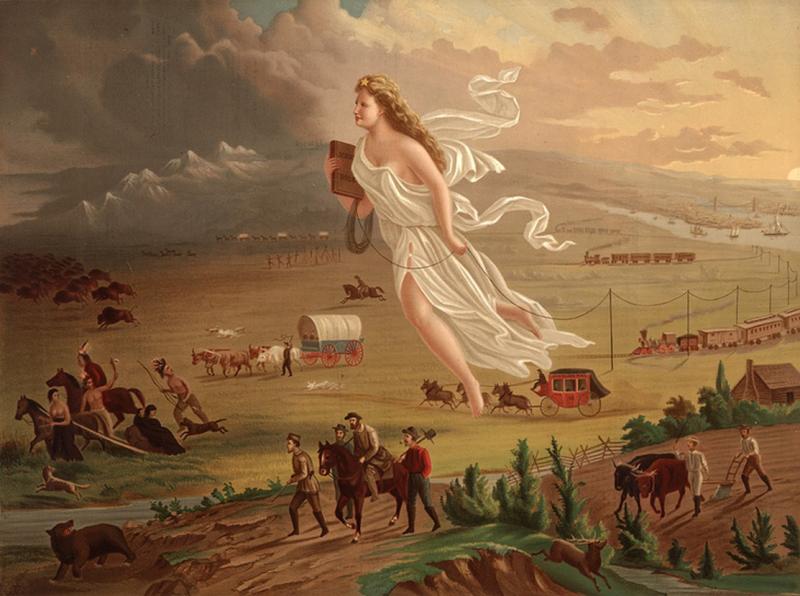
Have you ever wondered when Manifest Destiny actually happened and why it matters to your understanding of American history? This powerful idea shaped the growth of the United States in ways that still affect you today.
By knowing when Manifest Destiny took place, you’ll uncover the key moments that changed the nation’s map and its future. Keep reading, and you’ll discover the exact time frame and the surprising events behind this important chapter in history.
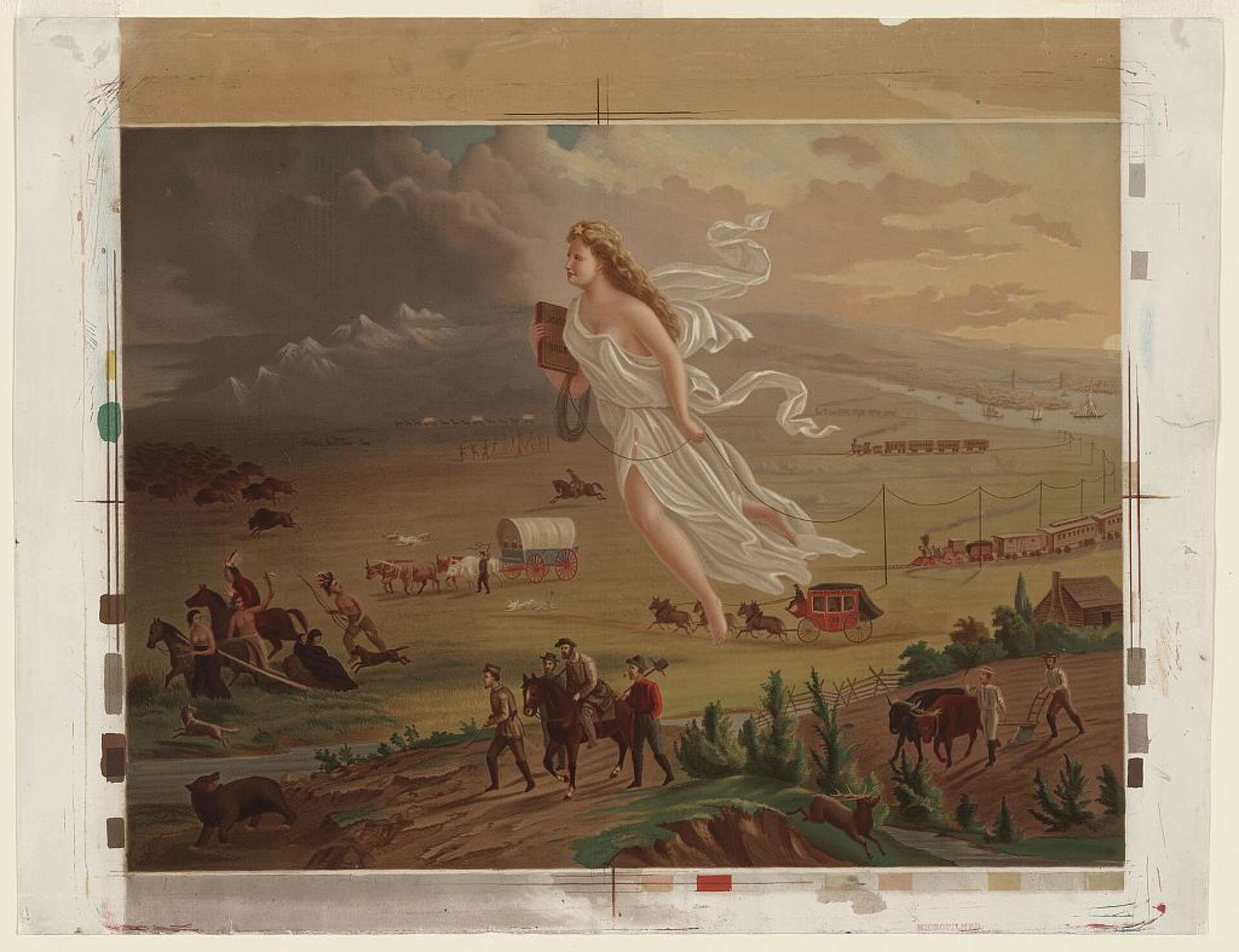
Credit: www.houstonchronicle.com
Origins Of Manifest Destiny
The origins of Manifest Destiny lie deep in America’s early history. It was not just a sudden idea but grew over time. People believed the United States had a special mission to spread across the continent. This belief shaped the nation’s actions in the 19th century.
Understanding the roots of Manifest Destiny helps us see why America expanded its borders. Several key moments and people played a role in forming this mindset. The idea mixed politics, culture, and a sense of destiny.
Early 19th Century Context
In the early 1800s, the U.S. was young and growing fast. The Louisiana Purchase in 1803 doubled the country’s size. Settlers moved west, facing new challenges and opportunities. The country was full of hope and ambition.
Many Americans believed it was their right to settle the land from the Atlantic to the Pacific. This belief grew stronger as new territories opened. The idea of expanding became part of the national identity.
Political Climate In The 1840s
The 1840s were a time of change and conflict in the U.S. Politics focused on expansion and the future of new lands. The debate over slavery in these areas heated up. Leaders pushed for growth to gain power and resources.
Manifest Destiny became a slogan to justify expansion. It united many Americans behind a common goal. The government supported efforts to claim new territories, such as Texas and Oregon.
Key Figures And Advocates
- President James K. Polk strongly supported Manifest Destiny.
- Journalist John L. O’Sullivan coined the term “Manifest Destiny.”
- Politicians and settlers worked together to expand the nation.
- Military leaders helped secure new lands through wars and treaties.
These people helped turn the idea of Manifest Destiny into reality. Their actions changed the map of the United States forever.
Timeline Of Major Events
The timeline of Manifest Destiny is marked by a series of significant events that shaped the expansion of the United States across North America. Each event played a crucial role in defining the country’s borders and its political landscape. Understanding these milestones helps you grasp how Manifest Destiny unfolded and impacted the nation.
Annexation Of Texas
The Annexation of Texas in 1845 was a turning point. Texas had won independence from Mexico in 1836 and sought to join the United States. This move sparked tension because Mexico still considered Texas its territory, raising questions about the balance of power and the future of slavery.
Oregon Territory Dispute
The Oregon Territory dispute involved the U.S. and Britain both claiming land in the Pacific Northwest. Settlers and politicians pushed for control of this vast area, leading to the slogan “Fifty-Four Forty or Fight!” in 1844. Eventually, a peaceful agreement in 1846 set the border at the 49th parallel, avoiding war but fueling national pride.
Mexican-american War
The Mexican-American War (1846–1848) was triggered by the conflict over Texas and border disputes. It was a short but intense conflict that resulted in U.S. troops occupying Mexico City. This war significantly accelerated America’s territorial growth and stirred debates about the nation’s direction and values.
Treaty Of Guadalupe Hidalgo
Signed in 1848, the Treaty of Guadalupe Hidalgo ended the Mexican-American War. Mexico ceded a vast portion of land to the U.S., including present-day California, Arizona, New Mexico, and more. This treaty finalized the Manifest Destiny vision but also raised questions about how to integrate these new lands and their diverse populations.
Impact On Native American Lands
The impact of Manifest Destiny on Native American lands was profound and often devastating. As settlers moved westward, indigenous peoples faced immense pressure to give up their ancestral territories. This expansion not only altered the landscape but also disrupted long-standing ways of life for many Native American tribes.
Forced Relocations
One of the most tragic outcomes of Manifest Destiny was the forced removal of Native Americans from their homelands. Policies like the Indian Removal Act of 1830 led to events such as the Trail of Tears, where thousands were uprooted and made to travel hundreds of miles under harsh conditions.
These relocations were not voluntary. Native communities lost lands rich in resources and cultural significance. Have you ever considered how losing your home affects your identity and future?
Cultural And Social Effects
The loss of land also meant the loss of cultural practices tied to specific regions. Many tribes struggled to maintain their languages, traditions, and social structures after being displaced.
Displacement disrupted family ties and community cohesion. It forced Native Americans to adapt quickly to new environments, often facing poverty and discrimination. How might your community change if your history and traditions were suddenly uprooted?

Credit: www.youtube.com
Economic Motivations
The drive behind Manifest Destiny was deeply rooted in economic motivations. People saw vast lands as opportunities to improve their livelihoods and build wealth. This hunger for growth shaped much of the expansionist push during the 19th century.
Agricultural Expansion
Farmers were eager to claim new fertile lands in the West. The promise of rich soil meant better crops and more income. Many settlers believed owning land was the key to financial security and independence.
Have you ever thought about how owning a small piece of land can change your life? Back then, it was no different. Access to land allowed families to grow food, raise livestock, and create a stable future.
Gold Rush Influence
The discovery of gold in California in 1848 sparked a massive rush of people hoping to strike it rich. This event accelerated westward migration and investment in new territories. The lure of quick wealth made Manifest Destiny more than just a political idea—it became a personal goal for many.
Imagine packing your belongings and heading into unknown lands with dreams of finding gold. This hope fueled countless journeys and shaped the economy. It also created new towns, businesses, and trade routes that supported the growing population.
Political Consequences
The political consequences of Manifest Destiny shaped the United States in many ways. This idea pushed the country to expand westward. It sparked debates and conflicts that affected the nation’s unity. The expansion raised questions about new territories and their laws. These issues caused tension between different groups and regions.
Slavery Debate Intensification
Manifest Destiny made the slavery debate worse. New lands meant deciding if slavery would be allowed there. Both the North and South wanted control over these decisions. Each side feared losing power in Congress. This struggle increased arguments and distrust between states.
Political leaders fought over laws like the Missouri Compromise and the Compromise of 1850. These tried to balance free and slave states but only delayed conflict. The debate became a major cause of future violence and division.
Sectionalism Growth
Expansion under Manifest Destiny led to stronger sectionalism. The North and South grew apart in beliefs and interests. The South focused on agriculture and slavery. The North developed industry and opposed slavery’s spread.
New territories made these differences sharper. Each region worked to protect its way of life. This division weakened national unity. It set the stage for the Civil War.
Legacy Of Manifest Destiny
The legacy of Manifest Destiny shaped the United States in many ways. It changed the country’s size, culture, and politics. This belief pushed America to grow from the Atlantic to the Pacific Ocean. The effects of this expansion still influence the nation today.
Territorial Growth
Manifest Destiny led to huge land gains for the United States. The country acquired vast areas like Texas, California, and Oregon. These new lands came from treaties, purchases, and wars. This growth doubled the nation’s size in a few decades.
The expansion opened new opportunities for settlers and businesses. Railroads and towns spread across the new territories. This growth also caused conflicts with Native Americans and Mexico. The push for land changed the map of North America forever.
Shaping Modern America
Manifest Destiny helped form America’s identity as a continental power. It encouraged ideas about freedom and progress. However, it also brought challenges such as slavery debates and cultural clashes.
Many states and cities today grew from the lands gained during this time. The westward movement influenced American culture and economy. It set the stage for the United States to become a global power.

Credit: ancestralfindings.com
Frequently Asked Questions
When Did Manifest Destiny Start In The United States?
Manifest Destiny began in the 1840s, especially around 1845. It was a belief that the U. S. was destined to expand westward across North America.
What Years Mark The Peak Of Manifest Destiny?
The peak of Manifest Destiny occurred between 1845 and 1850. During this time, the U. S. acquired large territories like Texas, Oregon, and California.
How Long Did The Manifest Destiny Era Last?
Manifest Destiny was most prominent from the 1840s to the late 1850s. It gradually declined after the Civil War began in 1861.
Which Events Defined Manifest Destiny’s Timeline?
Key events include the annexation of Texas (1845), Oregon Treaty (1846), and the Mexican-American War (1846-1848). These shaped the expansion period.
Conclusion
Manifest Destiny took place mainly in the 1800s. It shaped the growth of the United States. People believed the country should stretch from coast to coast. This idea led to many changes and conflicts. It affected Native Americans and other nations too.
Understanding this helps us know U. S. History better. The period showed how ideas drive actions and change. Manifest Destiny remains an important part of America’s story.

Similar Posts