When Did Manifest Destiny Start And End: A Timeless Legacy
Have you ever wondered when Manifest Destiny really began and ended? Understanding the timeline of this powerful idea can change how you see American history.
Manifest Destiny wasn’t just a phrase—it shaped the country’s growth and affected millions of lives. You’ll discover the key moments that marked the start and finish of Manifest Destiny. By the end, you’ll have a clear picture of how this movement influenced the United States and why it still matters today.
Keep reading to uncover the story behind this important chapter in history.

Credit: www.albert.io
Origins Of Manifest Destiny
The origins of Manifest Destiny trace back to early ideas about American growth and destiny. It was more than just land expansion. It was a belief that the United States had a special mission to spread democracy and civilization across the continent. This idea took shape during the early 19th century and gained strong momentum in the 1840s. Understanding these roots helps explain why Manifest Destiny became a powerful force in U.S. history.
Early American Expansionist Ideas
From the nation’s start, many Americans wanted to expand beyond the original states. The Louisiana Purchase in 1803 doubled the country’s size. It showed a clear desire to explore and settle new lands. Settlers moved west in search of opportunity. The idea of “continentalism” grew, meaning the U.S. should control the whole continent. These thoughts laid the groundwork for Manifest Destiny.
Political Climate Of The 1840s
The 1840s was a time of change and tension in the U.S. New political leaders pushed for expansion. Democrats especially supported growth to spread American values. The annexation of Texas and disputes with Mexico stirred national pride. Leaders argued that expanding borders was the nation’s right and duty. This political support helped turn expansionist ideas into action.
Role Of The Media And Public Opinion
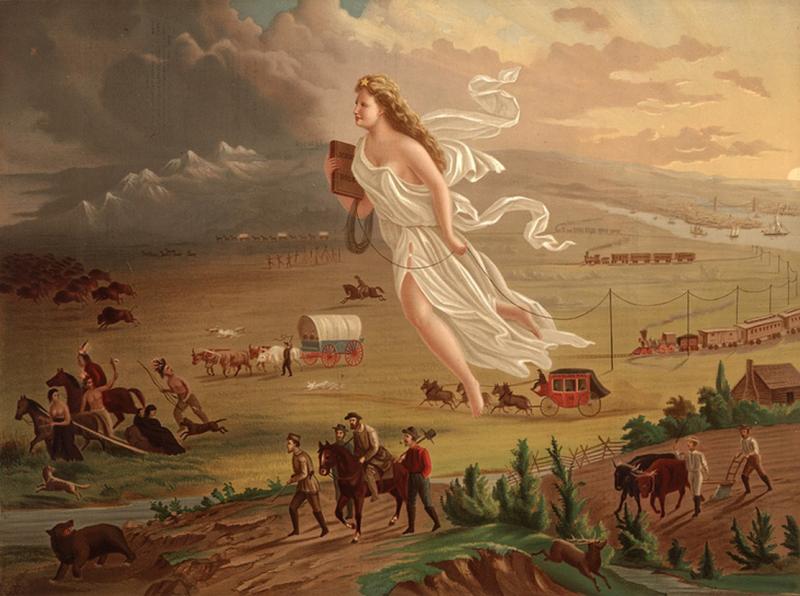
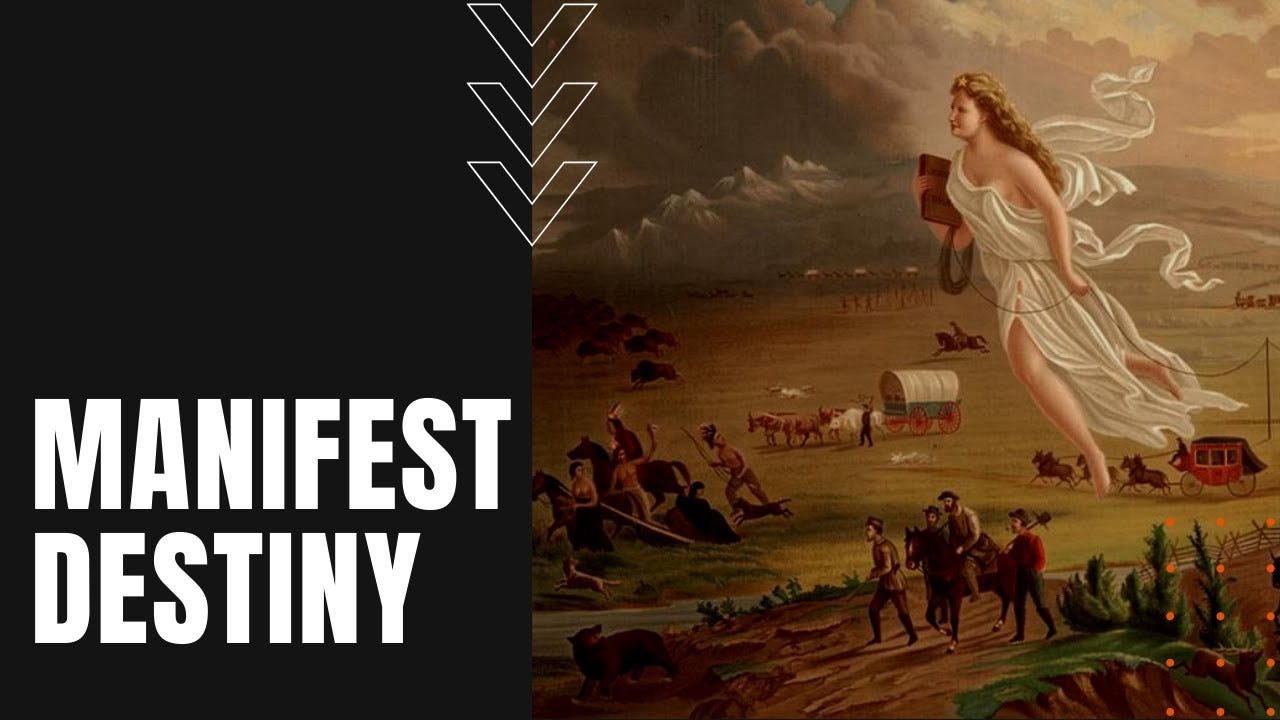
Newspapers and pamphlets played a key role in spreading Manifest Destiny. Writers used bold language to inspire citizens. They portrayed expansion as a noble cause. Public opinion shifted to support moving west. Illustrations and editorials made the idea popular among everyday people. The media helped turn a political goal into a national movement.
Credit: pastorbhart.medium.com
Key Events Marking The Start
The start of Manifest Destiny is marked by several key events that shaped America’s expansionist mindset. These moments ignited the national desire to stretch from the Atlantic to the Pacific. Understanding these events helps you see how a complex mix of politics, conflict, and negotiation pushed the country westward.
Annexation Of Texas
The annexation of Texas in 1845 was a bold move that fueled the idea of Manifest Destiny. Texas had won independence from Mexico in 1836 but existed as a separate republic for years. When the U.S. accepted Texas as a state, it sparked tension with Mexico, setting the stage for future conflict.
Think about how this decision affected your view of national borders. It wasn’t just about gaining land; it was about asserting power and identity. This event made it clear the U.S. was ready to expand aggressively.
Oregon Territory Dispute
The Oregon Territory dispute was another spark that fanned the flames of Manifest Destiny. Britain and the U.S. both claimed this vast area in the Pacific Northwest. The slogan “Fifty-Four Forty or Fight!” captured American determination to claim the land up to latitude 54°40′.
This dispute wasn’t just about land but about control of trade routes and resources. It shows how your sense of national pride and economic opportunity can drive bold political decisions. The eventual compromise with Britain in 1846 gave the U.S. significant territory without war.
Mexican-american War
The Mexican-American War (1846-1848) was a turning point that accelerated Manifest Destiny. After Texas joined the U.S., border conflicts led to war with Mexico. The U.S. victory resulted in the Treaty of Guadalupe Hidalgo, which added nearly half a million square miles to the country.
This war raises tough questions about the cost of expansion. You can consider how the desire for land clashed with issues of sovereignty and human lives. The war’s outcome drastically reshaped the map and America’s future.
Territorial Expansion And Impact
The era of Manifest Destiny was a time of dramatic territorial growth and significant change in the United States. This expansion reshaped the nation’s borders and had lasting effects on its people, economy, and culture. Understanding the territorial expansion and its impact helps you grasp how the country evolved during this pivotal period.
Acquisition Of The Southwest
The Southwest became a key target during Manifest Destiny’s push for expansion. After the Mexican-American War, the Treaty of Guadalupe Hidalgo in 1848 transferred vast lands, including California, Arizona, New Mexico, and Texas, to the U.S.
This acquisition opened opportunities for settlers and entrepreneurs eager to explore new frontiers. Have you ever thought about how these lands changed the American dream? The promise of gold in California and fertile farming land attracted thousands, fueling rapid growth.
Effects On Native American Lands
As new territories were claimed, Native American tribes faced severe displacement and loss of their ancestral lands. The expansion often ignored existing treaties and forced many tribes onto reservations.
This upheaval devastated communities and cultures that had thrived for centuries. Think about how these forced movements affected identities and ways of life—how would you feel if your home was taken from you without consent?
Economic And Social Changes
The new territories brought economic opportunities but also social challenges. Railroads expanded, connecting coasts and enabling trade, while farming and mining boomed.
At the same time, the influx of settlers created tensions over land ownership and labor. These changes pushed the nation toward industrial growth but also deepened divides that would later fuel conflicts. What role do you think these economic shifts play in shaping modern America?
End Of Manifest Destiny Era
The end of the Manifest Destiny era marked a major shift in American history. This period saw the United States reach its continental boundaries. After years of expansion, the focus of the nation changed. Political and social issues began to take center stage. The dream of expanding from coast to coast had mostly been achieved. New challenges emerged that slowed territorial growth.
Completion Of Continental Expansion
By the mid-1800s, the U.S. had acquired vast lands. Territories from the Atlantic to the Pacific were under American control. The 1848 Treaty of Guadalupe Hidalgo ended the Mexican-American War. This treaty added the Southwest to the country. The Oregon Territory was settled peacefully with Britain. The landmass of the nation was nearly complete. With few lands left to claim, expansion slowed.
Shifts In Political Priorities
As new states joined the Union, debates grew. Political leaders focused more on internal issues. Slavery became a divisive topic across the country. Economic development and infrastructure gained importance. The government aimed to unify the nation rather than expand it. Manifest Destiny’s goals gave way to solving domestic conflicts. The balance between free and slave states was critical.
Onset Of Civil War
The tensions over slavery and states’ rights escalated in the 1850s. Violence erupted in places like Kansas. The nation moved closer to civil war. The conflict put expansion plans on hold. The Civil War, starting in 1861, consumed the country’s attention. Manifest Destiny’s era effectively ended as Americans fought among themselves. The focus shifted from growth to preserving the Union.
Legacy In Modern America
The legacy of Manifest Destiny shapes many parts of modern America. It influenced the country’s growth and how it sees itself today. The idea pushed the U.S. to expand its borders and power. This expansion affected foreign policy, culture, and historical views. Some parts of this legacy bring pride, while others cause debate.
Influence On U.s. Foreign Policy
Manifest Destiny set a pattern for U.S. actions abroad. It encouraged moving beyond borders to gain land and power. This led to policies focused on expansion and influence. The idea of spreading American values guided many decisions. Today, it echoes in how the U.S. interacts worldwide.
Cultural And Historical Reflections
Many American stories and symbols come from Manifest Destiny. It shaped ideas about freedom, opportunity, and progress. Art, literature, and education often reflect this era. The westward movement is a key part of the national identity. People celebrate pioneers, explorers, and settlers as heroes.
Controversies And Reassessment
Manifest Destiny also caused harm to Native Americans and others. Land was taken, and many lives were changed forever. Modern views question the fairness and justice of this time. Schools and historians now discuss both the good and bad. This reassessment helps Americans understand their complex past.

Credit: ancestralfindings.com
Frequently Asked Questions
When Did Manifest Destiny Begin In U.s. History?
Manifest Destiny began in the 1840s, driven by the belief in American expansion across the continent. It gained momentum with the annexation of Texas in 1845 and the Oregon Trail migration.
When Did Manifest Destiny Officially End?
Manifest Destiny largely ended in 1890 after the U. S. completed continental expansion. The 1890 Census declared the frontier closed, marking the end of major territorial acquisitions.
What Events Marked The Start Of Manifest Destiny?
Key events include the 1845 Texas annexation, the 1846 Oregon Treaty, and the Mexican-American War (1846-1848). These expanded U. S. territory significantly, fueling Manifest Destiny’s vision.
How Did Manifest Destiny Impact U.s. Borders?
Manifest Destiny expanded U. S. borders from the Atlantic to the Pacific. It added territories like Texas, California, Oregon, and the Southwest, shaping modern America’s map.
Conclusion
Manifest Destiny began in the 1840s and ended in the late 1800s. It shaped the growth of the United States. People believed it was their right to expand west. This idea led to new states and changed the map. It also caused conflicts with Native Americans and other nations.
Understanding its timeline helps us see how the country grew. The effects of Manifest Destiny still influence America today. History shows both progress and challenges during this time. The story of Manifest Destiny is a key part of U. S.
History.

Similar Posts