When Did Marx Wrote the Communist Manifesto: Unveiling History
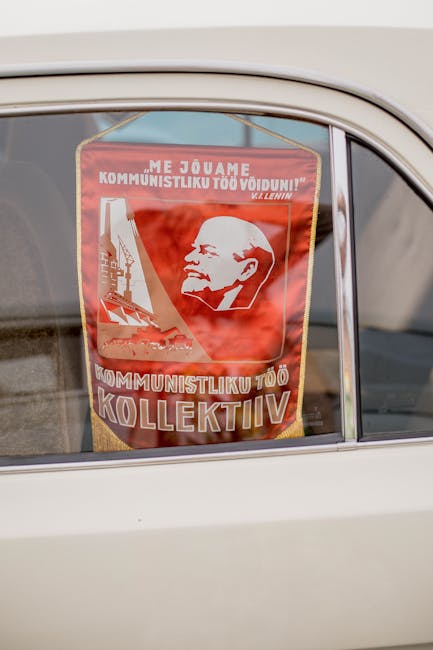
Have you ever wondered when Karl Marx wrote the Communist Manifesto? Understanding the exact time can give you a clearer picture of the ideas that shaped history.
This article will reveal the moment Marx put his thoughts on paper and explain why it mattered. Keep reading to discover how this powerful work came to be and why it still influences the world today. Your curiosity is about to be satisfied.
Marx And Engels Collaboration
The collaboration between Karl Marx and Friedrich Engels was the backbone of the Communist Manifesto’s creation. Their partnership blended sharp intellect with a shared passion for social change. Understanding how their teamwork developed helps you see why the Manifesto remains influential today.
Early Partnership
Marx and Engels met in 1844, quickly realizing they shared common views on society and economics. Their early conversations sparked a lifelong friendship and intellectual alliance. Engels supported Marx financially, allowing him to focus on writing, which was crucial for their joint projects.
Think about your own collaborations—how can mutual support boost your productivity? Marx’s ability to write was enhanced by Engels’ resources and ideas. This balance between practical help and intellectual exchange made their partnership unique.
Shared Ideologies
Both men believed capitalism created deep inequalities and that the working class should rise to change society. Their writings combined Marx’s economic analysis with Engels’ observations of industrial life. This blend gave their arguments depth and clarity that resonate with readers even now.
When you work with someone who shares your core values, your message becomes stronger. Marx and Engels didn’t just share ideas—they lived them in their activism and writings. How might your beliefs shape the way you communicate with others?

Credit: www.amazon.com
Historical Context Of 1848
The year 1848 was a turning point in European history, marked by widespread unrest and demands for change. This was the year Karl Marx and Friedrich Engels wrote the Communist Manifesto, a document that challenged the existing social and political order. To understand why this manifesto emerged then, you need to grasp the historical context shaping their ideas.
Political Climate
Europe in 1848 was a hotbed of political tension. Monarchies and empires faced increasing pressure from citizens demanding more rights and representation.
Revolutions broke out across France, Germany, Italy, and the Austrian Empire. These uprisings aimed to overthrow old regimes and introduce liberal reforms.
For someone living through these times, it was clear that the old systems were crumbling. Have you ever felt the frustration of a system that no longer serves its people? This moment captured that feeling on a massive scale.
Social Movements
Alongside political upheaval, social movements gained momentum. Workers and peasants, long oppressed by industrial capitalism and feudal structures, began organizing for better conditions.
The rise of factories created a new working class facing harsh labor, low wages, and unsafe environments. These realities fueled calls for solidarity and systemic change.
Marx and Engels saw these social struggles as central to the conflicts shaping society. What changes in your own community have sparked a desire for a fairer system? The social movements of 1848 remind us that collective action can push societies forward.
Writing The Manifesto
Writing the Communist Manifesto was a pivotal moment in history, marking the birth of a powerful political document. Marx and Engels crafted it with a clear vision and urgency. Understanding how and when this work came to life helps you grasp its lasting impact.
Timeline Of Composition
The Communist Manifesto was written in a remarkably short period. Marx and Engels completed the draft between December 1847 and January 1848. They worked intensively, driven by the urgent political climate of Europe at the time.
After finishing the text, it was published in February 1848. This quick turnaround shows how pressing the need was to spread their ideas. Imagine writing a document that still influences political thought over 170 years later, all in just a few weeks!
Key Influences
Several important ideas shaped the Manifesto. Marx’s critique of capitalism was deeply informed by his studies of economics and history. Engels brought his practical experience with the working class and industrial society.
- Hegel’s philosophy of history helped them see society as a series of class struggles.
- The industrial revolution exposed harsh worker conditions, fueling their urgency.
- Political unrest across Europe showed them the potential for radical change.
Think about your own work or beliefs. What experiences or ideas push you to act quickly and decisively? Marx and Engels didn’t wait—they used their insights to create something that challenged the world.

Credit: www.abebooks.com
Publication And Reception
The publication and reception of the Communist Manifesto marked a key moment in political history. Written by Karl Marx and Friedrich Engels, it aimed to address class struggles and propose a new social order. Understanding how it was released and received helps grasp its early impact and lasting influence.
Initial Release
The Communist Manifesto was first published in February 1848. It appeared as a pamphlet in London, printed by a German publishing house. The text was brief but powerful, summarizing Marx and Engels’ ideas on capitalism and revolution. It was written in German and quickly spread across Europe. The timing was significant, as Europe faced widespread political unrest.
Public And Political Response
The manifesto sparked strong reactions from different groups. Workers and socialists found hope and inspiration in its message. Some saw it as a call for unity and change. Governments and ruling classes viewed it as a threat. Censorship and bans appeared in many countries. Debates and discussions about its ideas grew rapidly. The manifesto became a symbol of resistance and social critique.
Legacy Of The Manifesto
The legacy of the Communist Manifesto stretches far beyond its original publication in 1848. It has shaped political thought, social movements, and economic theories for over a century and a half. Understanding this legacy helps you see how ideas from a single pamphlet continue to influence the world today.
Impact On Socialism
The Communist Manifesto gave socialism a clear, powerful voice. It shifted socialism from scattered ideas to a unified movement with specific goals. Many socialist parties around the world still base their platforms on the manifesto’s call for workers’ rights and equality.
You might wonder how these ideas have evolved. Early socialists focused on overthrowing capitalism entirely. Today, many adopt more moderate approaches, pushing for reforms like better wages and social safety nets instead of complete revolution.
Think about your own community. Do you see social programs or labor laws that reflect principles from the manifesto? These are tangible impacts of its legacy in everyday life.
Influence On Modern Politics
The manifesto’s influence reaches beyond socialism into mainstream politics. Concepts like class struggle and economic inequality have entered political debates worldwide. Politicians often reference these ideas when discussing wealth gaps or workers’ rights.
Its legacy also challenges you to question power structures. Who holds economic power in your society? How does that shape laws and opportunities? These questions echo the manifesto’s core concerns.
Whether you agree with its conclusions or not, the manifesto forces political systems to address social justice issues. Its ideas continue to provoke discussions that shape policies and elections.
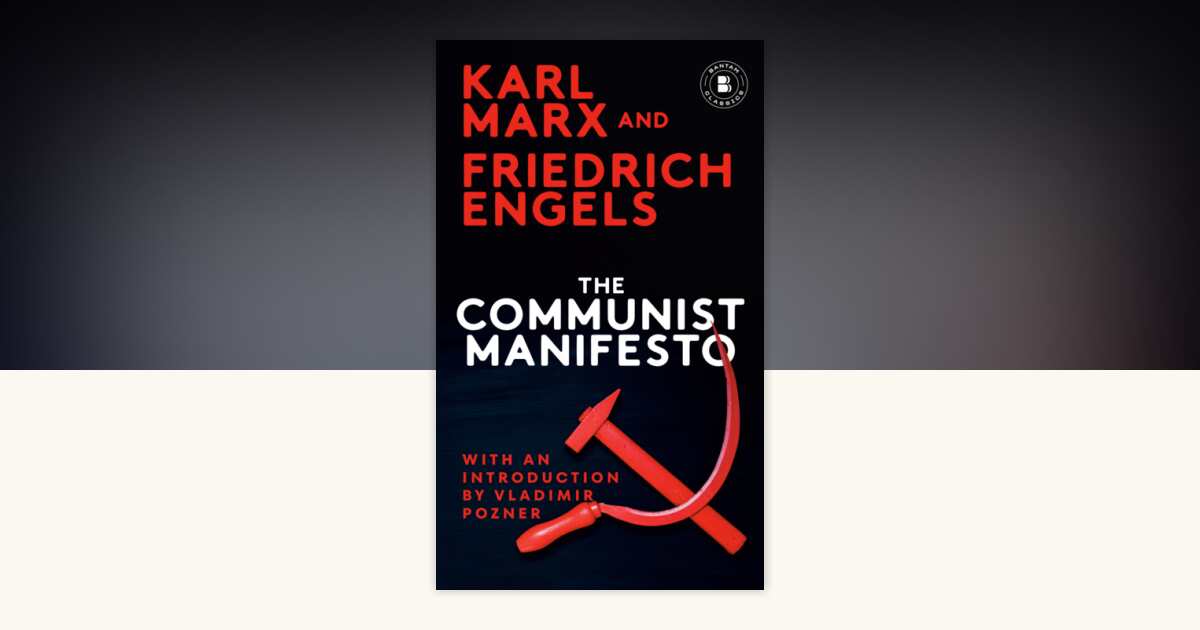
Credit: www.penguinrandomhouse.com
Frequently Asked Questions
When Did Marx Write The Communist Manifesto?
Karl Marx co-wrote the Communist Manifesto in 1848 with Friedrich Engels. It was published in February 1848, outlining communist theory and class struggles.
Who Collaborated With Marx On The Communist Manifesto?
Friedrich Engels collaborated with Karl Marx in writing the Communist Manifesto. Engels helped develop the ideas and co-authored the document.
What Historical Events Influenced The Manifesto’s Writing?
The 1848 European revolutions influenced Marx and Engels. They addressed industrialization, class conflict, and workers’ rights in the Manifesto.
How Long Did Marx Take To Write The Manifesto?
Marx and Engels completed the Manifesto within a few weeks in early 1848. It was a concise and impactful political pamphlet.
Conclusion
Karl Marx wrote the Communist Manifesto in 1848. This work changed how people think about society and class. It explains the struggles between workers and owners. The ideas still influence politics and economics today. Understanding when Marx wrote it helps grasp its historical context.
The Manifesto remains a key text for many readers worldwide. Its message continues to spark debates and discussions. Remembering its origin adds depth to its meaning.

Similar Posts