When Did the Manifest Destiny Start: Unveiling History
Have you ever wondered when the idea of Manifest Destiny first took hold in America? Understanding exactly when this powerful belief began can change the way you see a crucial part of history.
It’s not just a date on a timeline—it’s the starting point of a movement that shaped the nation’s future. Keep reading, and you’ll discover the moment Manifest Destiny sparked, why it mattered so much, and how it still influences your world today.
This is more than history; it’s a story that connects directly to your sense of identity and place.

Credit: ancestralfindings.com
Origins Of Manifest Destiny
The origins of Manifest Destiny trace back to the early 19th century. It grew from a mix of ideas about growth, identity, and purpose. Americans believed their nation had a special role to spread across the continent. This belief shaped politics, culture, and policies for decades.
Early American Expansion Ideas
Expansion was part of American thinking from the start. The country’s founders saw growth as vital for survival and strength. They believed that moving west meant new opportunities and resources. The Louisiana Purchase in 1803 was a major step. It doubled the nation’s size and fueled dreams of more land.
Many Americans wanted to settle new territories. They thought the land was theirs to claim. This idea was tied to freedom and independence. The frontier symbolized a fresh start and a better life.
Influence Of Nationalism
National pride played a key role in Manifest Destiny. After the War of 1812, Americans felt united and confident. They saw their country as exceptional and destined to grow. This strong patriotism pushed leaders to promote expansion.
Nationalism also meant protecting the country’s interests. Expanding the borders was seen as a way to increase power. It helped secure borders against foreign threats. The belief in America’s greatness made many support the idea of Manifest Destiny.
Role Of Religion And Morality
Religion deeply influenced Manifest Destiny. Many Americans thought God wanted them to spread their way of life. They believed in a moral duty to bring civilization and Christianity to new lands. This sense of mission gave expansion a righteous purpose.
Religious leaders often encouraged settlers to move west. They saw it as a chance to build a better society. This moral justification helped calm doubts about taking land from Native Americans and others.
Credit: owlcation.com
Key Events Marking The Start
Manifest Destiny began with key events that shaped America’s expansion. These moments sparked national debate and action. They set the stage for growth across the continent. Understanding these events helps explain why the United States grew so rapidly.
Annexation Of Texas
Texas declared independence from Mexico in 1836. The U.S. debated adding Texas as a state. In 1845, Texas joined the Union. This angered Mexico and increased tensions. The annexation pushed the idea of expansion forward.
Oregon Territory Dispute
The Oregon Territory was claimed by both the U.S. and Britain. Americans wanted control of the land for trade and settlement. The dispute lasted until 1846. That year, the two countries agreed to divide the territory. This peaceful solution showed America’s growing power.
Mexican-american War
The war began in 1846 after border conflicts with Mexico. The U.S. wanted to gain California and New Mexico. The war ended in 1848 with the Treaty of Guadalupe Hidalgo. The U.S. gained vast new lands. This war was a major step in Manifest Destiny’s start.
Political Figures And Their Impact
Political figures shaped the course of Manifest Destiny with their ideas and decisions. Their actions influenced the United States’ growth and its borders. Some leaders pushed for expansion aggressively. Others raised concerns about the costs and consequences.
These key figures left marks on history. Their choices helped define the nation’s future.
James K. Polk’s Presidency
James K. Polk strongly supported Manifest Destiny. He became president in 1845. Polk aimed to expand U.S. territory westward. Under his leadership, the U.S. gained vast lands.
Polk oversaw the annexation of Texas. He also led the Oregon Territory settlement. The Mexican-American War happened during his term. It resulted in the U.S. acquiring California and the Southwest.
Polk’s firm belief in expansion shaped his policies. He worked quickly to secure new lands.
Expansionist Leaders
Other leaders also promoted Manifest Destiny. They pushed for new states and territories. These expansionists saw growth as a national duty.
- John L. O’Sullivan coined the term “Manifest Destiny.”
- Senator Stephen A. Douglas supported popular sovereignty in new states.
- Military leaders helped secure new territories.
These figures inspired public support. They provided the political and military muscle needed.
Opponents Of Manifest Destiny
Not all leaders agreed on expansion. Some feared it would cause conflict. Others worried about slavery spreading.
- Whig politicians questioned the war with Mexico.
- Anti-slavery activists opposed new slave states.
- Some Native American leaders resisted land loss fiercely.
Their resistance slowed or complicated expansion efforts. They raised important questions about the nation’s direction.
Public Sentiment And Media Influence
The idea of Manifest Destiny captured the hearts of many Americans in the 19th century. Public sentiment played a crucial role in shaping this belief. Media outlets spread the message far and wide. They influenced how people saw expansion and the future of the nation.
Newspapers, pamphlets, and cultural works painted a vivid picture of growth. These tools helped build excitement and support. At the same time, some voices raised concerns. This mix of opinions shaped the course of American history.
Role Of Newspapers And Pamphlets
Newspapers were the main source of news for most people. Editors published stories praising westward expansion. They wrote about the benefits of new land and opportunities. Pamphlets were easy to distribute and read. They explained why Manifest Destiny was a national mission.
These publications often used strong language to inspire readers. Maps and illustrations showed the vast lands waiting to be claimed. Articles highlighted success stories of settlers and pioneers. This media created a sense of urgency and pride.
Popular Culture And Art
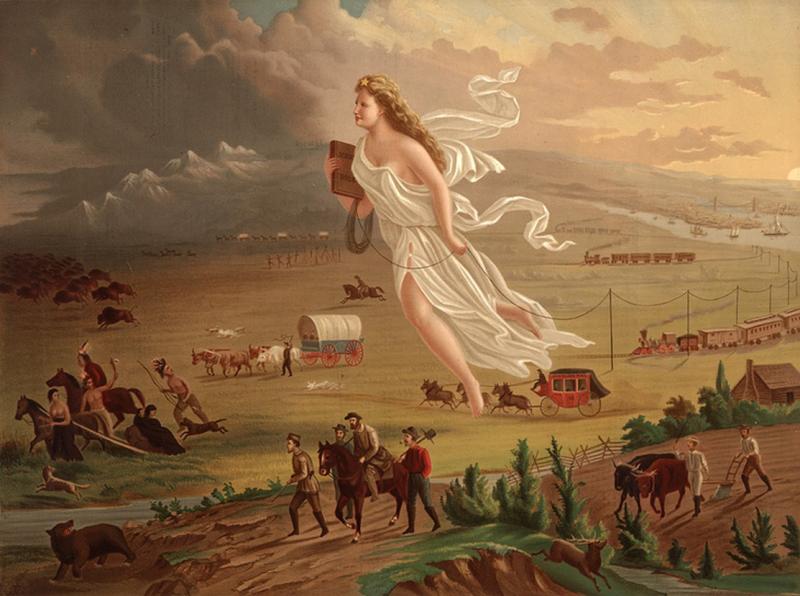
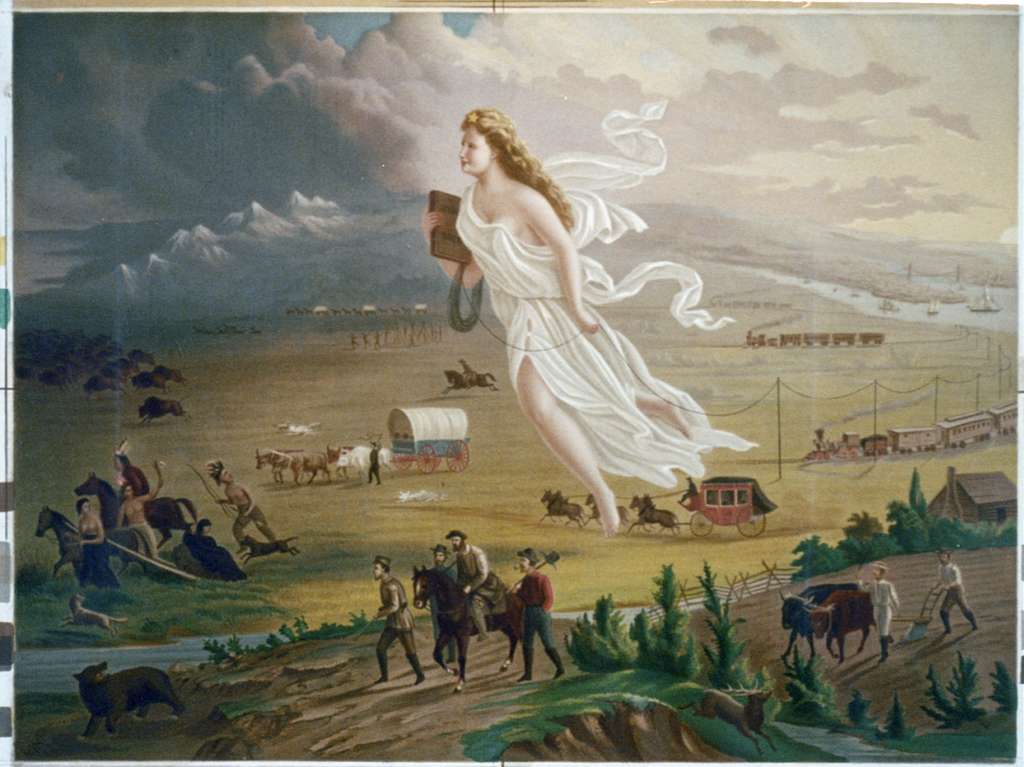
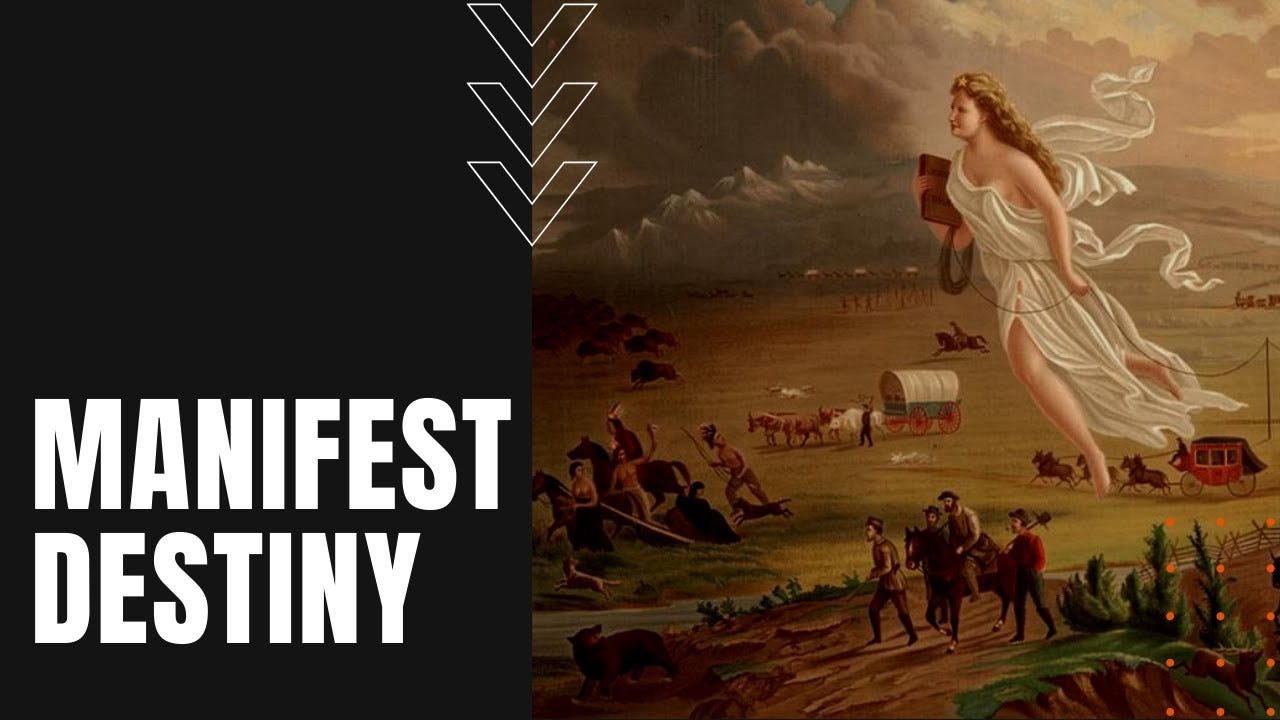
Art and culture reflected the spirit of Manifest Destiny. Paintings showed settlers moving west with determination. Songs and poems celebrated bravery and adventure. These works made the idea feel heroic and natural.
Stage plays and stories often featured themes of progress and destiny. They helped people imagine a brighter future across the continent. This cultural support made the movement feel personal and exciting.
Public Support And Opposition
Many Americans supported Manifest Destiny as a chance for growth. They wanted new land for farming and business. The idea promised freedom and prosperity.
Opponents worried about the costs and moral issues. Some feared war with Native Americans and other countries. Others questioned the fairness of taking land by force. This debate was part of the public conversation.
Public sentiment was a mix of hope and concern. Media and culture played a key role in shaping these views.
Consequences Of Manifest Destiny’s Start
The start of Manifest Destiny marked a turning point in American history. It set in motion many changes that shaped the nation’s future. These changes affected the land, people, and politics deeply. Understanding these consequences helps us see how the country grew and changed.
Territorial Growth
Manifest Destiny led to a huge increase in U.S. land. The country expanded westward from the Atlantic to the Pacific. New states and territories joined the Union. This growth opened opportunities for farming, trade, and settlement. It also connected the country coast to coast.
Impact On Native Americans
Native American tribes faced great challenges. They lost much of their land and resources. Forced relocations and conflicts increased. Many tribes struggled to keep their culture and way of life. This period caused lasting harm to Native communities.
Long-term Political Effects
Manifest Destiny intensified debates over slavery and state rights. New territories raised questions about whether they would allow slavery. These conflicts heightened tensions between the North and South. The political struggles helped lead to the Civil War years later.
Credit: pastorbhart.medium.com
Frequently Asked Questions
When Did Manifest Destiny Begin In The United States?
Manifest Destiny began in the early 1840s, popularized by journalist John L. O’Sullivan. It reflected the belief in U. S. territorial expansion westward.
What Triggered The Start Of Manifest Destiny?
The desire for economic opportunities and land motivated Americans. The annexation of Texas in 1845 also triggered the expansionist movement.
How Did Manifest Destiny Influence U.s. Policies?
It shaped policies like westward expansion and the Mexican-American War. The government promoted settlement and territorial acquisitions during this period.
Which Territories Were Acquired During Manifest Destiny?
Key territories included Texas, Oregon, California, and the Southwest. These acquisitions significantly expanded the United States’ borders by the late 1840s.
Conclusion
Manifest Destiny began in the 1840s as a strong belief. Americans felt it was their right to expand westward. This idea shaped much of U. S. History and growth. It led to new states and changed the nation. People moved, settled, and faced many challenges.
The impact is still seen today in culture and borders. Understanding when it started helps us see how America grew. It shows a time of hope, conflict, and change. The story of Manifest Destiny remains important to remember.

Similar Posts