When Does Bipolar Disorder Manifest: Key Signs Revealed
Have you ever wondered when bipolar disorder actually shows up in a person’s life? Understanding when bipolar disorder manifests can be the key to recognizing its signs early and getting the right help.
If you or someone you care about is struggling with sudden mood swings or unusual changes in behavior, knowing the typical age and triggers can make a huge difference. Keep reading to discover the crucial moments when bipolar disorder often appears and what you should watch for—this knowledge could change everything.

Credit: www.facebook.com
Early Symptoms
Recognizing the early symptoms of bipolar disorder helps in seeking timely support. These signs often appear before full episodes develop. They can affect daily life and relationships. Paying attention to small changes is important.
Mood Swings
Mood swings in bipolar disorder are more intense than normal mood changes. A person may feel very happy or very sad without clear reasons. These shifts can happen quickly or last for days. Sometimes, mood swings cause irritability or anger. Spotting these changes early can guide toward help.
Sleep Patterns
Sleep changes often appear early in bipolar disorder. A person might sleep very little and still feel energetic. Or, they may sleep too much and feel tired during the day. These irregular sleep habits affect mood and thinking. Tracking sleep patterns can reveal early warning signs.
Energy Levels
Energy levels can rise or fall suddenly in bipolar disorder. High energy may lead to restlessness and fast talking. Low energy can cause fatigue and lack of interest in activities. These shifts affect daily tasks and social life. Noticing unusual energy changes is key for early detection.

Credit: www.nextstep.doctor
Manic Episodes
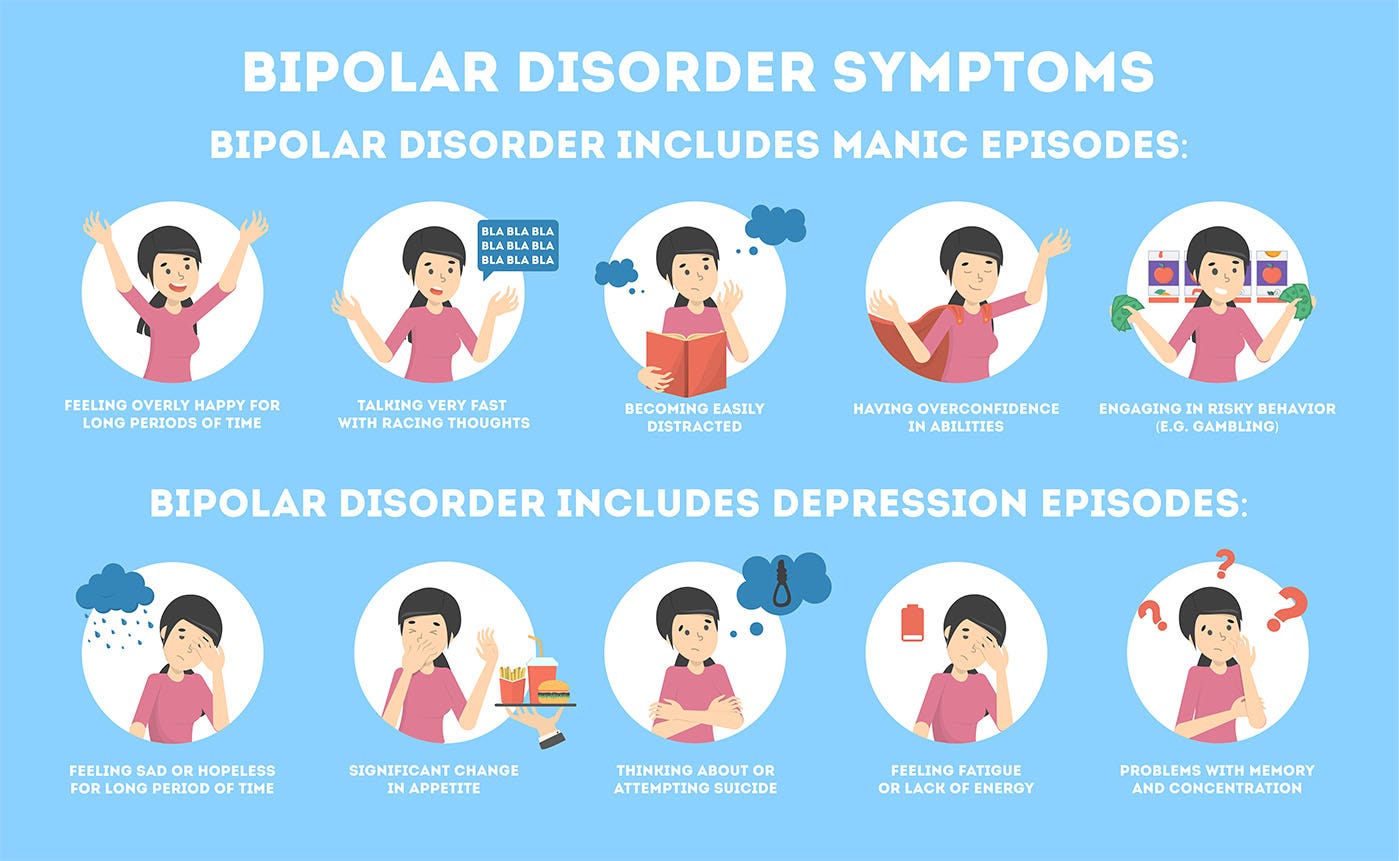
Manic episodes are a key sign of bipolar disorder. They involve sudden changes in mood and energy. People may feel extremely happy or irritable. These shifts can affect daily life and relationships. Understanding the signs helps recognize bipolar disorder early.
Increased Activity
During a manic episode, activity levels rise sharply. People may start many tasks at once. Sleep needs often decrease, yet energy stays high. This burst of energy can lead to risky behavior. It feels like the body won’t stop.
Impulsivity
Impulsive choices happen more often in mania. Spending large sums of money is common. Decisions are made without thinking about consequences. Talking fast and jumping between topics is typical. This impulsivity can cause problems at work and home.
Elevated Mood
The mood during mania is unusually high or euphoric. People may feel overly confident or invincible. Sometimes, they become easily irritated or angry. This mood is different from normal happiness. It can last days or weeks without rest.
Depressive Episodes
Depressive episodes are a core part of bipolar disorder, often marking the times when the disorder becomes most noticeable. These episodes can feel overwhelming, draining your energy and altering your perception of everyday life. Understanding the signs of a depressive episode can help you recognize when you need support or a change in your treatment plan.
Persistent Sadness
During a depressive episode, sadness doesn’t just come and go—it stays. You might find yourself feeling down for weeks, even when there’s no clear reason. This persistent sadness can affect your ability to enjoy things you once loved.
Have you noticed moments when your sadness feels heavier than usual, lasting longer than a typical bad day? That’s a key sign that you might be experiencing a depressive episode.
Loss Of Interest
Activities that used to excite you may suddenly seem dull or pointless. This loss of interest, called anhedonia, can make socializing, hobbies, or even work feel like chores.
Think about your recent weeks—have you stopped doing things you used to look forward to? This shift can be subtle but significant, signaling a deeper emotional change.
Fatigue
Depressive episodes often come with overwhelming tiredness that rest doesn’t fix. You might feel physically drained and mentally foggy, making daily tasks feel impossible.
Pay attention if you’re struggling to get out of bed or complete simple activities. Fatigue during depression isn’t just about being sleepy—it’s a heavy exhaustion that affects your whole body and mind.
Age Of Onset
Understanding the age when bipolar disorder first appears can give you important clues about its course and management. The age of onset varies widely, influencing how symptoms show up and how you might respond to treatment. Recognizing these patterns early can make a big difference in your journey.
Typical Age Range
Bipolar disorder most often starts in late adolescence or early adulthood. Usually, symptoms first appear between ages 15 and 25. However, some people experience their first mood episodes earlier or much later in life.
If you notice mood swings that feel more intense or longer-lasting than usual during your teenage years or early twenties, it could be an early sign. Catching it in this age range allows for timely support and treatment.
Early Vs Late Onset
Early onset bipolar disorder, starting before age 18, tends to show more severe symptoms and higher chances of co-occurring conditions like anxiety or ADHD. You might find mood swings harder to manage, and it often impacts school or social life more intensely.
Late onset, beginning after age 40, is less common but still important to recognize. It might be linked to other health issues, such as thyroid problems or medication side effects. If you or someone you care about starts showing mood changes later in life, don’t dismiss them as just “getting older.”
Factors Influencing Onset
Several factors can affect when bipolar disorder first appears. Genetics play a strong role—if a close family member has bipolar disorder, your risk increases.
Stressful life events, trauma, or substance use can also trigger the first episode. Sometimes, changes in sleep patterns or major life transitions act as catalysts. Are you aware of any stressful periods before your symptoms began? Reflecting on this might help you understand your own experience.
Understanding these influences gives you more control. You can work with your healthcare provider to identify triggers and develop strategies that fit your life.
Triggers And Risk Factors
Understanding what triggers bipolar disorder and recognizing the risk factors can help you manage or even anticipate mood swings. These triggers often act like sparks, igniting episodes of mania or depression. Knowing your personal risk factors puts you in a stronger position to seek help early and tailor your lifestyle accordingly.
Genetic Influences
Your family history plays a big role in whether bipolar disorder might develop. If a close relative has bipolar disorder, your chances increase significantly. This doesn’t mean you’re destined to have it, but genetics create a foundation that other factors can build upon.
Think about it this way: if your parents or siblings have experienced mood swings or mood disorders, it’s wise to stay alert to early signs. Sharing this knowledge with your healthcare provider can lead to quicker diagnosis and better care.
Stressful Events
Stressful life events often act as triggers for the first or subsequent episodes of bipolar disorder. These can include job loss, the death of a loved one, or a traumatic experience. Even positive events like a wedding or moving to a new city can cause enough stress to impact your mood.
Ask yourself, how do you normally react to stress? If you notice your mood swinging dramatically after stressful times, it might be a signal to reach out for support. Managing stress through techniques like mindfulness or therapy can reduce the risk of triggering an episode.
Substance Use
Using alcohol or drugs can worsen bipolar symptoms and trigger mood episodes. Substances often disrupt your brain’s chemistry, making it harder to maintain emotional balance. Many people find that substance use masks symptoms temporarily but leads to more intense crashes later.
If you use substances regularly, watch for any changes in mood or behavior. Cutting back or quitting can be a powerful step toward stabilizing your mood. Don’t hesitate to seek help if you find it challenging to stop on your own.
Diagnosis Challenges
Diagnosing bipolar disorder can be tricky, especially because its symptoms often resemble those of other mental health conditions. This overlap leads to confusion and delays in receiving the right treatment. Understanding these challenges can help you recognize why accurate diagnosis matters and how it impacts your journey toward stability.
Symptom Overlap
Bipolar disorder shares many symptoms with depression, anxiety, and even borderline personality disorder. For example, mood swings and irritability might be mistaken for general stress or mood disorders.
This overlap often causes doctors to miss the full picture, focusing only on the most obvious symptoms instead of exploring the mood cycle patterns. Have you ever noticed how your mood changes but were told it’s just anxiety?
Misdiagnosis Risks
Getting the wrong diagnosis is common and can lead to treatments that don’t work or even make things worse. Someone with bipolar disorder might be prescribed antidepressants alone, which can trigger manic episodes.
Misdiagnosis not only delays proper care but also increases frustration and confusion. If your symptoms don’t improve after treatment, it might be time to ask about a bipolar evaluation.
Importance Of Early Detection
Spotting bipolar disorder early can change everything. Early detection helps you avoid severe mood swings and reduces the risk of hospitalizations.
It also allows you to work with your healthcare provider on a personalized plan before symptoms disrupt your life too much. If you feel your mood shifts are more intense or last longer than typical ups and downs, don’t wait to speak up.

Credit: kptherapy.com
Frequently Asked Questions
When Does Bipolar Disorder Usually Begin?
Bipolar disorder typically manifests in late adolescence or early adulthood. Most people experience symptoms between ages 15 and 25. Early signs can vary, making diagnosis challenging. Recognizing symptoms early helps in managing the condition effectively.
What Are The Early Signs Of Bipolar Disorder?
Early signs include mood swings, irritability, and changes in energy. People may have periods of depression or mania. These symptoms often disrupt daily life. Early detection improves treatment outcomes and quality of life.
Can Bipolar Disorder Develop In Childhood?
Yes, bipolar disorder can appear in childhood but is less common. Childhood symptoms often differ and can be mistaken for other disorders. Early diagnosis requires careful evaluation by mental health professionals.
How Is Bipolar Disorder Diagnosed Initially?
Diagnosis involves clinical interviews, mood history, and symptom assessment. Mental health professionals use standardized criteria from DSM-5. Early diagnosis helps in timely treatment and symptom management.
Conclusion
Bipolar disorder often starts in late teens or early adulthood. Symptoms can vary and may appear slowly or quickly. Early signs are sometimes hard to notice. Getting help early can make a big difference. Treatment can help manage mood swings and improve life.
Understanding when bipolar disorder appears helps in seeking care. Stay aware of changes in mood or behavior. Support from family and friends is important too. Learning about bipolar disorder brings hope and better health.

Similar Posts