When was Communist Manifesto Written: Unveiling 1848 Insights
Have you ever wondered exactly when the Communist Manifesto was written? Knowing this can help you understand the ideas that shaped modern history and why they still matter today.
You’ll discover the exact year the Communist Manifesto was created, who wrote it, and the powerful impact it had on the world. Keep reading to uncover the story behind this famous work and why it continues to influence your life, even now.
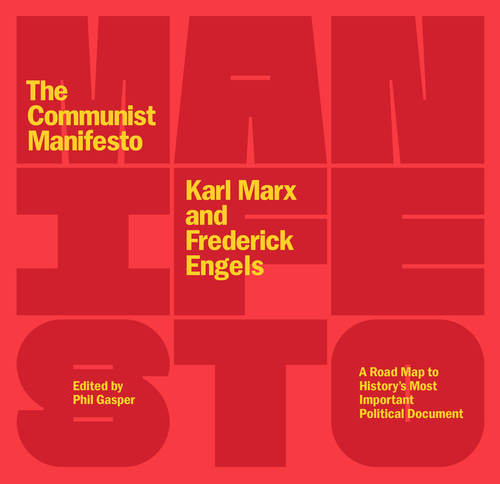
Credit: www.haymarketbooks.org
Historical Context Of 1848
The year 1848 was a turning point in history, marked by upheaval and change. Understanding the historical context of this year helps you grasp why the Communist Manifestowas written and why it resonated so powerfully. The world was shifting beneath people’s feet, and new ideas demanded attention.
Europe In Political Turmoil
Europe was a powder keg in 1848. Monarchies struggled to maintain control, while demands for democracy and national independence surged. The old order felt fragile as governments faced pressure from all sides.
Consider the widespread dissatisfaction with rulers who ignored the needs of growing urban populations. This tension created an environment where radical ideas could spread rapidly. Are you aware how political instability can open doors for new ideologies?
Social Movements And Revolutions
1848 witnessed a wave of revolutions across Europe, often called the “Springtime of Nations.” Workers, peasants, and middle-class reformers all pushed for change. They wanted better working conditions, political rights, and social equality.
These movements were not isolated. They reflected shared frustrations and hopes across borders. Think about the power of collective action when people unite for a cause you care about—how might that shape your own community?
- In France, the monarchy was overthrown and a republic declared.
- In the German states, calls for unification and democracy grew louder.
- In the Austrian Empire, diverse ethnic groups demanded autonomy.
The Communist Manifesto emerged from this charged atmosphere, addressing the urgent social and economic issues of the time. It challenged you to reconsider the structures around you and envision a different future.
Creation Of The Communist Manifesto
The creation of the Communist Manifestomarks a significant moment in history, shaping political thought and social movements worldwide. Understanding how this groundbreaking document came to be offers insight into the minds behind it and the urgent issues they addressed. It was not just a book but a collaborative effort fueled by shared vision and intense discussions.
Marx And Engels’ Collaboration
Karl Marx and Friedrich Engels shared more than friendship; they had a powerful partnership that drove the manifesto’s creation. Engels provided financial support and practical experience, while Marx brought deep philosophical analysis and critique of capitalism.
They met in the 1840s, bonding over their concern for workers’ rights and social inequality. Their teamwork combined theory and action, making their message both intellectual and accessible.
Have you ever noticed how powerful ideas often come from teamwork rather than solo effort? This collaboration proved that two minds can challenge the status quo more effectively than one.
Writing Process And Timeline
The manifesto was written rapidly in early 1848. Marx and Engels drafted the document in just a few weeks, driven by the political unrest sweeping Europe at the time.
The urgency of the revolutions gave their writing a sense of immediacy and purpose. They aimed to inspire workers to unite and act, not just to analyze their condition.
Interestingly, the manifesto was originally commissioned by the Communist League, a small political group seeking a clear statement of purpose. This shows how specific demands and real-world needs can spark major works.
- January 1848: Writing begins in London
- February 1848: Manuscript completed
- February 21, 1848: First published in German
Does knowing the manifesto was crafted so quickly change how you view its impact? It shows that powerful ideas don’t always need years of preparation but can arise from urgent necessity.
Key Ideas In The Manifesto
The Communist Manifesto presents powerful ideas that shaped political thought. It explains the struggle between social classes and criticizes capitalism. The text calls for change led by workers to create a fair society.
Class Struggle And Capitalism
The manifesto says history is a story of class conflict. Society is split into two main groups: the bourgeoisie and the proletariat. The bourgeoisie owns factories and money. The proletariat works for them and earns wages.
Capitalism creates inequality by making workers poor and owners rich. The system pushes workers to compete for jobs and lowers their living standards. The manifesto argues this conflict will grow until it reaches a breaking point.
Calls For Proletarian Revolution
The manifesto urges workers to unite and fight against their exploitation. It believes only a revolution can end class divisions. Workers must take control of production and share resources fairly.
The goal is to build a society without classes or private property. This change aims to create equality and end the power of the bourgeoisie. The manifesto encourages all workers to join this global effort.

Credit: www.amazon.com
Initial Reception And Impact
The Communist Manifesto, written in 1848 by Karl Marx and Friedrich Engels, sparked strong reactions across Europe. Its initial reception varied widely among different groups. Some welcomed its calls for change, while others saw it as a threat to the established order.
The impact of the manifesto extended beyond its first publication. It influenced political ideas and social movements for many years. Understanding its early reception helps explain how it shaped history.
Early Reactions Across Europe
At first, many governments banned the manifesto. They feared it could inspire revolts. Workers and intellectuals debated its ideas passionately. Some saw it as a guide to fight inequality. Others dismissed it as unrealistic or dangerous.
In cities like Paris and Berlin, the manifesto stirred public discussions. It spread quickly among the working class. This created a new sense of unity and purpose. The manifesto’s call for workers to unite struck a chord.
Influence On Subsequent Movements
The manifesto inspired many political groups after its release. Socialist and communist parties formed in several countries. They used its principles to shape their programs. The ideas pushed for changes in labor laws and rights.
Over time, the manifesto’s message reached beyond Europe. It influenced revolutions and social reforms worldwide. Its impact is seen in many 19th and 20th-century movements. The manifesto became a symbol of struggle for justice and equality.
Legacy Of The 1848 Manifesto
The Communist Manifesto, written in 1848 by Karl Marx and Friedrich Engels, left a deep mark on history. Its ideas challenged the social and economic order of its time. The manifesto inspired many political movements and debates that continue today. Its legacy stretches far beyond the 19th century.
Many countries saw new political groups rise, demanding workers’ rights and social justice. The manifesto provided a clear critique of capitalism and sparked visions of a classless society. Even after more than 170 years, its influence shapes political thought worldwide.
Long-term Political Effects
The manifesto fueled the growth of socialism and communism globally. It guided several revolutions and uprisings in the 20th century. Some governments adopted communist ideas as the basis of their policies. The text shaped debates about wealth, power, and equality.
Political parties still reference the manifesto’s call for worker solidarity. It pushed labor rights into the spotlight and inspired social reforms. Many countries created welfare systems due to these ideas. Even critics admit the manifesto changed politics forever.
Modern Interpretations
Today, scholars analyze the manifesto with new perspectives. Some see it as a historic document reflecting 19th-century struggles. Others believe its call for equality remains relevant in modern society. The rise of global capitalism has sparked renewed interest in its critiques.
People discuss the manifesto in the context of economic inequality and social justice. It serves as a tool to question current systems and propose alternatives. The manifesto’s simple language makes it accessible to many readers worldwide.

Credit: www.abebooks.com
Frequently Asked Questions
When Was The Communist Manifesto First Published?
The Communist Manifesto was first published in February 1848. It was written by Karl Marx and Friedrich Engels to outline communist principles.
Who Wrote The Communist Manifesto And When?
Karl Marx and Friedrich Engels wrote the Communist Manifesto in 1847. It was published in early 1848 to inspire workers worldwide.
What Historical Events Influenced The Communist Manifesto’s Writing?
The Industrial Revolution and 1848 European revolutions influenced its writing. These events highlighted class struggles and inspired Marx and Engels.
How Long Did It Take To Write The Communist Manifesto?
Marx and Engels wrote the Communist Manifesto in a few months during late 1847. It was a concise political pamphlet.
Conclusion
The Communist Manifesto was written in 1848 by Marx and Engels. It shaped political ideas worldwide. The text still influences debates on society and economy today. Understanding its origin helps grasp its impact better. History shows how ideas can change the world.
The Manifesto remains a key reference for many thinkers. It invites readers to reflect on class and power. A brief yet powerful document with lasting effects.

Similar Posts